
Dark matters: how woodland is helping protect Britain’s darkest skies
One of life’s greatest adventures is heading to a dark sky site armed with a flask of hot chocolate and a heart full of hope for a clear, starry view. Sitting alone in the dark, with just the sky for company and the scurry of nocturnal creatures around you, reminds stargazers why they fell in love with astronomy in the first place.
There are around a dozen officially recognised Dark Sky Parks, Reserves and Communities in the UK, with new sites – like Gower National Landscape in Wales – joining the growing list. The UK’s three Dark Sky Parks are Galloway Forest Park in Scotland (the first in the world to be certified, in 2009), the Elan Valley Estate in Wales, and Northumberland National Park and Kielder Water & Forest Park in England. Dark Sky Reserves, meanwhile, are scattered across the country, from Exmoor to Eryri to the North York Moors.
In truth, for many of us living in the UK, genuine access to a dark sky is rare. In Star Count – the UK’s biggest annual citizen science survey of night skies – only 5% of participants reported truly dark skies. It’s why the UK’s National Parks and Dark Sky Reserves matter so much. Protecting woodland can play a surprisingly important role in helping to keep these precious places safe from light pollution.
Why our dark skies matter
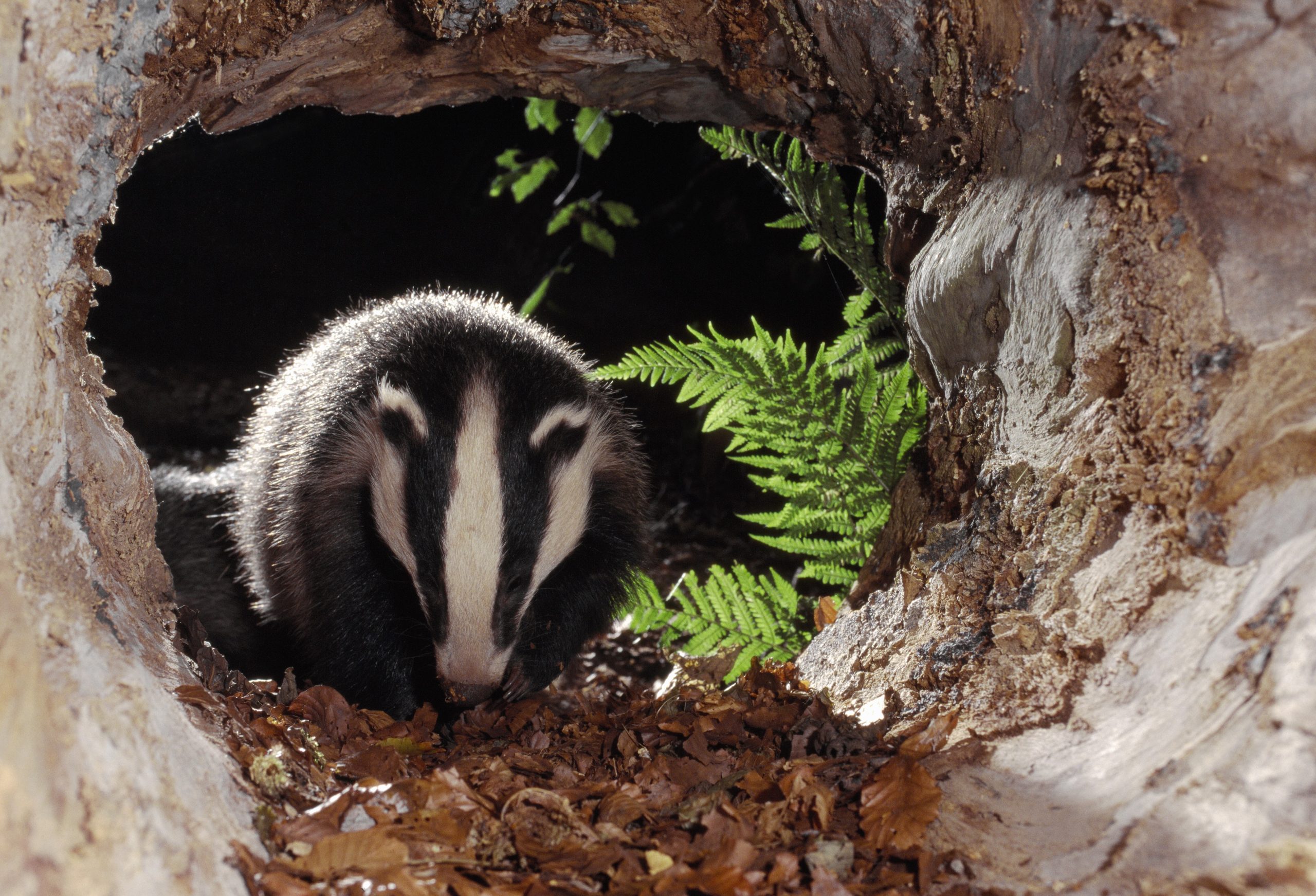
As well as providing a home for wildlife and locking away carbon, Britain’s woods and forests are undeveloped, meaning there is generally artificial light driven by streetlights, illuminated buildings and car headlamps. This matters for more than just stargazers. Light pollution disrupts the natural rhythms of nocturnal animals, causing confusion and upsetting hunting, feeding and mating behaviours, disorientating migrating birds and disrupting bats’ roosting patterns. Limiting the growth of urban sprawl safeguards the habitat of our native wildlife as much as it protects the darkness that species like bats, moths and other invertebrates depend on. Alongside limiting light pollution, protecting our woodland locks away carbon stores vital for cooling the planet, slows water runoff, and rebuilds lost habitat.
Ancient woodland enjoys some degree of protection – more than newer woodland sites – but the Woodland Trust is fighting for more. Its Forgotten Forests campaign is pushing for greater protection, demanding specific, powerful measures to safeguard these important habitats.
The Woodland Trust is the UK’s largest woodland conservation charity. It looks after more than 1,100 woods across the UK, with nearly 350 of them containing genuine ancient woodland. It works to protect woods and trees, ancient and new, preventing the loss of irreplaceable habitat, nature and carbon stores.
The Yorkshire Dales: a case study in protection
Set up camp for the night above the market town of Hawes in the Yorkshire Dales, and – weather permitting – you’ll be treated to a spectacular astronomical view. This area, awarded Dark Sky Reserve status in 2020, gives stargazers the chance to capture the Milky Way, the Andromeda Galaxy, and thanks to its clear view north, even the Aurora Borealis.
The National Park is taking active steps to protect the rich depths of darkness. It’s working with district and county councils to ensure that, when street lights are replaced, they’re swapped for warmer-coloured 3000K bulbs rather than cooler, bluer 4000K ones. It also offers grants to help non-residential properties upgrade their lighting, and it has produced a dedicated lighting design guide in partnership with industry professionals.
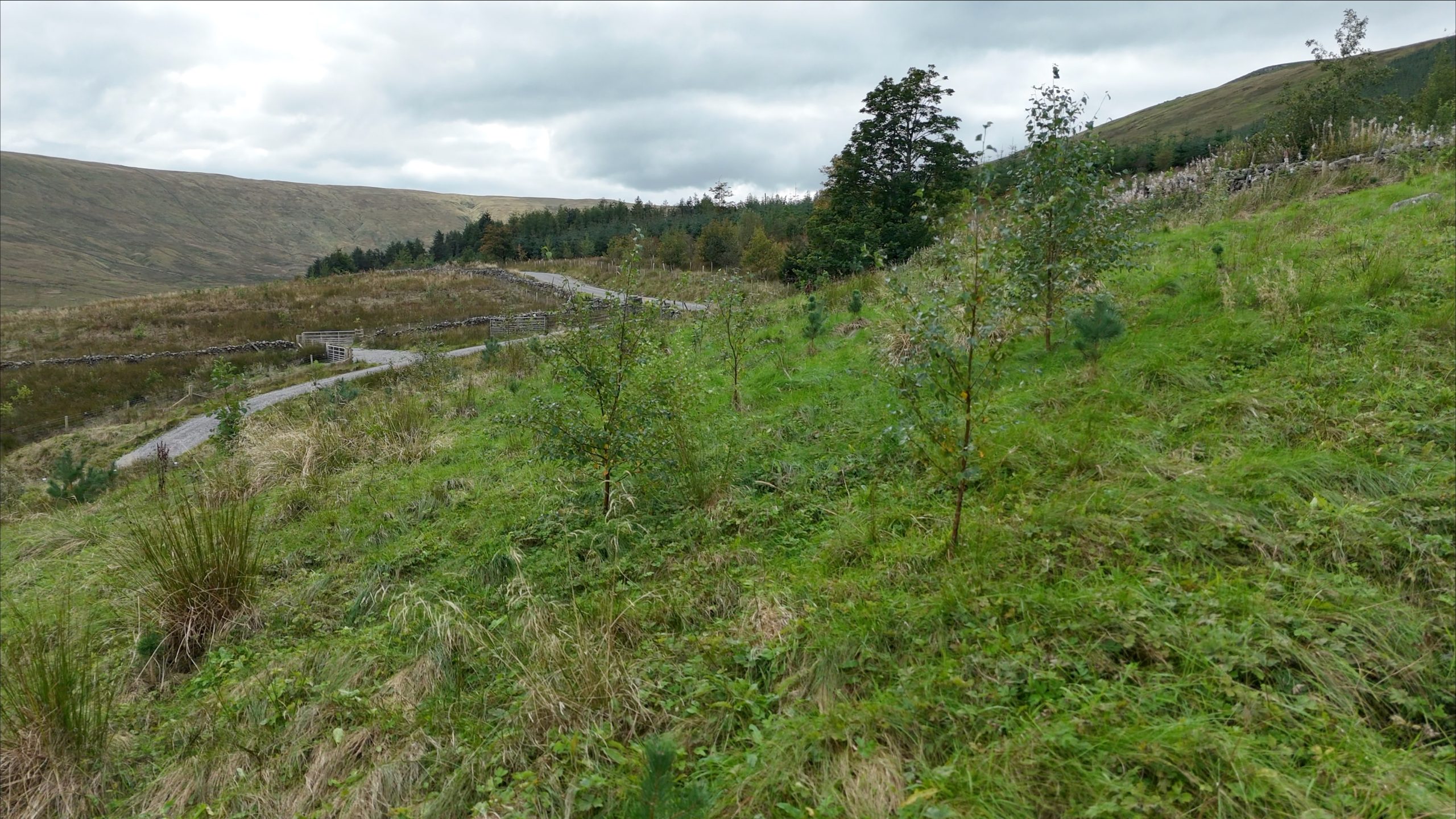
Close by, the Woodland Trust is also leading an ambitious project to restore this once-forested landscape, planting 291 hectares of native woodland at Snaizeholme. After the last ice age 10,000 years ago, 90% of the Yorkshire Dales would have been wooded; now just 5% remains. This huge project promises to create one of the largest new native woodlands in England – restoring a thriving habitat for wildlife, and helping protect the dark sky status the National Park is so proud of.
The Snaizeholme project aims to restore an entire ecosystem in the Yorkshire Dales, creating a home for birds, bats and other mammals while locking away carbon and mitigating the risk of flooding with a complex restoration of peat bog and limestone pavement.
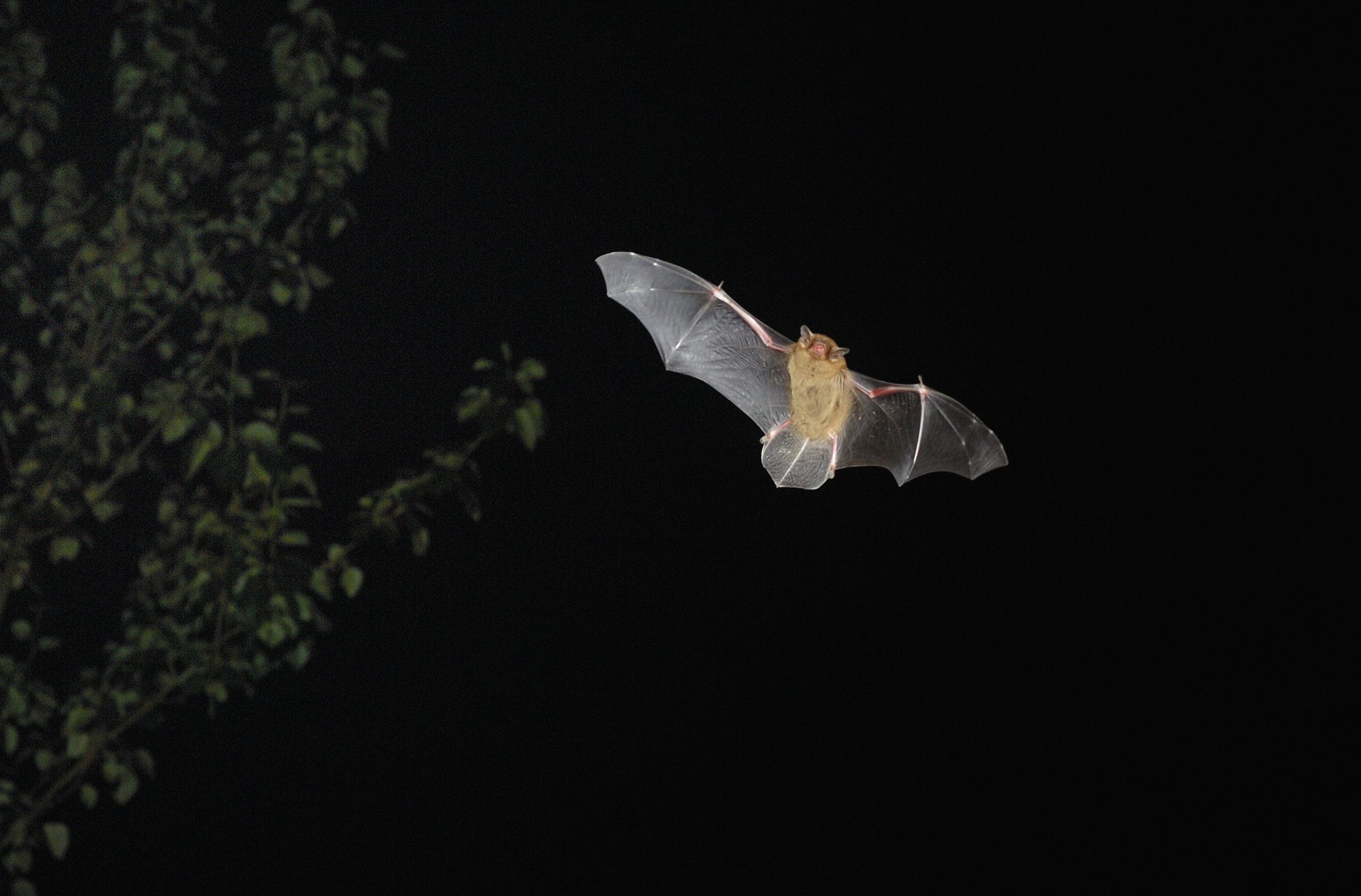
The positive effects in the valley can already be seen with a growing population of red squirrels. Astronomers setting up at dusk may hear the call of barn and tawny owls, while bats swoop overhead. The Yorkshire Dales are home to nine of the UK’s 18 bat species, including the noctule, Britain’s largest, with a wingspan of up to 40cm.
The Snaizeholme project has in part been funded by Woodland Trust members who donated to the appeal to buy the site and restore the once wooded landscape of the valley.
Become a member and help support the Woodland Trust.
Help preserve the future of dark skies
Since 1989, the British Astronomical Association has campaigned to counter the light pollution that’s steadily crept over Britain since the 1950s, its network of volunteer officers working locally to influence planning decisions. The Woodland Trust advocates in much the same way, lobbying councillors and mayors to get positive tree policies written into neighbourhood plans. One of its wins includes successfully lobbying to make councils legally required to consult the public before removing street trees.
Stargazers and astrophotographers who’ve stood beneath a truly dark sky understand exactly what’s worth protecting. As passionate astronomers we want to share with future generations the joy and the thrill of panoramic night-sky views, with only the rustle of leaves in earshot. That peace and darkness is part of a much wider ecosystem – one that depends on securing the future of the irreplaceable ancient woodland that still survives, and creating new native woodland, like Snaizeholme.
The Woodland Trust urgently needs your help to protect the UK’s woodland for the future. A Woodland Trust membership costs from just £4 a month, helping fund the campaigns and projects that keep landscapes like the Yorkshire Dales wild and dark for the generations of stargazers to come.
