
Govert Schilling
Govert Schilling is an astronomy author and a science journalist. The asteroid 10986 Govert is named after him.
Recent articles by Govert Schilling

This spacecraft is about to feel the burn as it explores Mercury, the closest planet to the Sun. Here's why scientists are getting very excited
The BepiColombo mission is primed to orbit Mercury and uncover the secrets of the closest planet to our Sun.

Does the Universe have an edge?
What is outside the Universe? Does such a question even make sense?

Dark stars – the weird, invisible monsters of the early Universe that could still exist today
Astronomers think the earliest stars in the Universe may not have given off any light at all. But if these weird objects were never visible, how can they be detected?

9 of the biggest mysteries in the Universe
Cosmic quandaries and mysterious secrets about space that remain as yet unsolved.

These spinning stars are the lighthouses of the Universe, and one spoonful of them would weigh five billion tonnes
Everything you need to know about pulsars and how these spinning neutron stars were discovered.

The Universe is unimaginably chaotic. 10 violent cosmic explosions that would instantly wipe out our Solar System
Join us on a turbulent tour through the most powerful explosions in the cosmos

We don't know why the Universe expansion is speeding up. Dark energy is the biggest mystery in science
Govert Schilling investigates dark matter, what we've learned about it, and what we might discover in the future.

The Universe is bigger than its age. How the speed of light makes time-travellers of stargazers
How is the Universe so big, and why does its size seem to be bigger than its age?

James Webb Space Telescope | See the latest images
See the latest full colour images to be released by the JWST.

What came before the Big Bang? These are the best theories we have about the origin of the cosmos
We explore the theories about one of the most mind-boggling questions about the Universe.

Supersymmetry explained
A theory that could explain many of our Universe’s mysteries… but only if it’s true

Does the Universe expand faster than light?
Does the Universe's expansion violate Albert Einstein’s theory of relativity, which says that the speed of light is an absolute limit?

Aliens' technology could be giving them away. Here's how scientists are searching for it

If the Universe is infinite, has it always been infinite? Here's what the science says
Whether tiny, hot nugget or unimaginably huge cosmos, space goes on forever.

What makes a planet habitable? 7 key conditions for a planet to be suitable for life as we know it
What makes Earth habitable? What can our home planet teach us about what an exoplanet needs to support life? Here are 7 ingredients for planet habitability.

Who really invented the telescope? And no, it wasn't Galileo. This is the true story of astronomy's beginnings

Why galaxies look redder the further away they are. Hint: it's to do with the expansion of the Universe
Why are galaxies redshifted? In this guide, we examine why it is that galaxies look redder the further away they are.

1,000s of times a day, a burst of radio waves is generated somewhere in the Universe. What are they?
The source of mysterious bursts of radio waves has been confounding scientists for a decade. Now we’re finally making some progress.

Asteroid mining – should we do it?
Could the days of cosmic collieries be rapidly approaching?

Euclid's quick data release, March 2025

What if there were no gravity?

Habitable Worlds Observatory
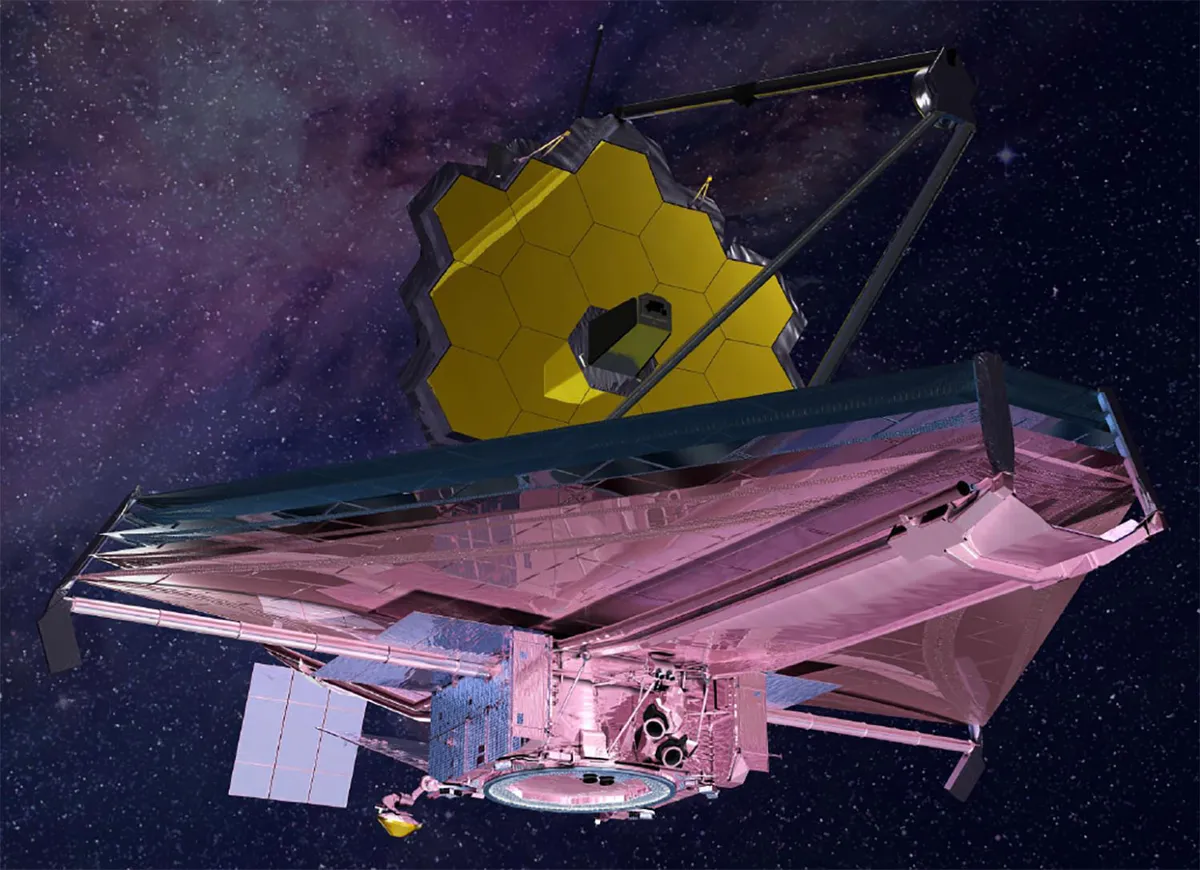
James Webb Space Telescope | How will JWST observe the Universe?
What will NASA's James Webb Space Telescope do, and how does it compare to the Hubble Space Telescope?
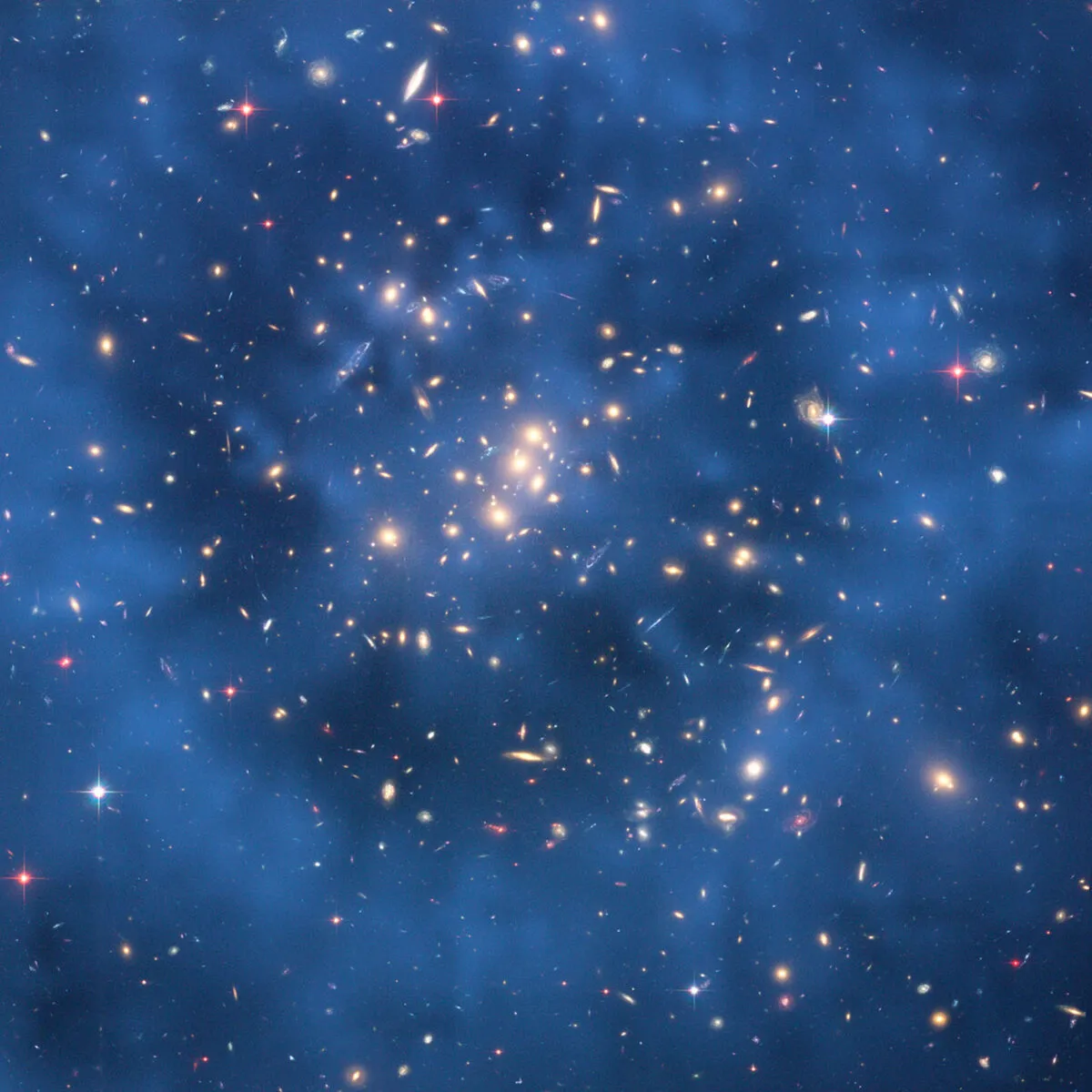
Who came up with dark matter? Seven scientists who pioneered our understanding of the dark universe
The term ‘dark matter’ was coined over a century ago. Here are 7 scientists who shed light on astronomy’s biggest mystery.
