
Impact craters are some of the most striking features visible on the surfaces of the rocky bodies
in our Solar System.
Indeed, almost wherever we look on some of them, we see distinctive, circular craters as a record of impacts from rocky debris in ages past.
So can we see craters on Earth? The answer is yes – but we have only a few of them.
More on planet Earth
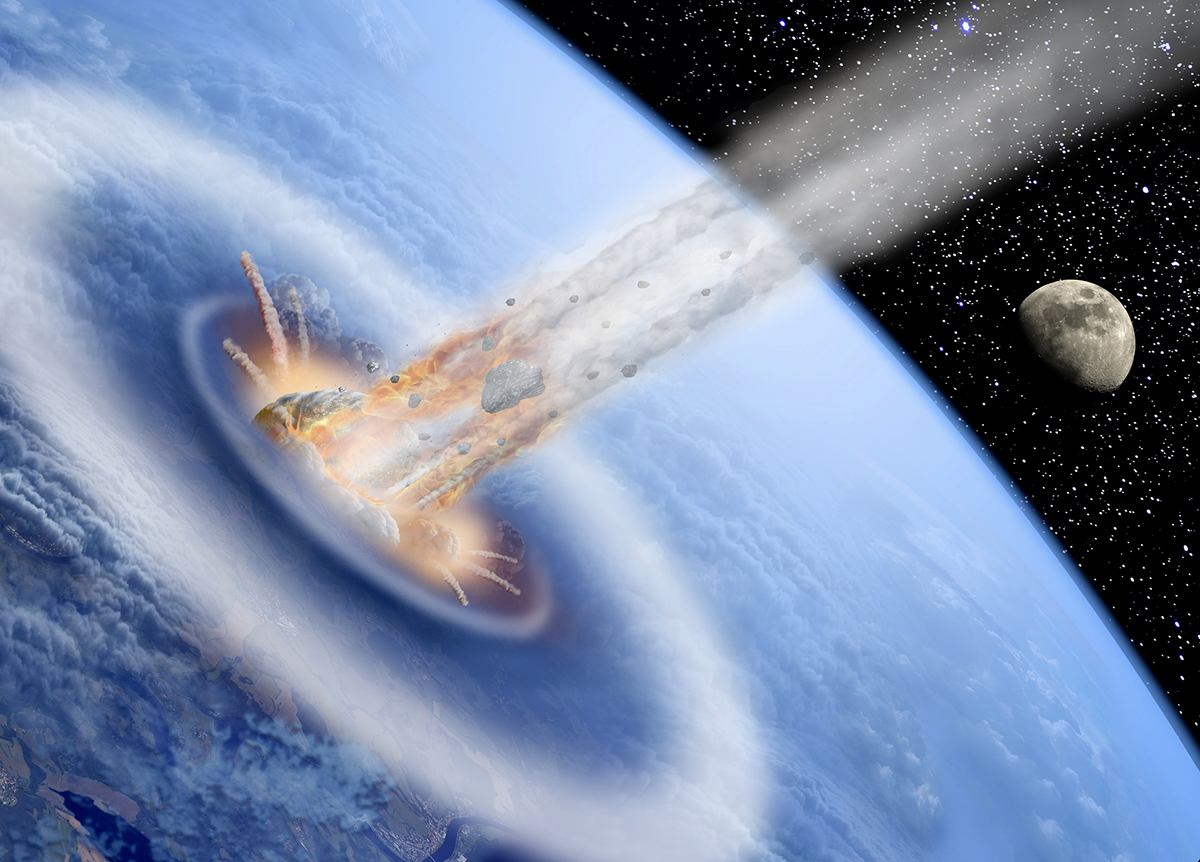
Today, there are only 190–200 accepted impact craters with remains that can be located.
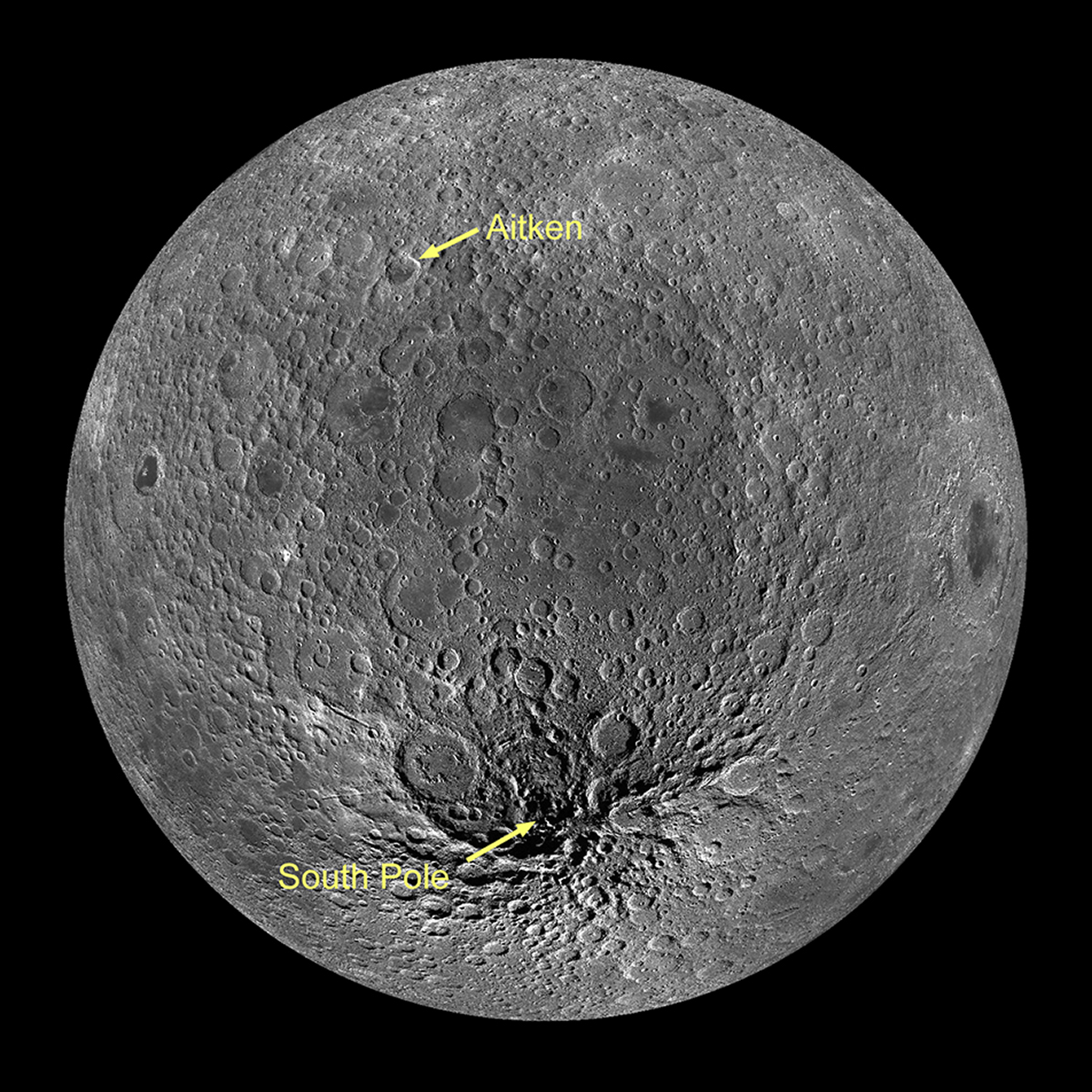
Contrast that number with the Moon: it has around 1.3 million craters with a diameter of over 1km (0.6 miles).
When you include estimates for craters with a diameter over 10 metres, that number mushrooms to around 500 million. Indeed, around 80% of the Moon’s surface is covered in craters.
Why Earth doesn't have many craters
In part, we have our atmosphere to thank for our planet’s small crater count.
Small space objects of around 1cm (0.4 inches) or less that arrive on a collision course with Earth burn up as shooting stars in the thick, gaseous envelope that surrounds our planet; slightly larger objects are
slowed down and fall as meteorites that lack the energy to create craters.
This means that Earth doesn’t have very small craters, only big ones.
Only bodies at least 20–50 metres (65–164ft) across can force their way through Earth’s protective atmosphere and strike the ground at high speed, typically 54,000–72,000km/h (33,500–44,700mph).
The results are dramatic – impacts of this size produce craters with a diameter about 20 times that of the impactor, making even the smallest craters around 1km (0.6 miles) across.
Other factors come into play to keep Earth’s crater count low.
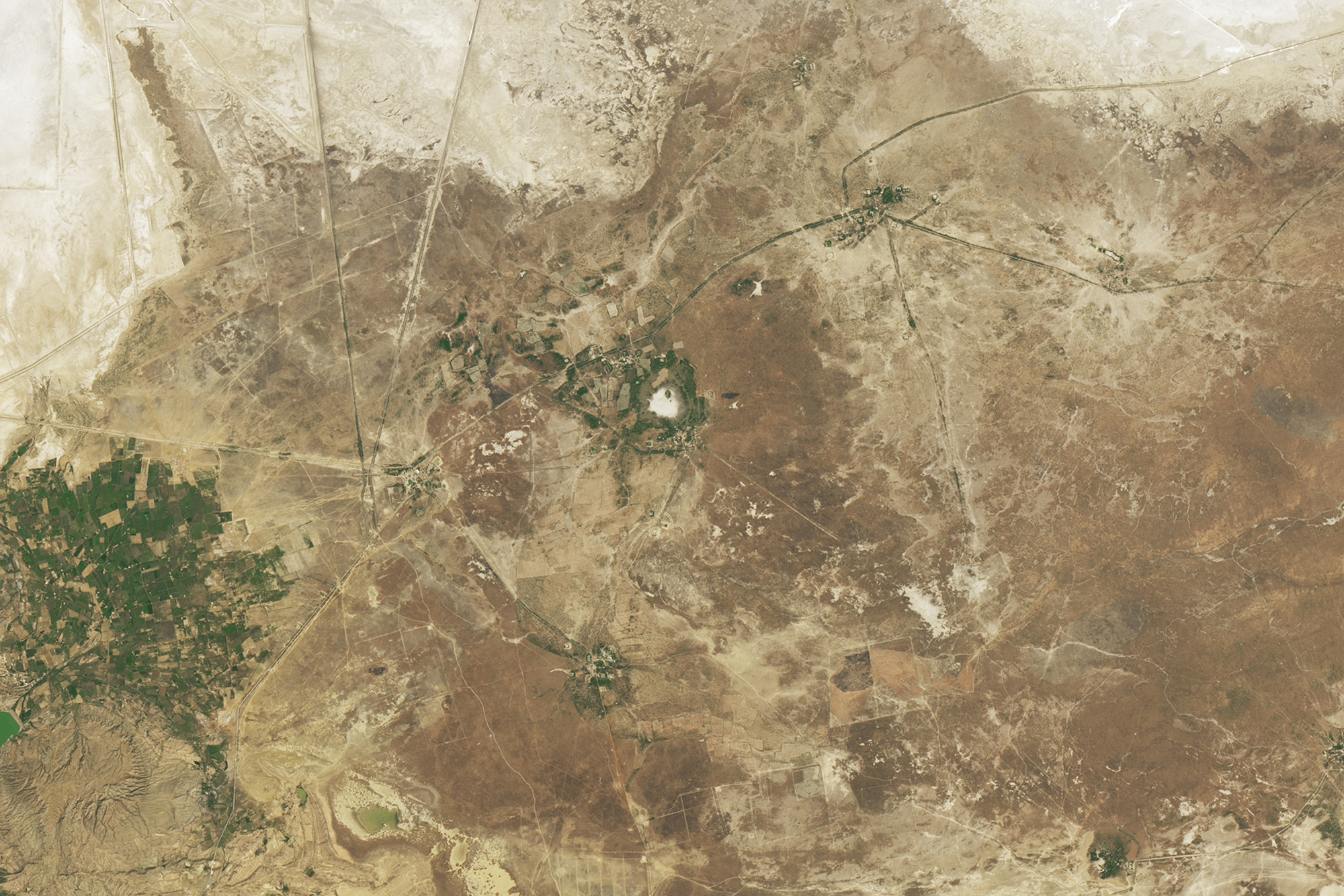
We know from elsewhere in the Solar System that fresh craters typically have a circular rim wall and a bowl-shaped interior.
However, on our planet, the constant activity of the surface (as well as the atmosphere) over time erodes crater walls and fills in floors.
Some even become buried and are only evident today from seismic and geological surveys.
Then there are large impacts that occurred in water. In shallower water, these may have produced a crater on the ocean floor, but these can’t be seen from the surface.
If the water was deep enough, no permanent crater would be made at all.
Some craters are so eroded that they are lost altogether, by glacial action for example, or even by plate tectonics, when the continental plates they stand on are subducted.
In fact, Earth’s surface is subjected to so many natural processes that even its big craters are hard to spot.
If you saw a rim wall around a bowl-shaped geological feature, how would you even know it was an impact crater?
Finding Earth's impact craters
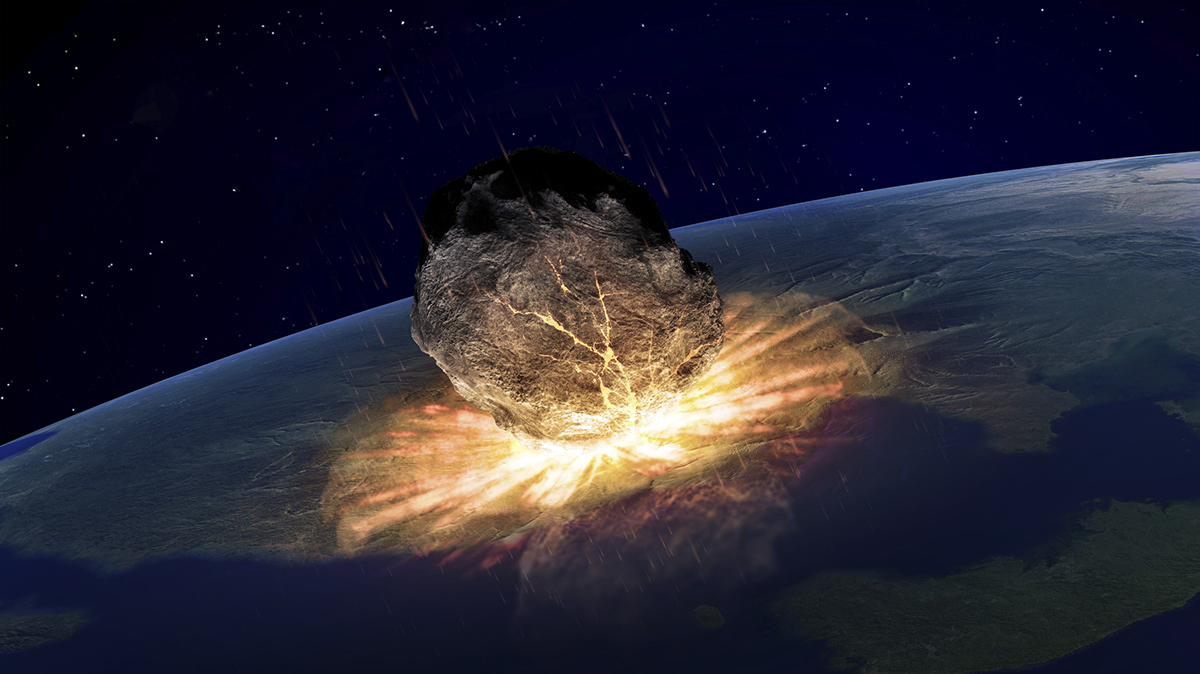
The idea that large rocks could hit Earth at speed took a long time to become accepted by scientists, even though smaller meteorites had been studied for several centuries.
It was only after we entered the atomic age that true identification of an impact’s origin became possible. Ironically, this was due to atomic weapons testing.
At test sites, the rock endured extremely high shock pressures and some were afterwards found to have been altered.
Patterns of deformation features were seen in individual grains in rocks and some grains changed their structure (the relative spacing of their component molecules) to produce what are called polymorphs.
Once these metamorphic shock features were understood, they were used to positively diagnose shock events in the geological record, such as impact craters.
So what do typical craters on Earth look like, where are they and can they be visited? To answer those questions, here’s an overview of some of the most impressive craters we know of today.
Barringer crater
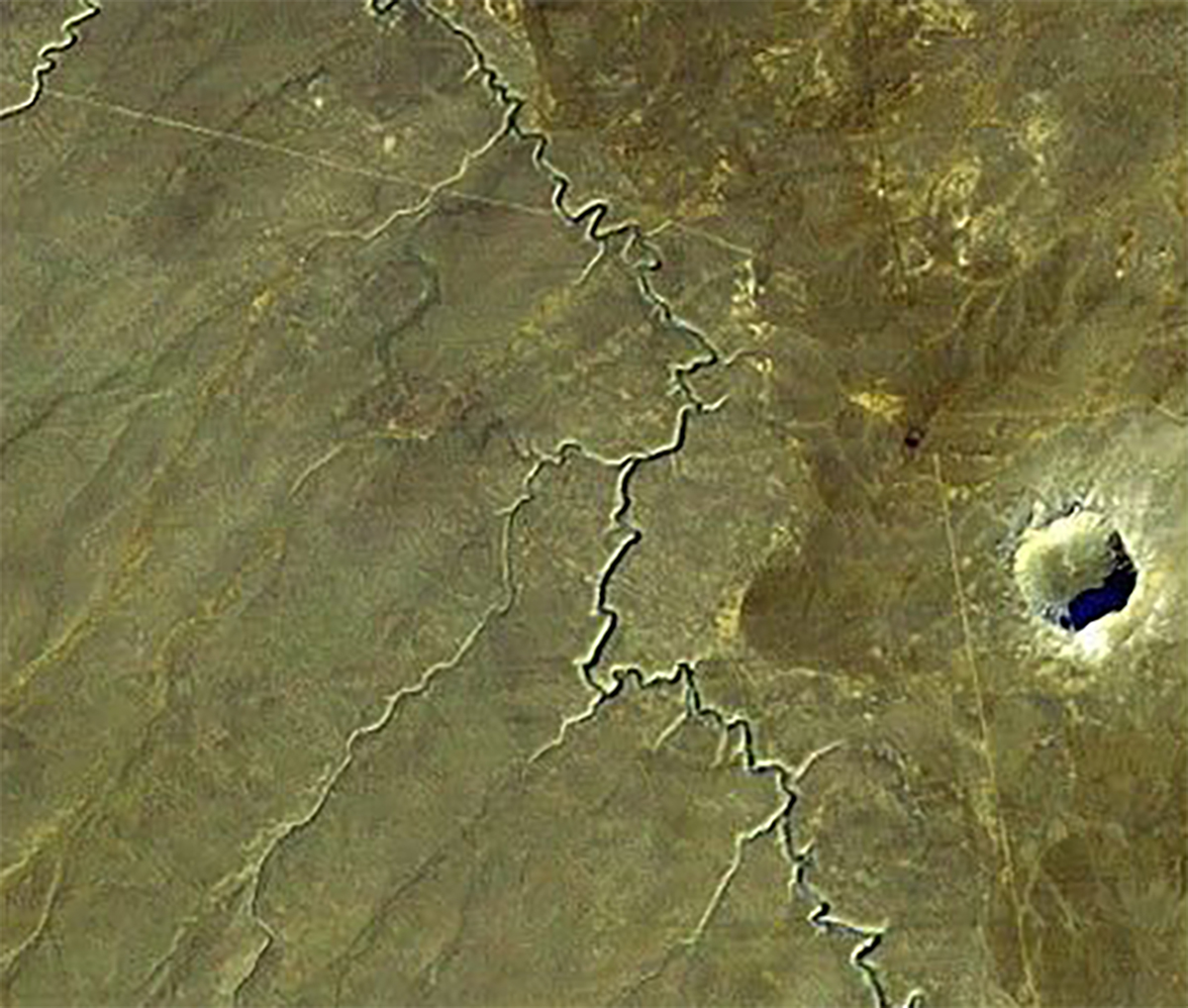
The first accepted impact crater was the Barringer crater in Arizona, USA. However, its scientific origin was originally assigned as volcanic.
Then, at the start of the 20th century, the idea of an impact origin by a giant meteorite was proposed (indeed, it is often now known as Meteor Crater).
Eventually, shock metamorphic features were found in rocks from the site and it was unambiguously accepted as an impact crater.
Barringer measures about 1.2km (0.7 miles) in diameter, with a rim wall some 45 metres (147ft) high and an interior that is 170 metres (558ft) deep.
The crater is privately owned and allows visitors. It’s a 45-minute drive east of Flagstaff, Arizona, and the entry fee gets you a guided tour of the crater floor, plus access to the museum and inevitable gift shop.
Nördlinger Ries crater
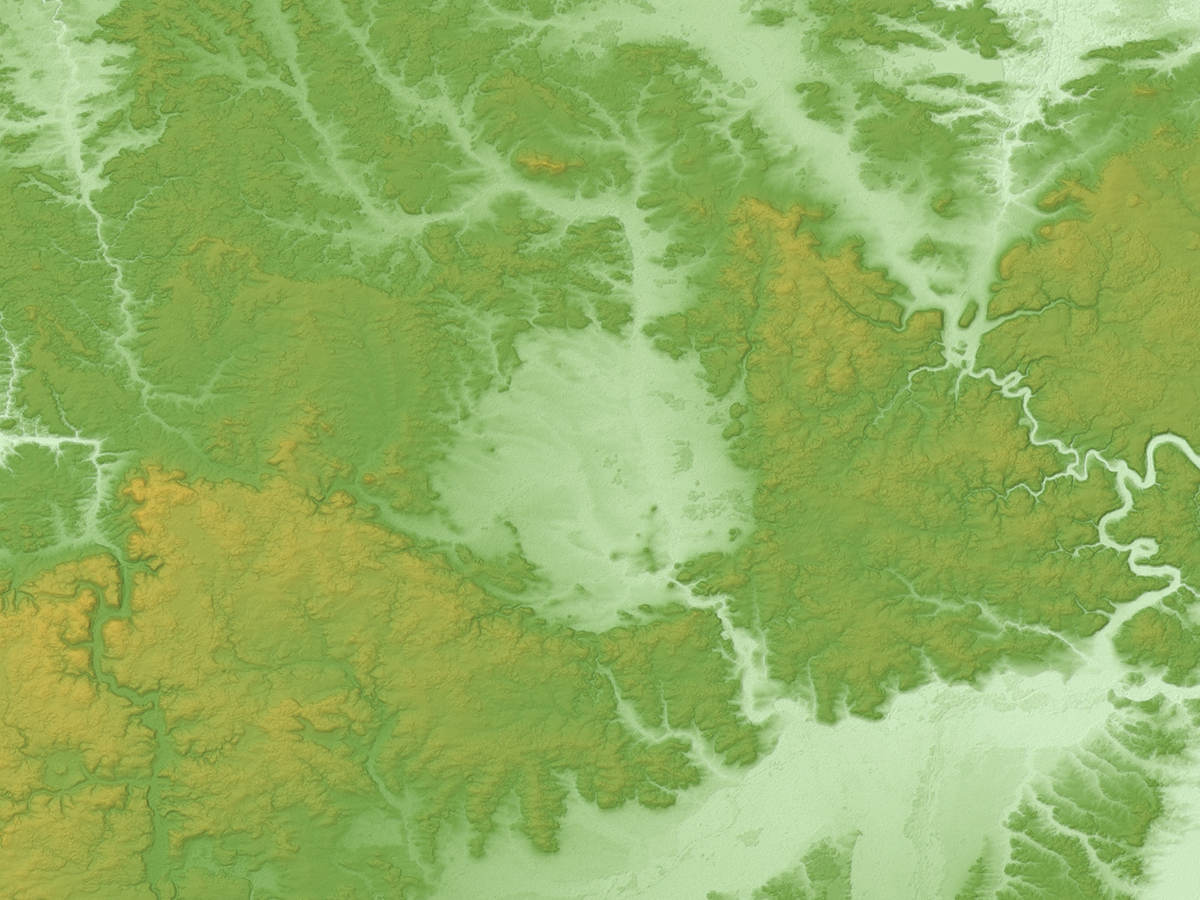
Turning to Europe, we have the Nördlinger Ries crater – 24km (15 miles) across and 15 million years old
– that lies in western Bavaria, Germany.
The town of Nördlingen actually sits inside the crater, where there is a museum and the start of a hiking trail.
Indeed, you can go up the tower of a local church and when you look out, in every direction you see the rim wall of the crater.
One unusual feature of this crater is that the local rocks contain very small diamonds, typically less than 0.1mm (0.004 inches) in size, formed by the high pressure of the impact process squeezing the carbon in the local rocks into microscopic diamonds.
Popigai crater
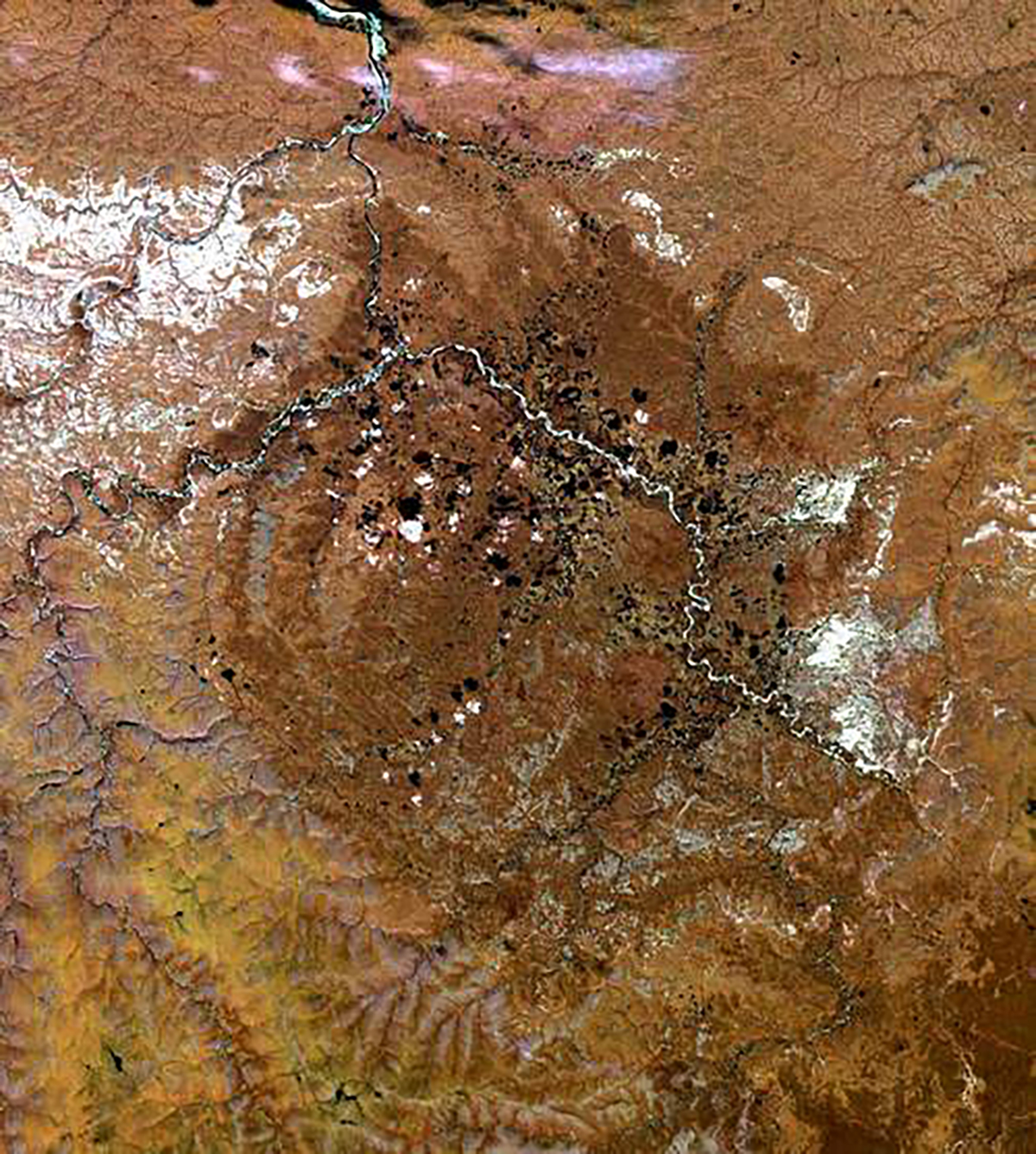
This crater in Siberia, Russia is roughly 100km (62 miles) wide and 35 million years old.
Just like the Nördlinger Ries crater in Germany, carbon at the impact site (originally in the form of graphite in the local rocks) was shocked to form diamonds.
Here, the diamonds are bigger than those found at Nördlinger Ries, up to several millimetres in size.
However, they are not of gem-like quality, so no fortunes are to be made there, even though they are thought to be present in large quantities.
Manicouagan crater
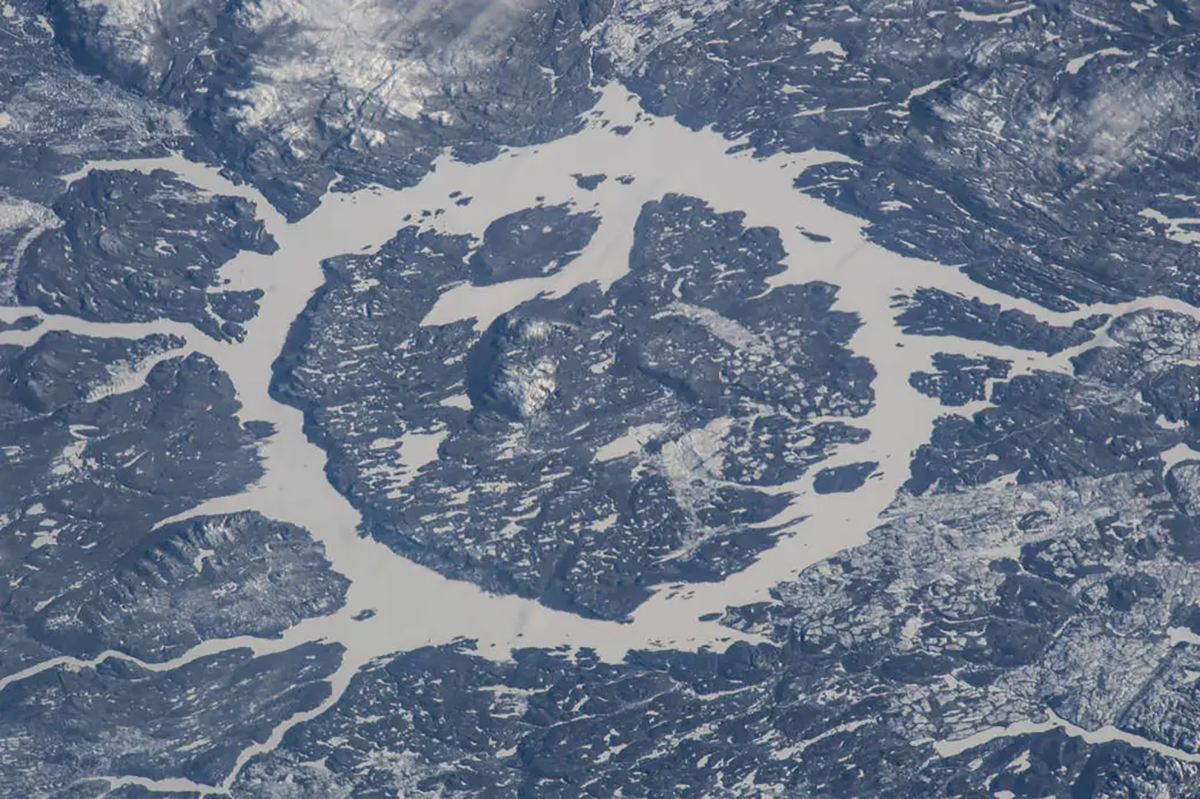
This crater in Quebec, Canada formed around 215 million years ago. It was about 100km (62 miles) across originally, but today the heavily eroded remains are only around 72km (45 miles) across.
As a large impact structure, it has several ring walls around it and a central uplift in the middle, where the interior of Earth rebounded after the initial crater shape was blasted deep into Earth’s interior.
In the early 1960s, two local rivers, each of which originally flowed in an arc around the edges of the crater, were dammed to form a combined circle, marking out the crater shape.
The resulting ring-shaped reservoir is easily visible from space.
Mjølnir crater
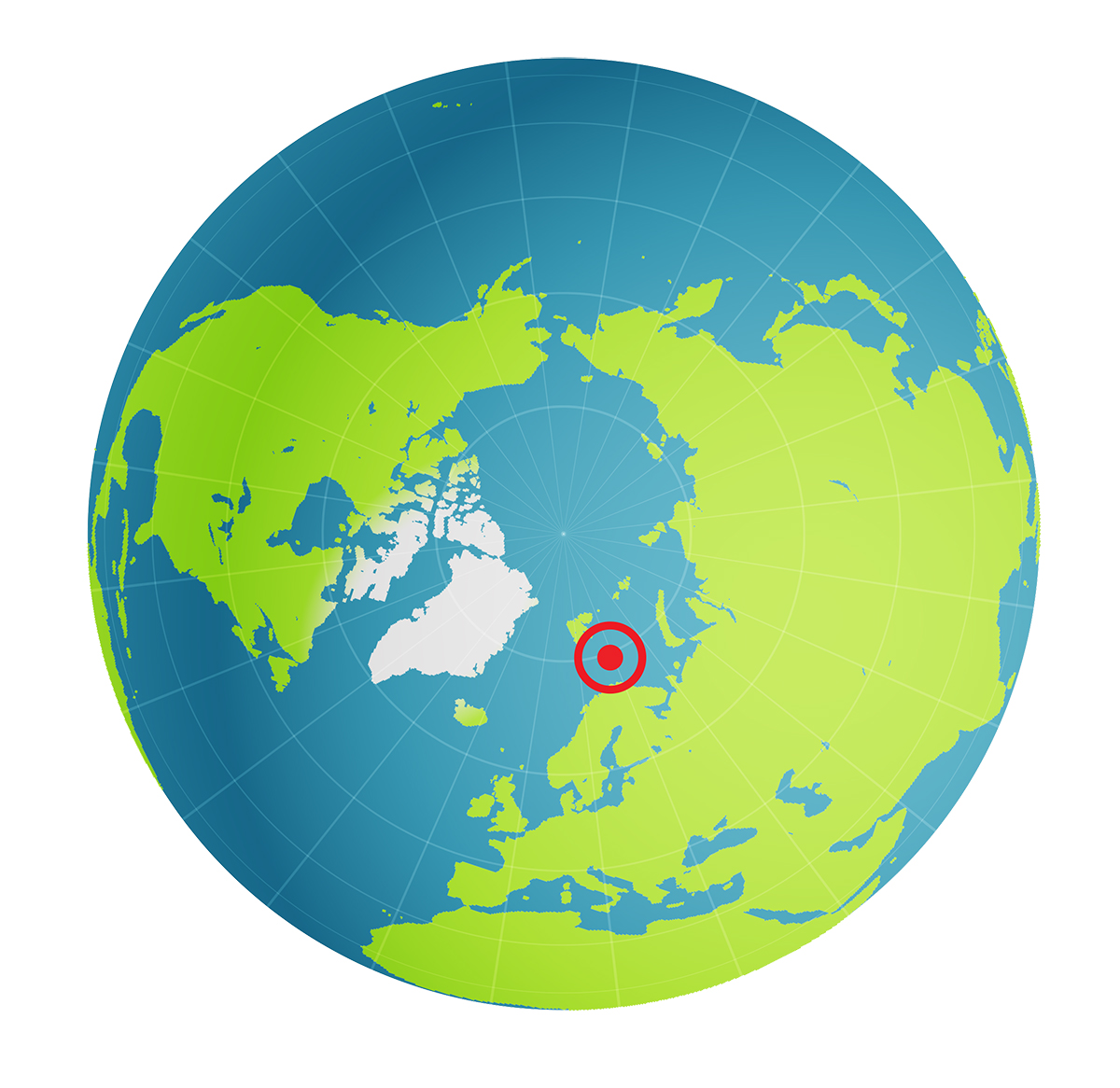
This is one you can visit, but you won’t see – it lies underwater.
Located in the Barents Sea off Norway, this ocean-floor crater is about 40km (25 miles) in diameter and some 142 million years old.
Evidence for a large-impact-induced tsunami associated with this crater has been discovered along the Norwegian and Greenland coasts, showing the potential far reach of such an impact event.
Chicxulub crater
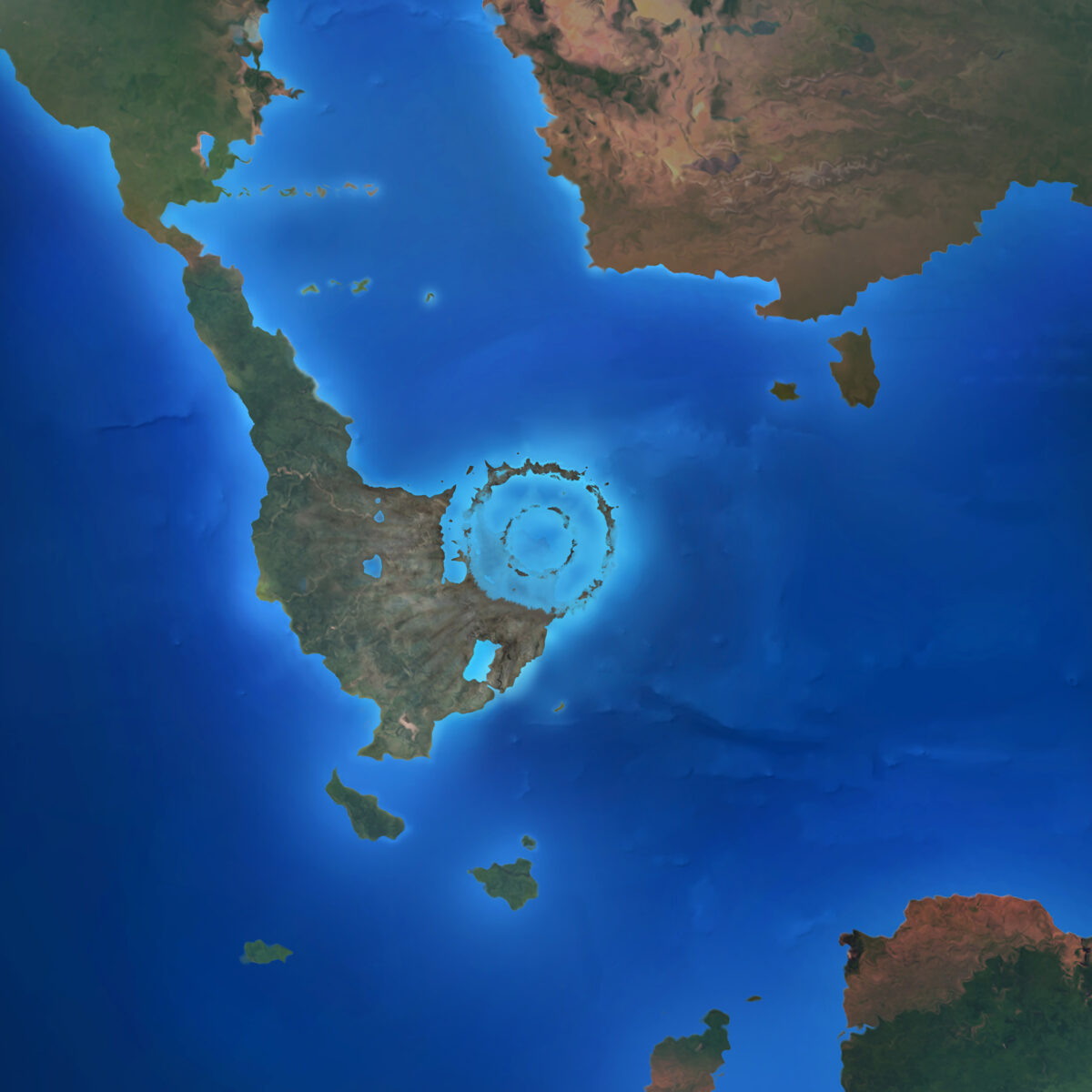
A more impressive submerged impact is the one off the modern Yucatán Peninsula in Mexico.
An impact there some 66 million years ago resulted not only in the Chicxulub crater (which was originally some 150–200km or 93–124 miles wide), but also produced worldwide devastation via a global tsunami.
The vast amount of rocky ejecta, water vapour and gases it sent into the atmosphere then spread across the planet.
The result was a global mass-extinction event, the fall of the dinosaurs and the rise of the mammals.
Vredefort structure
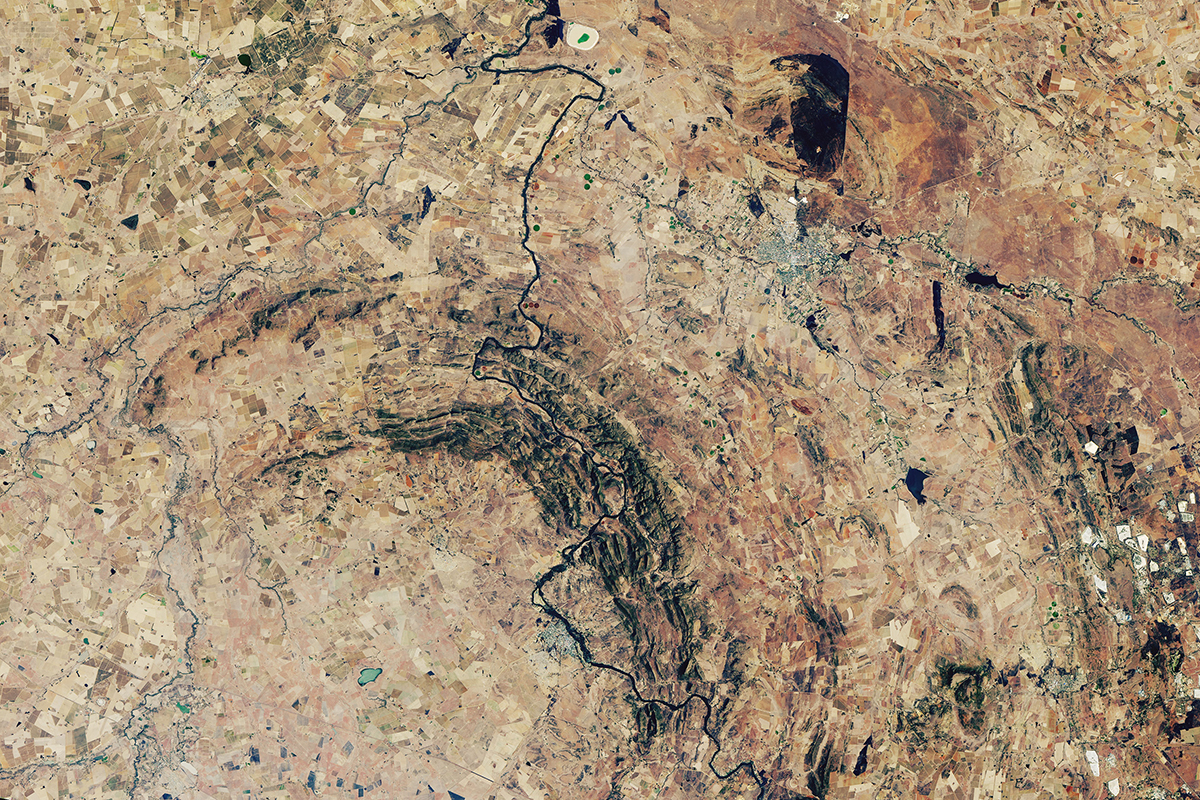
If you’ve ever been to Johannesburg, South Africa, you will have visited an impact site – perhaps without realising it.
The country’s largest city stands in the Vredefort impact structure, some two billion years old and originally 250–300km (155–186 miles) across.
Today, it is so heavily eroded it can only be seen in the geological maps of the region.
Indeed, even if it were fully visible, it would be so big that anyone standing on the ground would not be able to discern its structure.
It remains an oddity that even if barely visible on the ground, many craters stand out clearly when viewed from the air and even from space.
Chesapeake Bay structure
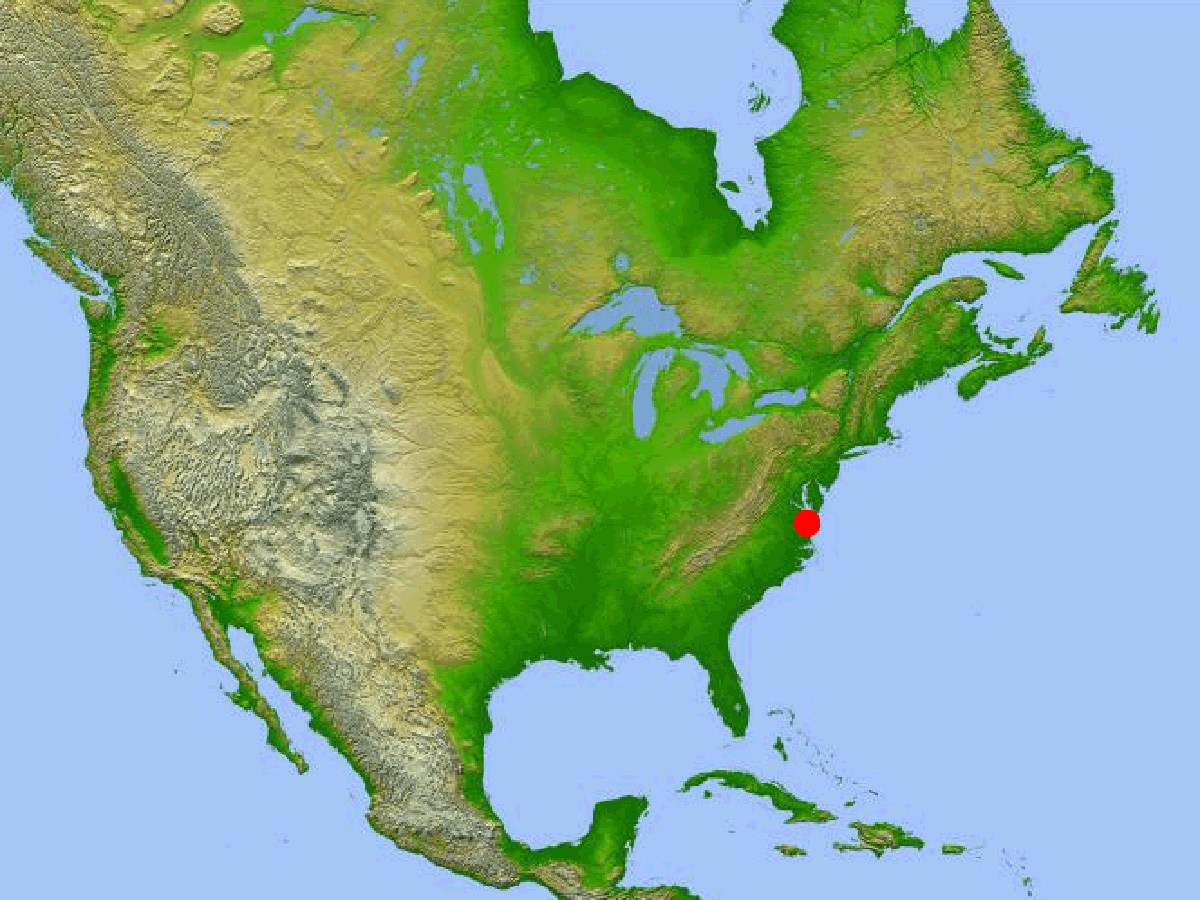
Another of these giant impact sites is the Chesapeake Bay impact structure, which is around 85km (53 miles) across and 35 million years old.
America’s capital city, Washington DC, about 200km (124 miles) away, lies very close to this giant impact crater.
But like the Vredefort structure in South Africa, when you visit, you won’t see anything: the structure is too big and too old, and has been eroded or buried.
The age of Earth's impacts
All impact craters on Earth are noteworthy in their own way.
The oldest, at 2.2 billion years old, is the highly eroded Yarrabubba structure in Western Australia, which was originally around 70km (43 miles) in diameter.
Until recently, the youngest was believed to be the 1.85km-wide (1.15-mile) Yilan crater in China, at just 49,000 years old.
But in 2025, shock metamorphic features were found in rocks in the Jinlin crater, also in China, confirming it as an impact crater.
It’s small at only about 0.9km (0.5 miles) across and its age is estimated at between 4,000 and 11,000 years old – making it a truly young crater, if confirmed.
Together, all these craters are traces of our connection to the Solar System – scars being steadily smoothed and hidden by our ever-changing planet.
