
Astronomers have discovered signs of a thin atmosphere surrounding an icy body beyond the orbit of Neptune – despite the object being far too small to theoretically retain one.
The finding challenges ideas about how distant Solar System bodies behave and evolve.
The object, known as (612533) 2002 XV93, lies in the Kuiper Belt and measures only around 500km (310 miles) across – far smaller than Pluto (at about 2,377km or 1,477 miles).
More Solar System science
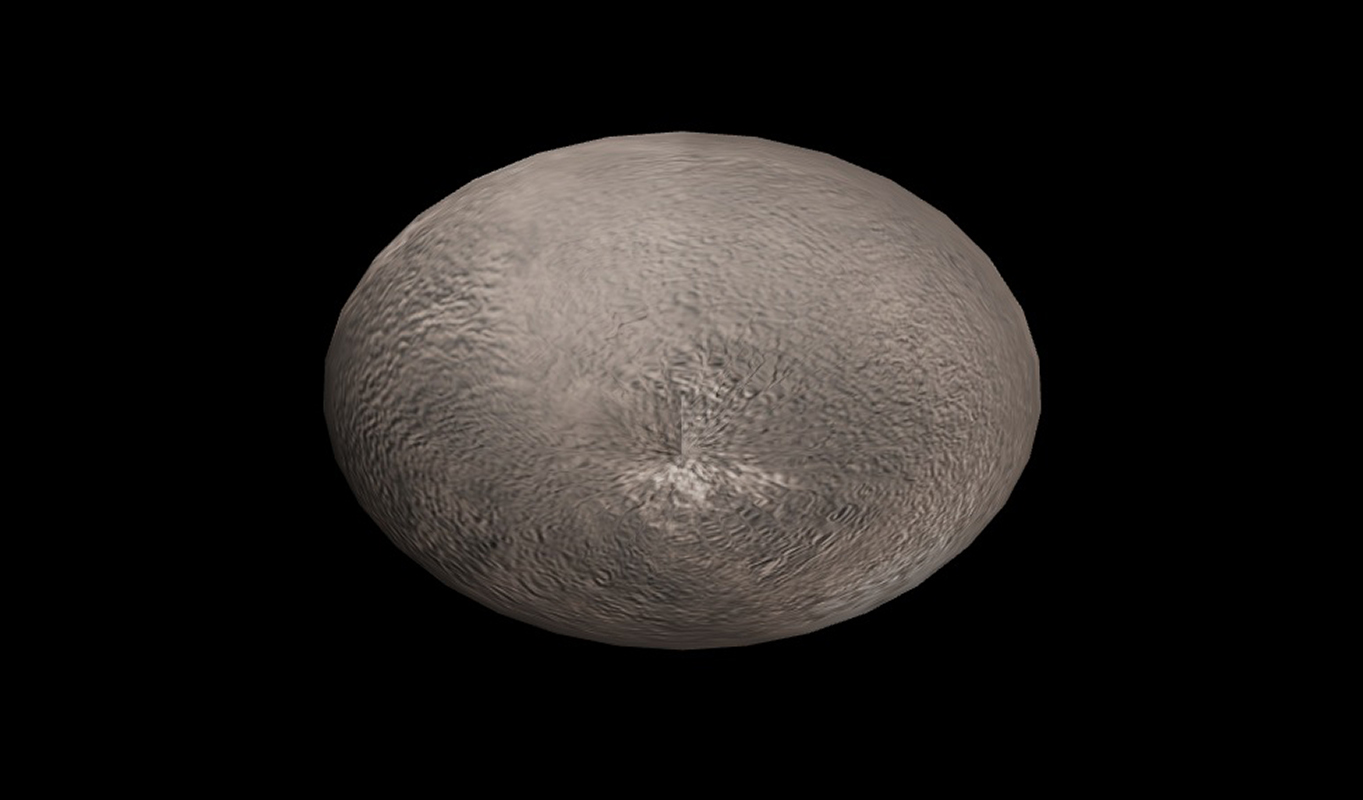
Scientists generally believe bodies this small lack sufficient gravity to hold onto an atmosphere for long periods.
The discovery was made by a team of professional and amateur astronomers led by Ko Arimatsu at the National Astronomical Observatory of Japan.
How the discovery was made
The researchers observed the object from multiple sites across Japan as it passed in front of a distant star in January 2024.
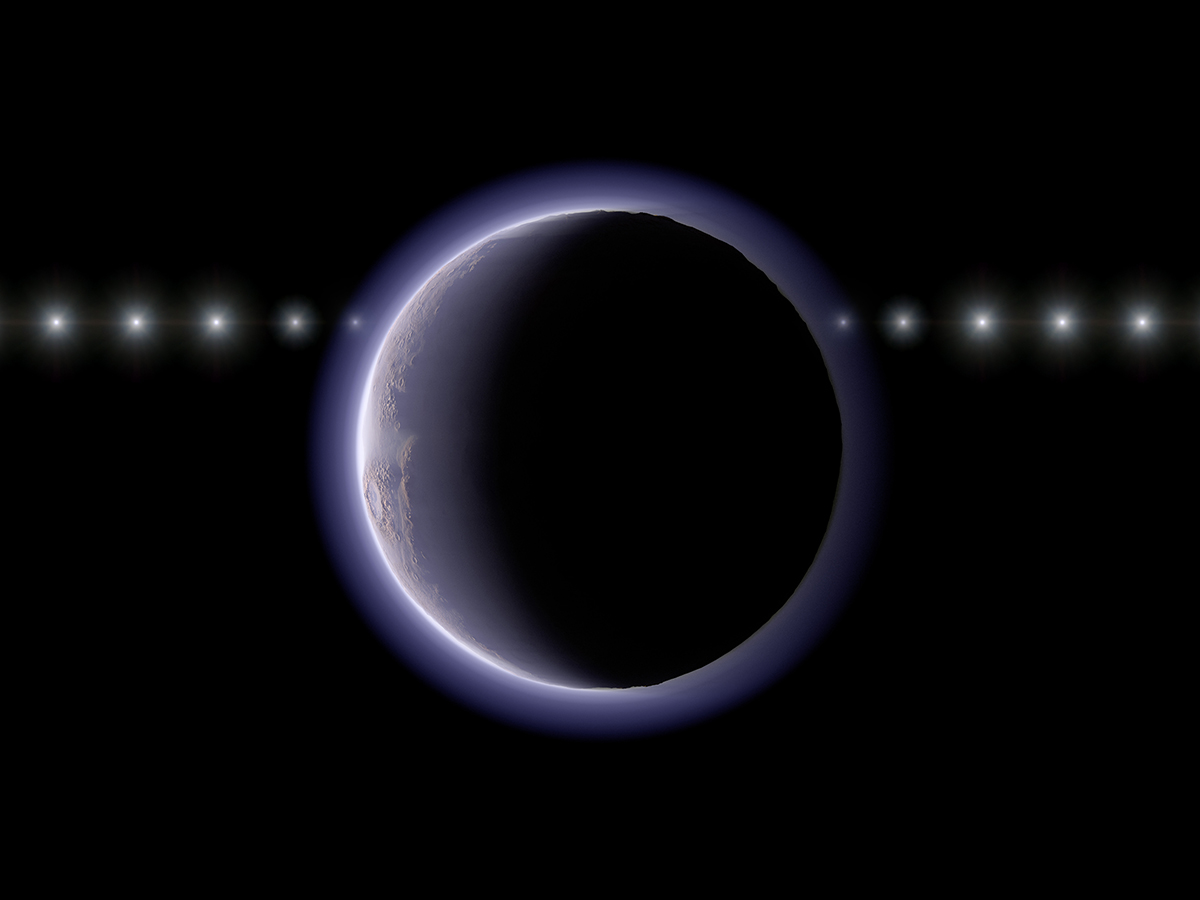
During such an event – known as a stellar occultation – astronomers can analyse how starlight changes as the foreground object moves across it.
A sharp disappearance suggests no atmosphere, while a gradual dimming indicates gas surrounding the object.
The team found that the data produced was consistent with atmospheric attenuation.
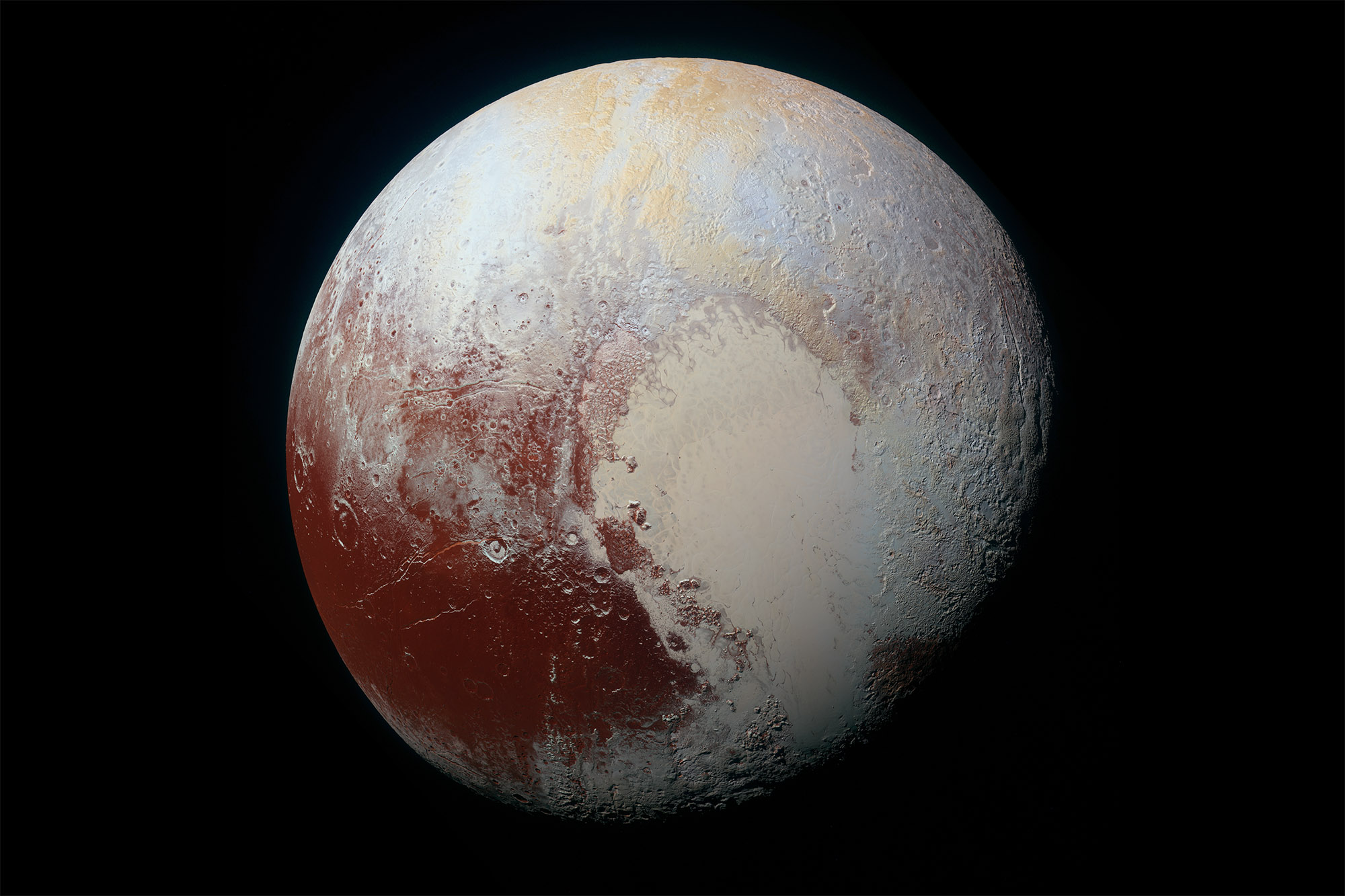
"A thin atmosphere has been observed around Pluto," the researchers say, "but studies of other trans-Neptunian objects (TNOs) have yielded negative results."
Calculations suggest any atmosphere around 2002 XV93 should survive for less than 1,000 years unless constantly replenished, implying it must have formed recently.
However, observations by the James Webb Space Telescope found no evidence of frozen surface gases that could slowly evaporate to sustain it.
Researchers propose two possible explanations: material from deep inside the object may recently have reached the surface, releasing gas; or a comet impact could have blasted material into space and temporarily created an atmosphere.
The study marks the first-ever detection of a potential atmosphere around a TNO other than Pluto.
Future observations should determine how the atmosphere formed and whether similar processes may occur on other distant icy worlds.

