
Astronomers have announced they've catalogued the 40,000th near-Earth asteroid.
The announcement marks a milestone in the detection of space rocks that orbit close to Earth and, scientists say, highlights the threat posed by space rocks to our home planet.
More Earth science
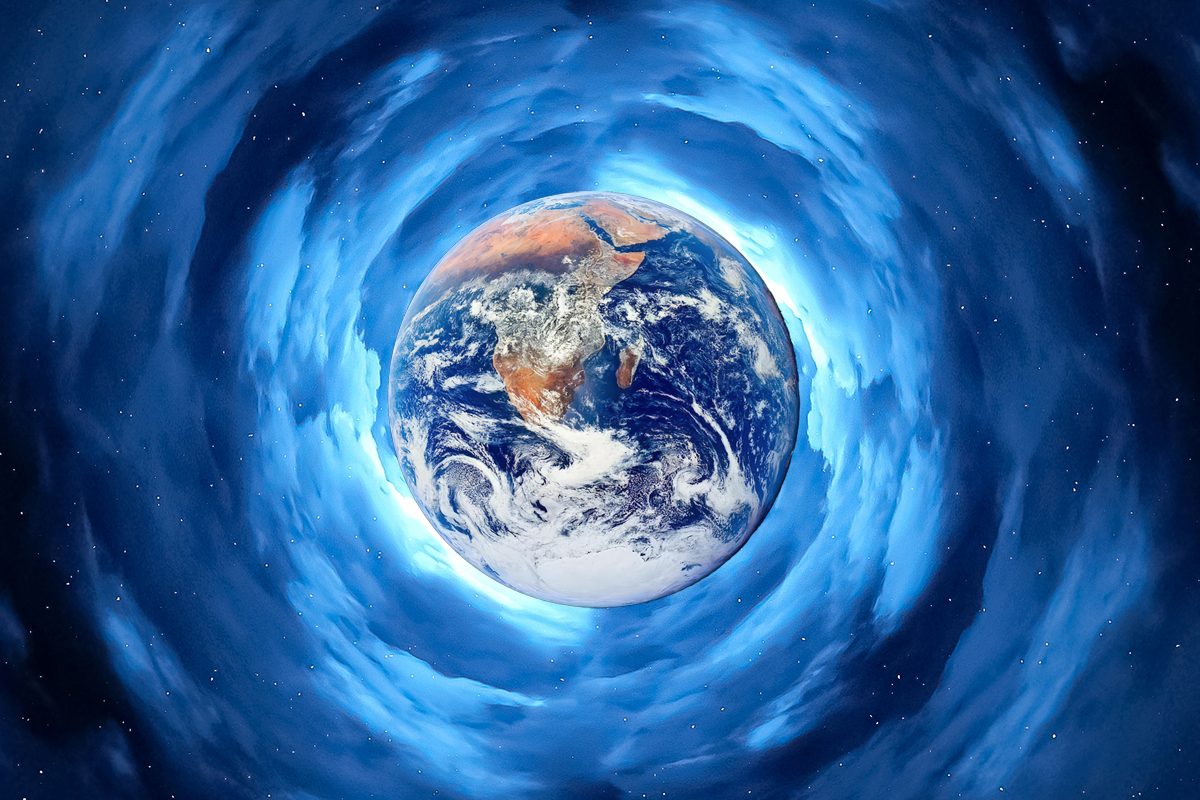
Near-Earth asteroids can range from a few metres to several kilometres across and travel on orbits that bring them relatively close to Earth.
This makes them objects of immense interest to both scientists and planetary defence experts.
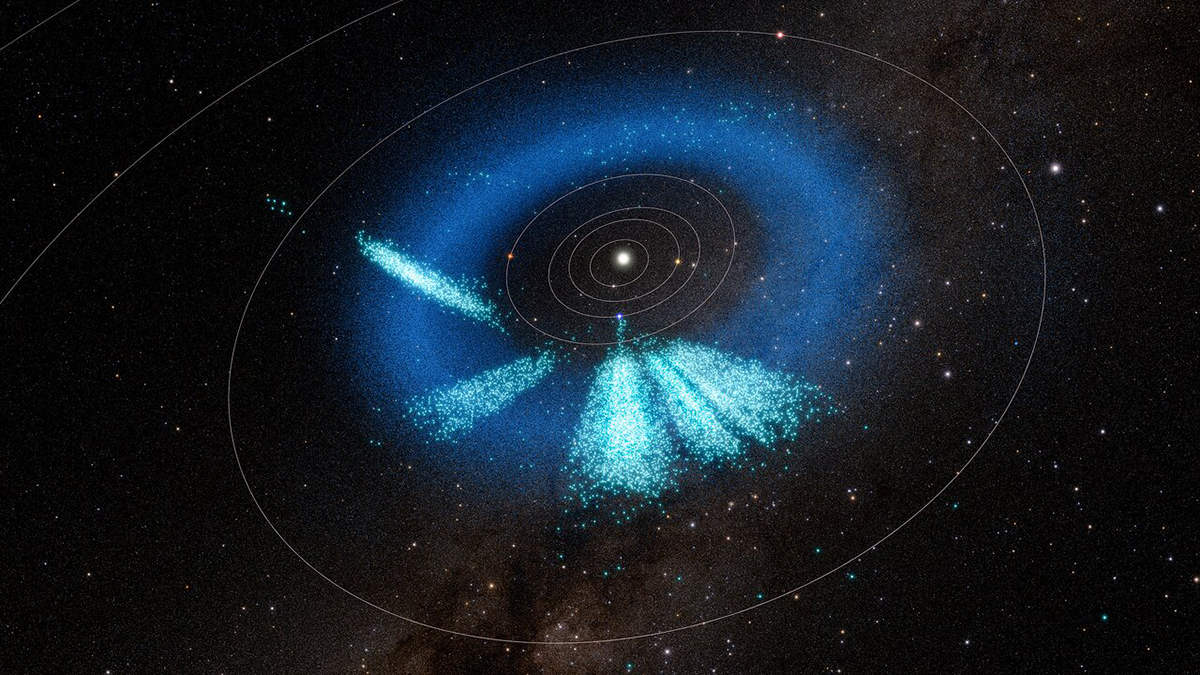
Near-Earth asteroids and why we watch them
An asteroid is a rocky remnant left over from the Solar System’s formation over 4 billion years ago.
Most asteroids in our Solar System are found in the main asteroid belt between Mars and Jupiter.
But a near-Earth asteroid has an orbit that brings it within about 45 million kilometres (28 million miles) of Earth’s orbit.
While that may sound like an enormous distance, it's nothing in cosmic terms, and close enough to make planetary defence teams keep a careful eye out.
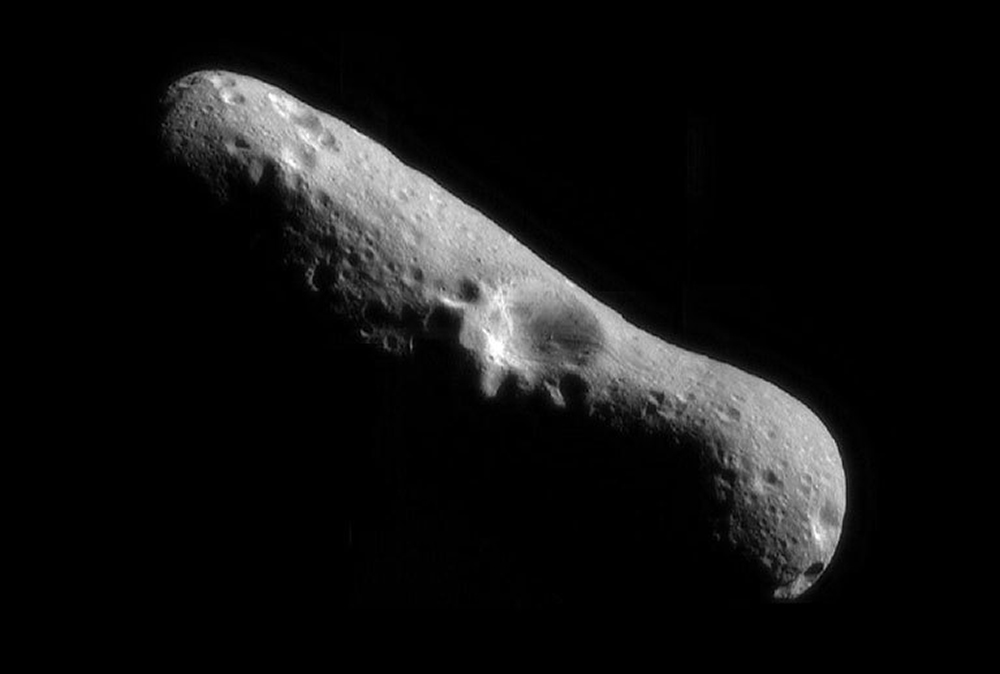
The first near-Earth asteroid to be discovered was Eros, discovered in 1898.
By the 1990s and 2000s, dedicated asteroid survey telescopes were ramping up the total number of known nearby space rocks.
By November 2025, the number of known near-Earth asteroids passed 40,000, with around 10,000 of those found in the last three years alone.
An explosion of discoveries
"The number of discoveries is rising exponentially, from one thousand at the beginning of the century to 15,000 in 2016 and 30,000 in 2022," says Luca Conversi, manager of ESA's Near-Earth Object Coordination Centre.
"As the next generation of telescopes enter operation, we expect the number of known NEAs to continue to grow at an even higher pace."
Upcoming observatories that scientists say will help increase the number of known near-Earth asteroids include:
- The Vera C. Rubin Observatory in Chile (inaugurated in 2025) which, while not dedicated solely to asteroids, could discover tens of thousands of new near-Earth asteroids and other small bodies
- ESA’s Flyeye telescopes, designed with wide insect-like fields of view to catch objects that slip by current surveys
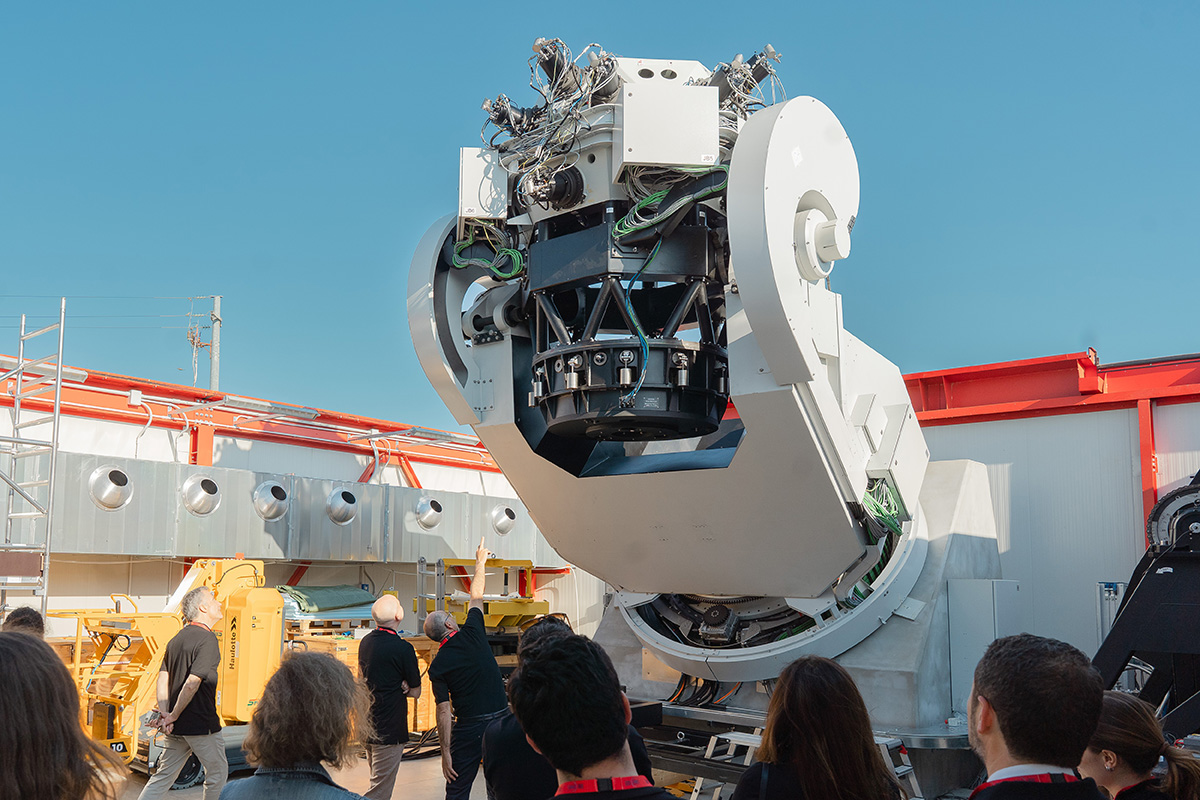
Risk assessment – should we be worried?
So what happens when a new near-Earth asteroid is found?
Once a discovery is made, scientists work to predict its path using all data gathered on the object across multiple observations.
There's even computer software that can use that information to predict an asteroid's orbit, years, decades or even centuries into the future, revealing whether it's likely to hit Earth.
Increased observations are able to refine the predicted trajectory of the asteroid, either increasing or decreasing the probability it will hit our planet (as was the case with asteroid 2024 YR4 earlier in 2025).
The European Space Agency says nearly 2,000 near-Earth-asteroids have a 'non-zero chance' of impacting Earth within the next century.
But most of these are small and pose no real danger.
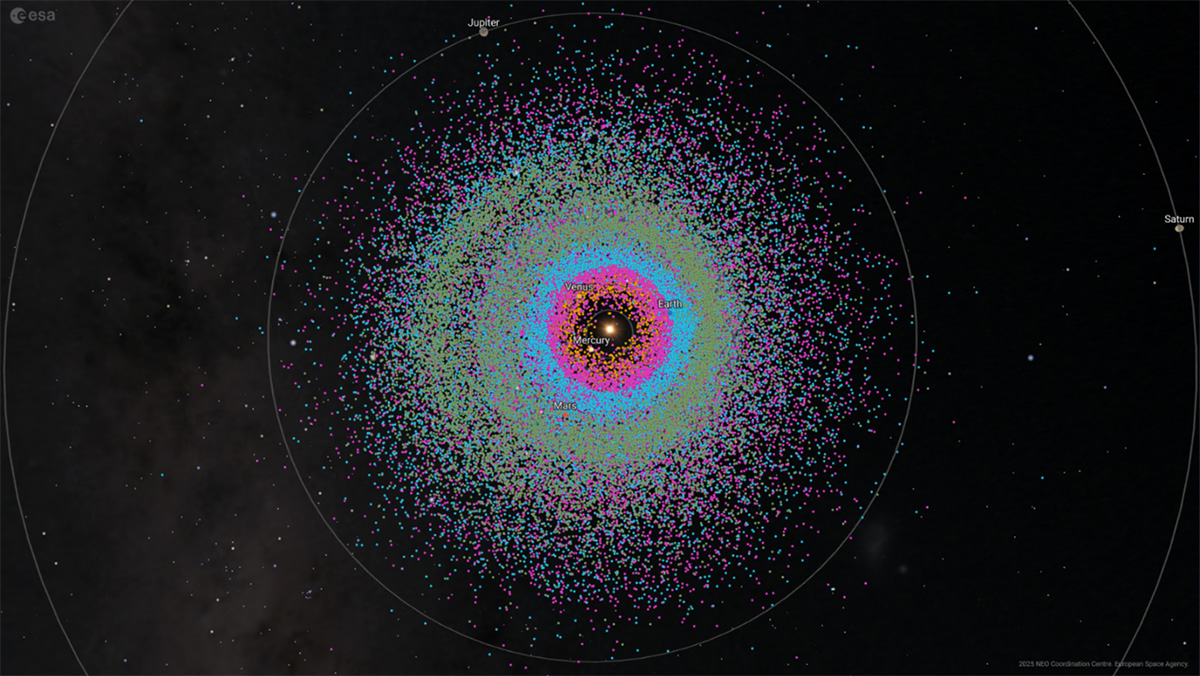
A new challenge – the mid-sized threats
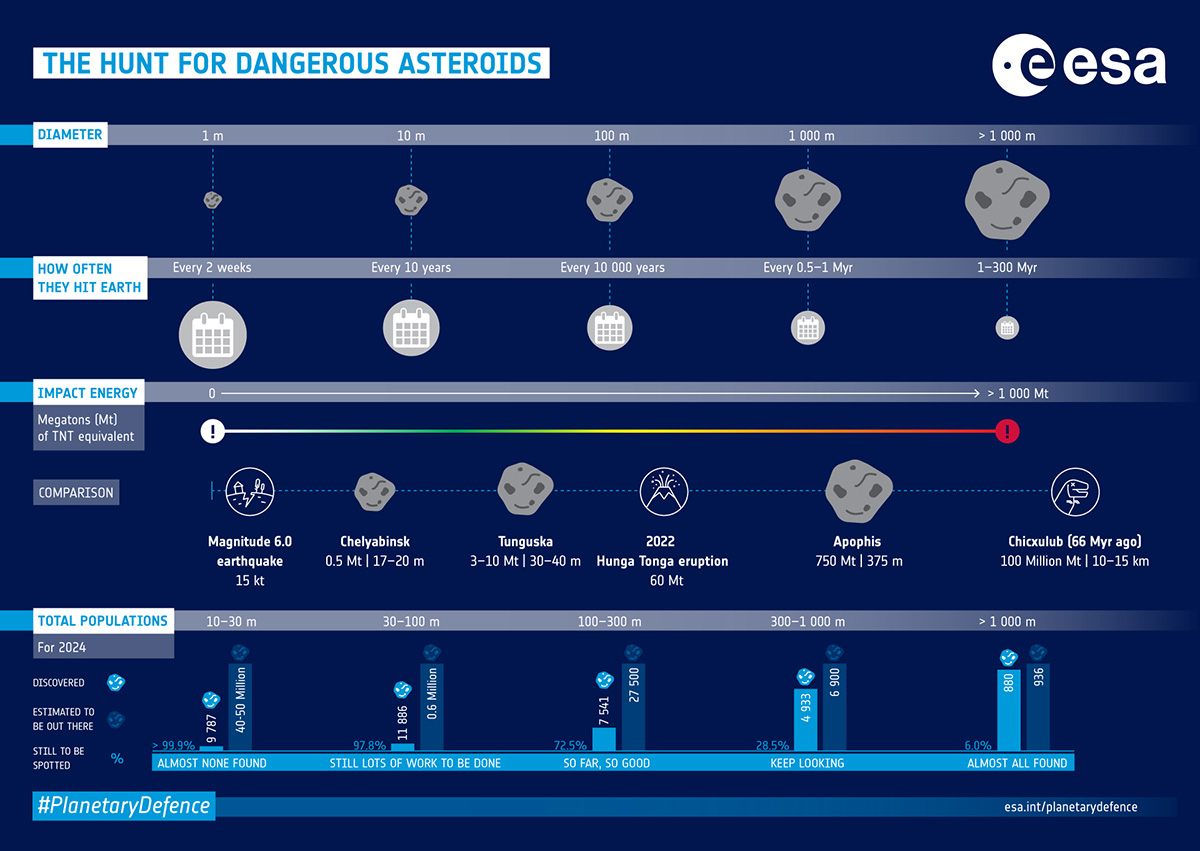
ESA says the largest NEAs (over 1 kilometre across) are easiest to detect. These would cause global damage if they hit Earth, but scientists say they're confident the vast majority have already been discovered.
Now the focus is on the mid-sized population, which are 100–300 metres across. These are harder to spot but could cause regional damage.
Current predictions suggest we've only found only about 30% of the mid-sized asteroids.
Since that discovery of Eros in 1989, humanity has catalogued a vast number of known near-Earth asteroids.
As scientists detect more and learn more about these nearby space rocks, it gives us a greater picture of the potential threat to our planet from space, and how to keep ourselves safe.

