
NASA has expanded its Artemis moon program, adding a mission to, it says, ensure the success of future long-term stays on the Moon.
The update integrates a heavy-lift cargo delivery designed to land large-scale equipment at the lunar South Pole before the arrival of human crews.
More on human spaceflight

The extra mission aims to address the challenges of sustaining a human presence 384,400 km (238,855 miles) from Earth.
By deploying habitats, power systems and scientific rovers ahead of time, NASA says it intends to transform the Moon from a destination for short-duration sorties into a functional base for deep-space exploration.

Changes to Artemis III
In the updated plan, Artemis III – which was to be the first crewed Moonlanding since Apollo – will no longer aim directly for landing on the lunar surface.
Instead, Artemis III will fly in low Earth orbit in 2027 to rehearse critical rendezvous and docking procedures with commercial lunar landers – a step akin to Apollo programme precedents.
The revamped plan marks a strategic shift from the original Artemis schedule, which aimed to land astronauts near the Moon’s south pole with Artemis III.

Instead, that mission will now focus on operational tests in low-Earth orbit, providing critical rehearsal of rendezvous and docking procedures before committing crews to lunar surface operations.
The core of this update centres on the Human Landing System (HLS) variants developed by commercial partners.
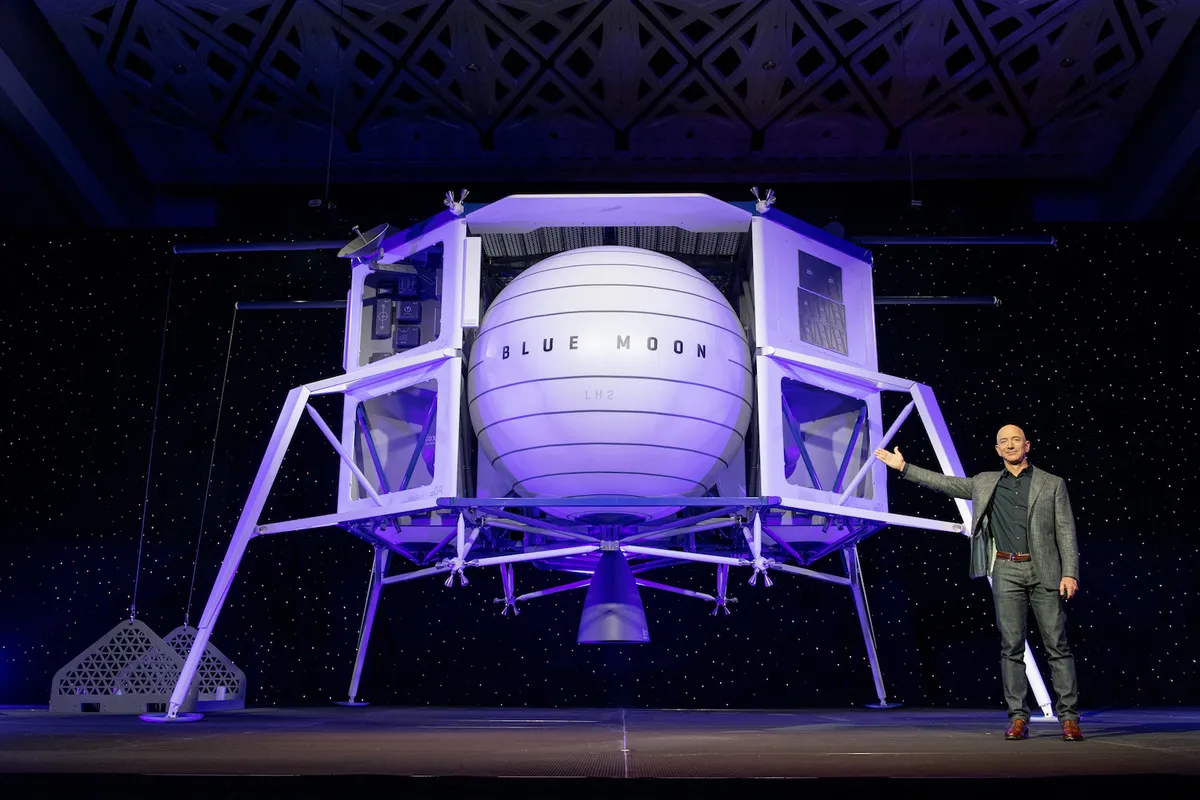
Under the revamped architecture, NASA will leverage the massive lift capacity of SpaceX’s Starship HLS and Blue Origin’s Blue Moon lander.
These vehicles are currently under contract to develop uncrewed cargo variants capable of delivering up to 15 tonnes of equipment to the lunar surface in a single trip.
Why NASA has changed the Artemis programme
"NASA must standardise its approach, increase flight rate safely, and execute on the President’s national space policy. With credible competition from our greatest geopolitical adversary increasing by the day, we need to move faster, eliminate delays, and achieve our objectives," says NASA Administrator Jared Isaacman.
"Standardising vehicle configuration, increasing flight rate and progressing through objectives in a logical, phased approach, is how we achieved the near-impossible in 1969 and it is how we will do it again.

"We are looking back to the wisdom of the folks that designed Apollo. The entire sequence of Artemis flights needs to represent a step-by-step build-up of capability, with each step bringing us closer to our ability to perform the landing missions.
"Each step needs to be big enough to make progress, but not so big that we take unnecessary risk given previous learnings."
Will China get there first?

The first crewed lunar landing of the Artemis era is now targeted for 2028 as part of Artemis IV, followed by a potential second landing later that year on Artemis V.
Together, these missions are expected to contribute to an enduring human presence on the surface of the Moon.
But the US facing lunar-landing competition from China's space agency, the China National Space Administration.
China has already shown it can safely land uncrewed missions on the Moon, the most recent being the Chang'e 6 lander in 2024, which sent back samples of moonrocks for study on Earth.

Like NASA and Artemis, China's space ambitions also involve landing crew and establishing a base at the Moon's south pole.
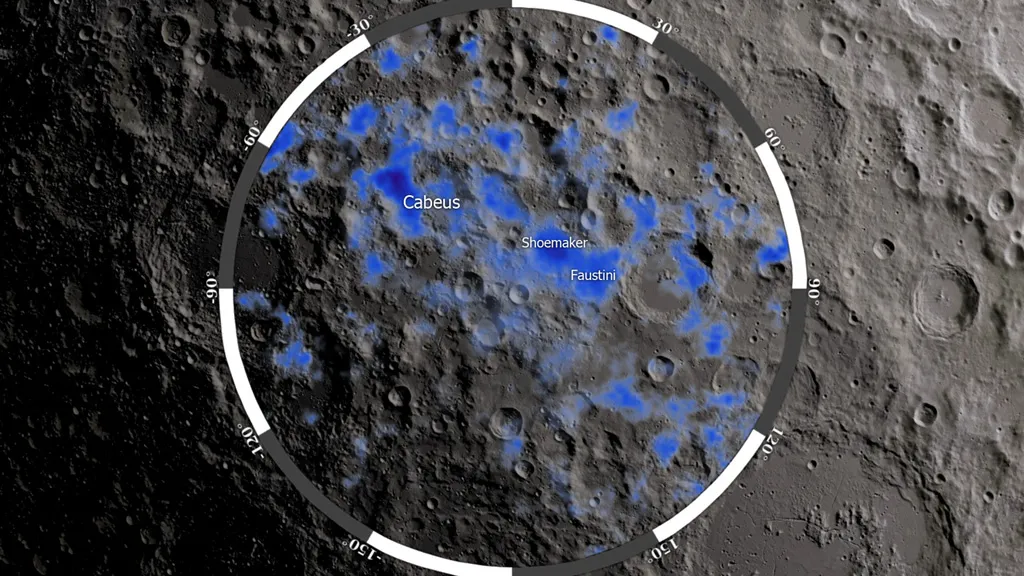
The lunar south pole is seen as strategically and scientifically important because it has permanently-shadowed regions where water ice has been detected.
Water could be of immense use to long-term human settlements on the Moon, as it can be used for everyday use, but also broken down to create oxygen for breathing and even rocket fuel that might propel an onward mission to Mars.
China is currently aiming to land humans on the Moon in 2030 which means, if NASA sticks to its 2028 landing target, the USA will still get there first.
But as we've seen with the Artemis programme thus far, set-backs and delays do happen, which could eventually mean NASA misses its 2028 landing ambitions.
While the reasons for pushing back deadlines – including adding an extra mission to the Artemis programme – are understandable, it could mean China eventually proves its spacefaring prowess even further by becoming the first nation to land humans on the Moon after Apollo.
Time will tell. But if history has taught us anything, it's that nothing in crewed spaceflight is ever certain.

