As space exploration moves towards the first crewed missions to Mars, several hazards to astronaut health need to be considered.
Cosmic radiation – high-energy particles spat out by the Sun – is being intensively studied, along with the effects of Mars’s reduced gravity.
But, according to Mavia Anjum and Gwendolyn Bart from the department of physics at the University of Idaho, another crucial hazard has received far less attention: the toxicity of the Martian surface itself.
More on Mars
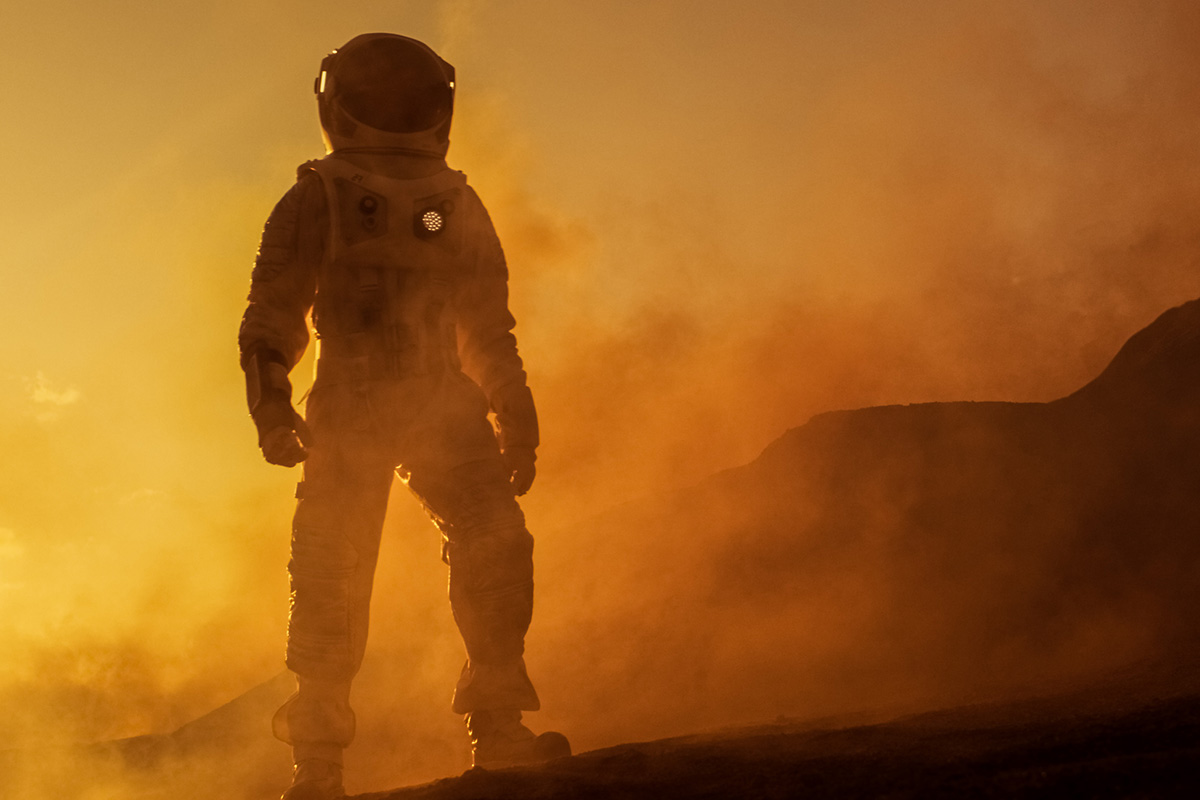
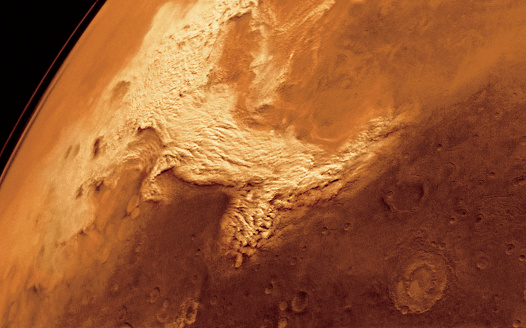
Why Mars is so poisonous
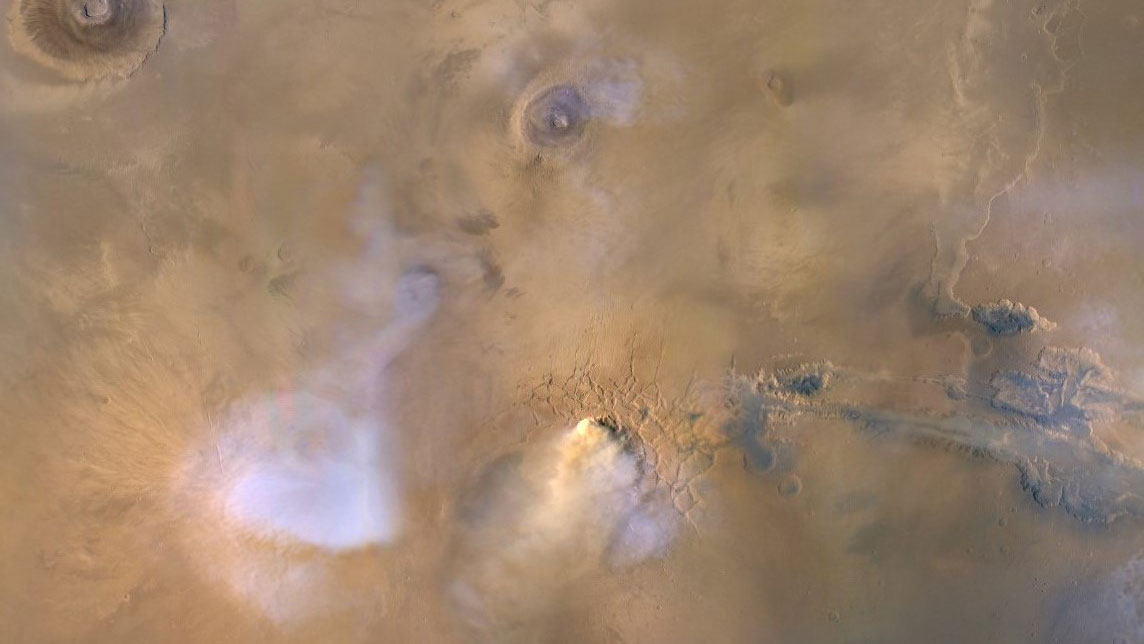
Mars has a very different geological history to Earth and the absence of processes such as plate tectonics means certain metals are present in much higher concentrations.
Many heavy metals are harmful through chemical toxicity or by causing cancer. Lead poisoning, for example, damages the brain and nerves, digestive tract and kidneys.
Anjum and Bart argue that Martian dust, such as that brought into the airlock on astronauts’ spacesuits, can disperse and contaminate surfaces throughout the habitat.
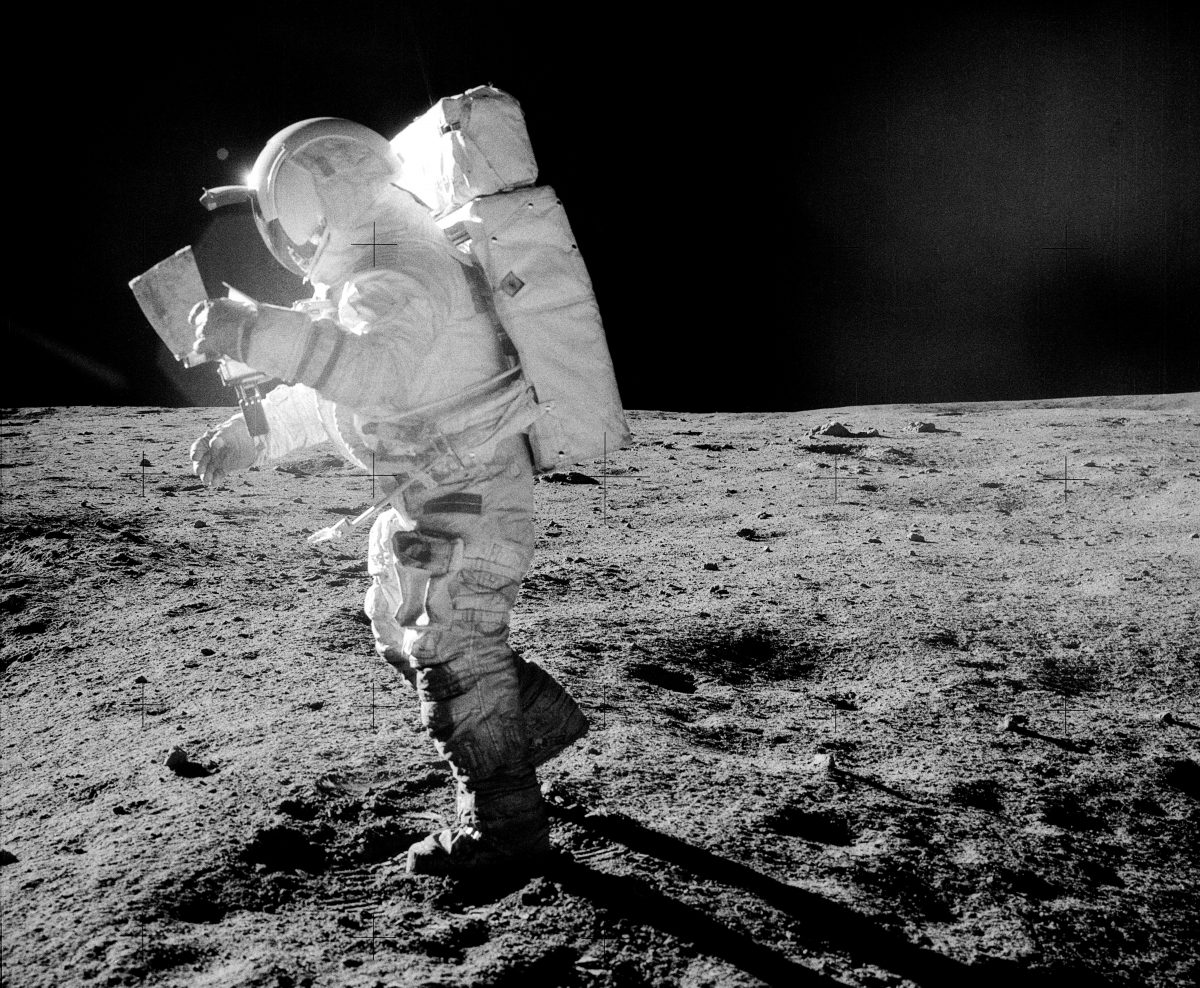
Once the dust is inside, astronauts can be exposed via three main routes: eating, inhaling or direct skin contact.
They estimate that astronauts may ingest around a tenth of a gram of Martian dust every day, accounting for around 90% of total exposure.
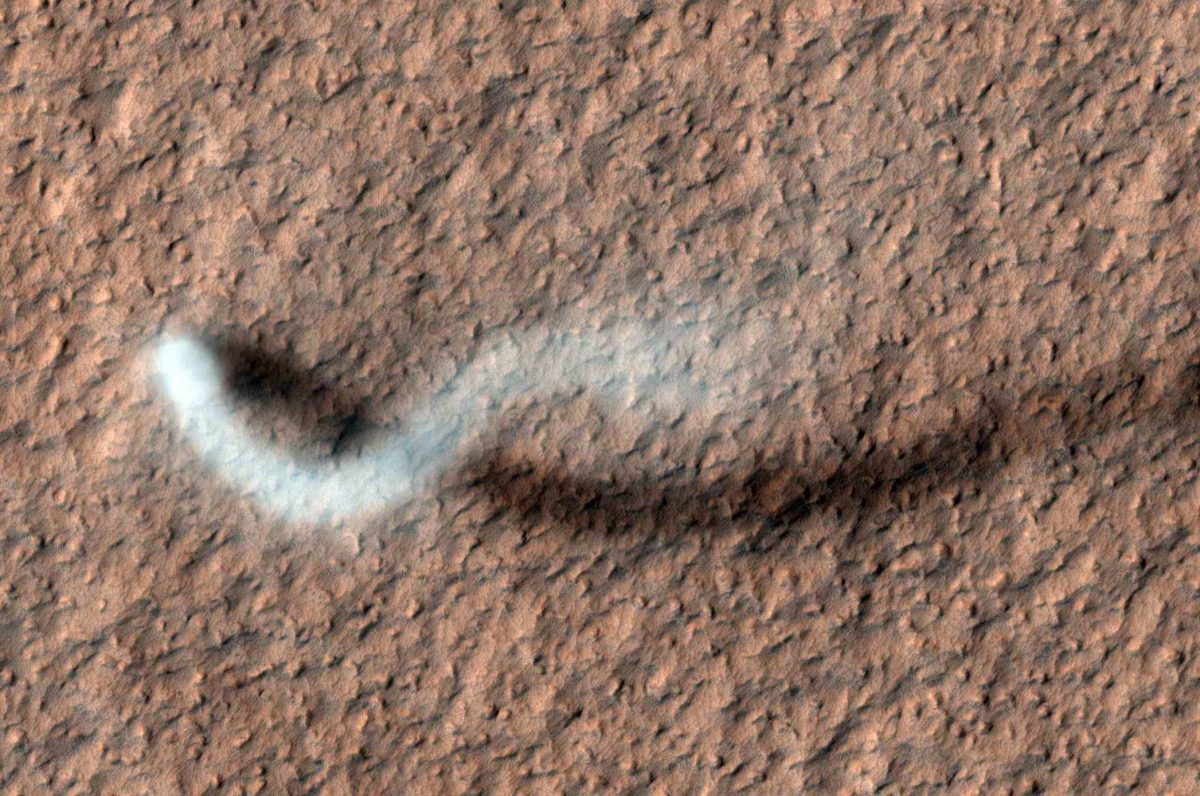
Inhalation is also a significant risk. The tiny size of Martian dust particles, coupled with the planet’s lower gravity, mean that dust remains lofted in the air for much longer and can be breathed deep into astronauts’ lungs.
Testing the toxicity
But which heavy metals are the most concerning, and how can the hazard be minimised?
The researchers considered a 70kg (11-stone) adult astronaut on an 18-month surface mission, calculating the risk posed by different heavy metals, based on their concentration in Martian dust and their potency as either a toxin or carcinogen.
They found the most critical health risk is posed by chromium. Levels are around 140 times higher
in Martian regolith and wind-blown dust than in Earth’s crust.
Without plate tectonics, this metal hasn’t been transferred deeper into the Red Planet’s interior.
Chromium is both carcinogenic and toxic, damaging the lungs, digestive tract, liver and kidneys.
Anjum and Bart identified cobalt as the second-biggest toxicity hazard, and nickel as a significant cancer risk.
The study shows just how big a threat Martian chemistry is to safe human exploration, but also that the risks can be substantially reduced through careful mission design.
After astronauts return from the surface, their suits and the airlock would need thorough dust decontamination.
HEPA (High-Efficiency Particulate Air) filters, already used in hospitals and factories, can remove 95 per cent of dust suspended in the air.
But even with these safeguards, they calculate chromium levels inside the habitat would remain problematically high.
Astronauts would also need to take medicinal countermeasures, including high doses of vitamin C to combat the effects.
Mars is an alien planet indeed, a place where even the soil is poisonous.
But it seems fitting that part of the solution may lie with vitamin C: it protected seafarers centuries ago from scurvy, and could safeguard future space explorers too.
Lewis Dartnell was reading… Geochemical Hazard Assessment of Martian Regolith for Future Human Exploration by Mavia Anjum and Gwendolyn D Bart Read it online at: arxiv.org/abs/2608.28805