
The Royal Observatory Greenwich has officially opened entries for ZWO Astronomy Photographer of the Year 2026, the world’s premier astrophotography competition – and this year’s contest is shaping up to be bigger than ever.
With entries open from 5 January to midday on 2 March 2026, the contest invites photographers worldwide to submit up to 10 of their best night-sky images of 2025 for a chance to be named Astronomy Photographer of the Year.
See past winners
The overall winner will take home £10,000, with category winners earning £1,500, runners-up £500 and highly commended entries awarded £250.
Open to all ages and experience levels, the competition celebrates both technical excellence and artistic creativity. There’s also a category for under 16s.
Find out more about each category, see last year's winners and get all the info on how to enter, below.

Key dates
- Competition opens: 5 January 2026
- Entry closing date: 2 March 2026
- Entrance fee: £10 for 10 entries; free for special prize categories/under 16s
- How to enter and rules: see the official website at www.rmg.co.uk/astrocomp
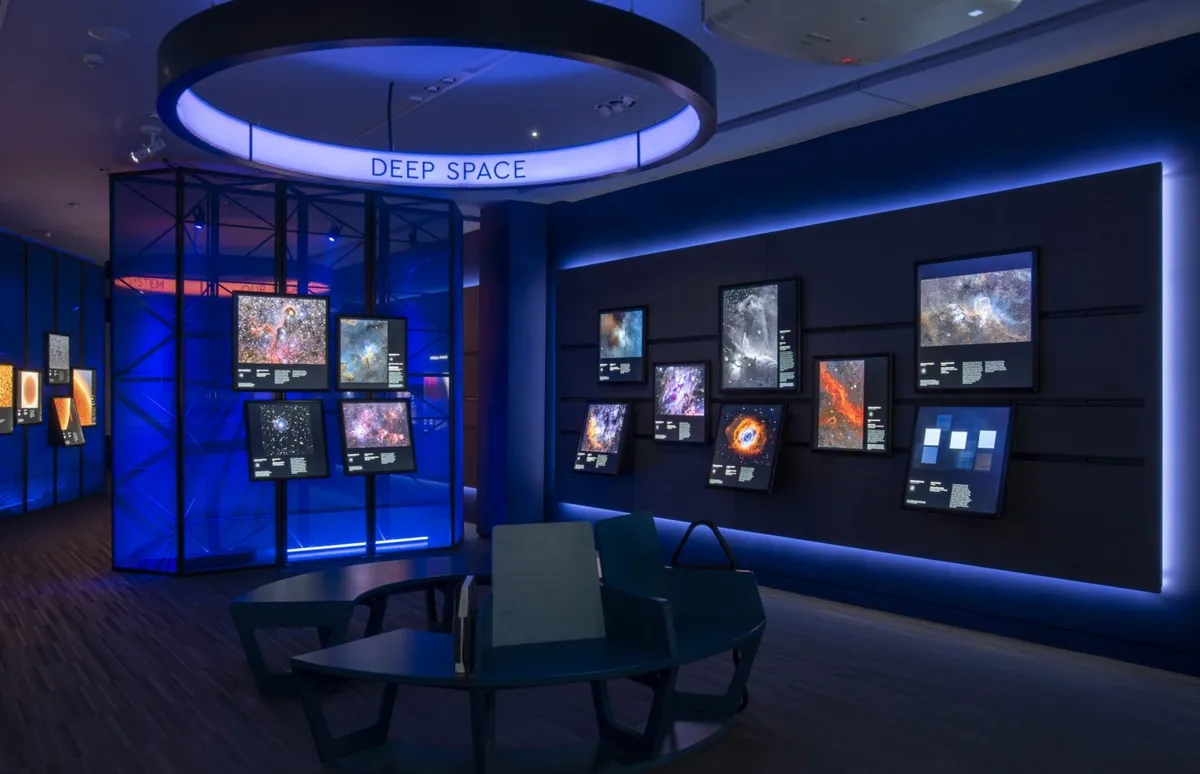
An exhibition of the winning images will go on show at the National Maritime Museum, London.
Categories
Planets, Comets and Asteroids

Cracking comets, interstellar oddity 3I/ATLAS, stormy Jupiter and Mars’s retrograde motion near the Beehive Cluster all made it an exciting year for Solar System observers. If you managed to capture a great shot, this is the category for you.
Aurorae

The Sun’s recent surge in activity offered a great opportunity to capture some truly spectacular aurora displays. If you caught the aurora borealis or australis dancing across the sky, here’s your chance to show off your most stunning results.
People and Space

The People and Space category highlights the strong connection with the night sky that we all feel. This award will go to a truly creative image that places our human experience in the greater context of the Universe around us.
Skyscapes

A beautiful landscape or cityscape set against a stunning night-sky background can make an amazing image. If you’ve got a photo that brilliantly combines land and sky, be sure to enter this hotly contested category.
Our Moon

Our celestial neighbour is always a great subject for astrophotography, particularly with last year’s occultations and total eclipses. If you’ve captured a photo of the Moon in all its glory, this category is here to celebrate your efforts.
Our Sun

The Sun has been very active this past year, with high levels of flares, coronal mass ejections and intense geomagnetic storms. There’s never been a better time to capture great solar shots (with the proper filters, of course). Enter them here.
Stars and Nebulae

This award seeks out the finest examples of close-up images of stars and nebulae. Here’s your chance to showcase the incredible explosions of colour and detail astrophotography can produce, in a way the naked eye can never see.
Galaxies

If last year you managed to capture light that has journeyed for millions of years from deep‑space galaxies and galaxy clusters beyond the Milky Way – in all their astonishing variety – be sure to enter your photos for this award.
ZWO Young Astronomy Photographer of the Year

Being young is no boundary to taking amazing astrophotos. This special category looks to encourage the great photographers of the future. If you are under the age of 16, you can enter your photos for free for a chance to win this award.
Special Prize: Best Newcomer

Have you just started trying out astrophotography in the past year? This category is especially for you. Open to amateurs who have never entered the competition before, it recognises those who are just beginning their exciting journey of exploring the cosmos through a lens.
Special Prize: Annie Maunder Open Category

Celebrating creative, data-driven astrophotography, entries here can use any astronomical data of your own or from public datasets. Note: AI-generated or artificial data is not eligible. Find more details at the Royal Museums Greenwich Annie Maunder Open Category webpage.
Get more information about how to enter the 2026 competition via the Astronomy Photographer of the Year website.

