
An astronaut on the International Space Station has captured an amazing video showing wisps of aurora dancing above Earth.
The video was captured by European Space Agency astronaut Sophie Adenot during the 139th day – and 2,155th orbit – of her εpsilon mission.
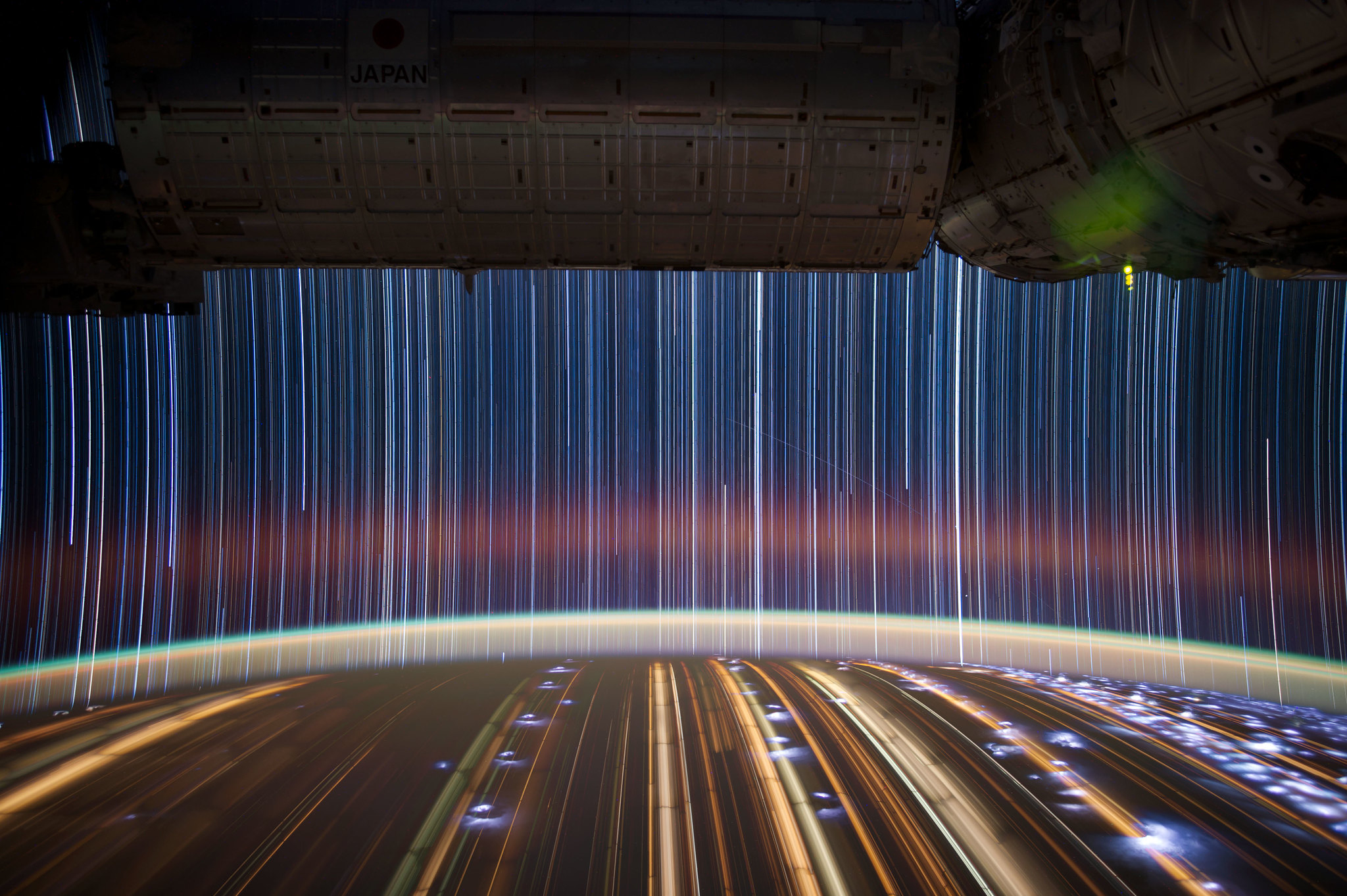
In the video, we can see the apparent rotation of Earth from space caused as the International Space Station passes around our planet during its orbit.
Then streams of bright green begin swirling across the dark, night-time side of the planet below.
Aurora displays like these are caused by powerful eruptions from the Sun reacting with particles in Earth's atmosphere.
While we're normally used to seeing images of aurora displays captured from the ground, images and photos from the International Space Station show that they can indeed be seen from space.
"I'm so happy to finally share the timelapse of the most spectacular aurora of the εpsilon mission so far," Adenot posted on social media.
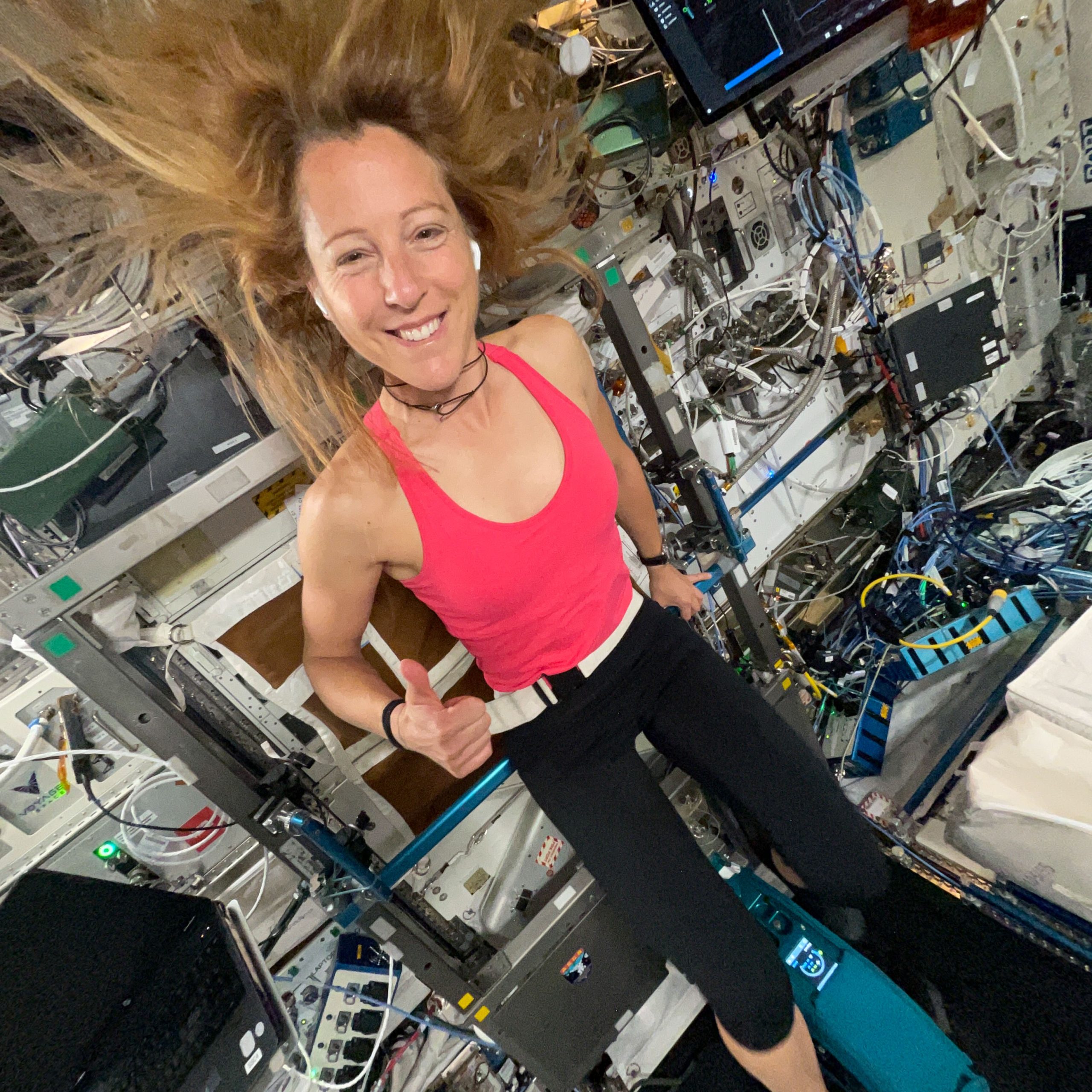
"Watching this glowing green ribbon shimmer and dance, it's easy to lose yourself completely in the magic of the moment.
"Turn the sound on for the full experience – the music was carefully chosen to bring you as close as possible to what I felt watching this from space."
More Earth from space
Adenot's mission is named εpsilon because, according to the European Space Agency, in mathematics, ε represents a small quantity, and the mission is intended to represent how small contributions can have pronounced effects over time.
The French astronaut's mission began on Friday 13 February 2026 when she launched aboard a SpaceX Dragon capsule from Florida, USA, docking with the Space Station the following evening.

