
Northerly states in the USA are likely to have increased displays of the Northern Lights tonight, Friday March 6, 2026 and into the weekend.
Several northern US states and Canada are in line for aurora displays this weekend, potentially making for a beautiful, naked-eye event for stargazers inspired by this week's total lunar eclipse.
More aurora science

The National Oceanic and Atmospheric Administration's (NOAA) Space Weather Prediction Center has issued a G1 (Minor) geomagnetic storm watch, due to the emergence of a high-speed solar wind.
This could cause aurora displays to be visible at more southerly latitudes than usual.

What causes the aurora
The aurora – known as the Northern Lights in the Northern Hemisphere – is a result of how our active, turbulent Sun interacts with our home planet's magnetic field.
The Sun is continuously bombarding the planets of the Solar System with a stream of charged particles known as the solar wind.
Sometimes the Sun is more active than at other times, and the peaks and troughs of solar activity follow an 11-year pattern known as the solar cycle.
We're currently just past the peak of a solar cycle, which is why we've seen increased aurora displays in recent years.
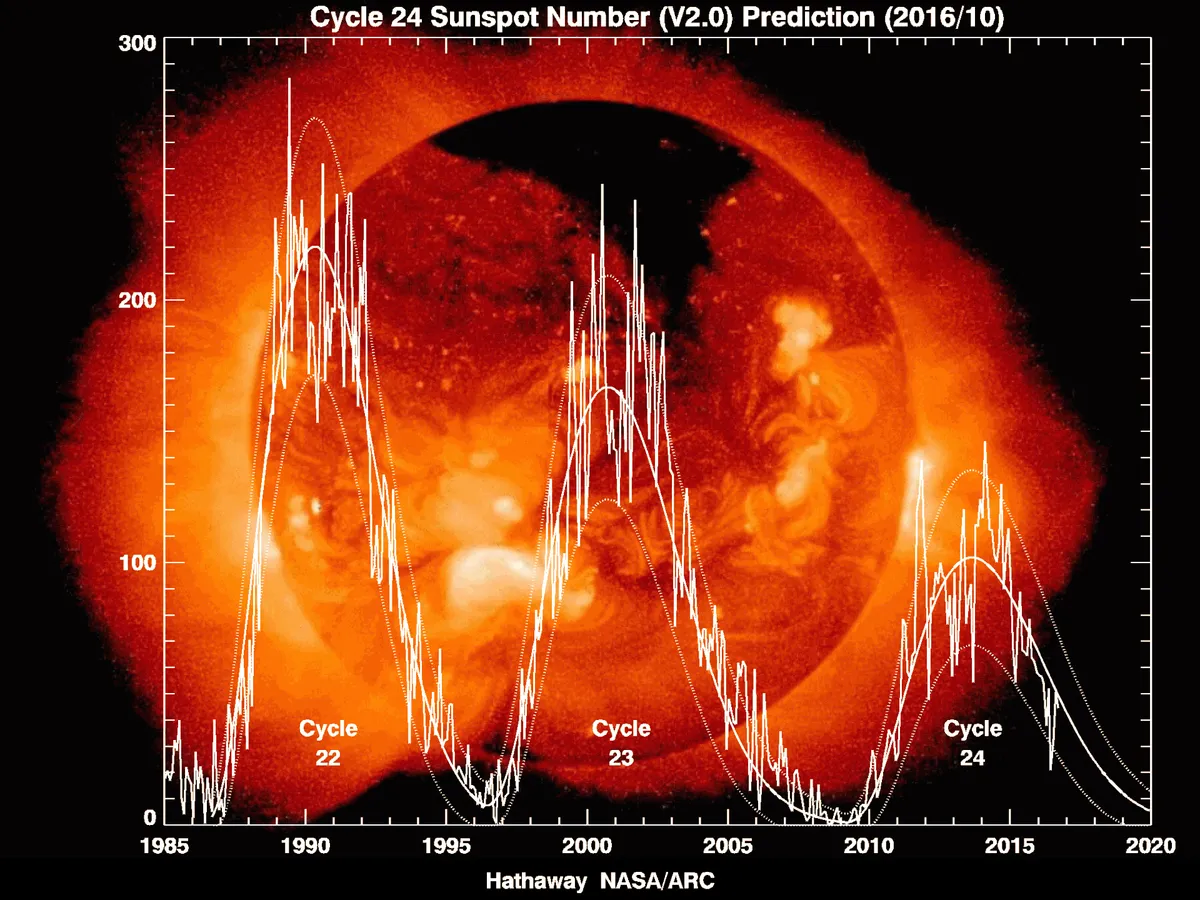
During the peak of a solar cycle, there's an increased chance of events like coronal mass ejections (CMEs) and coronal holes, generating solar storms.
Earth is protected from the Sun by its magnetosphere, an invisible magnetic shield.
But when a solar storm does hit Earth, our planet's magnetic field lines funnel solar particles toward the North and South Poles, generating the beautiful wisps of colour that we call the 'aurora'.
That's why aurorae are normally seen in high-latitude regions like Alaska or Scandinavia.

Aurora chances over the weekend 6–8 March 2026
The effect of the Sun's power across the Solar System is known as space weather, and just like meteorological weather on Earth, scientists have got pretty good at forecasting it.
NOAA forecasters expect the Planetary K-index (Kp) – a measure of geomagnetic activity – to reach 4.67 (G1 level) late on Friday, March 6, 2026. That's more than enough to generate aurora displays.
At a Kp of 4 to 5, aurora may be seen low on the northern horizon in US states near the Canadian border.
The best viewing window is predicted between 22:00 and 02:00 local time, when geomagnetic activity typically peaks.
Under current G1 conditions, residents these US states have a good chance of seeing the aurora, provided the skies are clear:
- Alaska
- Washington
- Idaho
- Montana
- North Dakota
- South Dakota
- Minnesota
- Wisconsin
- Michigan
- Maine

The equinox effect
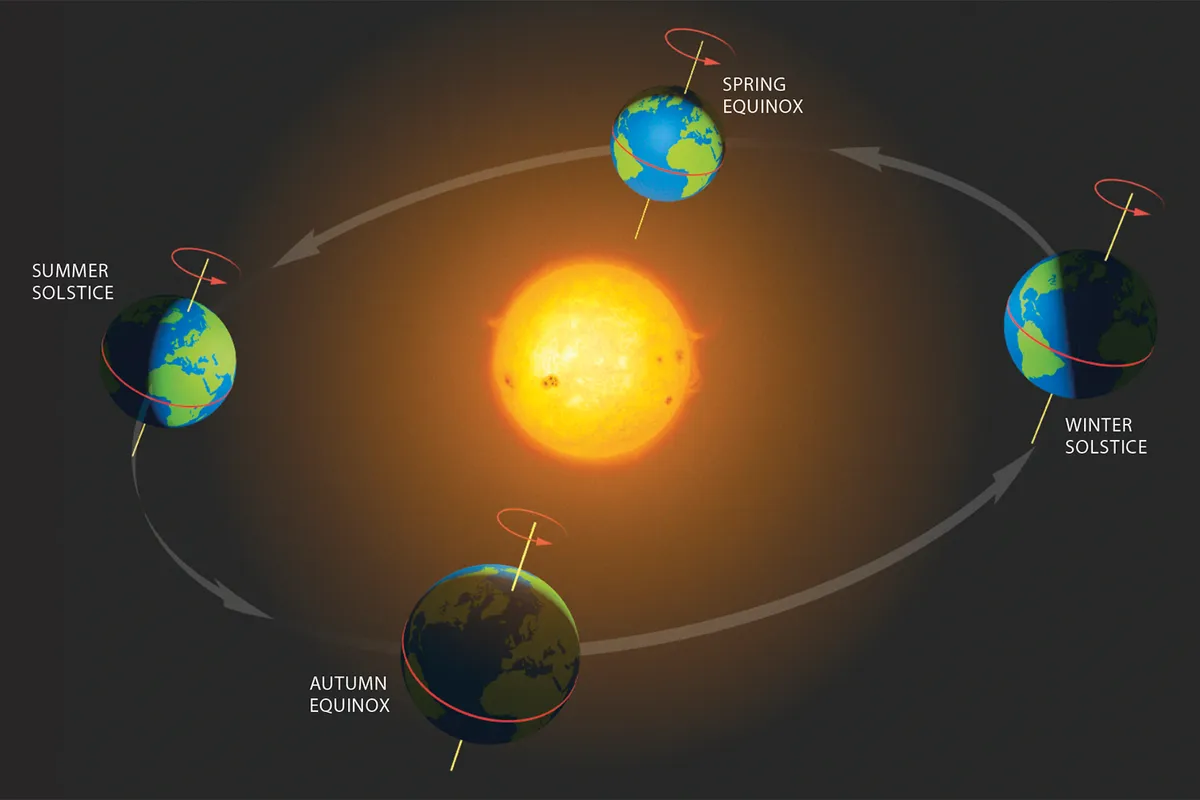
Some of the best times to see aurora displays on Earth are around the March and September equinoxes, meaning March/April and September/October can bring heightened activity.
This is known as the Russell-McPherron effect, named after two scientists who noticed the aurora-equinox pattern.
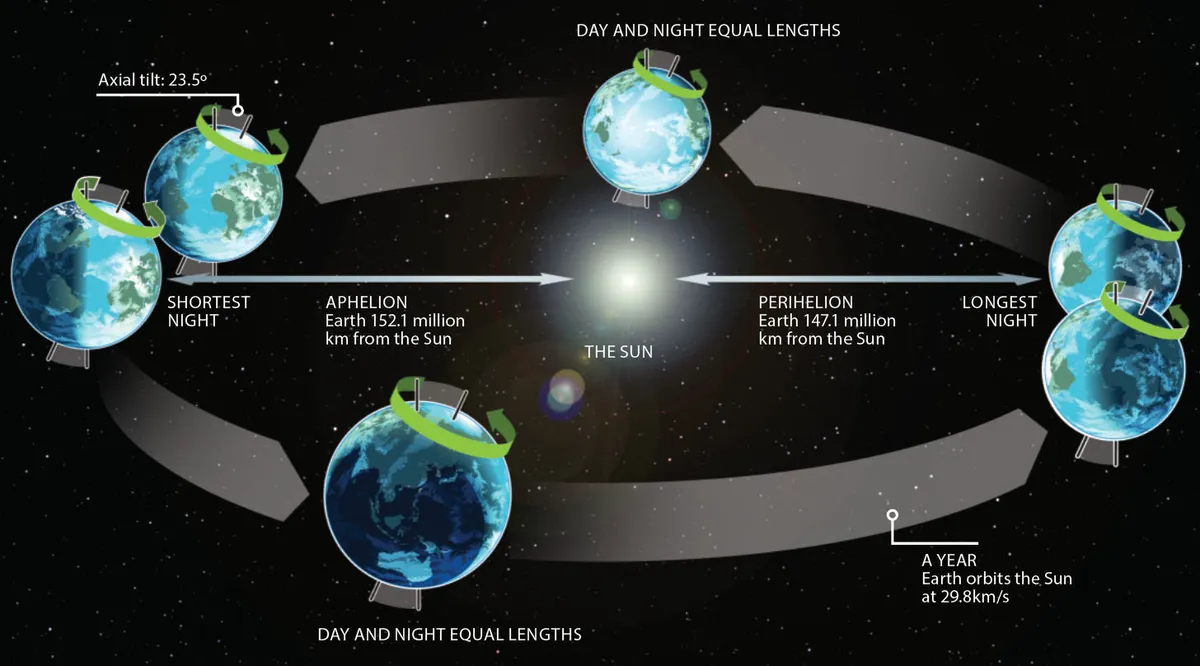
The reason is to do with Earth's tilt on its axis and how our planet orbits the Sun.
Around the time of the two equinoxes, the Sun and Earth's polarities – their north or south poles – line up in opposite directions.
When this happens, more charged particles coming from the Sun are able to pass into Earth's atmosphere, and we get more chance of seeing an aurora display.
Aurora viewing tips
North is the best direction to look for the aurora in the Northern Hemisphere.
If you live in a town or a city, it's good advice to get away from light pollution to a darker spot, as this will enable you to better see any aurora activity.
Wait until the Sun has set and look towards the northern horizon.
The best time to see the aurora in North America is generally between 22:00 and 02:00, local time.
Unfortunately the Moon will be big and bright during peak aurora time this weekend, but it will be in the southern part of the sky, so may not affect your views to the north too much.

Online resources for predicting aurora
- NASA Solar Dynamics Observatory
- Flare Aware
- Tamitha Skov (YouTube)
- SpaceWeather.com
- aurora-alerts.uk
- Aurora Watch UK
- UAF Aurora Forecast
- Space Weather Prediction Center
If you see or photograph the aurora this weekend, share your observations and images with us by emailing contactus@skyatnightmagazine.com

