Gravity is something that we’re all innately familiar with. It keeps our feet on the ground, fights against a rocket trying to leave Earth and governs the movement of the planets and stars.
And yet, gravity is something that most of us do not fully understand. General relativity, the best theory of gravity that we have, is complicated and doesn’t operate effectively at all scales.
Crush: Close Encounters with Gravity sounds like it would be a book only about the extremes of gravity, with lots of crazy maths thrown in. Nope.
What sets it apart from the usual popular science titles about gravity is that author James Riordon – a science journalist and senior science writer with NASA’s Earth Science News team – spends a good part of the book looking at our personal relationship with gravity.
SQUIRREL_14068773
You may not have considered, for example, why the most enormous creatures to ever exist on Earth live in the oceans; or why the location of the heart in an aquatic snake, a land snake and a tree snake differs; or whether humans are born with a predisposition to fear heights. It really does make for interesting reading.
But any book about gravity would be incomplete without discussions of black holes, the fate of the Universe and quantum gravity, and this one doesn’t disappoint.
Crush doesn’t go into great depth, but it does give the reader a good taste of these concepts and more.
It has a wonderful conversational tone that makes it very understandable, as you would expect from Riordon.
Read more
At times, it’s not immediately obvious how the topics he picks are relevant to the overall story he wants to tell, but it all makes sense once you get to the book’s closing chapters.
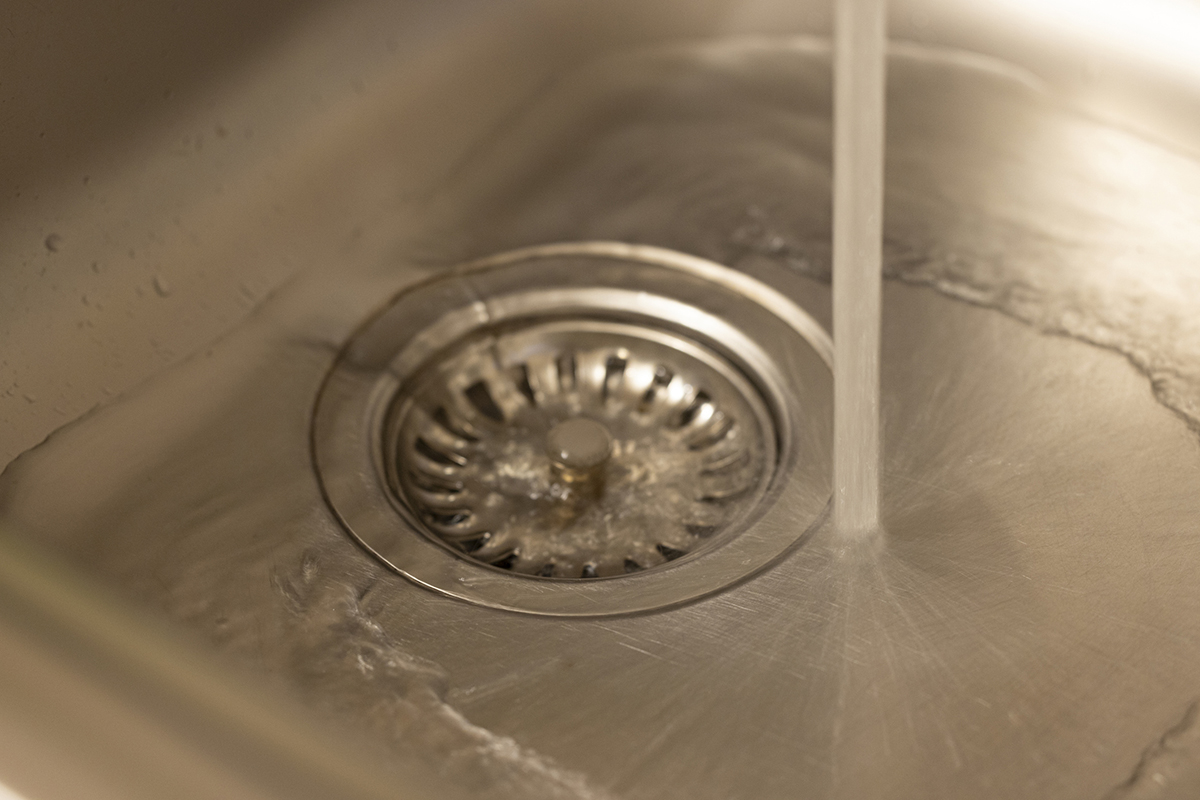
One of the best sections is the experimental appendix, which describes how to observe extreme gravity in a kitchen sink. Definitely give it a go!
Given its title, Crush could cover just about anything to do with gravity.
We’re of course guided from Newton to Einstein, but we also get to learn about leaping nematodes, spherical cows and linear snakes.
This is a well-written, thought-provoking read on a much-misunderstood topic.
Q&A with the author: James Riordon
Tell us some of your favourite facts about gravity
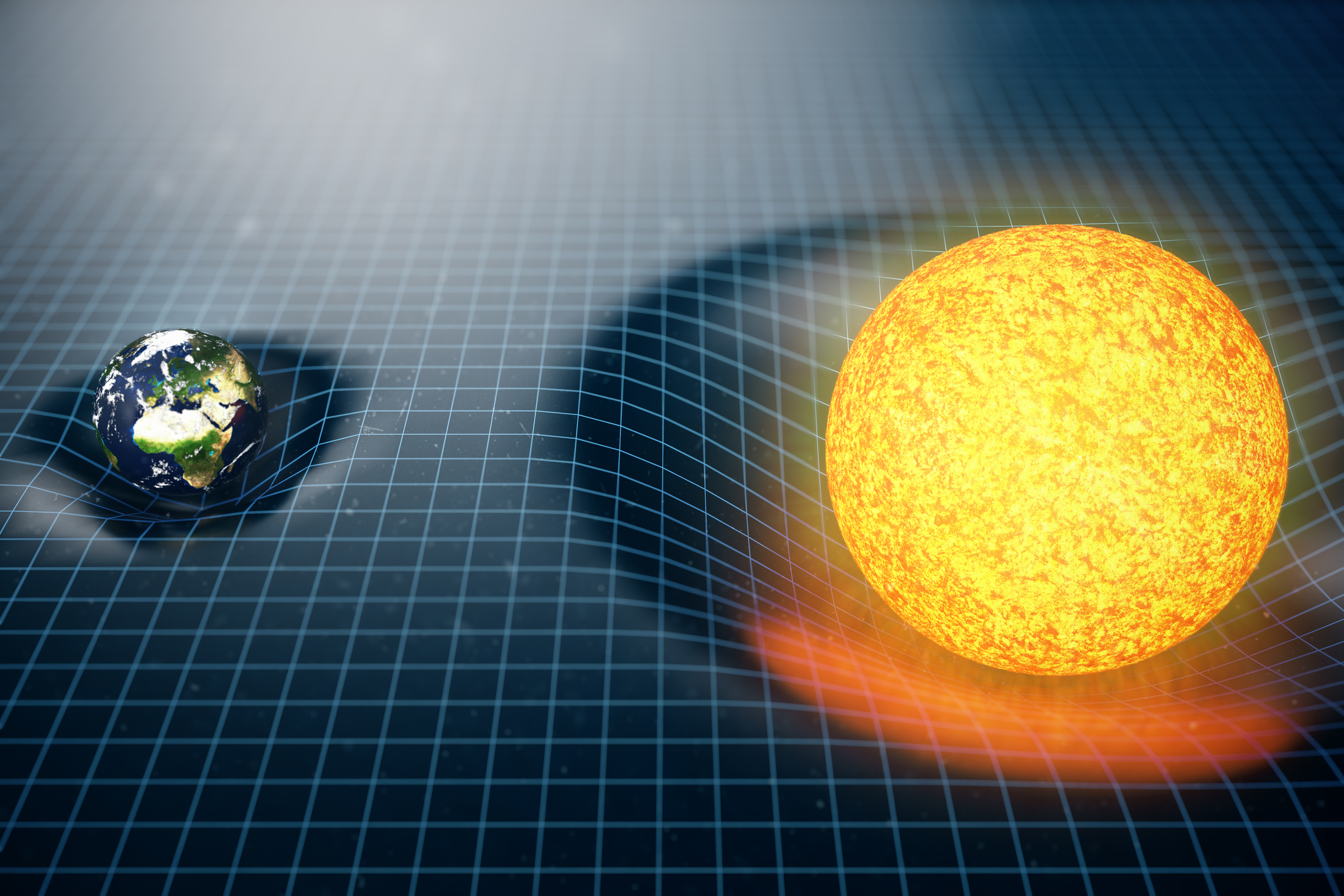
At the top of the list, gravity isn't really a force. The mass of Earth, for example, doesn't pull you down in the way Newton envisioned it.
Instead, it changes space and time, which affects your motion and the force you feel as the planet's surface pushes you upward.
Gravity has no limits. Mass in one place affects space and time infinitely far away. It can take an infinitely long time to do it because the effects of mass ripple through space at the speed of light, but it will get there eventually.
Gravity is just right for life. If it were slightly weaker, the stars wouldn't shine and the Universe would be a cold, dark, and lifeless place.
If gravity were slightly stronger, the Universe would have collapsed soon after the Big Bang, without leaving enough time for life to emerge.
You can study general relativity in your kitchen sink.
The rules that govern gravity are the same that describe many types of water flow, which means you can get a good idea about what’s going on inside a black hole with experiments you can do in a sink at home.
Do we know what gravity is?
We understand very well how gravity works, thanks to Einstein, but we also know it can’t be the whole story.
Gravity and quantum mechanics disagree where things get extreme – inside black holes and at the beginning of the Universe.
Most scientists guess there’s a Theory of Everything (TOE) that includes both gravity and quantum mechanics, and resolves the puzzling conflicts between the two.
It's also a mystery why gravity is so weak compared to other forces in nature. Uncovering a TOE that will solve gravity's puzzles is one of the greatest challenges in the history of science.
How might life on Earth look if gravity were even slightly different?
If the Earth were a little bigger, we would be heavier. That would make the danger that comes with falling over more extreme, and we would probably be shorter and stockier than humans are now.
If the planet were smaller, we would likely be taller and more slender. Oddly enough, scientists suspect that more creatures would evolve to fly on a larger planet because the atmosphere would be denser, making flight easier.
So, while we might be shorter and stockier on a larger Earth, we'd also be more likely to evolve wings!
Having written the book, do you think of gravity in a different light?
I do. Gravity is much more important than I once thought for shaping our minds, bodies and the environment all around us.
We exist largely because of gravity's influence on the Universe.
It's the one force that we are constantly aware of, from the first time we lift our heads as infants to the final time we lie down at the end of our days.
And yet, it is the most mysterious of the forces. It's amazing to me that gravity can simultaneously be so familiar and so strange.
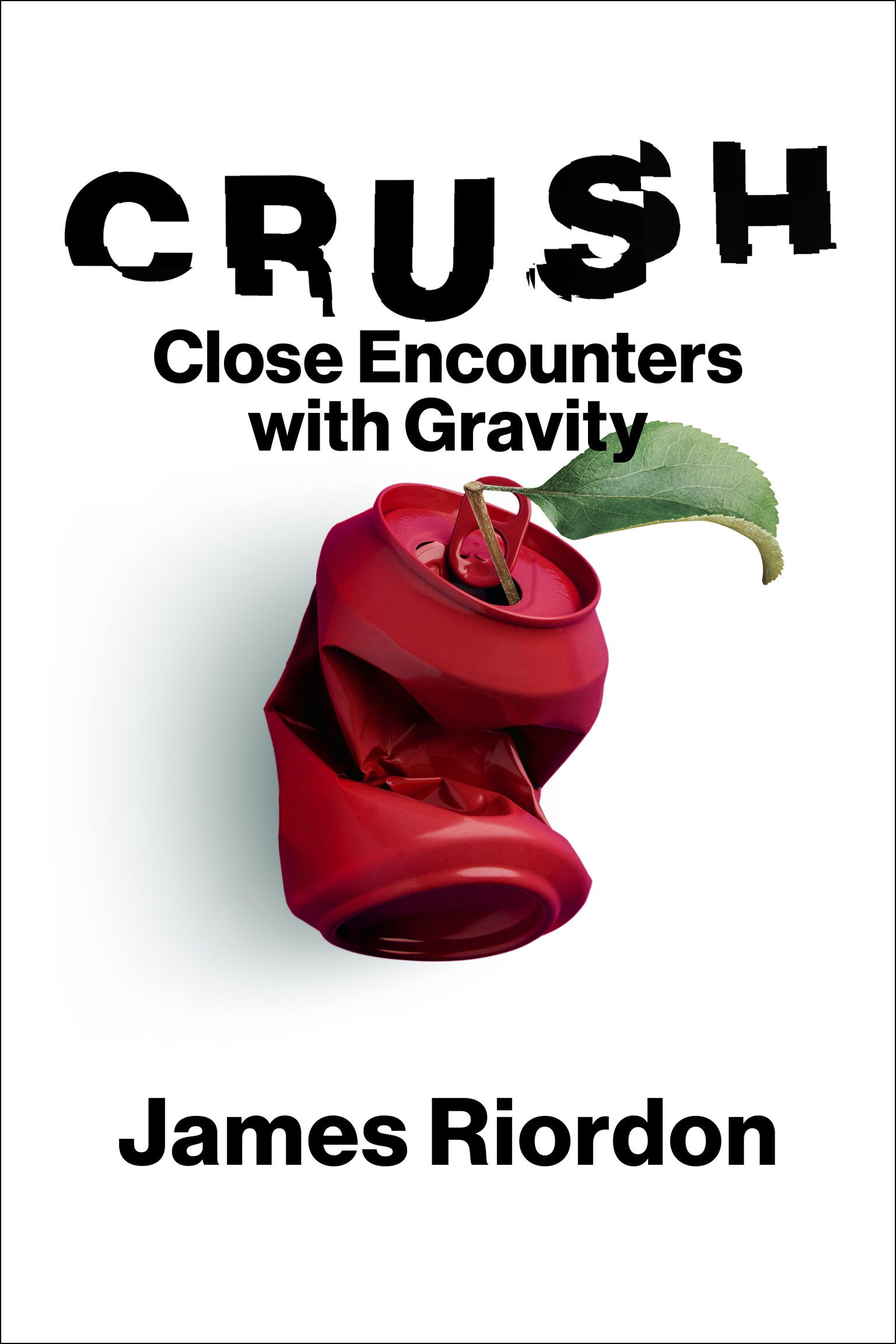
Crush: Close Encounters with Gravity by James Riordan is published by MIT Press