
The amount of artificial satellites in the sky is getting worse and, if left untempered, will brighten the night sky so much, astronomers will struggle to study the Universe and continue to make discoveries.
That's the key takeaway from a European Southern Observatory study that found current proposals to launch over 1.7 million satellites into orbit would have "devastating consequences for astronomy."
The study says no more than 100,000 faint satellites – satellites that can't be seen with the naked eye – should be in orbit around Earth at any time.
Such a limit would, say the study authors, ensure astronomers can continue to observe the night sky, unravel the secrets of the Universe, search for alien life and detect hazardous asteroids.
Read more
Satellites out of control?
The problems around artificial satellites distorting our view of the night sky are well-known among astronomers.
While an increase in artificial satellites has improved connectivity around the world, including bringing internet access to rural, remote communities that previously could not access it, astronomers continue to point out how satellite trails are obscuring our view of the night sky.
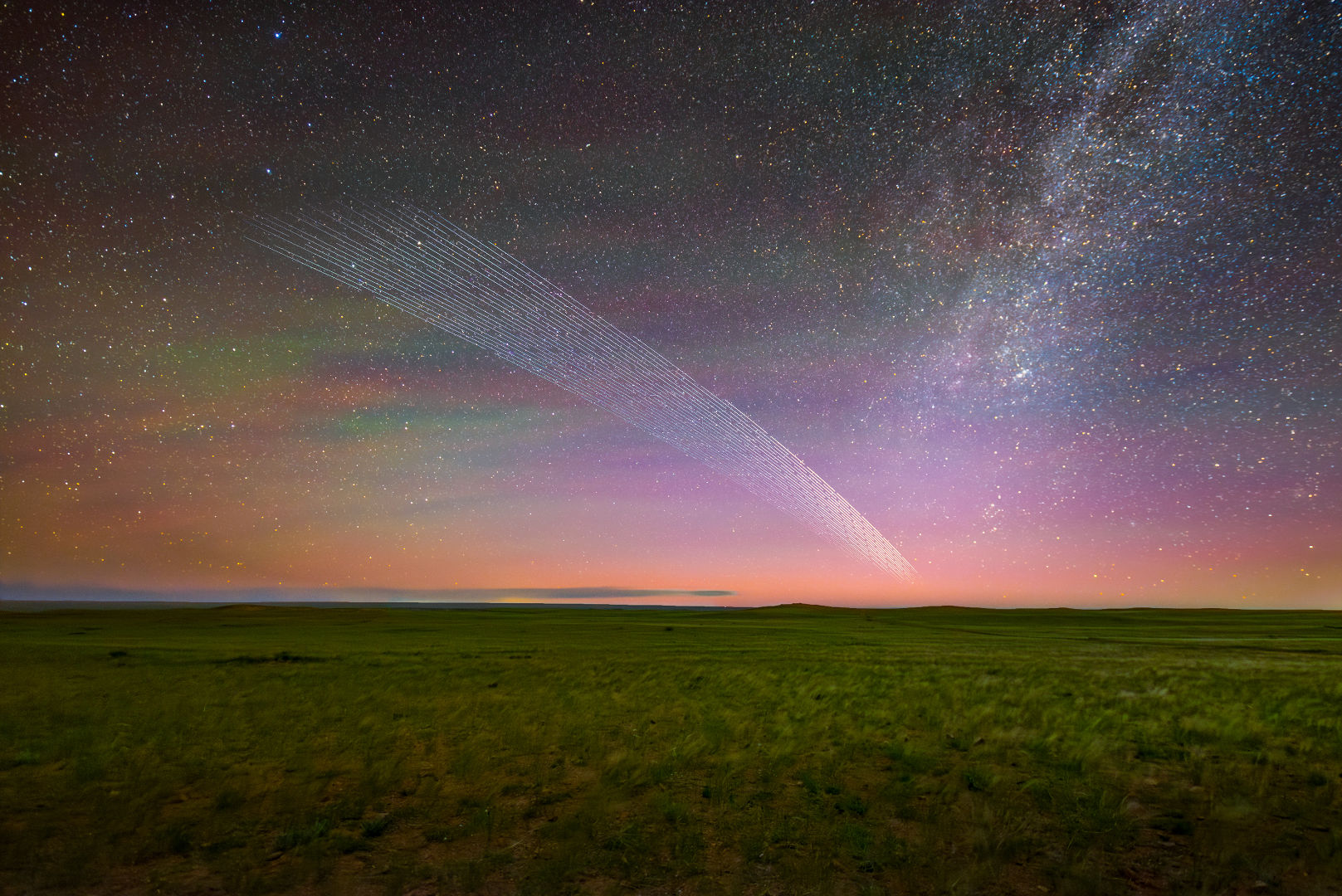
This study explores the extent to which large and bright satellite constellations affect night-sky observations by making the sky brighter.
It says that, since 2019, the number of satellites orbiting Earth has increased to over 14,000 today and is dominated by Starlink telecommunications satellites launched by Elon Musk's SpaceX.
"Until now we have managed, but it's getting worse," says Olivier Hainaut, who's been involved in developing recommendations to mitigate the impact of satellite constellations on astronomy.
Hainaut has been an astronomer at the European Southern Observatory – which operates numerous telescopes under the dark skies of Chile – for over 30 years and is the author of the study.
He says that, while satellite launch companies like SpaceX are taking measures to make satellites less bright, existing proposals are going "beyond the limit" of what astronomy can withstand.
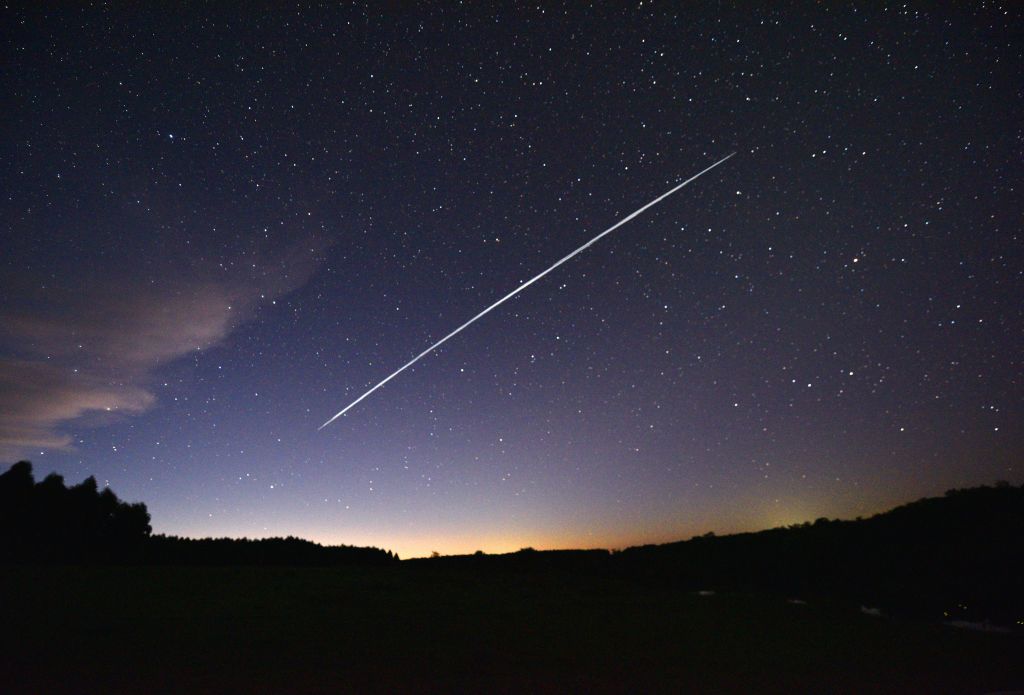
The study addresses SpaceX plans to send one million more satellites into orbit.
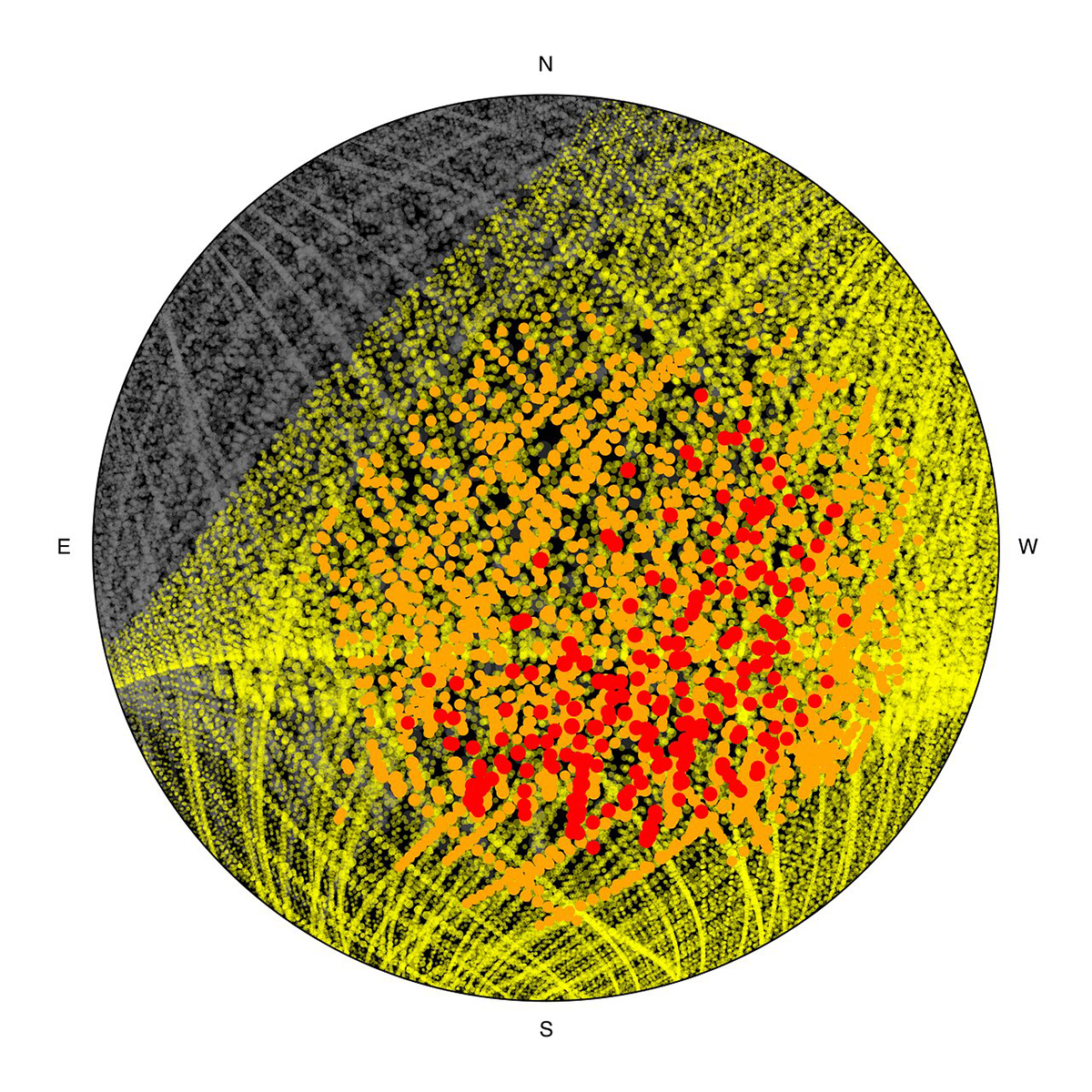
It claims that for a large proportion of each night, hundreds of satellites would be visible.
And at certain times, up to several thousand would be visible, similar to the number of stars seen with the naked eye in good conditions.
Not just SpaceX
The study says there are other planned satellite constellations to be concerned about, such as E-Space's Cinnamon constellations and China’s CTC-1 and 2.
It also points to US start-up firm Reflect Orbital, which intends to launch mirror-like satellites to provide sunlight at night.
Reflect Orbital says its constellations will provide extra solar power for clean, sustainable energy, even when the Sun is below the horizon, and will extend working hours for those who need it.
"Some worry that reflecting sunlight from orbit could disrupt astronomical observations or alter the night sky," says a statement on Reflect Orbital's website.
"Not only do we take this seriously, but we are committed to seeking out engagement and dialogue, are excited to listen and receive feedback, and are eager to improve our early designs and future service."
However, the ESO study says the satellites would be the brightest ever in orbit and would be damaging to Earth's dark skies.
It says a sunlight-delivering satellite would appear four times as bright as the full Moon.
Why astronomers are worried
The study says proposals like these are just some of the planned satellite constellations that accumulatively would brighten the night sky.
That would hinder our ability to observe the distant Universe, early galaxies at the dawn of the cosmos and find Earth-like planets around other stars.
It could even, says the study, prevent us from finding potentially dangerous asteroids.
"Satellites, illuminated by the Sun, are much brighter than distant galaxies," says Hainaut.
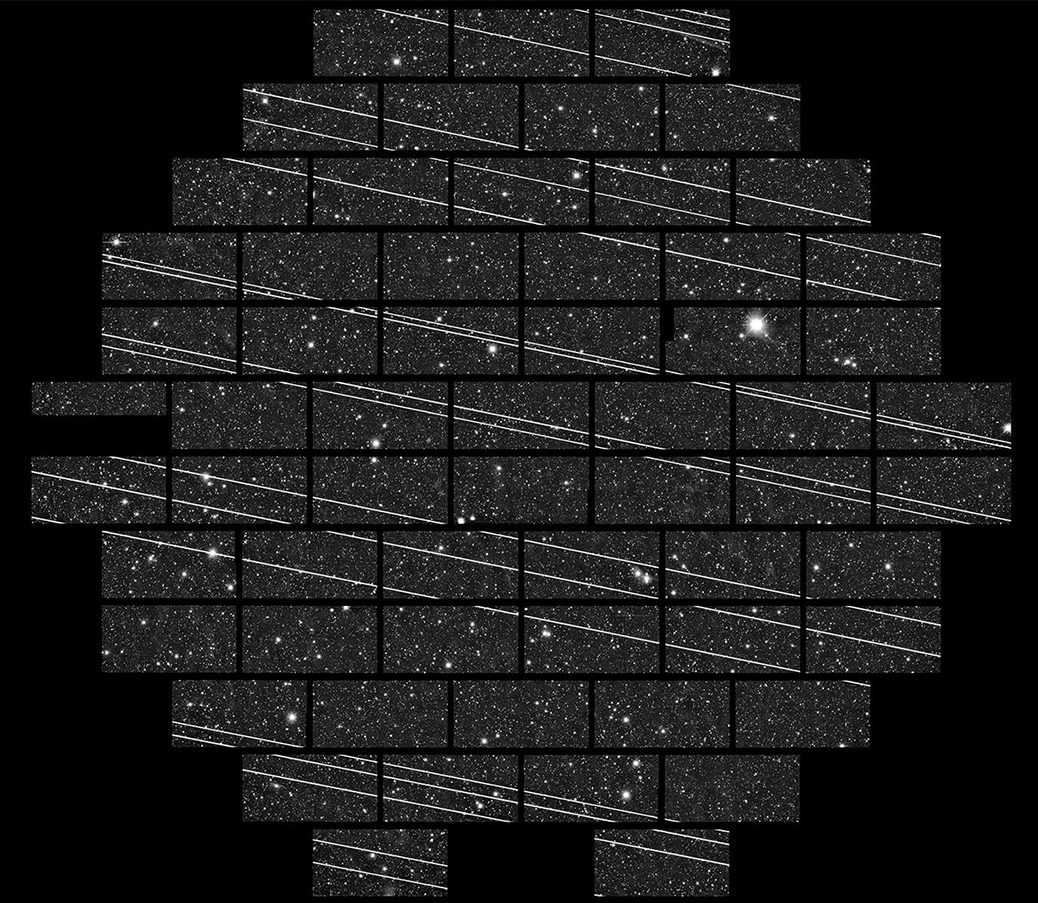
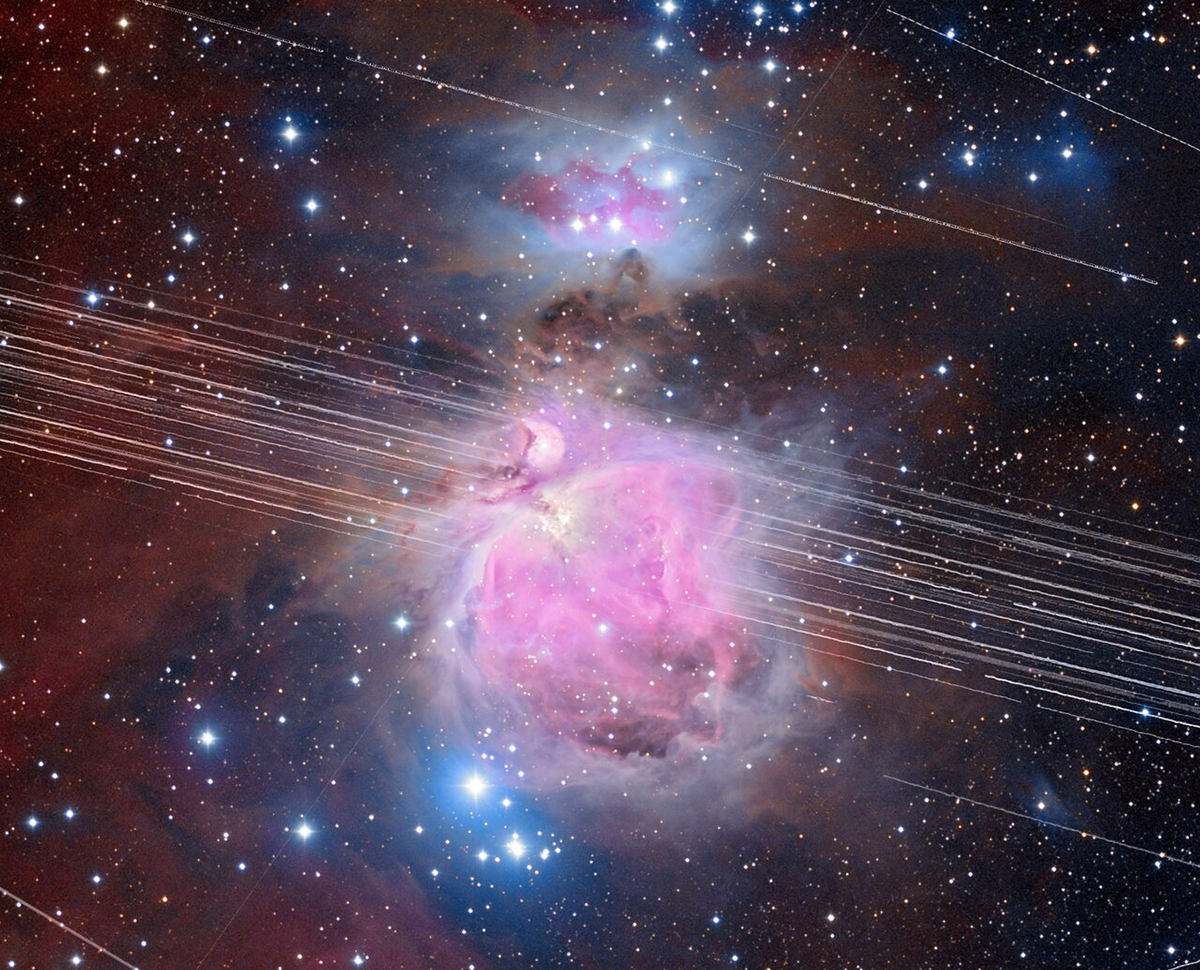
"When a satellite crosses what we observe, it makes a bright streak on our image, zapping whatever is behind it."
Hainaut worked on computer simulations to calculate just how damaging the new wave of artificial satellites could be to our view of the night sky.
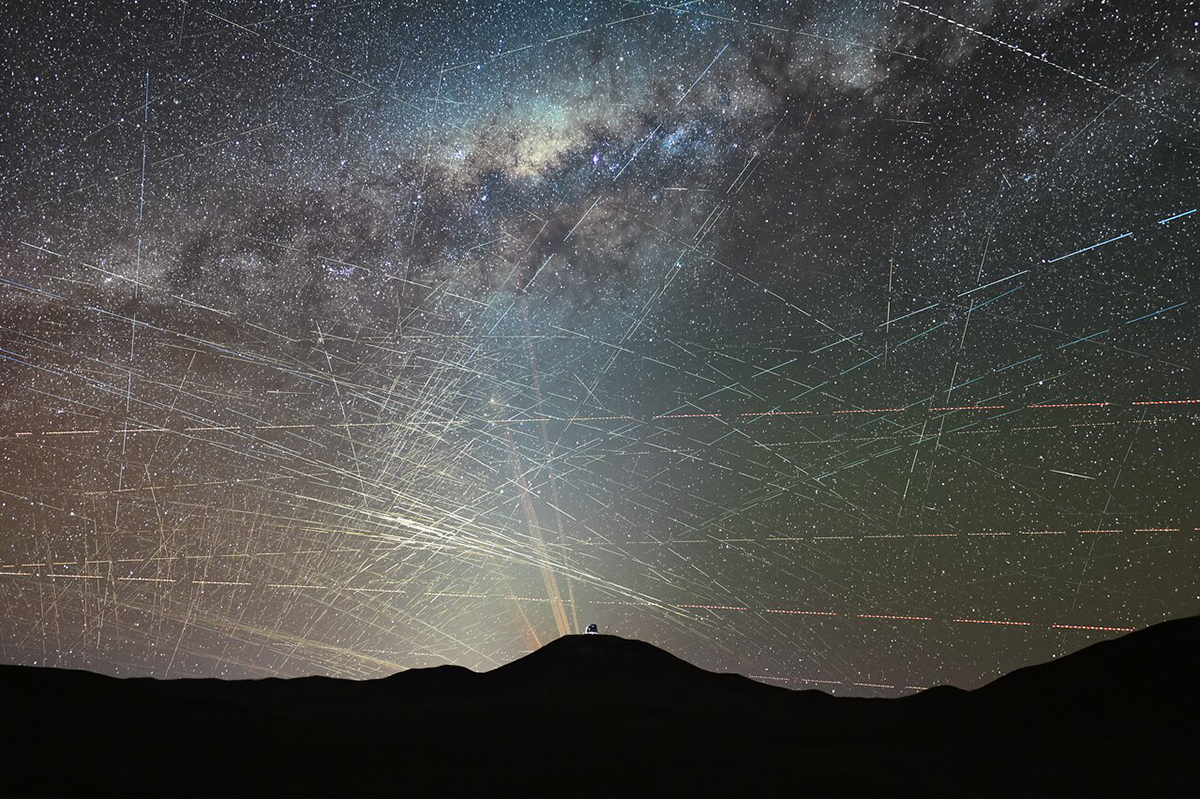
He found that, in the case of the SpaceX satellite mega-constellation, dozens of trails would appear in each image taken two hours with the European Space Agency's Very Large Telescope in Chile, which is one of the most important telescopes on Earth in terms of its ability to make astronomical discoveries.
Haianut's simulation assumes the satellites would be faint enough not to be seen with the naked eye in good conditions.
However, if they're just a tiny amount brighter, some instruments would be even worse affected.
He says that a camera like that the new Vera C. Rubin Observatory – the largest digital camera in the world – could be rendered unusable for several hours every night.
Hainaut also says the full fleet of Reflect Orbital satellites would mean every image from such a camera would be lost.
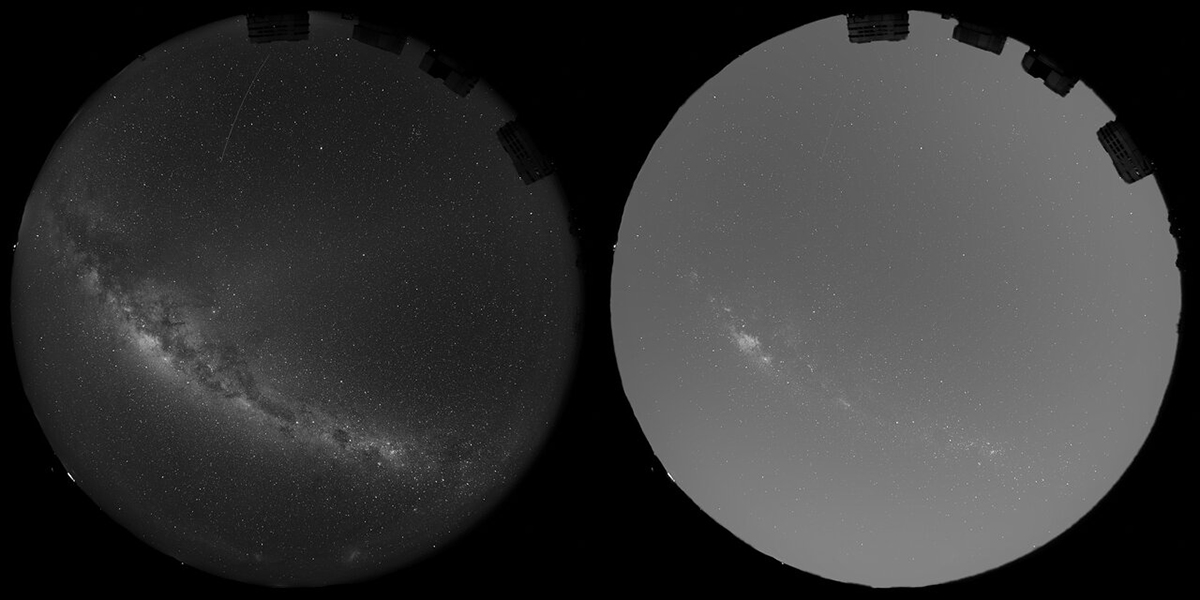
Even satellites too faint to be seen directly would create a veil of ‘diffuse’ light, says the study, and light from brighter satellites would be ‘scattered’ in all directions across the sky.
So what can we do?
The study say 1.7 million proposed new satellites would have drastic consequences for astronomy, which can only be avoided limiting the overall total to 100,000 satellites faint enough to not be seen with the naked eye.
"This is not a hard number, like 99,999 is good and 100,001 is bad: clearly I'd prefer 50,000,” says Hainaut.
"But 100,000 causes losses at about the level of other technical losses, such as equipment failure."
Hainaut also states the satellites should be fainter than visual magnitude +7.
Addressing the filings made by satellite companies with the US Federal Communications Commission (FCC) for permission to launch, ESO Institutional Affairs Officer Betty Kioko says: “The FCC received over 1,800 comments regarding Reflect Orbital and nearly 1,500 comments on the application by SpaceX.
"The ball is now in the FCC’s court, and we wait to see the determinations they make on both filings. For optical astronomy, this is an existential threat, and we hope that the regulators will share that view."
"Astronomy generates huge value for humankind, including scientific, technical, economical, and educational, and helps us understand our place in the Universe," says ESO Director General Xavier Barcons.
"The large number of planned satellites in low-Earth orbit challenges that capacity, underscoring the need to limit future satellite launches and for astronomers, engineers, satellite operators and other stakeholders to work together to adopt strict mitigation measures."
"Low Earth orbit is a celestial seashore that provides immense value to modern life, from global connectivity to our clear access to the Universe," says Hainaut.
"However, we must manage the footprint of mega-constellations — from the light pollution affecting astronomy to the atmospheric effects of satellite re-entry — to ensure this resource remains pristine and accessible for future generations."
Let us know your thoughts on this issue by emailing us at contactus@skyatnightmagazine.com

