Scientists have found 31 of the most ancient quasars ever recorded, including two dating back to when the Universe was a mere 670 million years old – just 5 per cent of its current age – making them the earliest quasars yet observed.
Quasars are intensely luminous galactic cores powered by matter falling into supermassive black holes.
The findings more than double the number of quasars uncovered from this cosmic era and could help explain how supermassive black holes grew so rapidly after the Big Bang.
An artist's impression of the Euclid spacecraft in action. Credit: ESA/ATG medialab (spacecraft); NASA, ESA, CXC, C. Ma, H. Ebeling and E. Barrett (University of Hawaii/IfA), et al. and STScI (background)
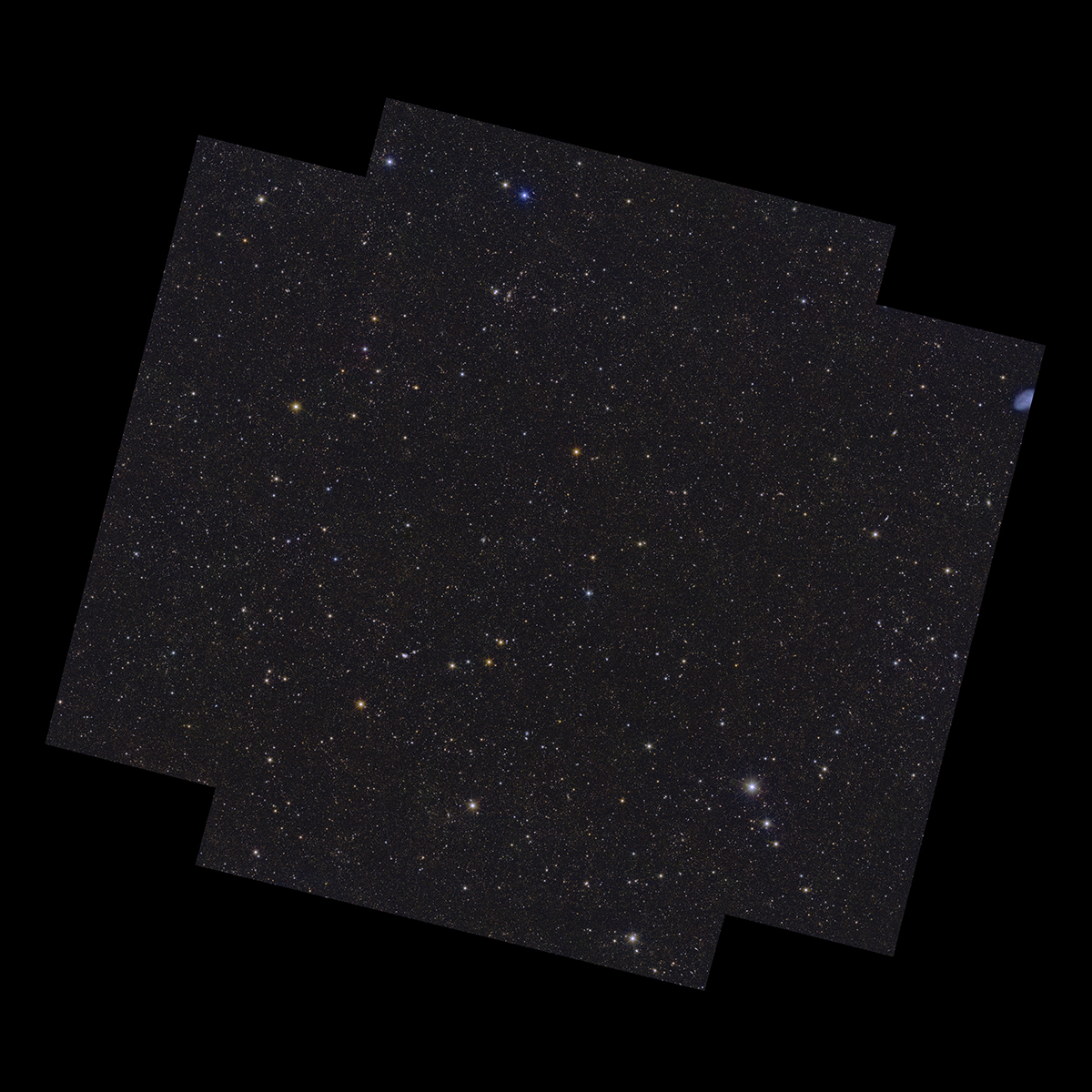
The discoveries come from just the first 18 months of the Euclid space telescope’s wide survey, during which it covered 3,000 square degrees of sky.
The 31 quasars have redshifts (a measure of cosmic distance based on how far light is shifted to longer, red wavelengths) between 6.6 and 7.8. Twelve have redshifts above 7.
Credit: X-ray: NASA/CXC/Univ. of Chicago/S.C. Mackey et al.; Radio: NRF/SARAO/MeerKAT; Image Processing: NASA/CXC/SAO/N. Wolk
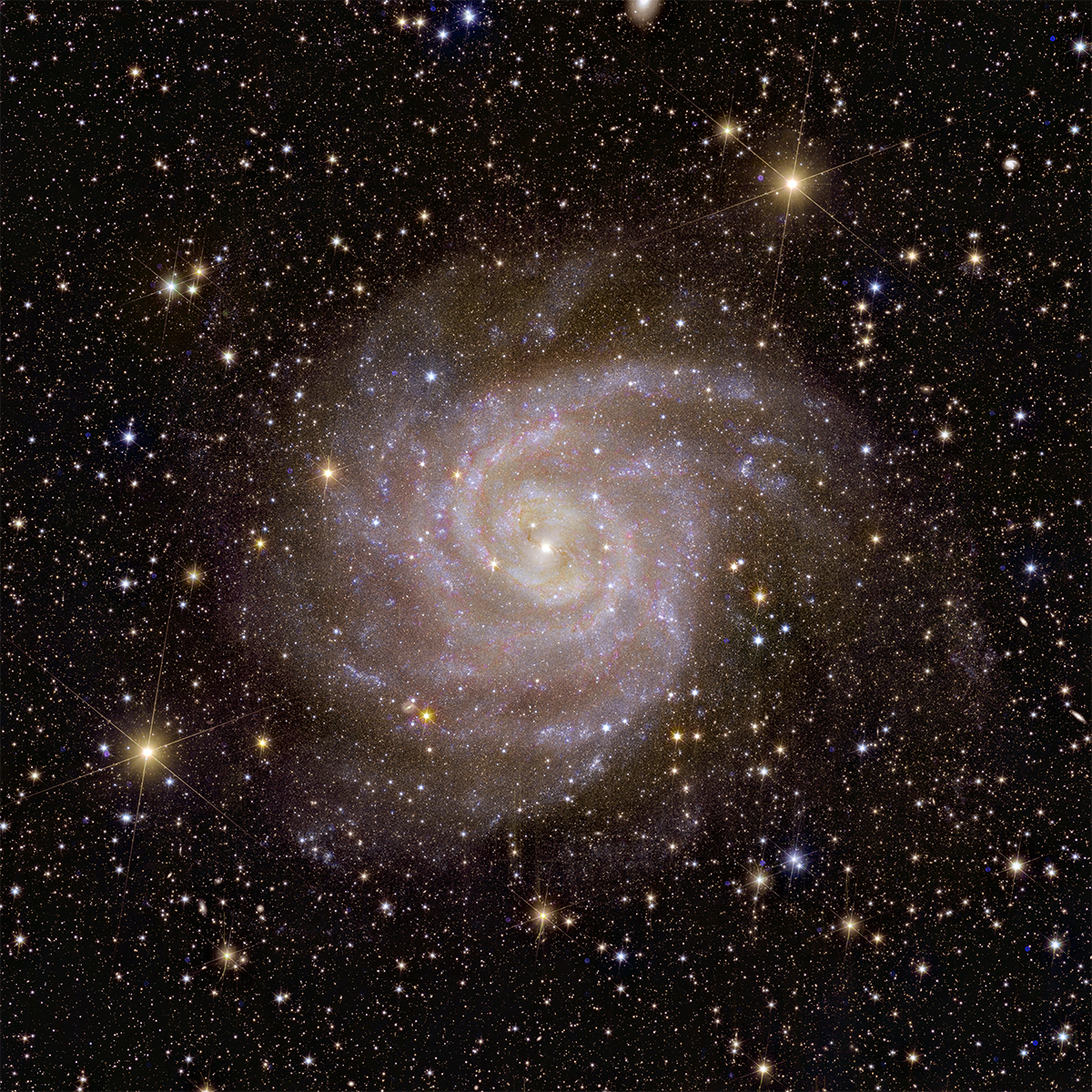
Euclid spacecraft image of spiral galaxy NGC 6744, 30 million lightyears away within the Local Group. Credit: ESA/Euclid/Euclid Consortium/NASA, image processing by J.-C. Cuillandre (CEA Paris-Saclay), G. Anselmi; CC BY-SA 3.0 IGO or ESA Standard Licence.
“It’s a big step towards understanding these fascinating objects on a more fundamental level,” says Antonio La Marca, an ESA research fellow.
“We are entering a golden age in which we’re using these rare and extreme objects to probe one of the biggest frontiers in cosmology.”
Finding so many quasars presents a major challenge to current theories, since astronomers are uncertain how black holes grew to enormous masses so quickly after the birth of the Universe.
It suggests either they were unusually massive at formation or accumulated material far more quickly than existing models predict.
The team hope Euclid will discover hundreds more ancient quasars during its six-year survey.
Euclid's best images so far
Credit: ESA/Euclid/Euclid Consortium/NASA, image processing by J.-C. Cuillandre (CEA Paris-Saclay), G. Anselmi; CC BY-SA 3.0 IGO
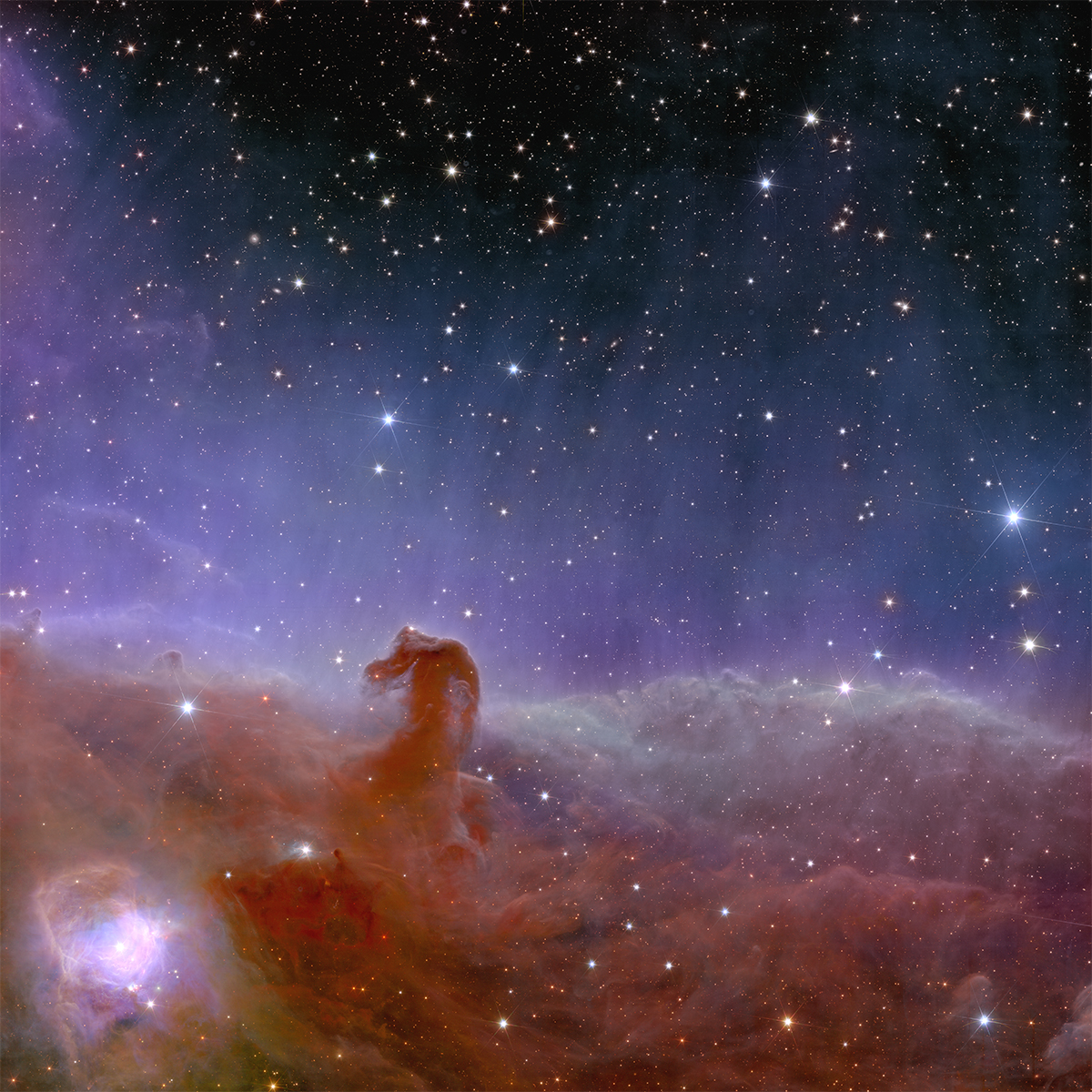
The Horsehead Nebula, captured by the European Space Agency's Euclid mission. Released 7 November 2023. Credit: ESA/Euclid/Euclid Consortium/NASA, image processing by J.-C. Cuillandre (CEA Paris-Saclay), G. Anselmi; CC BY-SA 3.0 IGO
Credit: ESA/Euclid/Euclid Consortium/NASA, image processing by J.-C. Cuillandre (CEA Paris-Saclay), G. Anselmi; CC BY-SA 3.0 IGO
Credit: ESA/Euclid/Euclid Consortium/NASA, image processing by J.-C. Cuillandre (CEA Paris-Saclay), G. Anselmi; CC BY-SA 3.0 IGO
The Perseus cluster of galaxies, captured by the European Space Agency's Euclid mission. Released 7 November 2023. Credit: ESA/Euclid/Euclid Consortium/NASA, image processing by J.-C. Cuillandre (CEA Paris-Saclay), G. Anselmi; CC BY-SA 3.0 IGO
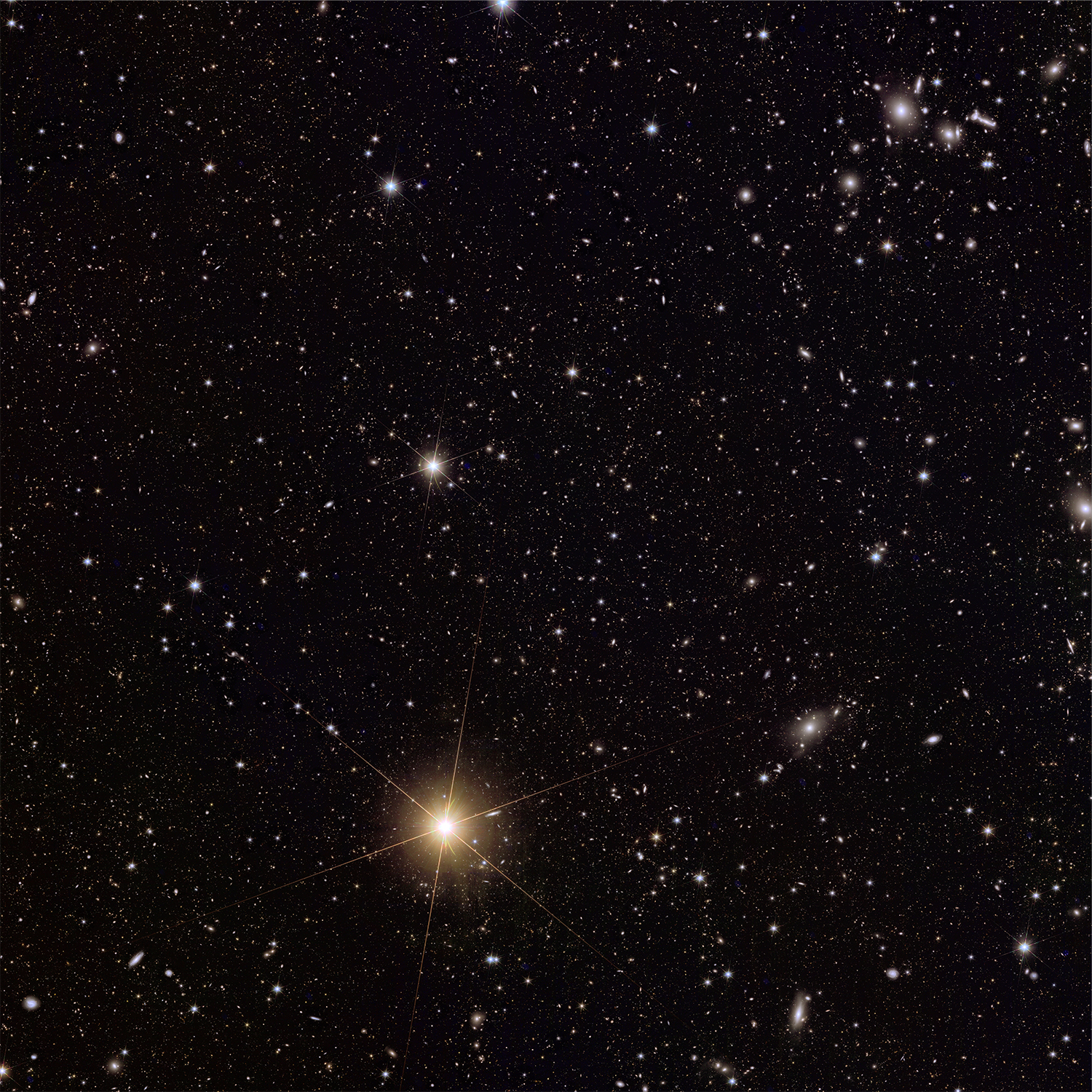
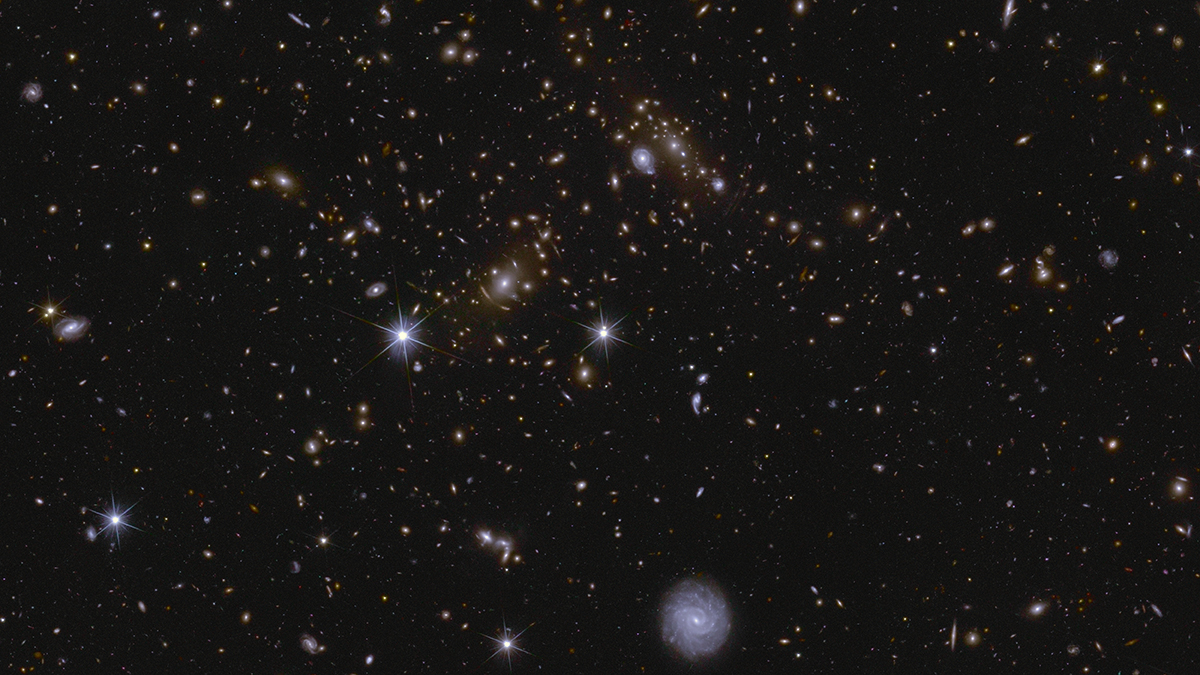
Euclid spacecraft image of Abell 2390, a galaxy cluster 2.7 billion lightyears away in the constellation of Pegasus. Credit: ESA/Euclid/Euclid Consortium/NASA, image processing by J.-C. Cuillandre (CEA Paris-Saclay), G. Anselmi; CC BY-SA 3.0 IGO or ESA Standard Licence.
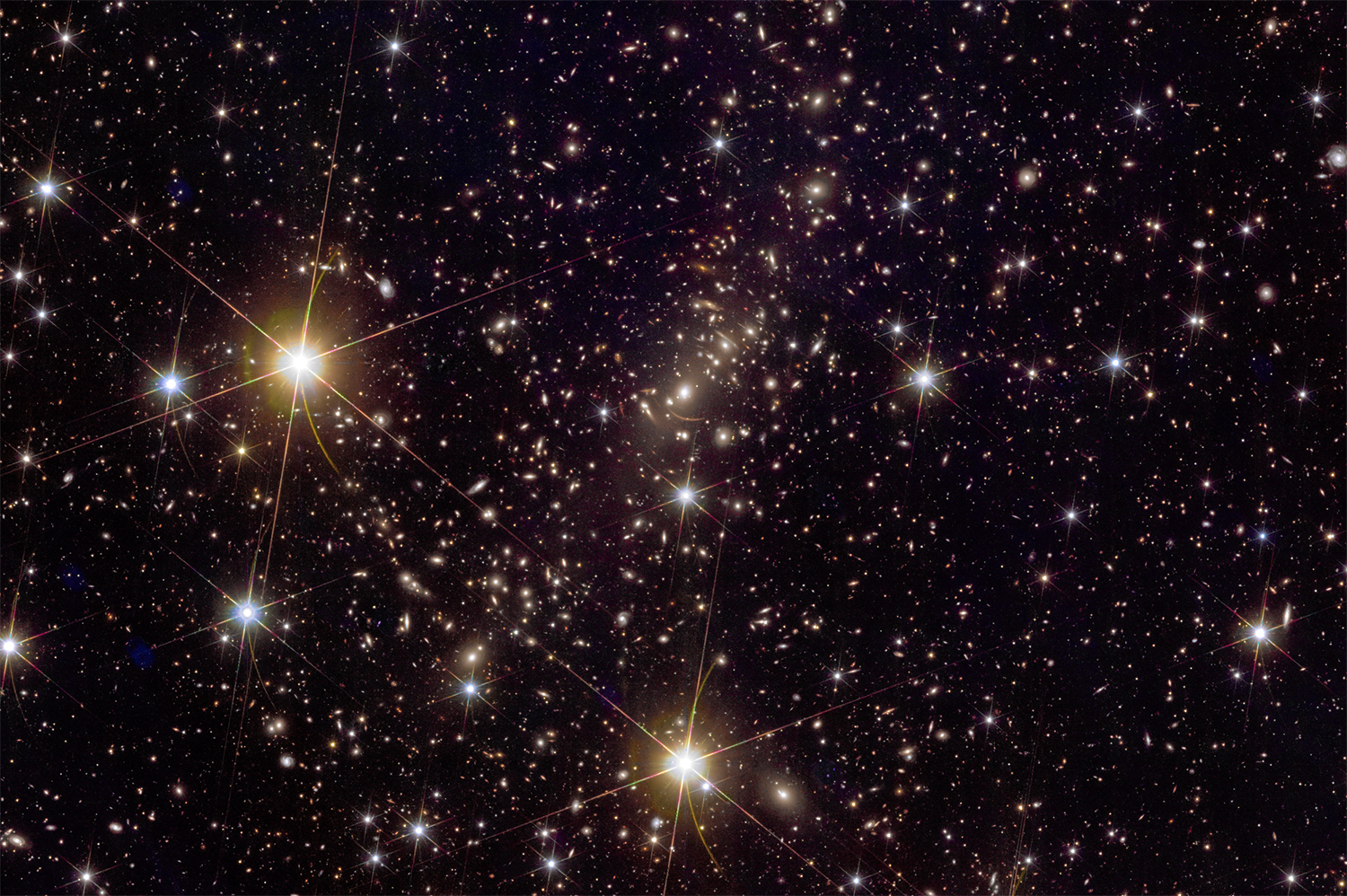
Euclid spacecraft image of galaxy cluster Abell 2764, 1 billion lightyears away in the direction of the Phoenix constellation.
Credit: ESA/Euclid/Euclid Consortium/NASA, image processing by J.-C. Cuillandre (CEA Paris-Saclay), G. Anselmi; CC BY-SA 3.0 IGO or ESA Standard Licence.
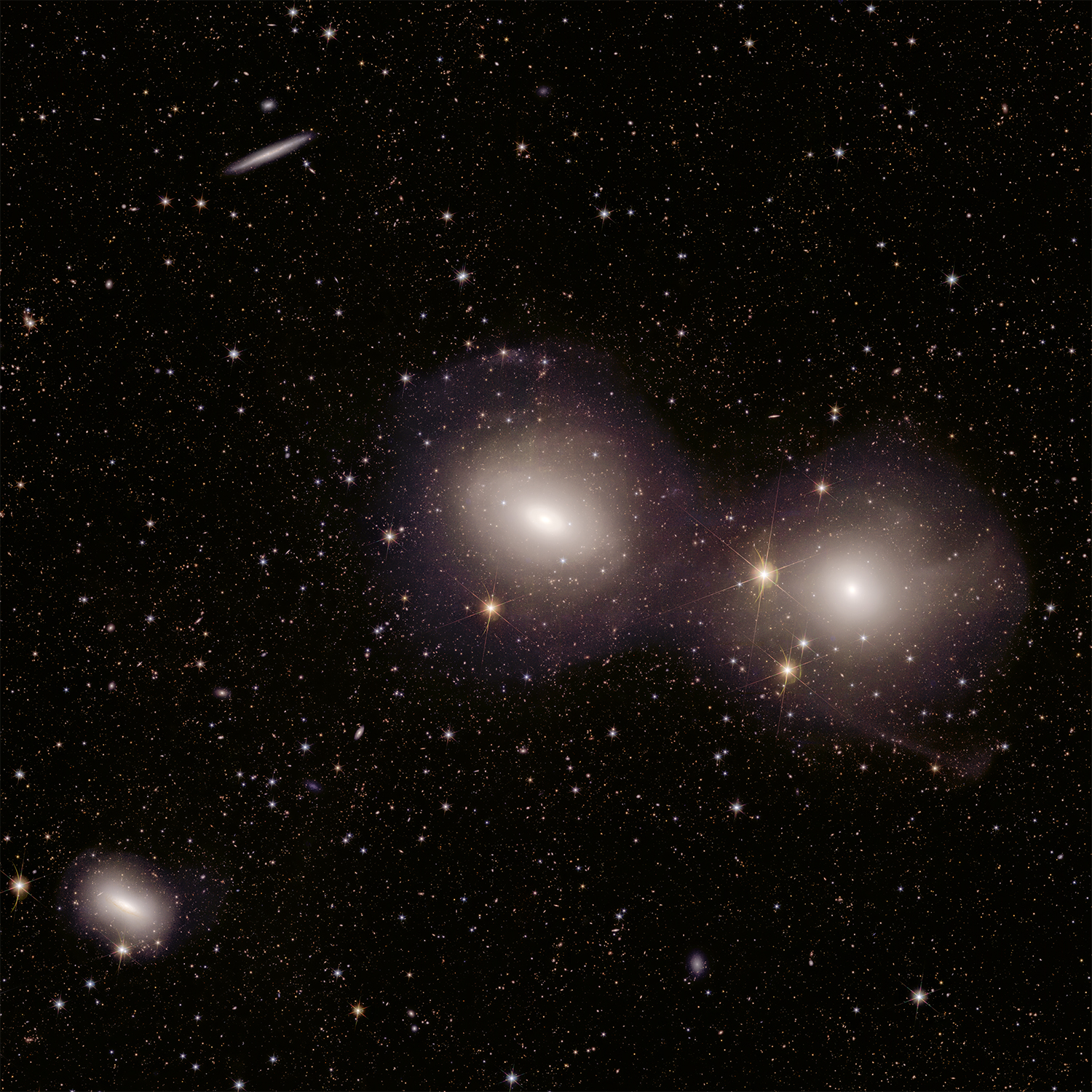
Euclid spacecraft image of the Dorado Group of galaxies, 62 million lightyears away in the southern hemisphere constellation Dorado. Credit: ESA/Euclid/Euclid Consortium/NASA, image processing by J.-C. Cuillandre (CEA Paris-Saclay), G. Anselmi; CC BY-SA 3.0 IGO or ESA Standard Licence.
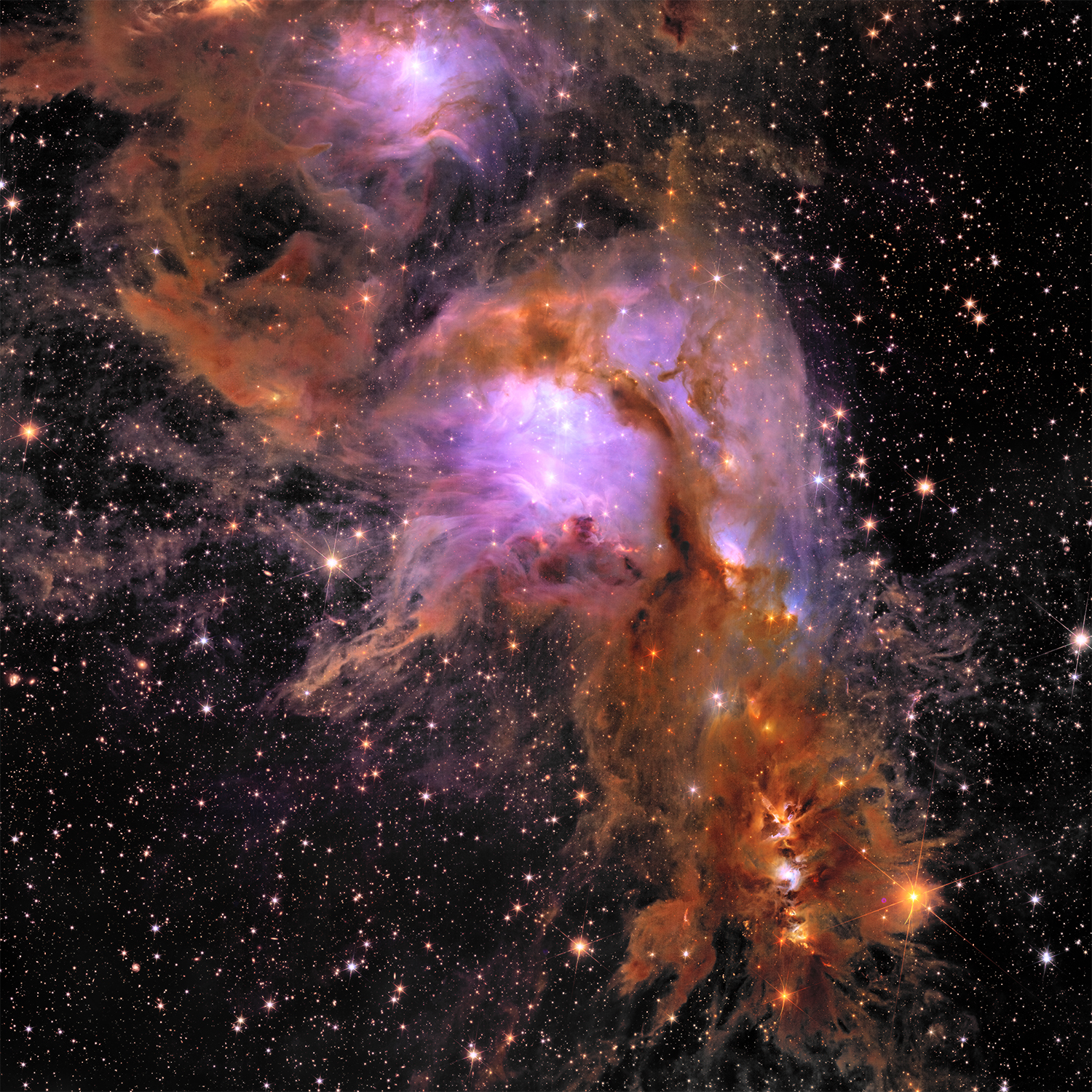
Euclid spacecraft image of Messier 78, a star-forming region 1,300 lightyears away in the constellation Orion. Credit: ESA/Euclid/Euclid Consortium/NASA, image processing by J.-C. Cuillandre (CEA Paris-Saclay), G. Anselmi; CC BY-SA 3.0 IGO or ESA Standard Licence.
Euclid spacecraft image of spiral galaxy NGC 6744, 30 million lightyears away within the Local Group. Credit: ESA/Euclid/Euclid Consortium/NASA, image processing by J.-C. Cuillandre (CEA Paris-Saclay), G. Anselmi; CC BY-SA 3.0 IGO or ESA Standard Licence.
Cutout of the Euclid image of Abell 2390, a galaxy cluster 2.7 billion lightyears away in the constellation of Pegasus. The red arcs show the gravitational lensing of a distant galaxy. Credit: ESA/Euclid/Euclid Consortium/NASA, image processing by J.-C. Cuillandre (CEA Paris-Saclay), G. Anselmi; CC BY-SA 3.0 IGO or ESA Standard Licence.
In just one observation, Euclid spotted 4.5 million galaxies in this, the spacecraft's Deep Field Fornax. In the coming years, Euclid will make 52 observations of this field to reach its full depth. Credit: ESA/Euclid/Euclid Consortium/NASA, image processing by J.-C. Cuillandre, E. Bertin, G. Anselmi
A zoom-in of Euclid’s Deep Field North image, showing the Cat’s Eye Nebula in the centre. This is a 'planetary nebula', the final stages of a dying star shedding its outer layers into space. Credit: ESA/Euclid/Euclid Consortium/NASA, image processing by J.-C. Cuillandre, E. Bertin, G. Anselmi
Euclid’s Deep Field South, zoomed in, shows numerous huge galaxy clusters and gravitational lenses. The central cluster is J041110.98-481939.3, located almost 6 billion lightyears away. Credit: ESA/Euclid/Euclid Consortium/NASA, image processing by J.-C. Cuillandre, E. Bertin, G. Anselmi
Euclid's view of numerous gravitational lenses. These are instances where light from a distant galaxy is warped and magnified by the mass of a closer galaxy cluster. Credit: ESA/Euclid/Euclid Consortium/NASA, image processing by M. Walmsley, M. Huertas-Company, J.-C. Cuillandre
Galaxies galore
ESA Euclid spacecraft, 19 March 2025
Credit: ESA/Euclid/Euclid Consortium/NASA, image processing by M. Walmsley, M. Huertas-Company, J.-C. Cuillandre
Dark cloud LDN 1641
Euclid Space Telescope, 5 November 2025
Credit: ESA/Euclid/Euclid Consortium/NASA, image processing by M. Schirmer (MPIA, Heidelberg)
NGC 646 and PGC 6014
Euclid, 22 December 2025
Credit: ESA/Euclid/Euclid Consortium/NASA, image processing by the Euclid Science Ground Segment and M. Schirmer (MPIA)
Section of a visible-light image of the centre of our Milky Way, by the Euclid space telescope, showing over 60 million stars near the Galaxy's bulge. Credit: ESA/Euclid/Euclid Consortium/NASA, CFHT, image processing by J.-C. Cuillandre and E. Bertin (CEA Paris-Saclay)
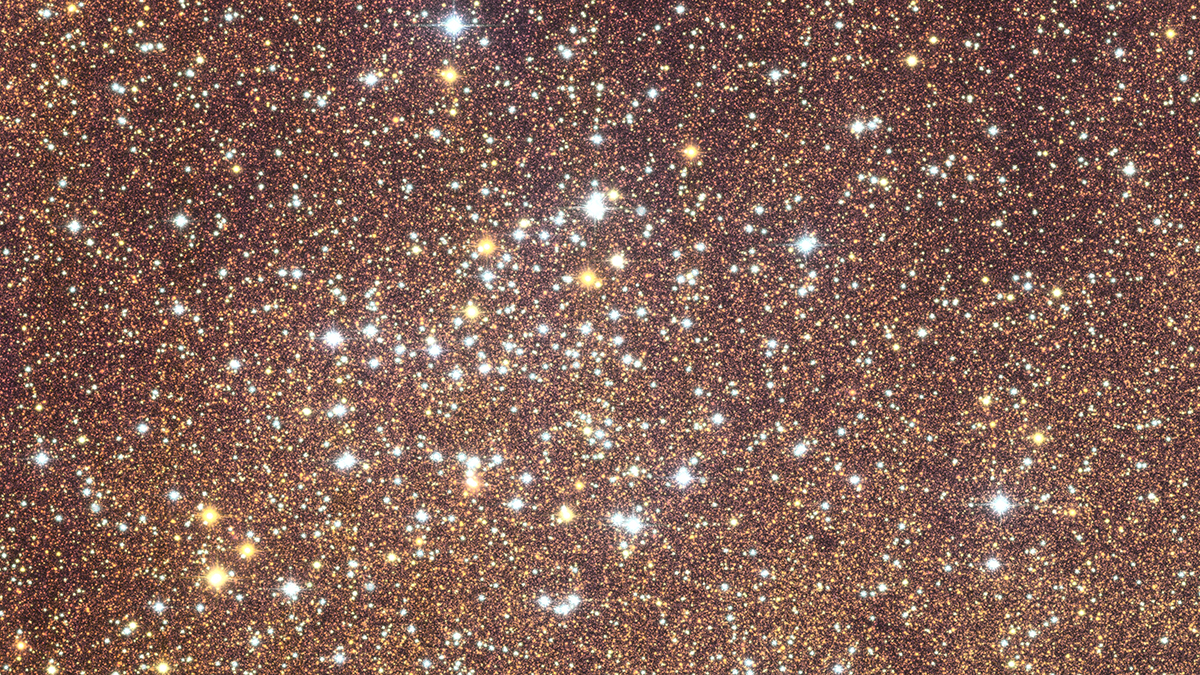
Open star cluster NGC 6451, seen by the Euclid space telescope as part of its observations of the galactic bulge, the centre of the Milky Way. Credit: ESA/Euclid/Euclid Consortium/NASA, CFHT, image processing by J.-C. Cuillandre and E. Bertin (CEA Paris-Saclay)
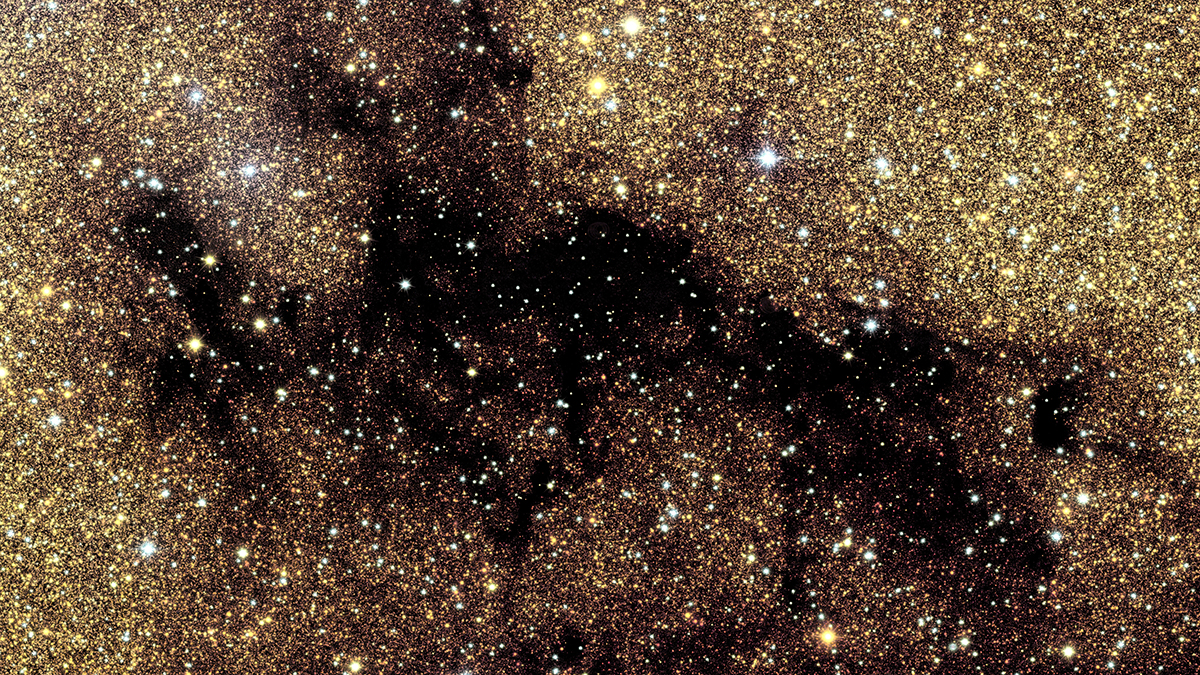
Molecular cloud LDN 10, seen by the Euclid space telescope as part of its observations of the galactic bulge, the centre of the Milky Way. Credit: ESA/Euclid/Euclid Consortium/NASA, CFHT, image processing by J.-C. Cuillandre and E. Bertin (CEA Paris-Saclay)
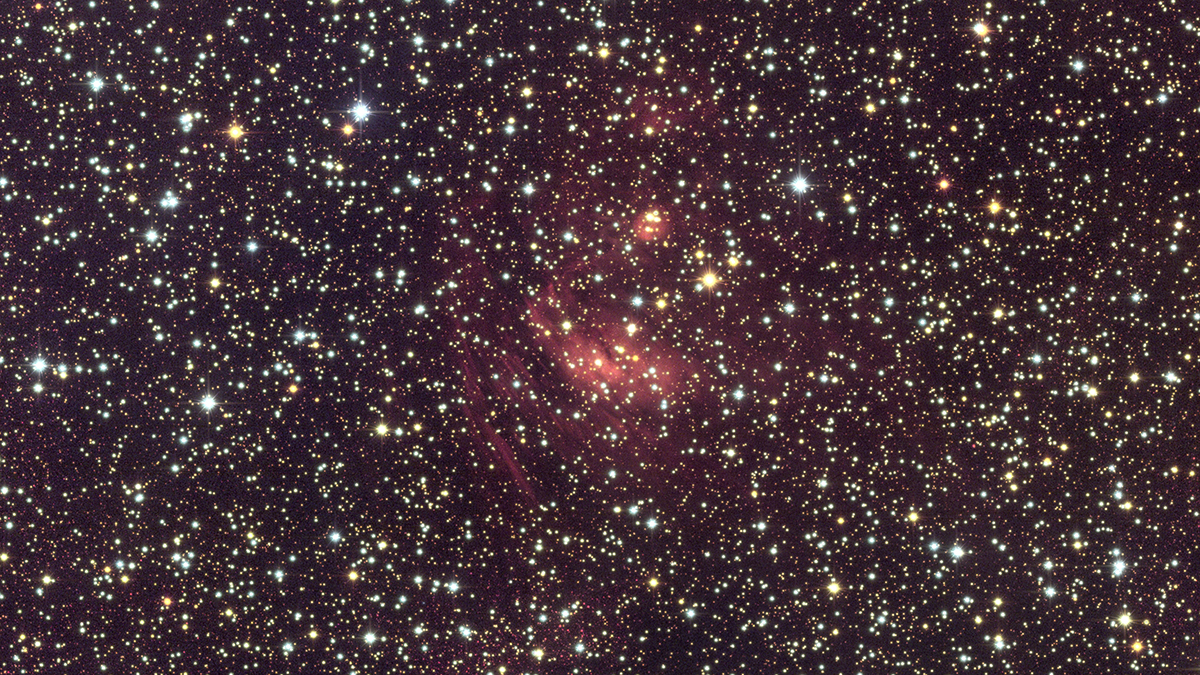
Emission nebula G000.583-00.870, seen by the Euclid space telescope as part of its observations of the galactic bulge, the centre of the Milky Way. Credit: ESA/Euclid/Euclid Consortium/NASA, CFHT, image processing by J.-C. Cuillandre and E. Bertin (CEA Paris-Saclay)