Scientists examining a lump of space rock that came crashing through the roof of a home in New Jersey, USA, in 2024 have found it to be rich in potentially life-supporting chemistry.
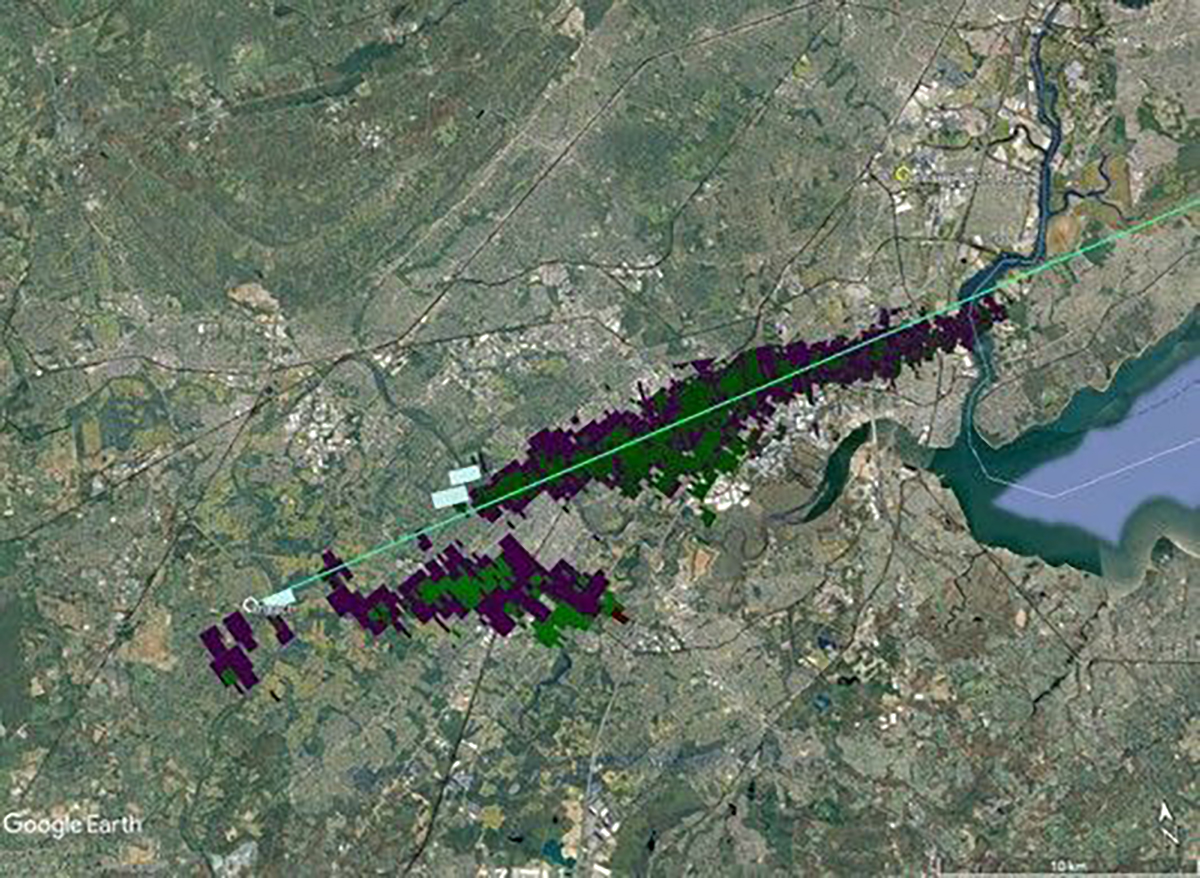
The Hillsborough Meteorite, as it's now known, originally formed part of a larger meteor that came plummeting through Earth’s atmosphere at a speed of 14.4 kilometres per second (32,000 mph) on 16 July 2024.
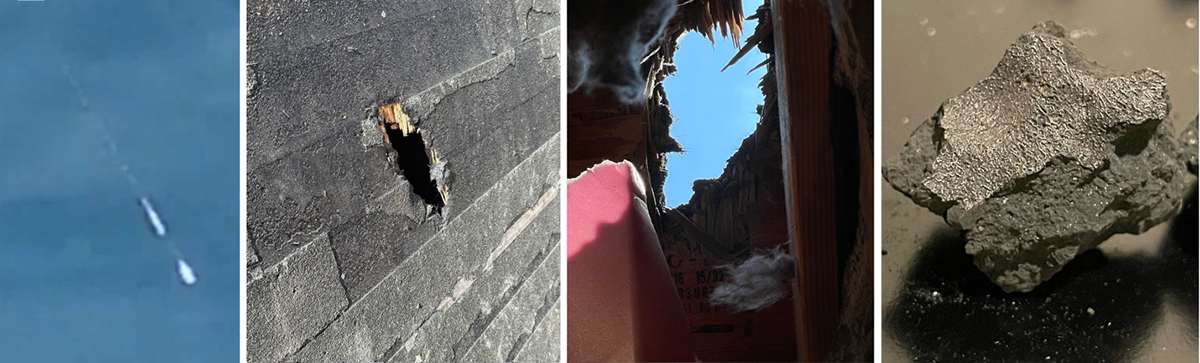
Multiple observers on the US eastern seaboard reported seeing the daytime meteor streaking through the sky, but it ceased to be visible once it reached an altitude of 35km (22 miles).
At that point, the rock broke up into hundreds of smaller fragments.
Most of those fragments fell as a shower of pebbles across Staten Island and New Jersey, but one much larger clump struck a house in Hillsborough, New Jersey.
More on meteorites
'Black dust covered my bed'
The home’s owner described the event.
"I heard a loud crash and found a hole in the ceiling of the master bedroom. I smelled a strong sulphur-like odour and saw many black fragments, along with debris and black dust that covered my bed, carpet and surrounding areas.”
The homeowner had the good sense to preserve the scene, using gloves and foil to carefully pick up the meteorite fragments and place them in glass jars.
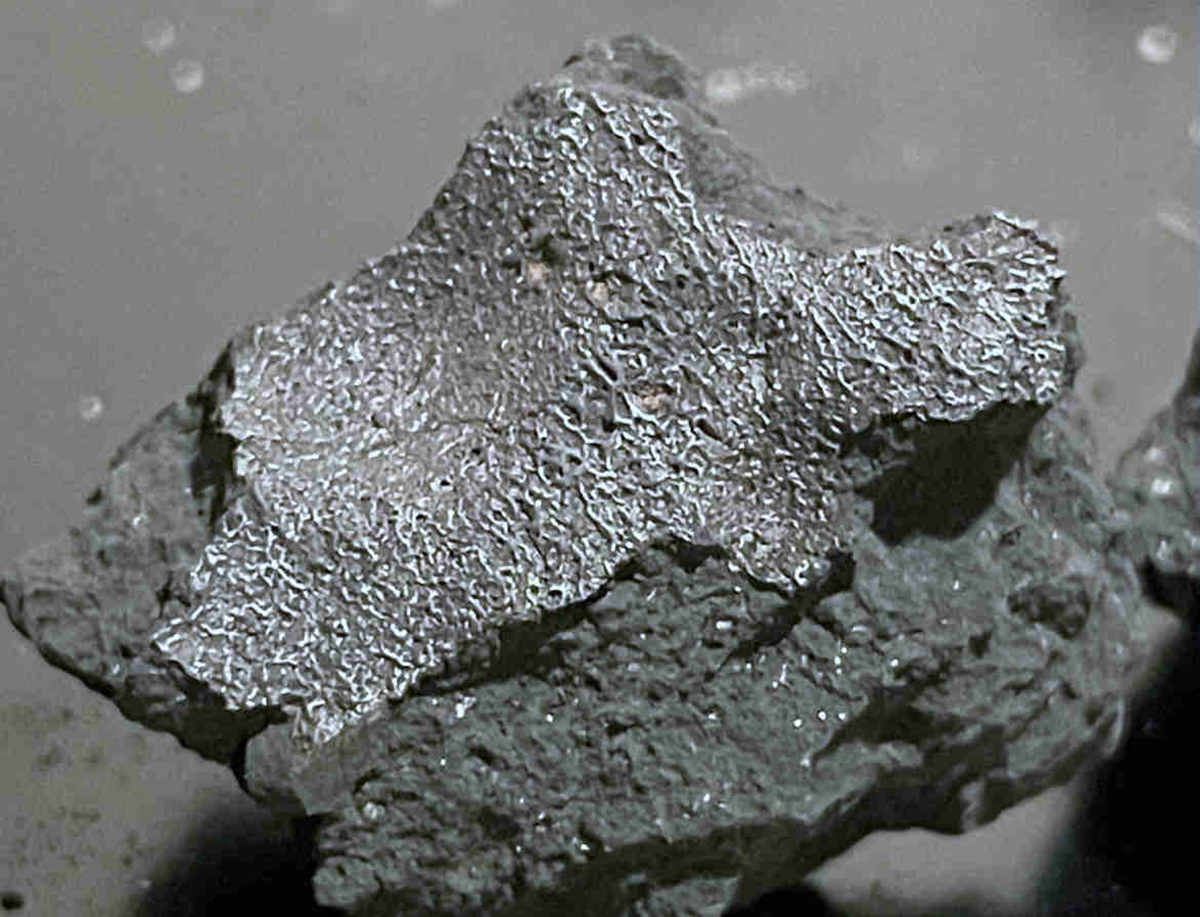
Thanks to his clear thinking, the samples are, according to Peter Jenniskens of the SETI Institute and NASA’s Ames Research Center, “the most pristine CM1/CM2 meteorites we know of.”
Cosmic timecapsules
CM-type meteorites are some of the oldest and most primitive space rocks known to astronomers.
They can be broken down into CM1 and CM2 types, depending on the presence or otherwise of distinctive mineral grains called chondrules, and on the extent to which they have been shaped by water.
The Hillsborough Meteorite, however, has been given the classification CM1/CM2 because it shares characteristics with both types.
It also shows more evidence of having been shaped by interactions with water and is rich in salts and amino acids.
That suggests it came from part of its parent asteroid just below the surface, where liquid water evaporated to leave concentrated salts behind.
On Earth, briny fluids of this kind can help support molecules that are crucial for life, so the Hillsborough Meteorite discovery points to one mechanism whereby such compounds could have arrived on Earth from elsewhere in the Solar System.
Some of the meteorite fragments have now been handed over to the American Museum of Natural History in New York.
Curator Denton Ebel said: “We are thrilled that nature delivered such a precious asteroid sample on our doorstep.”