Exoplanet searches have now discovered well over 6,000 worlds orbiting other suns.
Of these, around 40 are believed to be rocky, roughly Earth-sized and orbiting within the habitable zone of their star, where surface water could exist in a liquid state.
And as our detection capabilities improve, we are finding more and more small planets.
But with observing time on space telescopes limited, which offer the best chances for supporting extraterrestrial life and so should be prioritised for efforts to detect actual signs of biology?
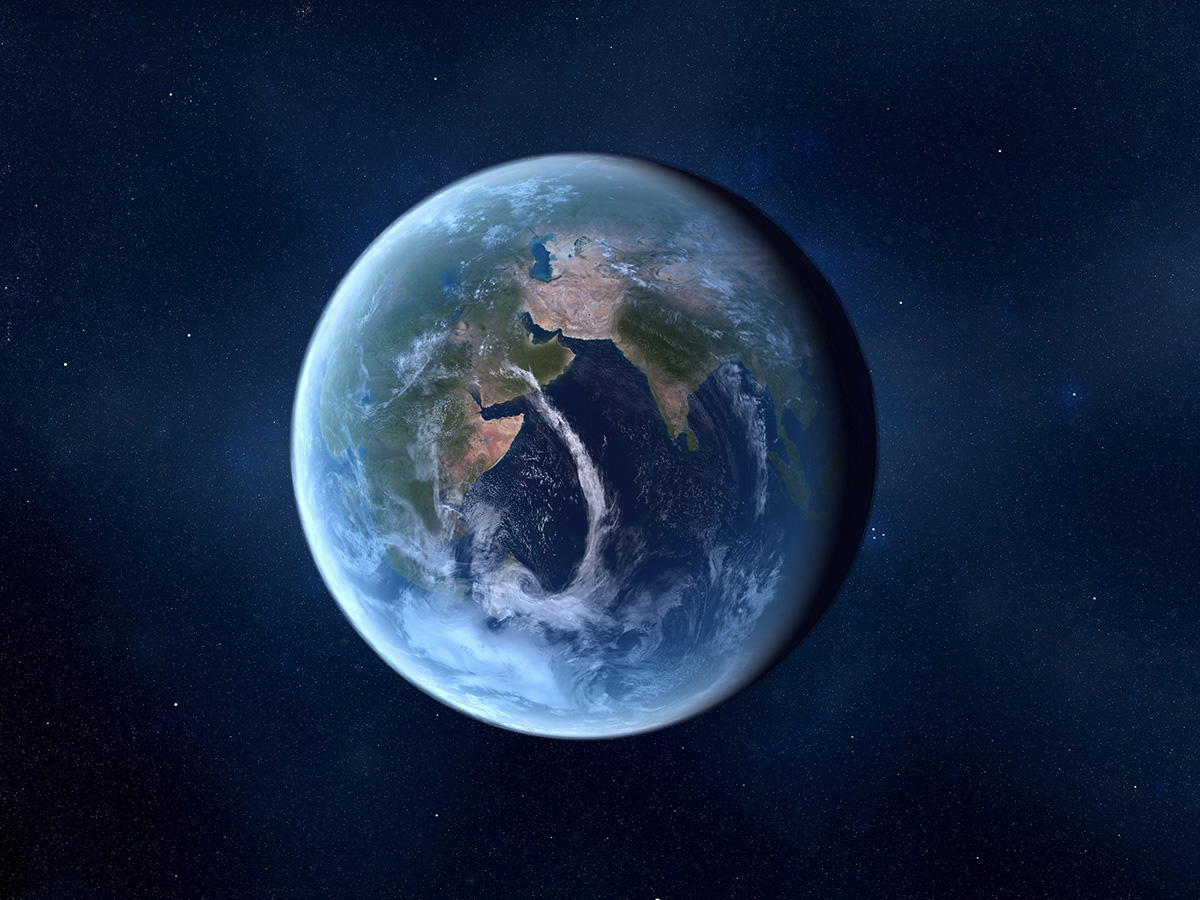
How long can a small rocky planet keep its atmosphere?
One key question that has not yet been sufficiently explored, says Michelle Hill, in the department of Earth and planetary sciences at the University of California Riverside, is what’s the smallest a rocky planet can be yet still retain an atmosphere for billions of years?
Planets smaller than Earth may struggle to maintain an atmosphere for a number of reasons.
They have a weaker gravitational grip and so gas in their atmospheres can escape into space more easily.
This is especially problematic during their star’s early phase, when it shines brightly with ultraviolet radiation.
Read more

They also cool down more quickly, so volcanism shuts off and the planet can no longer top up its atmosphere with gases trapped in the mantle.
To investigate how well small planets might retain an atmosphere over long periods of time, Hill and her team developed a computer model that simulates the key processes.
Called the Smaller Than Earth Habitability Model, or STEHM, they used it to simulate Earth-like planets orbiting in the habitable zone of a Sun-like star.
Start by looking closer to home
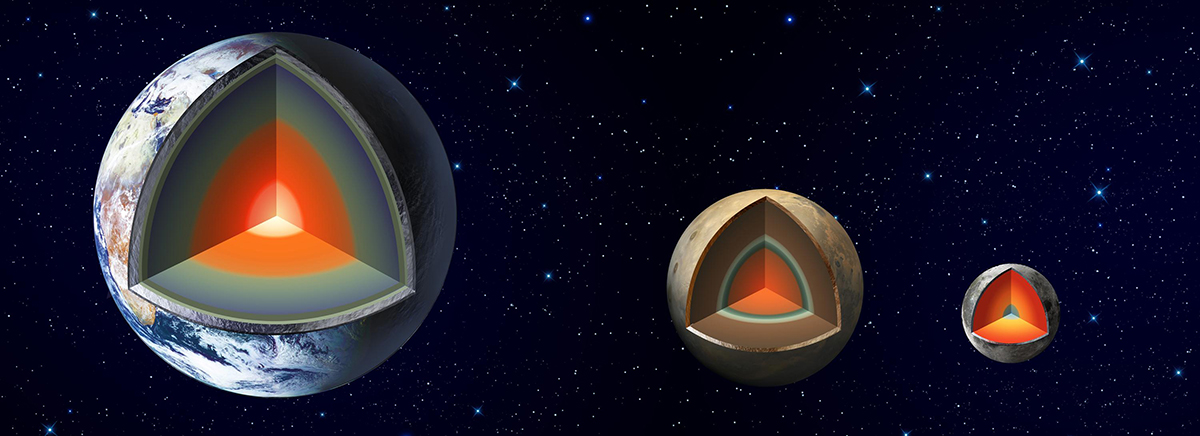
Earth has maintained an atmosphere over its entire history, so the team started with simulated planets with the same radius, 1.0 R⊕ (one Earth radius).
They then looked at planets with incrementally smaller radii, down to 0.5 R⊕.
Earth has a very dynamic surface, with its crust broken into several large fragments all moving around due to plate tectonics.
To simplify the simulation, the researchers considered rocky planets with a ‘stagnant lid’ crust, as seen on Venus and Mars.
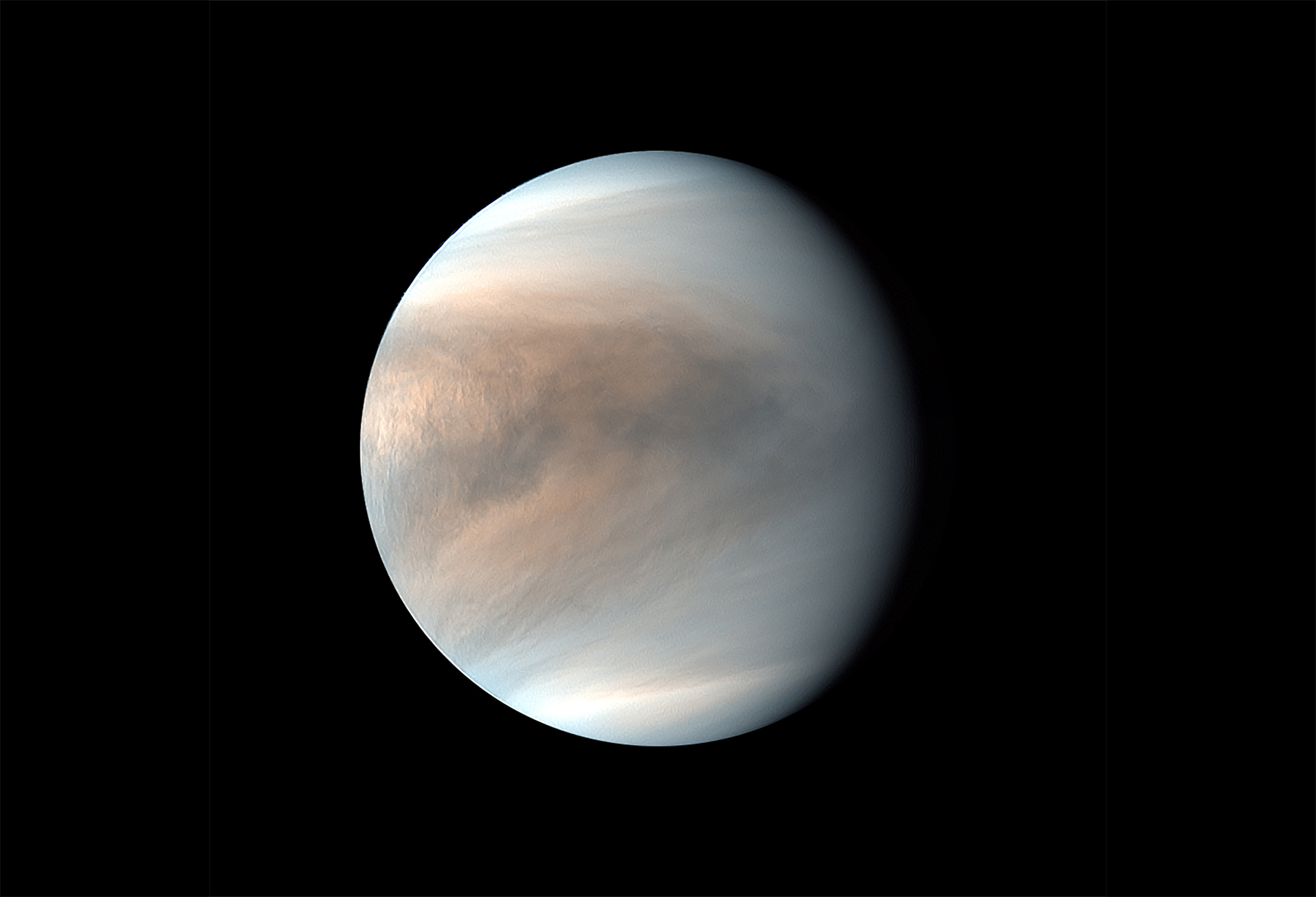
Their model calculated that a stagnant-lid planet orbiting a Sun-like star at Earth’s distance would need to be at least 0.8 R⊕ (that is, about 80% of Earth’s radius) to maintain an atmosphere for more than a billion years.
The smallest planet considered – at 0.5 R⊕ – was stripped of its atmosphere in just 30 million years.
They found an interesting case with the 0.7 R⊕ planet: it initially lost its atmosphere within 600 million years, but later redeveloped a tenuous one through continued volcanic outgassing once its star had reduced in activity, before finally being stripped again as outgassing declined.
Helping in the hunt for alien life
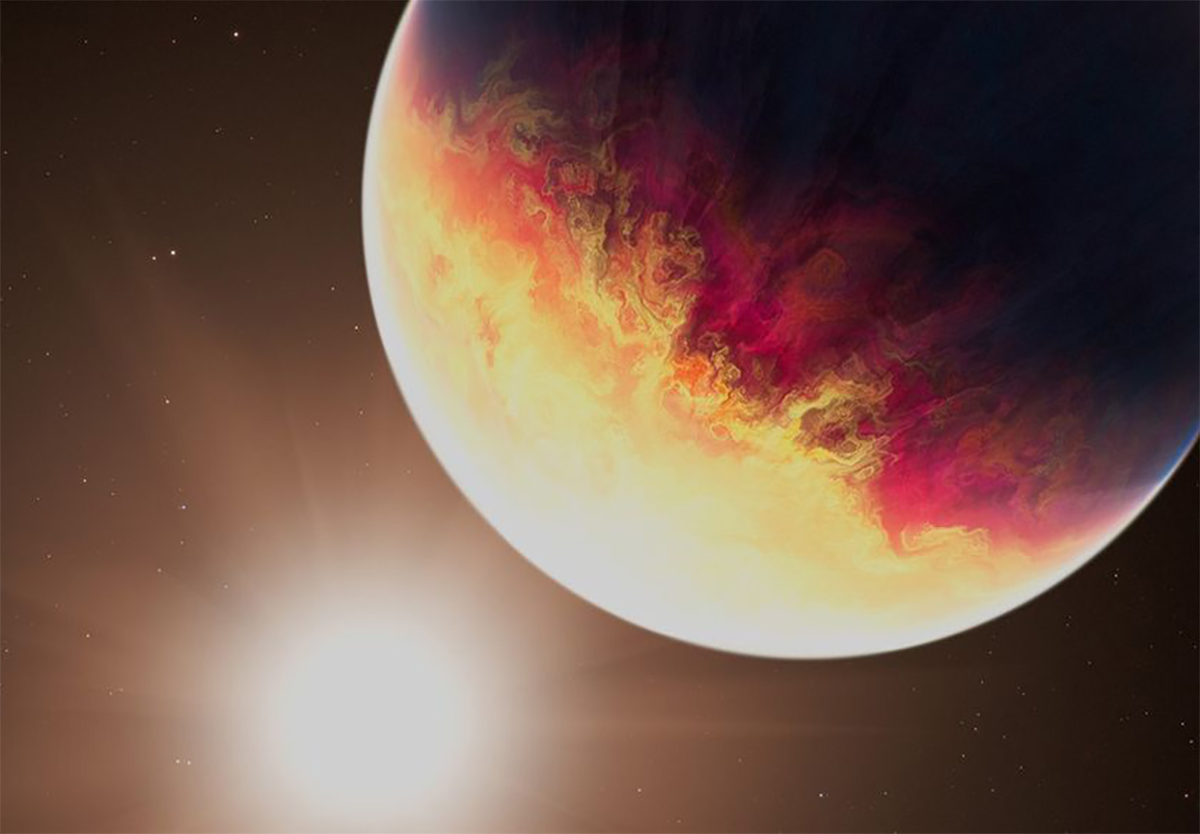
These results will be really useful when astronomers come to decide which small, rocky exoplanets to target in their search for biosignatures.
Those bigger than 0.8 R⊕ are most likely to have kept an atmosphere. But the model also raises the prospect of ‘second-chance planets’ – smaller worlds that initially lost their atmosphere, but redeveloped one later in their evolution.
If water was preserved during their airless phase – perhaps as subsurface ice deposits – they may still harbour life today.
Lewis Dartnell was reading Smaller than Earth Habitability Model (STEHM): The Lower Size Limit for Atmosphere Retention in the Habitable Zone by Michelle L Hill et al. Read it online at: arxiv.org/abs/2605.00170