
The third and final supermoon of 2025 rises this week on the evenings of 4/5 December.
This December full Moon is known as the 'Cold Moon', and the fact that it's a supermoon means it will technically appear bigger and brighter than usual.
But if you wait until Thursday and Friday to see the Cold Moon, you'll miss a rather special event, as the Moon is about to pass in front of one of the brightest and most beautiful star clusters in the winter sky.
This is an easy event to see for beginners, and here we'll go through where you need to look, and when.
Cold Supermoon?
The December full Moon is known as the Cold Moon because it rises during one of the coldest, darkest periods of the year.
Each of the monthly full Moons has acquired a range of nicknames over the years, which reference key events or changes in nature occurring during the month in question.
The June full Moon, for example, is known as the Strawberry Moon because early summer is the time when strawberries begin to ripen.
So it makes sense, then, that December's full Moon has become known as the Cold Moon.

This year, the December Cold Moon is also a supermoon, meaning it will (technically) appear bigger and brighter than normal.
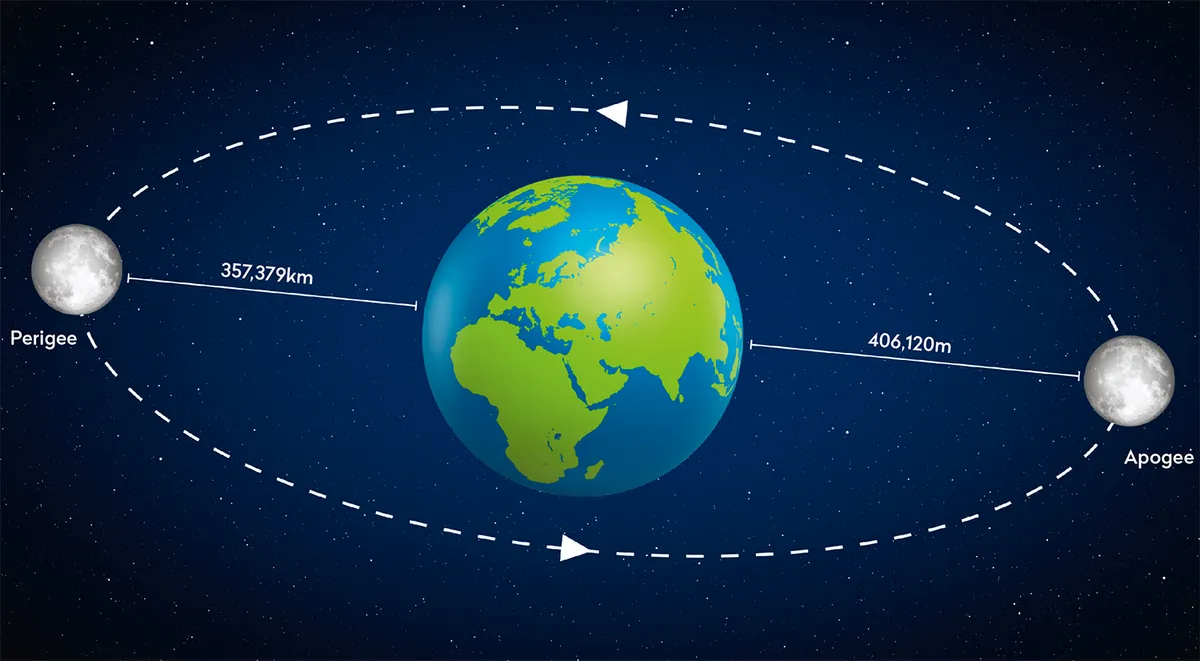
Supermoons occur because the Moon's orbit around Earth isn't a perfect circle. It's elliptical, which means sometimes the Moon is closer to Earth than at other times.
When the Moon is at its closest point to Earth, it's known as perigee. When it's furthest from Earth, it's apogee.
So the true astronomical name for a supermoon is a perigee full Moon.
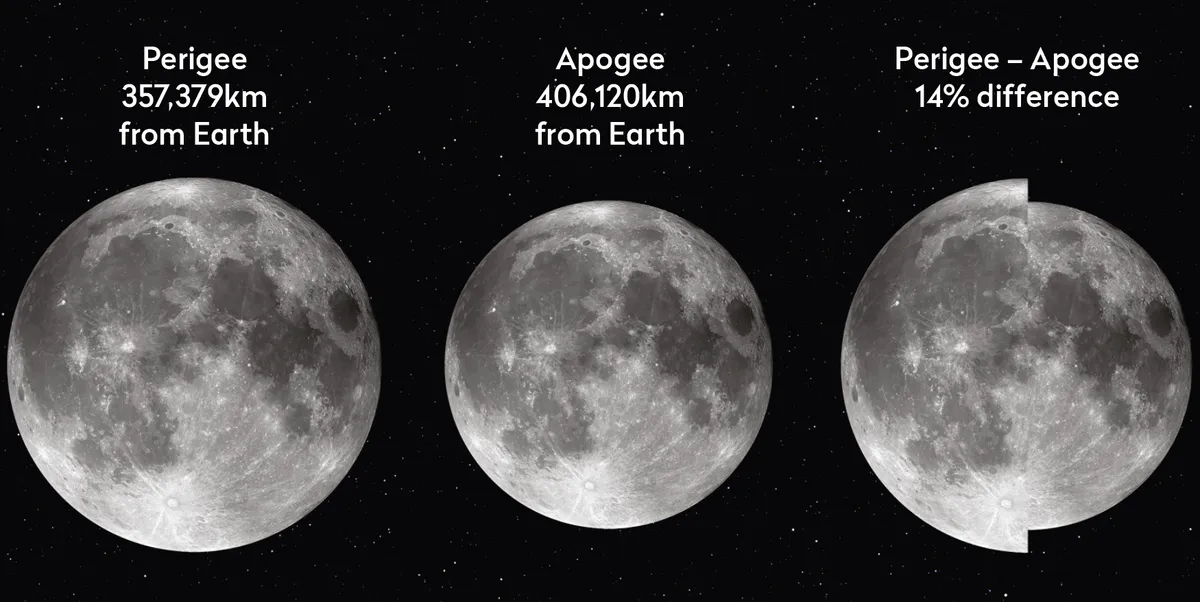
But will a supermoon really look much bigger than a 'regular' full Moon? In short, the answer is no. You're unlikely to notice much of a difference between the December 2025 supermoon and any other full Moon you've observed this year.
However, that's not to take for granted just how beautiful a full Moon can be.
And one of the best times to observe a full Moon is when it's close to another celestial object in the night sky, which is what's happening tonight, Wednesday 3 December.
Full Moon occults the Pleiades
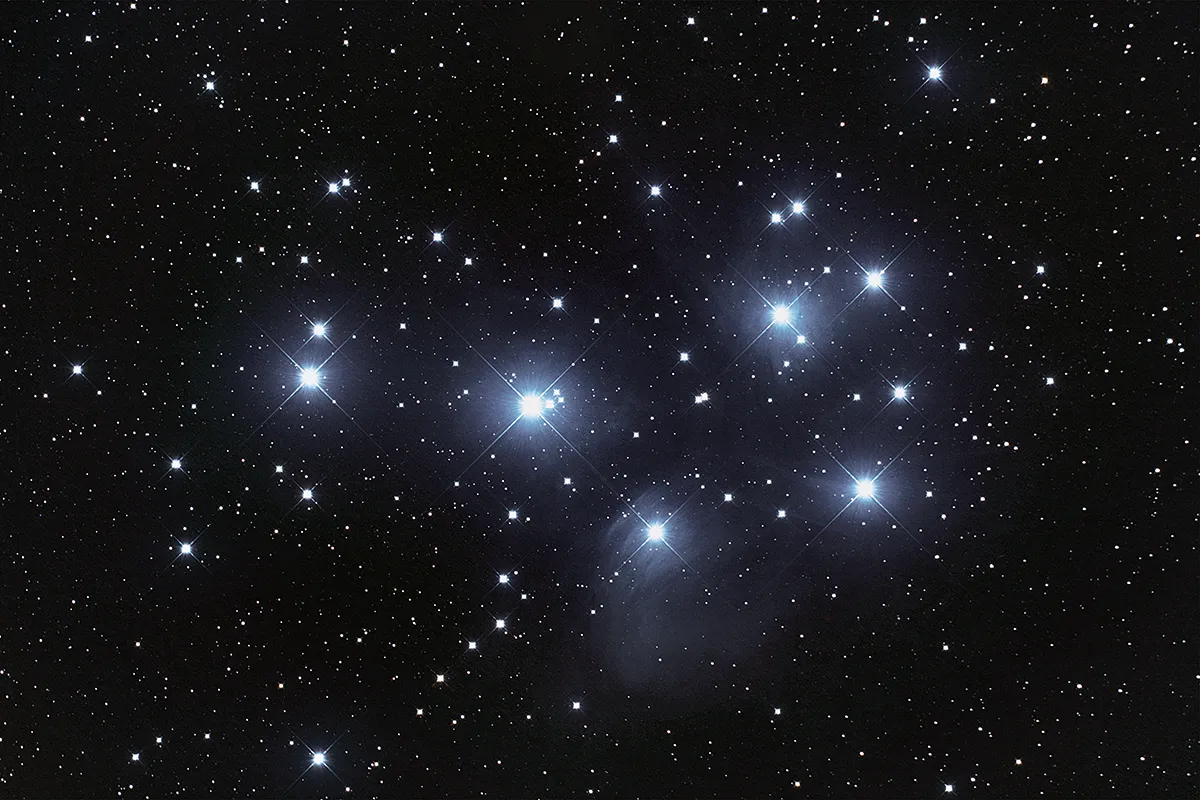
The Pleiades star cluster is a beautiful, blue collection of stars that looks like a 'smudge' with the naked eye.
But even a modest pair of binoculars will reveal the individual stars of the cluster and its ethereal, blue misty surroundings.
The Pleiades is also known as the Seven Sisters, which is a reference to Greek mythology.
If you do get a view of the Pleiades through binoculars or a telescope, you'll notice there are many more than seven stars within the cluster.
Take a look at the nearly-full Moon on 3 December, which should be in the eastern sky once the Sun sets, around 6pm.
You should hopefully be able to see the Pleiades to the Moon's left. If you keep observing the pair, you'll see the Moon getting closer to the Pleiades as they make their way across the sky to the south.
If you stay with them long enough, you'll be able to see the Moon pass in front of the Pleiades, from right to left.

What you'll see, and when, will depend on where in the world you're observing from.
If you're in the UK and Europe, you'll need to wait until the very early hours of 4 December, before sunrise, to see the lunar occultation of the Pleiades.
If you're observing from the eastern regions of North America, you'll see the Moon pass in front of the Pleiades in the early evening, 3 December.
If you're in the western parts of North America, the Moon may already be occulting the Pleiades by the time darkness falls on 3 December.
Either way, this wonderful event shows you shouldn't always wait until the Moon is full to observe it. Get out tonight and see if you can spot it.
If you do manage to see the Moon's encounter with the Pleiades tonight, share your observations and images with us by emailing contactus@skyatnightmagazine.com

