
The Lyrid meteor shower is arguably the best meteor shower of springtime, and it peaked this week, making right now one of your best chances of seeing a shooting star in springtime.
While we're now past the period of peak activity for the 2026 Lyrid meteor shower, the shower is technically still active tonight and into the early hours of Saturday morning.
These are our top tips for seeing a Lyrid meteor shower tonight.
For more info, read our complete guide to observing the Lyrid meteor shower.
For weekly stargazing advice delivered directly to your email inbox, sign up to receive the BBC Sky at Night Magazine e-newsletter.

The Lyrid meteor shower 2026 is active on 15–25 April, with the best views to be had on the nights of 21/22 and 22/23 April.
Ideally you would want to observe from midnight until dawn, as this is when the half-lit Moon will begin to set and the sky will be darkest.
Lyrids are 'shooting stars' in the night sky. They're actually pieces of dust and debris from comet C/1861 G1 Thatcher, burning up as they enter Earth's atmosphere.
During the peak nights, you could theoretically expect to see up to 18 meteors an hour, although this is what you would see under perfect conditions, so you should really expect to see fewer.
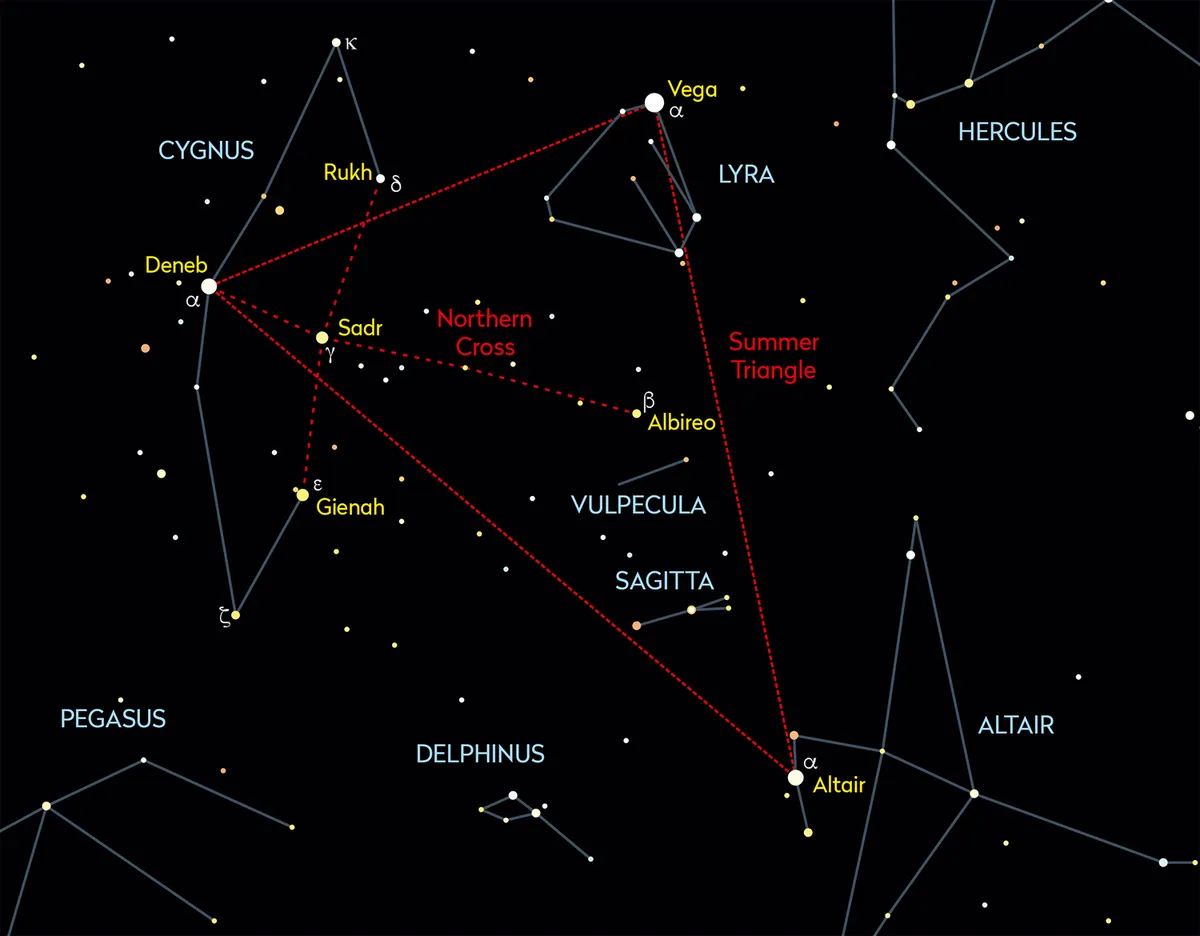
The radiant – the part of the sky from which Lyrids appear to originate – is between the constellations Lyra and Hercules (see our star chart above).
More advice

For the 2026 peak, the Moon is a thin crescent and low in the sky, meaning lunar glare shouldn't affect the view too much.
A watch from late evening into dawn on the nights of 21/22 and 22/23 April should deliver the best rates.
But if you want to wait until the weekend, you'll still be able to see Lyrid meteors on Friday night and into Saturday morning.
To observe the Lyrid meteor shower:
- Get to a dark location away from artificial light, and away from tall buildings and trees, if possible
- Wait 20 minutes in darkness for your eyes to adapt – you'll see more
- Avoid looking at bright light sources, like a mobile phone
- Use a reclining chair to avoid straining your neck from looking upwards
- Stare up at an angle about two-thirds up the sky
- Look in any direction, but preferably wherever the sky looks darkest
- Observe for periods of at least 30–60 minutes between short breaks.
- If you spot a meteor whose trail heads back towards the radiant point, you've seen a Lyrid!
Share your Lyrid meteor shower experiences and images with us by emailing contactus@skyatnightmagazine.com

