
The Orionid meteor shower peaks this week on 21/22 October. But what is the Orionid meteor shower and what time is it visible?
We asked Dr Mark Norris, an astronomer at the University of Lancashire, to give us his top tips.
"A meteor shower happens when Earth passes through debris left by a comet or asteroid as it moves through the Solar System.
"The small pieces of rock and ice, usually about the size of a grain of sand, hit our atmosphere at speeds above 30 km/s.
More on meteor showers
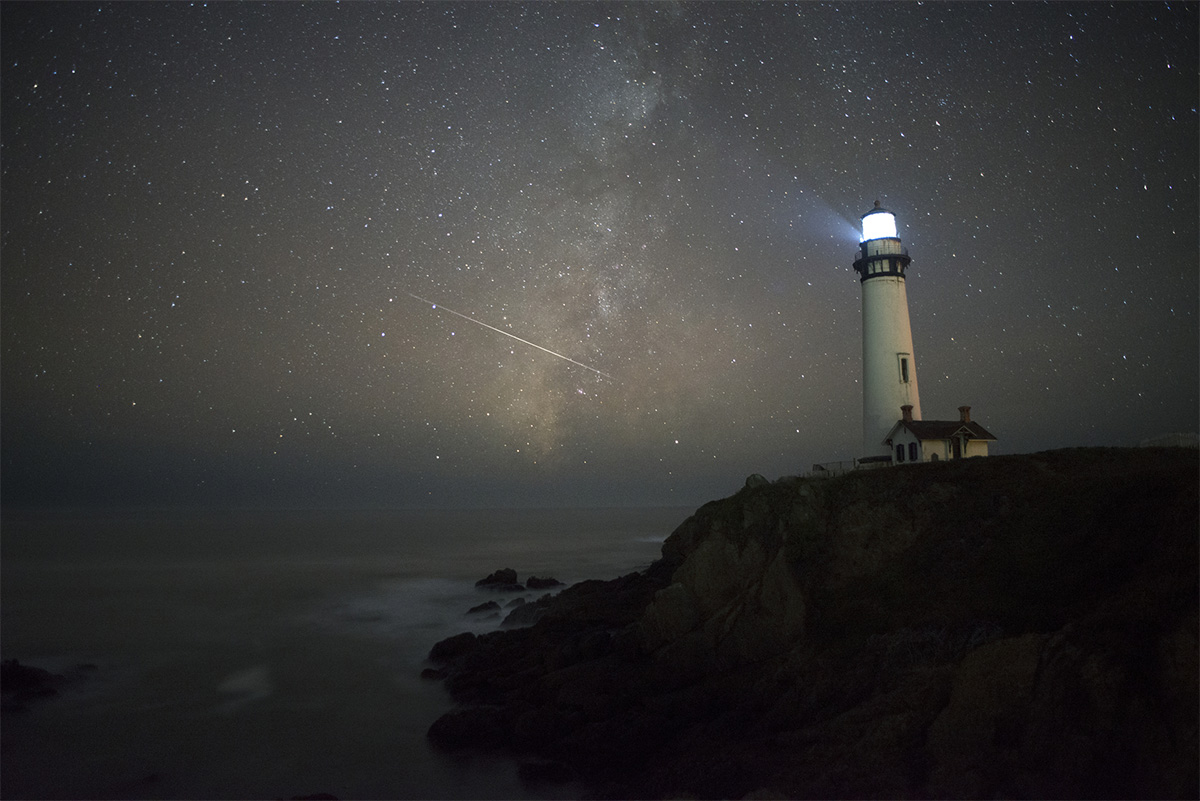
"Friction heats the meteors up, causing them to light up and glow brightly enough for us to see.
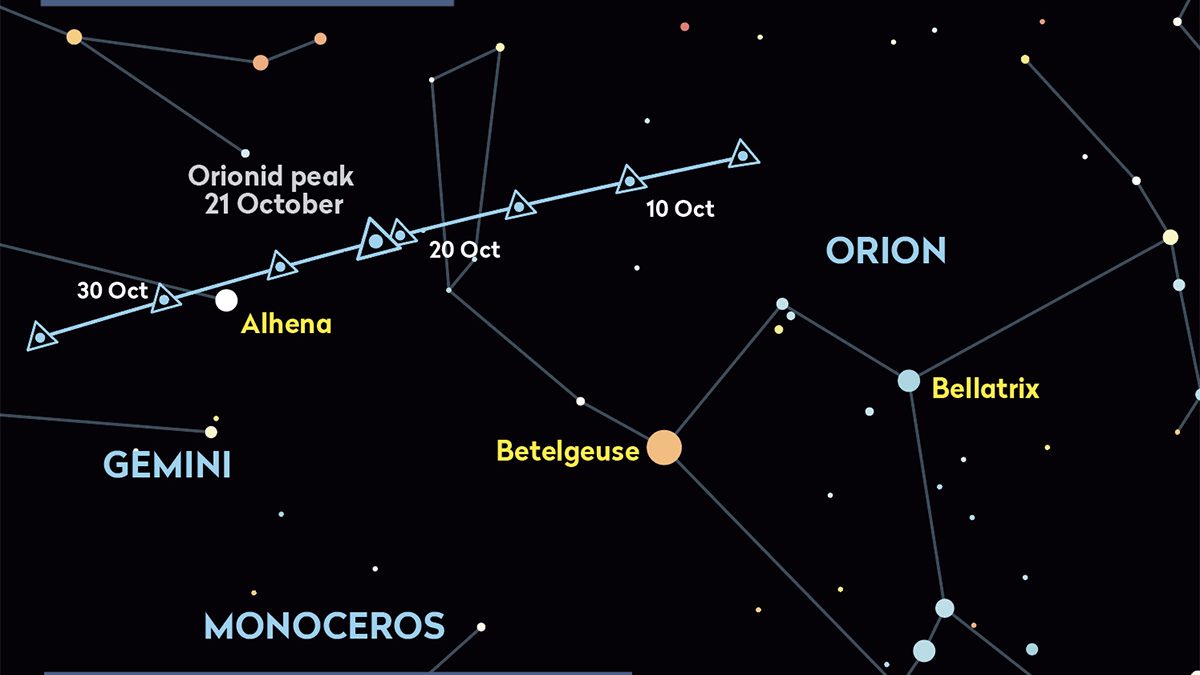
"The meteor shower is called the Orionids - named after the constellation of Orion that it appears to radiate from.
"The shooting stars will appear to emanate from a point slightly above and to the left of the bright red star Betelgeuse, which forms one of the shoulders of Orion.
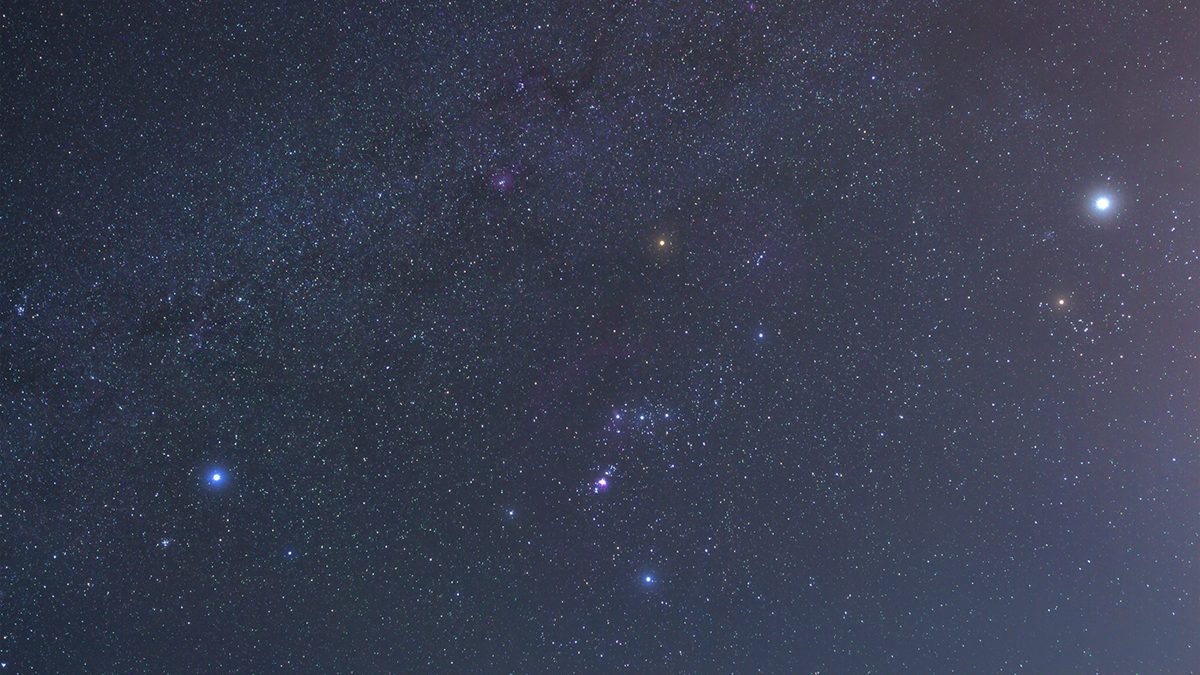
"For observers in the UK, the constellation will rise towards the South East late at night on 21 October. But it will be most impressive to watch close to dawn on 22 October when it will be highest in the sky.
"The shooting stars of this meteor shower originated as material ejected from the famous Halley's Comet.
"Halley’s Comet returns to the inner Solar System every 76 years, and last visited us in 1986.
"During especially active periods, as many as 75 shooting stars from this comet can be seen per hour, but more typical years have 10 - 20 per hour."
Share your meteor shower observations and images with us by emailing contactus@skyatnightmagazine.com

