
The Perseid Meteor Shower is one of the best meteor showers of the year and is currently at its best because tonight, 12/13 August, is the period of peak activity.
And luckily for us, in 2026 the Perseid meteor shower occurs on the same date as a solar eclipse.
That means the Moon is in front of the Sun and will have set by the time darkness falls, which is good news because the glare from the Moon could otherwise wash out the sky, meaning you'd see fewer meteors.
In 2026, the Moon will be completely out of the way right at peak Perseids, making for potentially perfect conditions.
To get the full picture, read Sky at Night presenter Pete Lawrence's fantastic guide to the Perseid Meteor Shower, or get professional astronomer Paul G. Abel's top tips on observing the Perseid Meteor Shower.
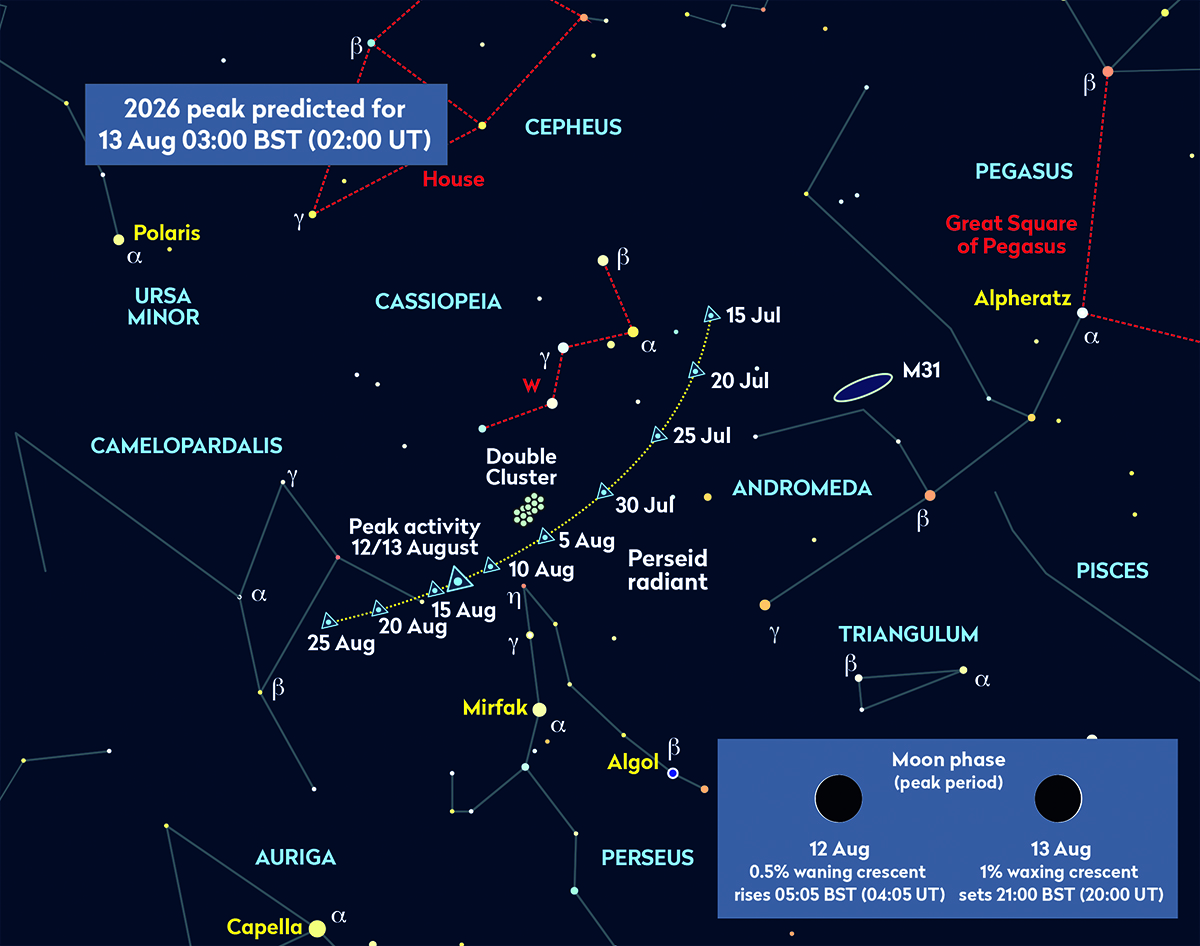
Why the Perseid Meteor Shower 2026 is so good
The Perseid Meteor Shower is known as one of the most prolific of the annual meteor showers because of the number and frequency of meteors you might expect to see.
But this is not the only factor that affects how good a meteor shower is. The Moon (or lack thereof) also plays a big part.
One of the reasons the 2026 Perseid Meteor Shower peak is predicted to be so good is because, right at the point of the peak, the Earth-facing side of the Moon will be completely dark and will set long before nightfall, meaning there's no lunar glare to spoil the peak observing period.
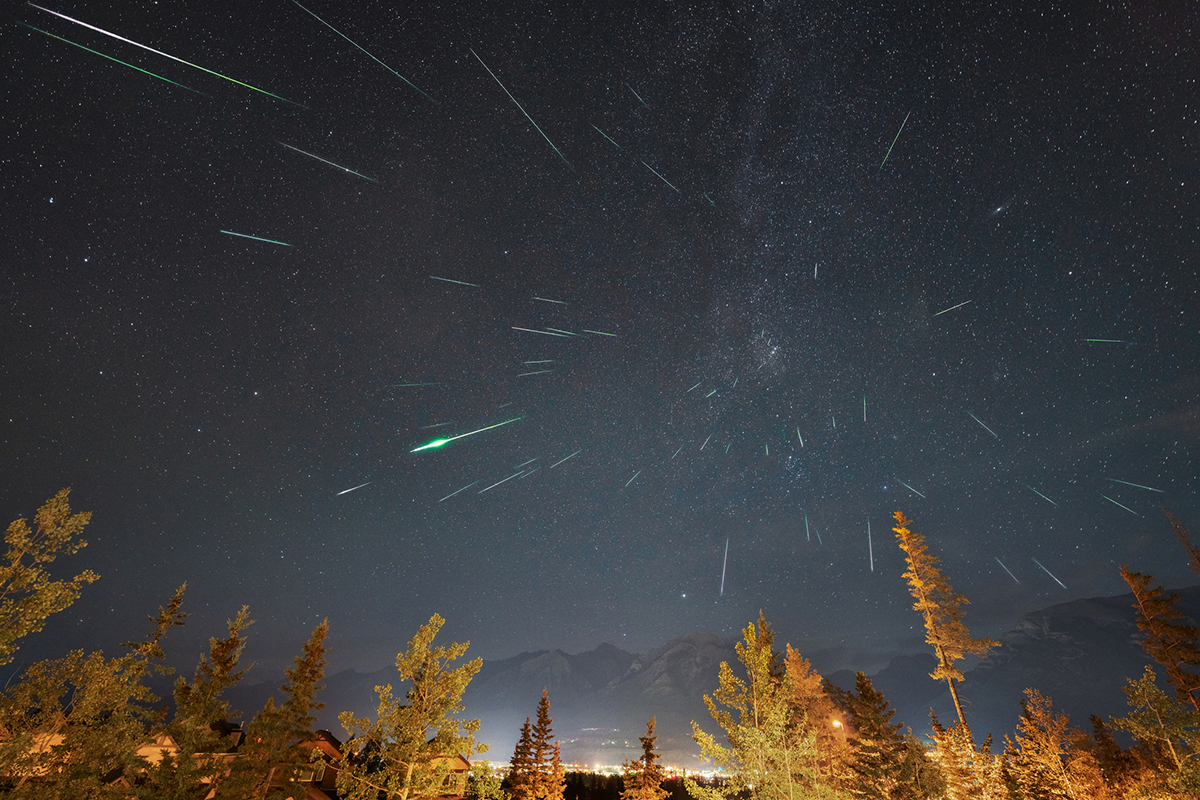
How to see the Perseid Meteor peak - top tips
For the best chance of seeing a Perseid meteor, you'll want to observe quite late.
So if you're planning to watch the Perseid Meteor Shower with kids, we'd suggest getting a bit of rest after the hype of the solar eclipse (and perhaps even a nap?)
Here are some top tips to help you, your family and friends see a Perseid tonight.
- Set out something to lie on in the darkest part of your garden – a sunbed is perfect.
- Turn out all the lights in your house and position yourself away from sources of artificial light like streetlights
- Better still, get away from light pollution and to a dark-sky site, provided it's safe to do so
- If you've been out to a clear, open space like a park or field to see the eclipse, you could return there again for the Perseids – again, provided it's safe to
- Aim to observe from 23:00 BST until 03:30 BST.
- If you can’t do the whole period, from 01:00 until 02:00 BST is recommended
- If that's too late for a school night, just observe once it gets dark – you still have every chance of seeing one
- Wrap up warm and avoid any lights that will affect your night vision
- Need to find your way or check your phone? Use a red light torch and turn your phone's screen red
- Your eyes adapt to the darkness over a period of about 20-30 minutes, helping you see more
- Look up to a height around two-thirds up the sky; any direction will do
- You're looking for bright streaks of light that appear to emanate from the constellation Perseus
Most of all, have fun, and don't forget to share your meteor-watching experiences with us via contactus@skyatnightmagazine.com

