
The Strawberry Moon is here, marking the first full Moon of summer.
'Strawberry Moon' is the name given to the full Moon in June, because June is traditionally the month when wild strawberries are ready to be picked.
And yet, if you do a quick search online for this week's Strawberry Moon, you'll likely see it being referred to as a 'micromoon'.
More on the Moon
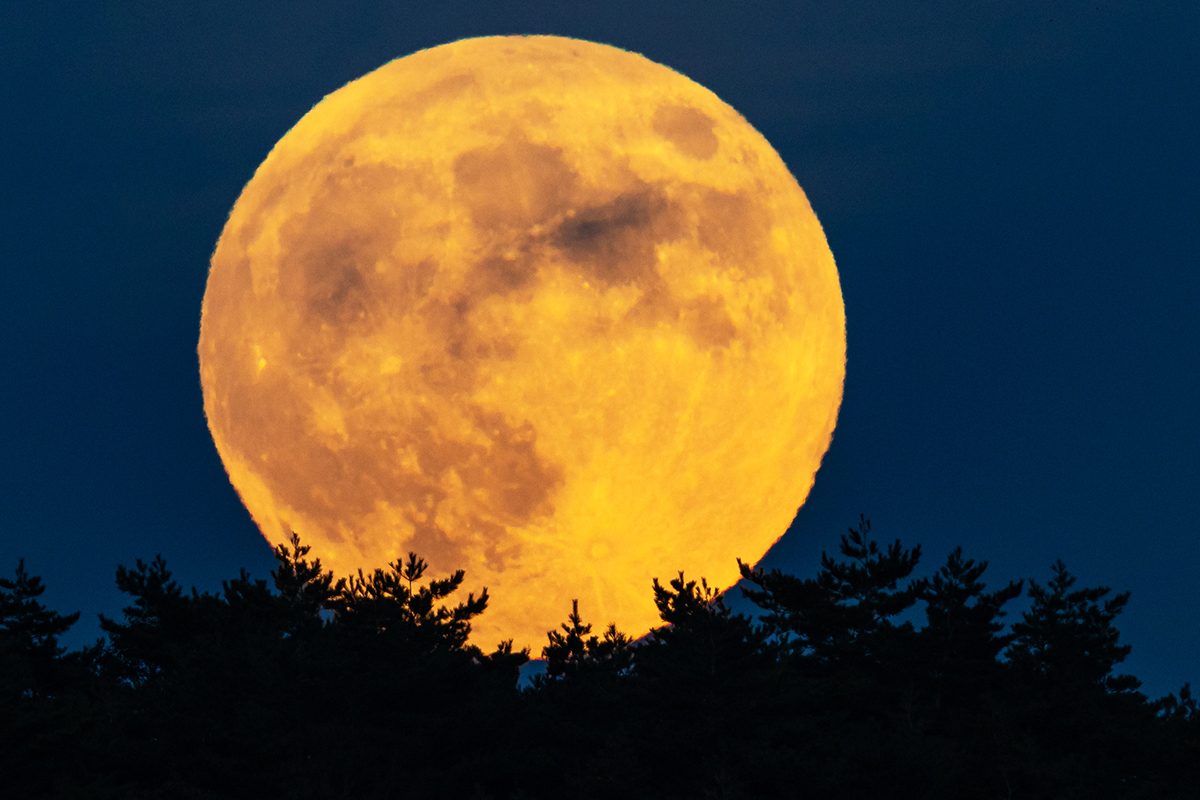
That should mean, theoretically speaking, that the Strawberry Moon will be one of the 'smallest' full Moons of 2026.
But from our perspective on the ground, that's not likely to be the case. In fact, it's likely to appear enormous.
Here, we'll explore why.
What's a micromoon?
In essence, a micromoon is the opposite of a supermoon.
Supermoons seem to get all the headlines and all the hype, when in reality both supermoons and micromoons are caused by the same thing: the Moon's orbit around our Earth.
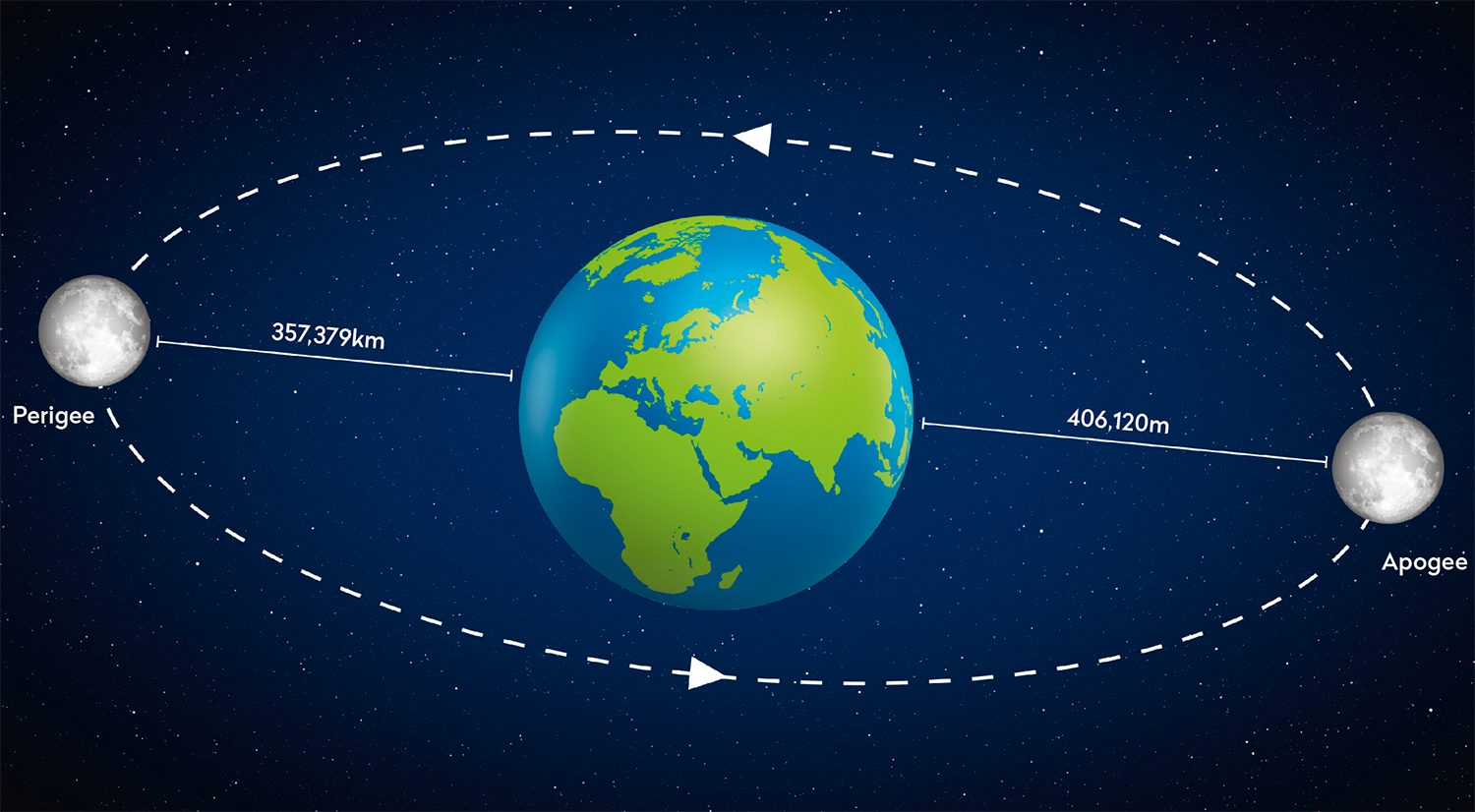
The Moon orbits Earth in a slightly squished or elliptical orbit. That means sometimes the Moon is farther away from Earth than at other times.
When the Moon is at its closest point to Earth – known as perigee – at the same time that it's full, its apparent size in the sky is technically bigger than usual. We call this a supermoon.
When the Moon is at its farthest point from Earth – known as apogee – at the same time that it's full, its apparent size in the sky is technically smaller than usual. We call this a micromoon.
Astronomers will tell you, however, that the terms 'supermoon' and 'micromoon' are a bit of an exaggeration, and these full Moons aren't noticeably different in size from a 'regular' full Moon.
Nevertheless, the 2026 Strawberry Moon is technically a micromoon because the Moon is full around the same time that it's farthest from Earth in its orbit. That means it should appear smaller than usual.
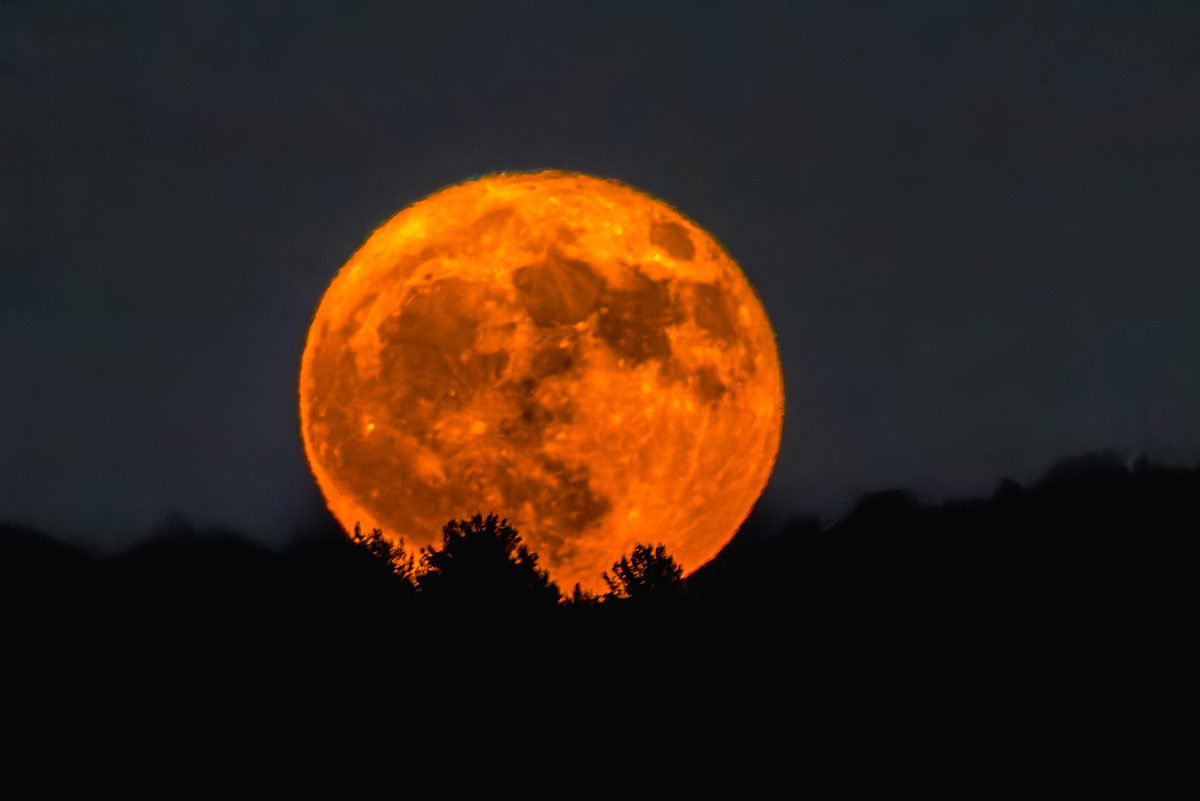
But if you've noticed the nearly-full Moon close to the horizon over the past few nights, you'll likely have noticed that it looked enormous.
So what's going on?
Why the Moon looks enormous
Full Moon occurs when the Moon is opposite the Sun in the sky – which is why the whole of the Earth-facing side of the Moon is basked in sunlight.
As a result, the full Moon mirrors what the Sun is doing in the sky: as the Sun is setting in the west, the full Moon is rising in the east.
This also means that summer full Moons are low in the sky (because the Sun is high in the sky) and winter full Moons are high in the sky (because the Sun is low in the sky).
This is true of the Strawberry Moon, the full Moon in June.
It rises in the southeast at sunset and tracks low across the southern portion of the sky, setting in the southwest around sunrise.
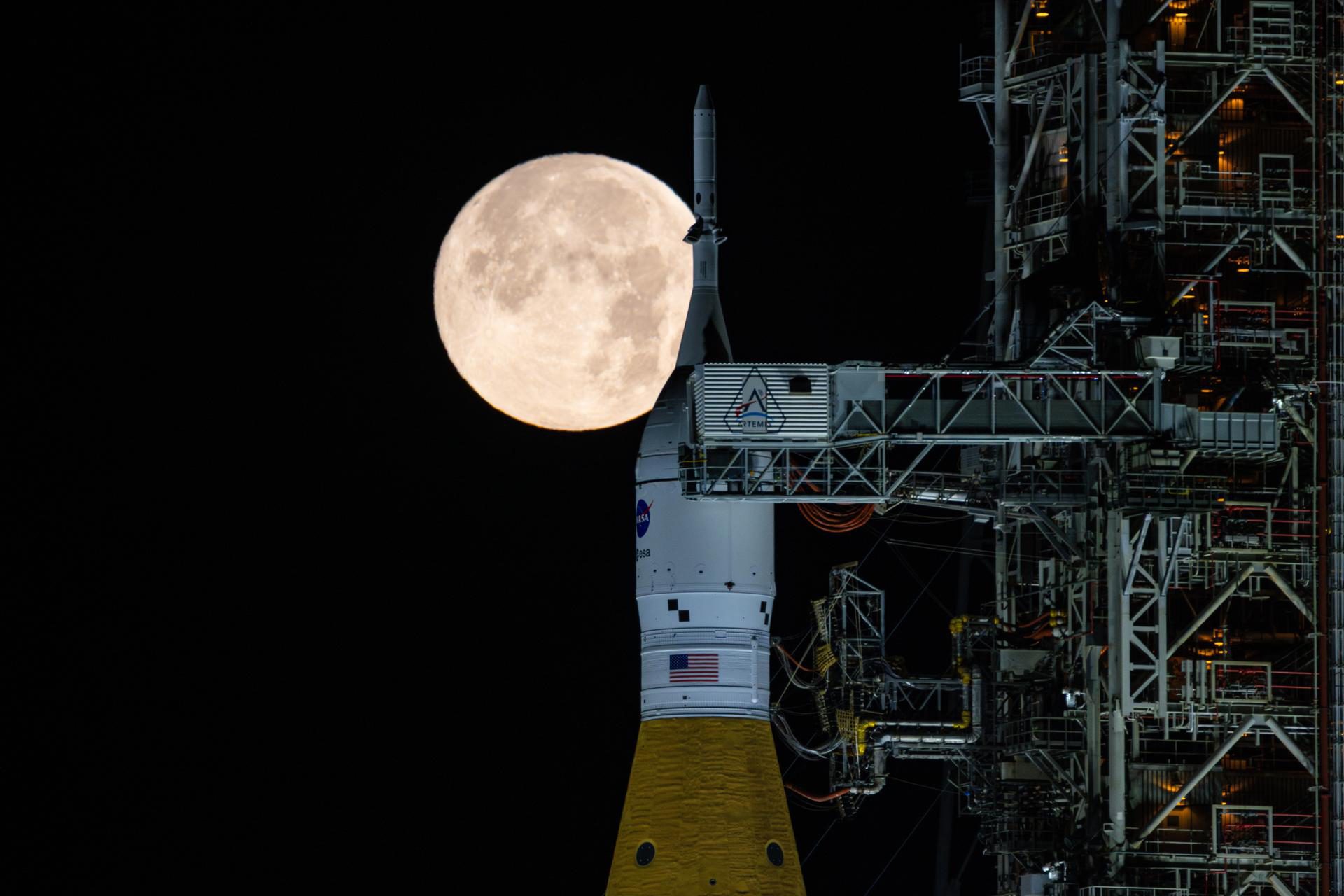
And because the Strawberry Moon will skim the horizon, you may notice it looks much bigger than usual.
This is an effect known as the Moon illusion, which is often observable when the full Moon is close to the horizon.
There isn't an agreed, definitive reason as to why the Moon illusion occurs.
One theory is that the full Moon looks enormous when it's close to the horizon because of how we perceive the night sky as a dome above our heads, which affects how we perceive high full Moons vs low full Moons.
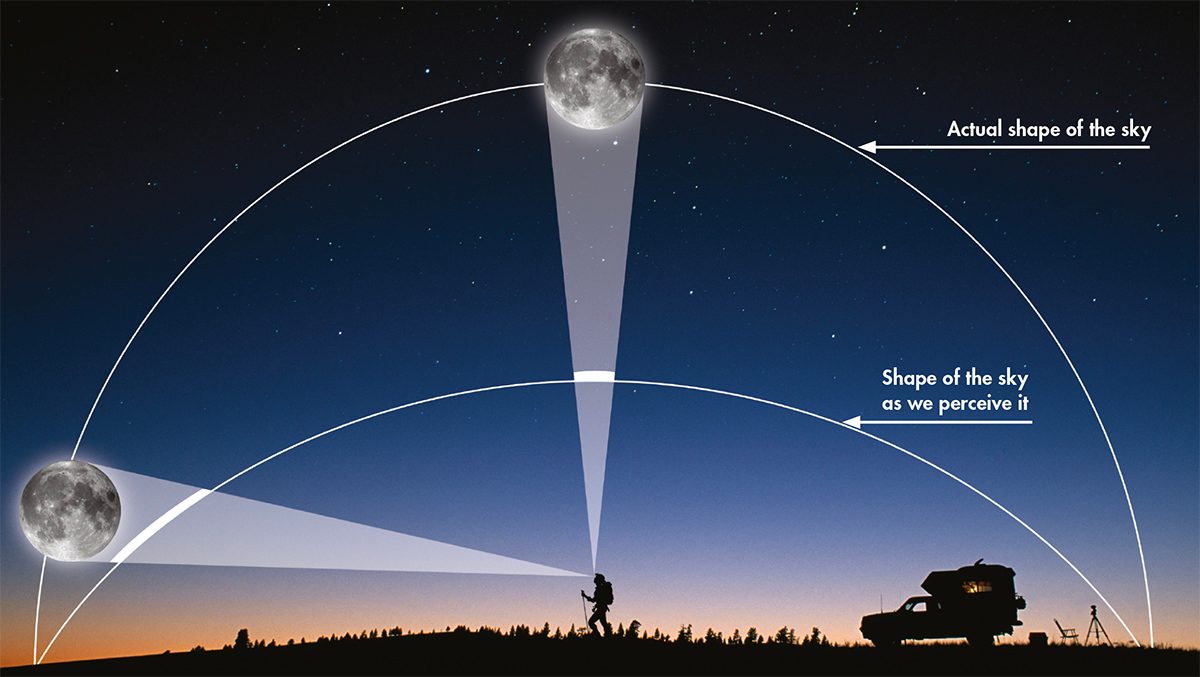
Another theory is because a low-lying full Moon is closer to the ground, making it seem bigger than large foreground objects like trees and buildings.
Either way, the effect of the Moon illusion can often cause observers to do a double-take, as it can really be a startling sight.
You might initially think you're looking at the setting Sun, until you notice that it's in the eastern portion of the sky at dusk and, therefore, must be the full Moon.
So rather than being a tiny micromoon, because of its low-lying nature, if you look at the Strawberry Moon tonight, you may instead see an enormous full Moon hanging just above the horizon.
Share your observations and images of the Strawberry Moon with us by emailing contactus@skyatnightmagazine.com

