
A photography student at Arts University Bournemouth (AUB) in the UK has captured images of the very fabric of our Universe.
He created what is believed to be the first photographic artwork produced directly by cosmic radiation, after sending analogue film to the edge of space aboard high-altitude weather balloons.
More amazing photography
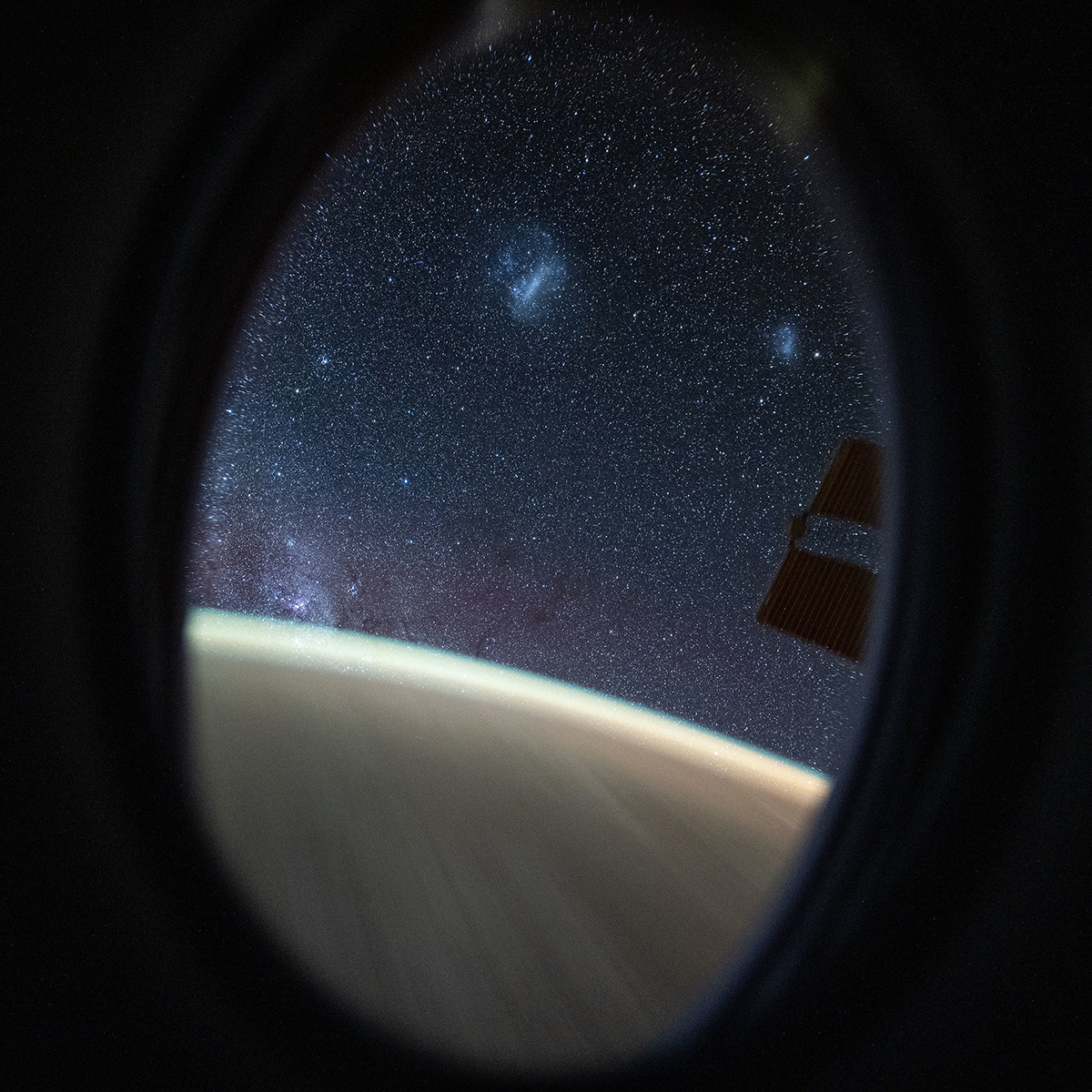
Third-year BA (Hons) Photography student Tom Liggett developed the project, known as HELIOS, to investigate whether the invisible energy of the Universe could be recorded on photographic film without the use of a camera or lens.
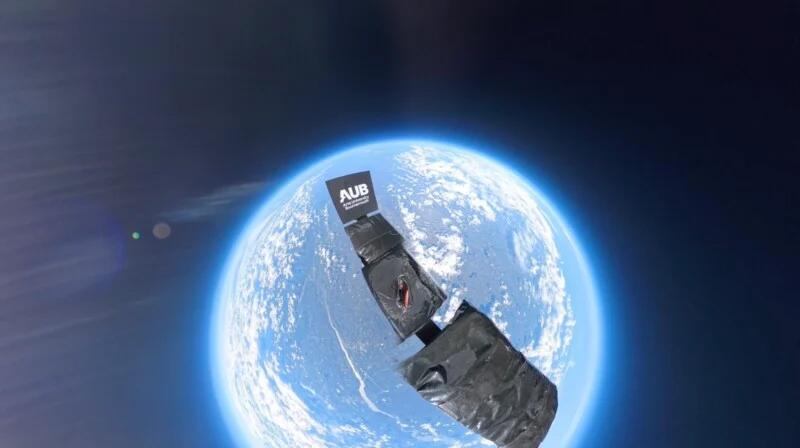
The experiment involved launching sealed film negatives more than 121,000 feet into the stratosphere, well above the atmospheric layers that normally shield Earth from high-energy particles and ultraviolet radiation.
The negatives were kept inside a lightproof dark bag throughout the flights, ensuring any marks appearing on the developed film resulted from direct interactions with cosmic radiation, UV-C light and other energetic particles.
For the latest launch, Liggett travelled to New York State and worked with specialists from Filmed In Space to design and recover a custom payload.
After the balloon burst at an altitude of more than 100,000 feet, the equipment landed around 50 miles away in neighbouring Connecticut, where the film was successfully retrieved.
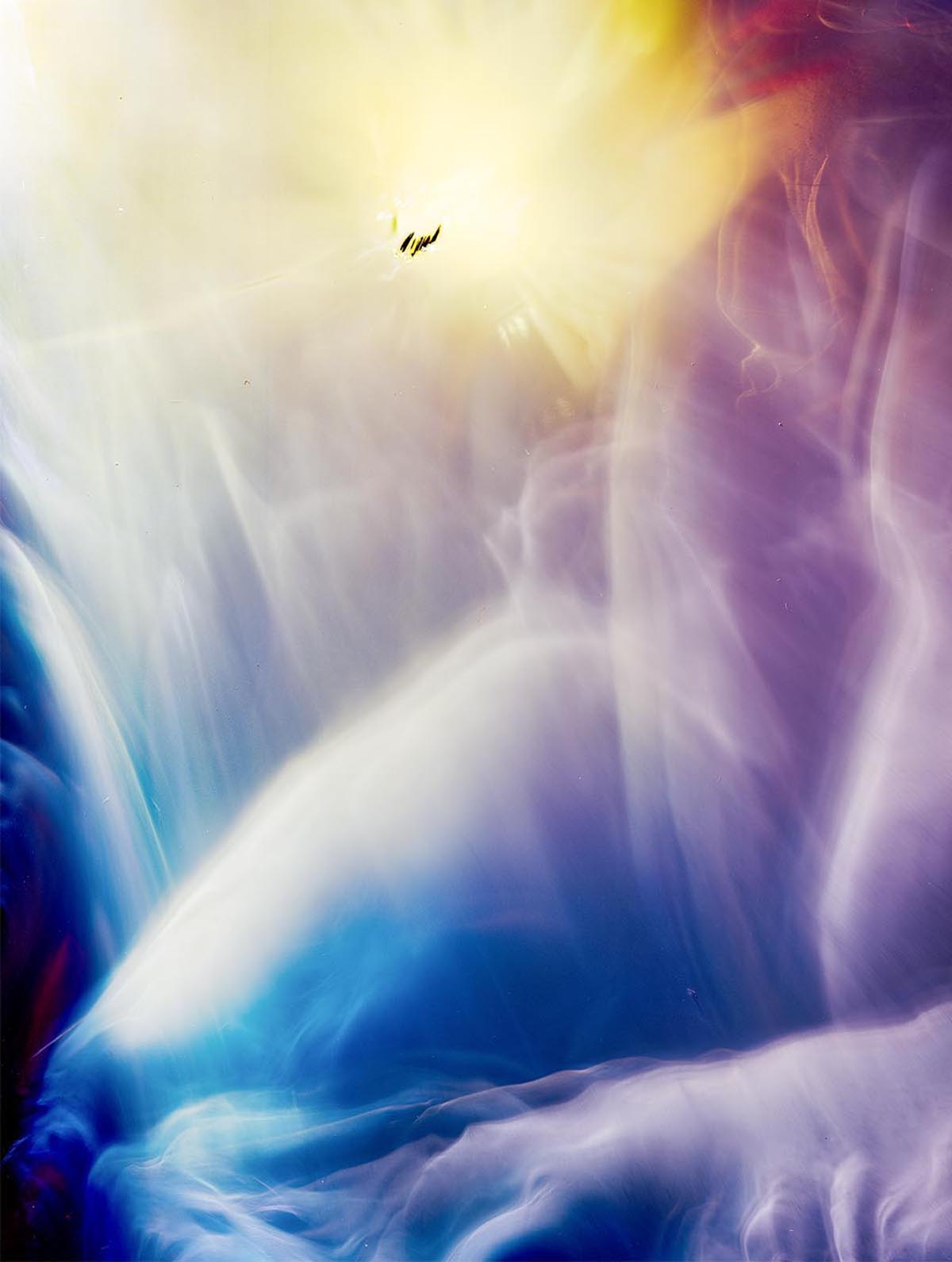
The resulting images display colourful abstract patterns created by the interaction of radiation with the film emulsion.“
"Even if it was a completely blank image with a tiny alteration in the film, I would have been happy," Liggett says.
"But to get these celestial abstract results, which are forged from black holes and the sun's radiation... I was very shocked, but really happy. I’ve turned a dream into a reality and it feels surreal!"
Researchers and photographers have previously used film in space missions, but AUB says HELIOS is unique because the radiation itself forms the image rather than being treated as an unwanted artefact.
Liggett now hopes to send larger film formats deeper into space, expanding the project further.
See more of Tom's work at www.tomliggett.co.uk

