A new study has found that the human body is quite capable of travelling to Mars and then moving about on the Martian surface happily...
Just as long as the human being in question has been getting plenty of cardiovascular exercise during the journey.
It has long been known that journeys into space take their toll on the human body, with one of the effects being a sudden drop in blood pressure upon re-exposure to higher gravity.
More about humans on Mars
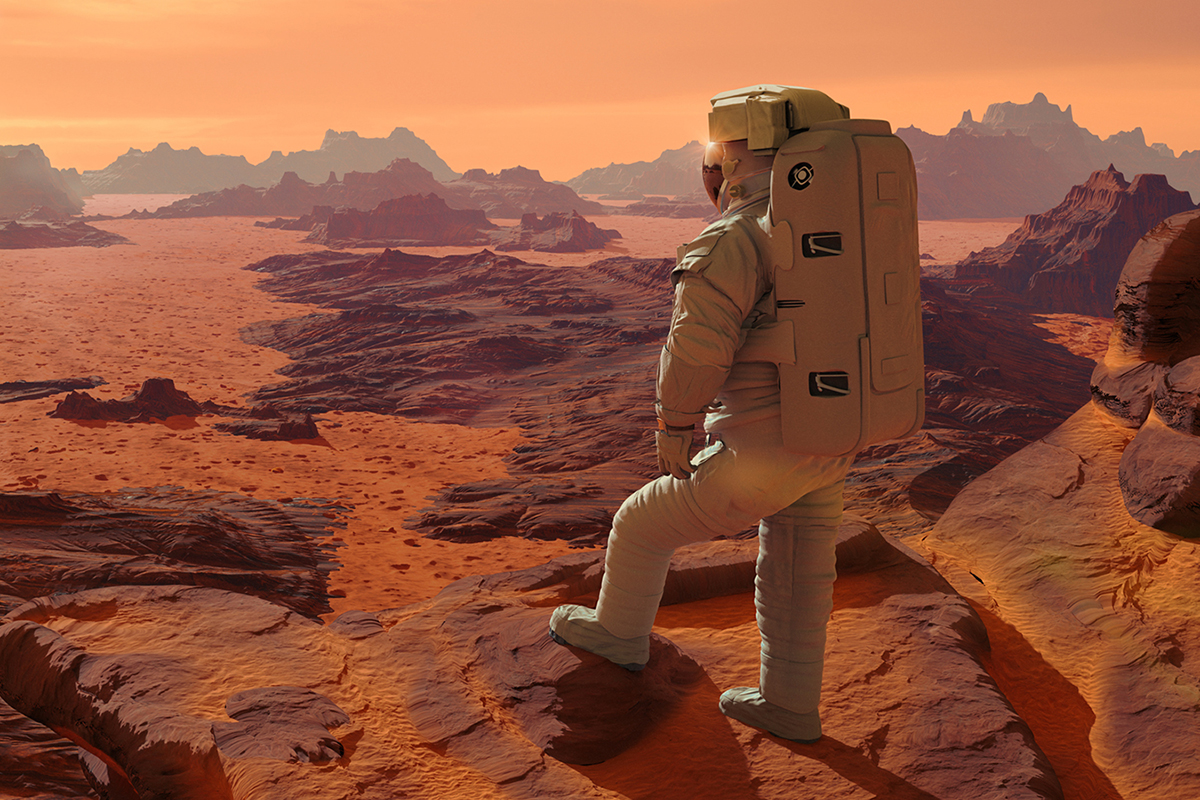
Many early astronauts reported dizziness when they returned to Earth after spending time in the low-gravity environment of space – and that was just after the relatively short journey to the Moon and back.
So how can humans expect to last the long journey to Mars in a weightless environment, then have the strength to survive and work on another world?
The problem with humans on Mars
The problem is because Mars is, on average, about 585 times further from Earth than the Moon.
And it can be anywhere up to 1,040 times further, depending where the two planets are in their orbit around the Sun at the time.
That’s a pretty big step-up – and it has led many naysayers to argue that the human body simply couldn’t withstand being in microgravity for that long, then transitioning to the relatively low-gravity environment on Mars (Mars’s gravity is around one-third of Earth’s).
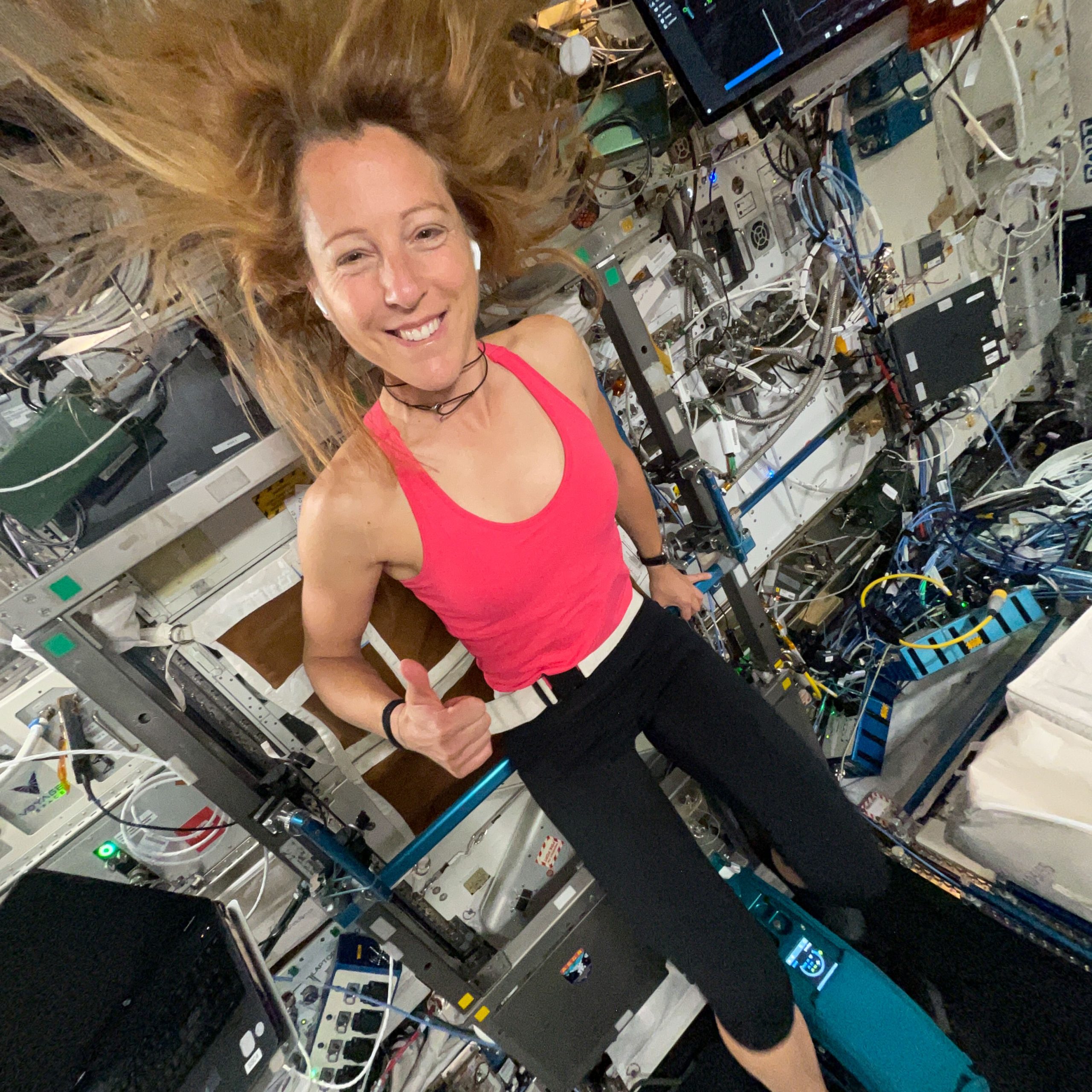
Could cardio be the solution?
A scientific study conducted by the medical faculty at Northwestern University in Illinois, USA suggests that the latter assumption is erroneous.
The Northwestern team, led by Dr James Thomas, a professor at the university’s Feinberg School of Medicine, were studying how the human heart responds to Martian gravity after a prolonged period spent in microgravity.
To do this, they had to simulate Martian gravity on Earth, which they achieved by tipping astronauts through 22 degrees relative to the horizontal.
This causes blood to sink to the feet and legs, mimicking the orthostatic hypotension (sudden drop in blood pressure) described above.
Now back to the astronauts themselves, who were closely monitored throughout six-month sojourns on the International Space Station, with echocardiograms (heart scans) taken of each astronaut before, during and after their missions.
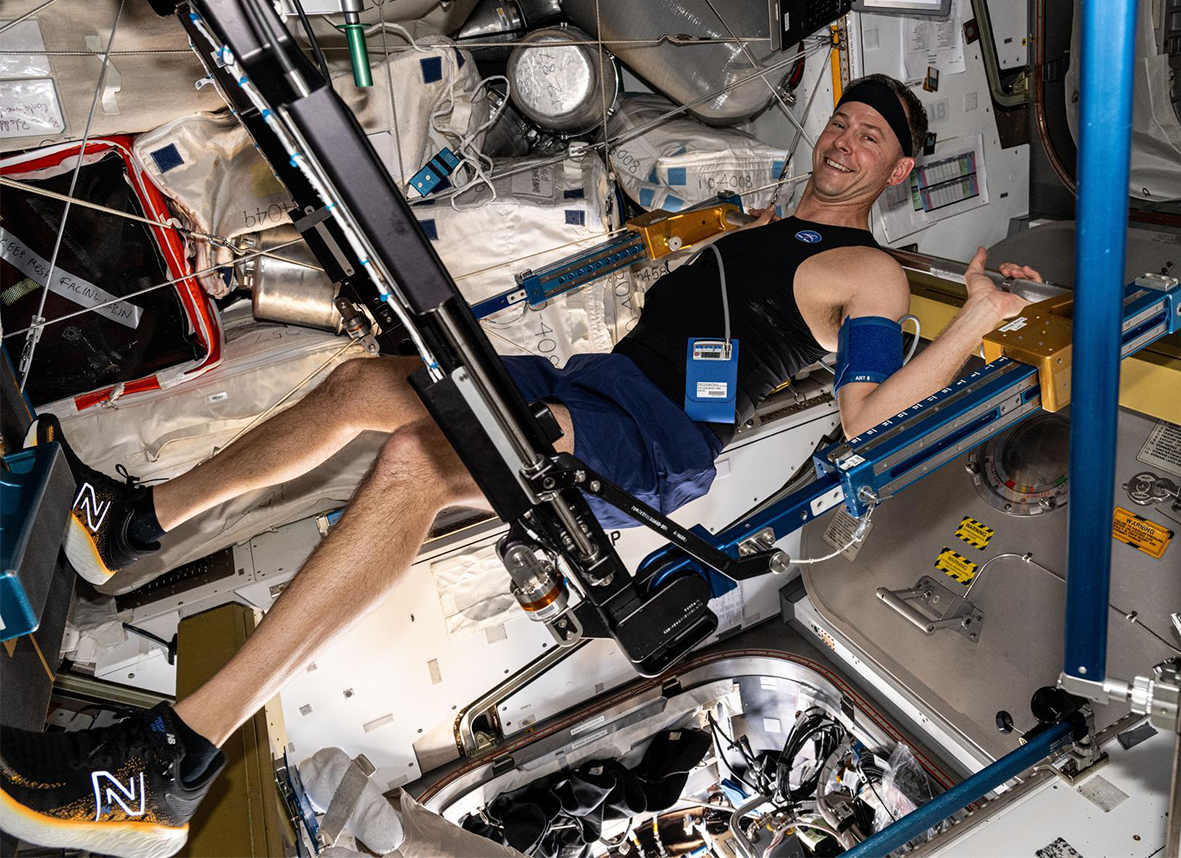
During their time on the ISS, the astronauts followed NASA’s Exercise Countermeasures regime, which required them to work out for up to two hours per day, including 30 to 45 minutes of endurance exercise and 60 to 75 minutes of resistance training.
"You lose muscle mass and cardiac mass when you’re in a weightless environment because you are working less up there," explains Thomas – who, for the duration of the study, was often up at 3am to analyse live biometric feedback from these workout sessions.
"To counter that, exercise is crucial when you’re in space."
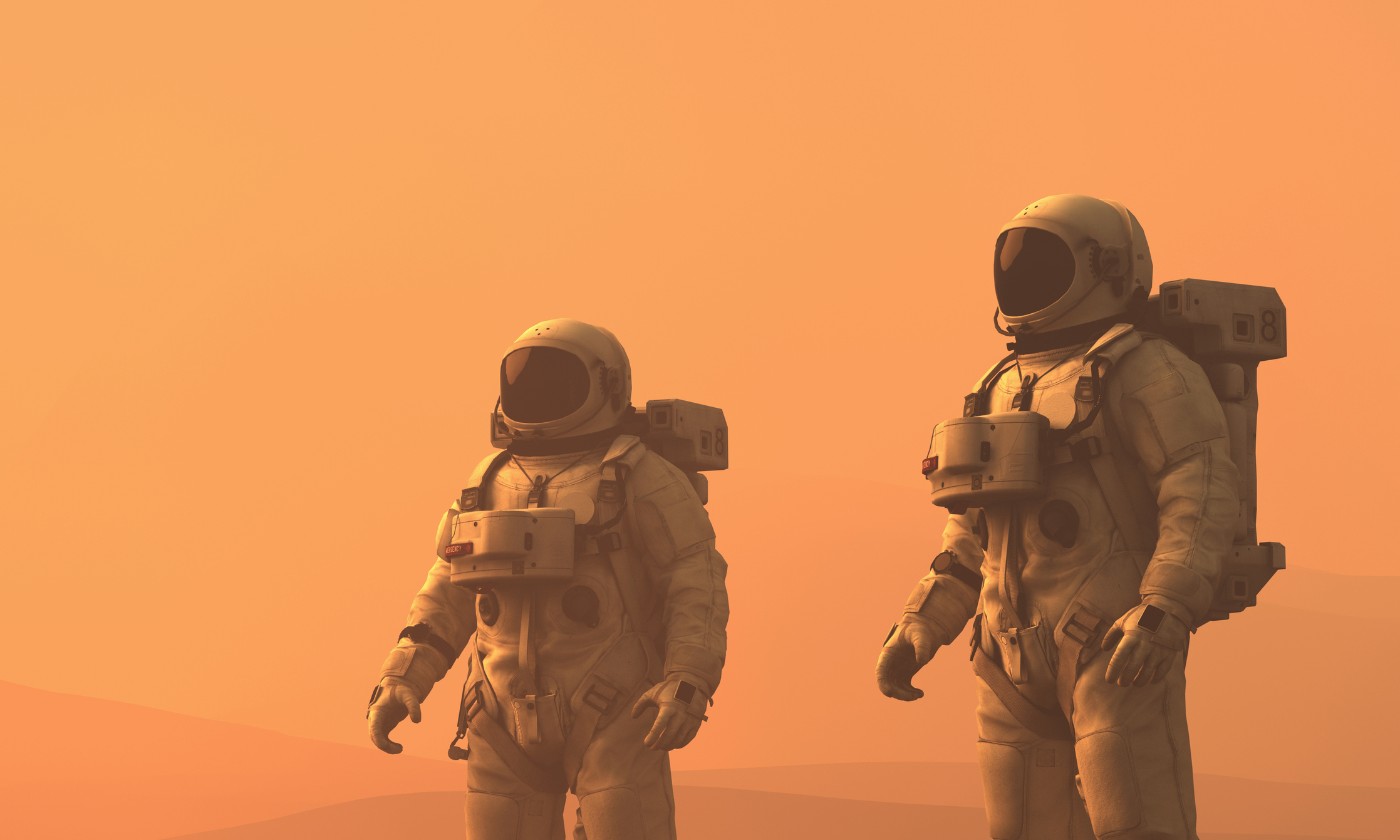
The results are in – is this the solution to life on Mars?
What Thomas and his team discovered was that being in microgravity did have a detrimental effect on heart performance – at first.
For a couple of weeks, the astronauts’ hearts were pumping less blood than normal, but the study found that after a few weeks of regular exercise, this effect abated and eventually disappeared.
The astronauts’ hearts had, in other words, adjusted to microgravity thanks to the exercise programme.
What’s more, upon their return to Earth, their hearts continued to perform just as well in the simulated Martian gravity environment as they had under normal conditions before they left.
"With our findings, there is now reason to think that we would be able to traverse to Mars, get there and actually work on the surface of Mars," James said.
The team’s results were published on 15 September 2026 in the American Heart Association journal Circulation.