Venus has been stunning in the morning sky throughout November 2026 but, until recently, planet Mercury has proven quite tricky to spot.
Mercury currently rises very close to sunrise and has only just emerged into a relatively prominent position in the pre-dawn sky.
This morning, Friday 20 November 2026, I crept out of the house under darkness and made my way to my nearest 'dark-sky' location, our local park.
Taking advantage of a clear, flat view of the horizon towards the southeast, I was able to spot Venus shining like a bright beacon from my dark, clear UK sky at around 06:00 UTC.
More stargazing
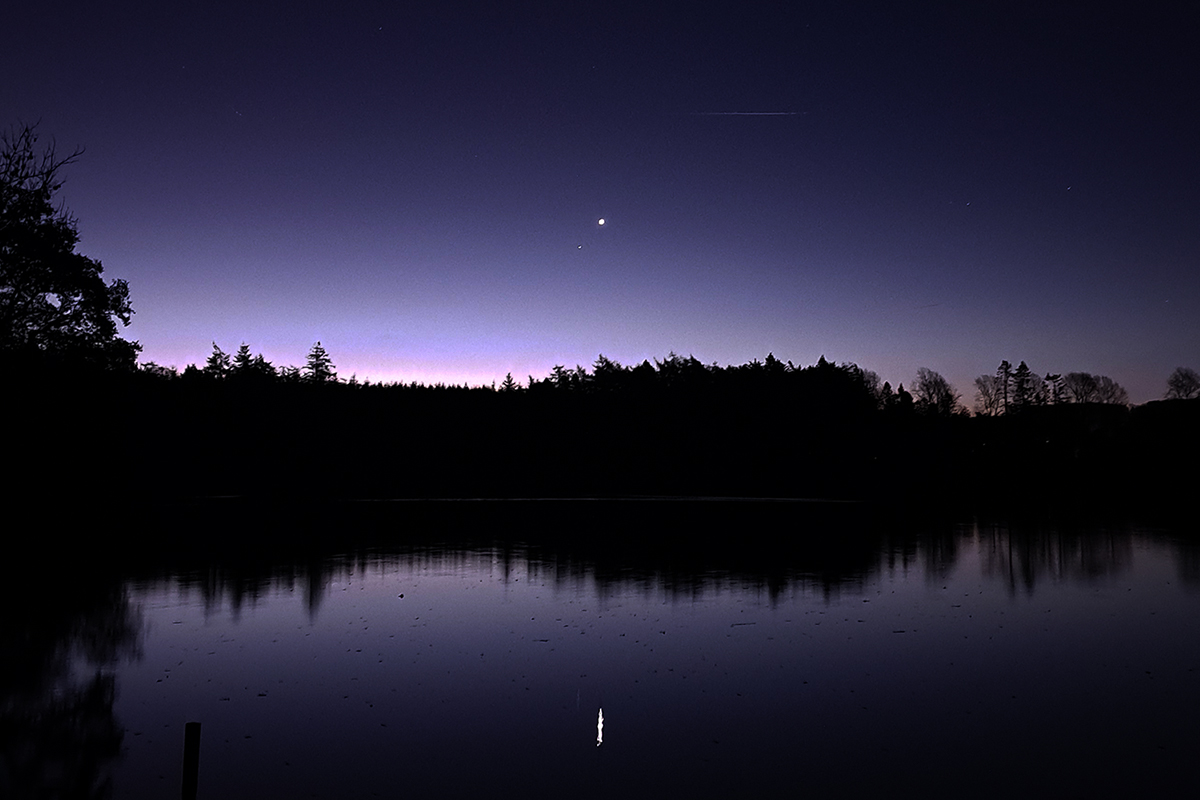

Mercury, however, was still stubbornly stuck below the horizon.
After about 30 minutes of taking in Venus, plus Mars and Jupiter – along with some familiar star patterns like the Plough and the 'W' in Cassiopeia – I returned to my viewing spot and looked again at Venus around 06:35, just as the first glimpses of dawn twilight were beginning to brighten the morning sky.
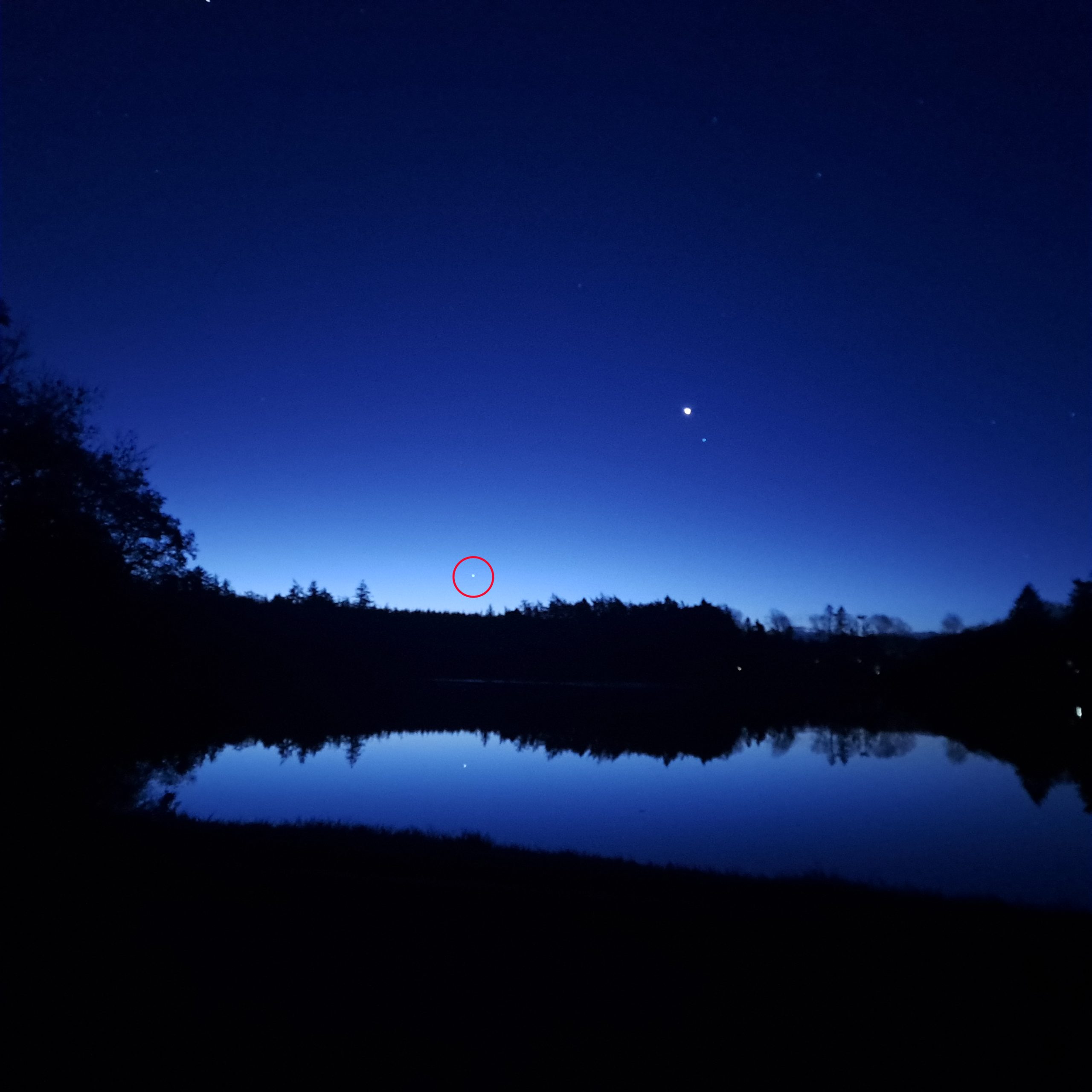
I looked below and to the left of Venus and there, shining much dimmer than Venus but visible nonetheless, was Mercury.
The late Patrick Moore once said that you wouldn't notice Mercury unless you were deliberately looking for it and that's great advice.
Mercury is dim, close to the horizon and only visible for a short while before sunrise.
If you did happen to spot it, you might easily mistake it for a dim star, whereas Venus is so amazingly bright, it's bound to catch you unaware!

Luckily I was able to capture a few shots of Venus and Mercury on my smartphone, showing their location in the early morning sky, as of late November 2026.
Both planets are going to be ones to watch as we head into December 2026 and begin the run-up to Christmas.
I can foresee plenty more pre-dawn park walks in the coming weeks!
If you manage to spot the planets in November and December 2026, share your images with us by emailing contactus@skyatnightmagazine.com