
NASA has shut off a key science instrument onboard the Voyager 1 spacecraft, to help it continue its journey into deep space, over 25 billion km (15 billion miles) from Earth.
Engineers at NASA’s Jet Propulsion Laboratory made the decision to send commands to Voyager 1 to shut down an instrument called the Low-energy Charged Particles experiment.
Voyager 1 is in deep space, beyond our Solar System, and is still gathering data and beaming it back to Earth.
But it's running out of power, so shutting down the LECP is a means to keep Voyager 1 going for as long as possible.

What the Low-energy Charged Particles experiment does
Space might seem empty, but scientists are keen to know what exists in the interstellar medium – the regions between stars and galaxies.
The Low-energy Charged Particles experiment has been operating since Voyager 1 launched in 1977.
It measures low-energy charged particles and cosmic rays originating from both our Solar System and within the Milky Way galaxy.
Read more

NASA says the instrument has given scientists vital information about the structure of the so-called interstellar medium, including detecting pressure fronts and variations in particle density in the space beyond our heliosphere.
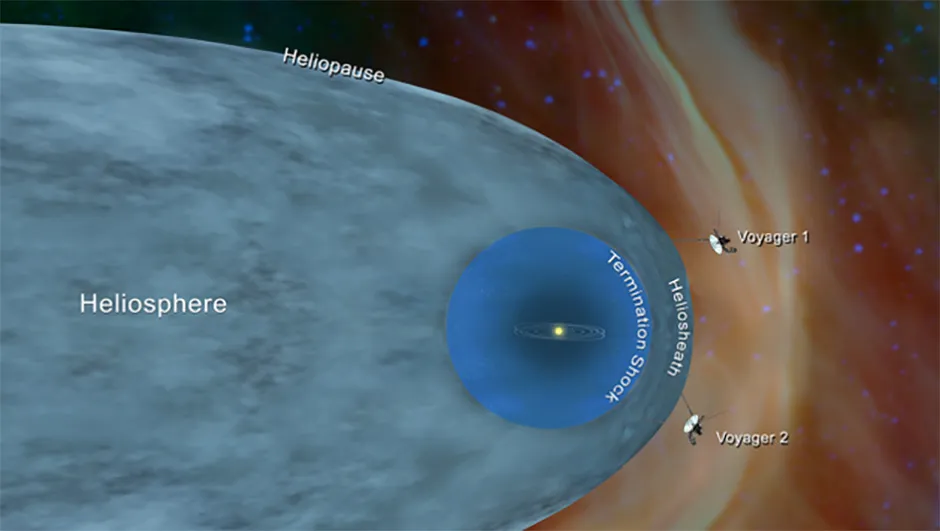
The heliosphere is the bubble that surrounds our Solar System, generated by charged particles emanating from the Sun.
Voyager 1 and its twin, Voyager 2, are the only spacecraft far enough in space to give scientists this information.
Voyager 1, running out of juice?
How do you power a spacecraft across the Solar System and beyond?
Voyager 1 uses a radioisotope thermoelectric generator, which converts heat from decaying plutonium into electricity.
NASA says both Voyager 1 and Voyager 2 lose 4 watts of power every year, and now both spacecrafts' power is very low,.
That means the team need to periodically decide to turn off instruments to keep the Voyagers running as long as possible.
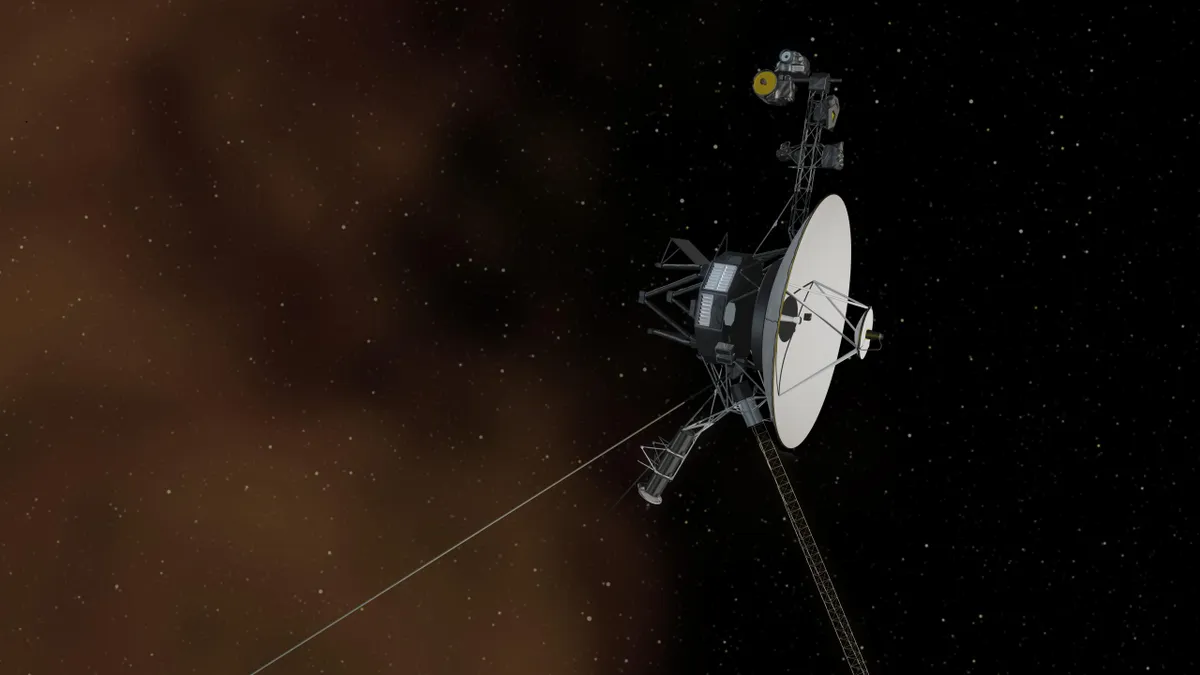
On 27 February 2026, NASA says Voyager 1's power levels dropped, leading the team to decide that shutting down a science instrument was a necessary procedue.
"While shutting down a science instrument is not anybody’s preference, it is the best option available," says Kareem Badaruddin, Voyager mission manager at JPL.
"Voyager 1 still has two remaining operating science instruments — one that listens to plasma waves and one that measures magnetic fields.
"They are still working great, sending back data from a region of space no other human-made craft has ever explored. The team remains focused on keeping both Voyagers going for as long as possible."

Shutting down the instrument
There's an established order in which the Voyagers' instruments will be shut down, as previously decided by the team.
Each Voyager has 10 sets of instruments, and seven have been shut off so far. Voyager 2's LECP was shut off in March 2025.
NASA says it takes about 23 hours for the command to shut down the instrument to reach the spacecraft.
A small motor on the LECP will keep running, however, in case the team finds extra power and is able to turn the instrument back one.
In the future, further shut-downs will be needed, including implementing a tactic called the 'Big Bang', which will see a whole set of powered devices all swapped out at once.
This will replace some instruments with low-power alternatives to keep the Voyagers gathering data.
25 billion km (15 billion miles) from Earth, Voyager 1 is continuing its trek across deep space, giving us vital science from beyond the Solar System.

The Grand Tour of the Solar System
Voyager 2 launched on 20 August 1977, with Voyager 1 following on 5 September 1977.
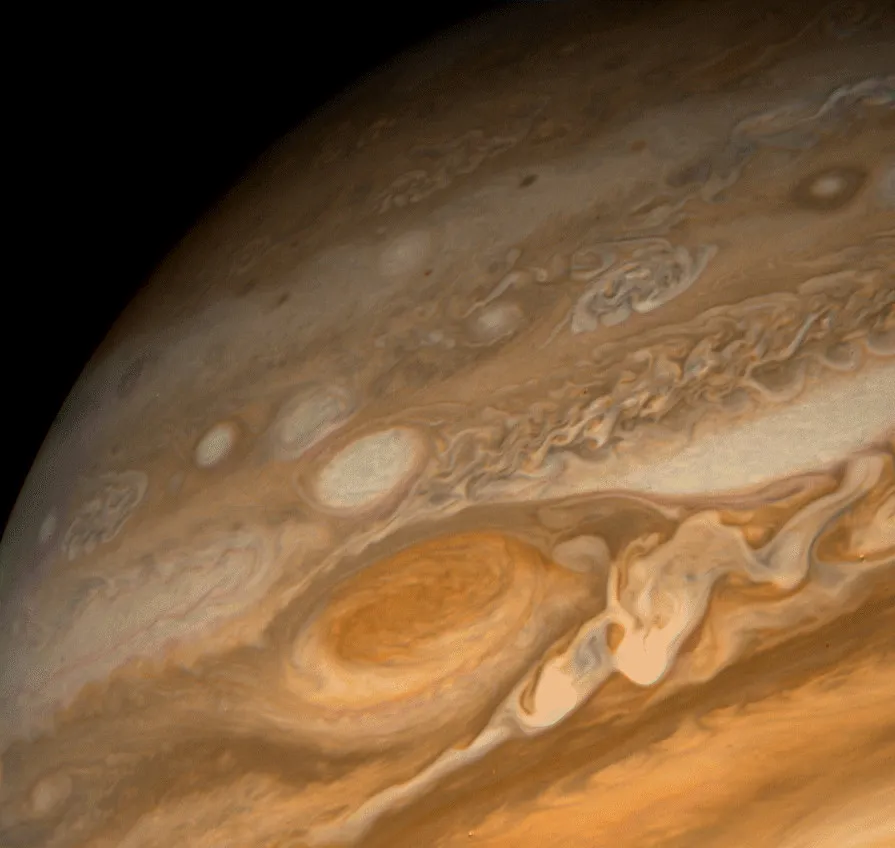
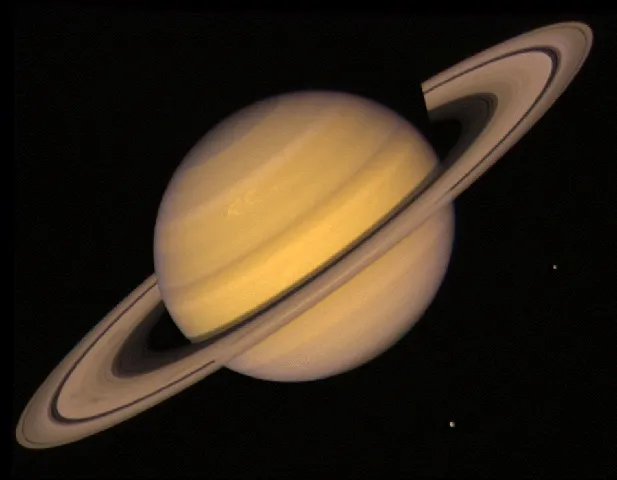
This was humanity's first ever 'grand tour' of the Solar System, sending spacecraft to fly by and explore the outer planets and moons of our cosmic neighbourhood.
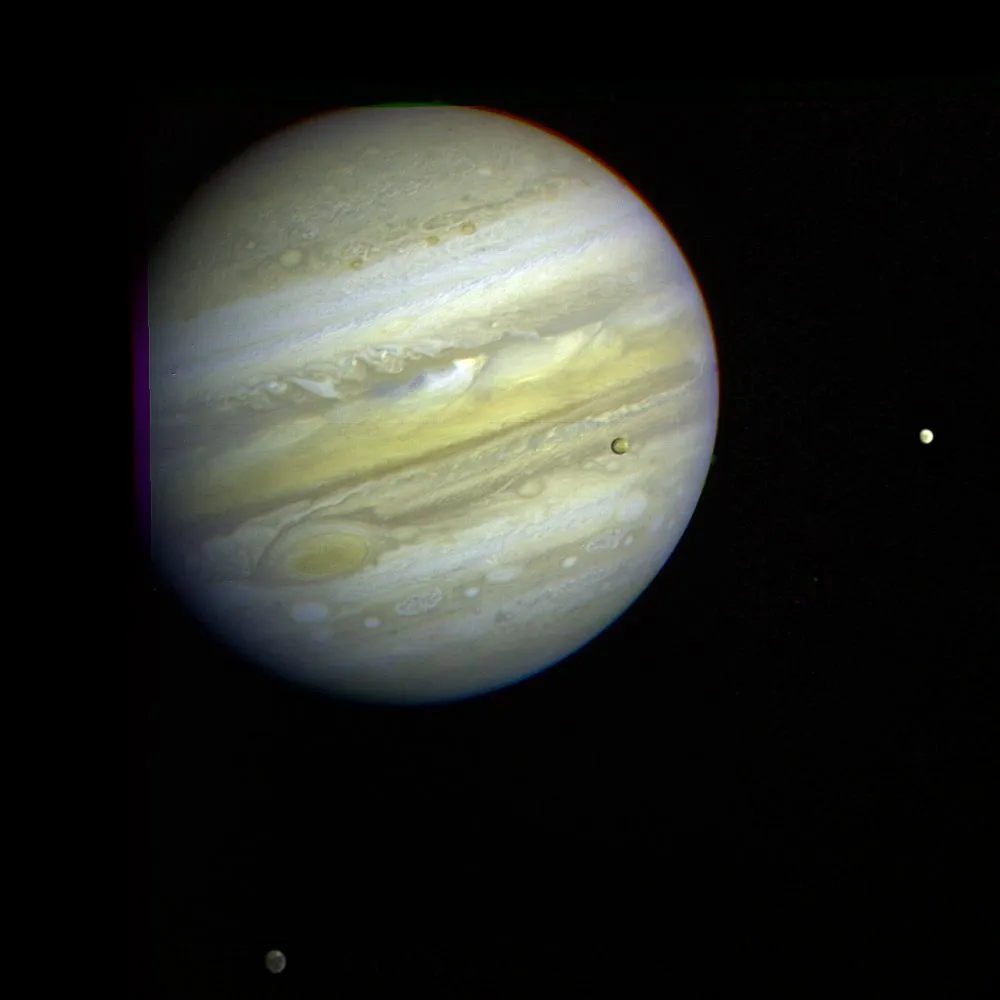
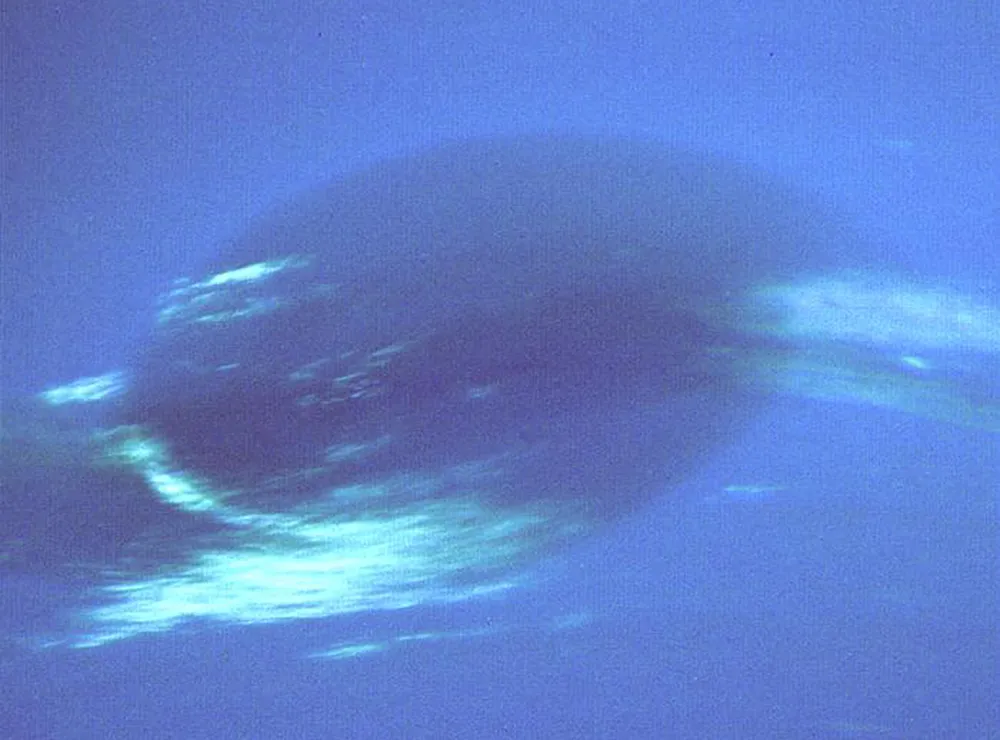
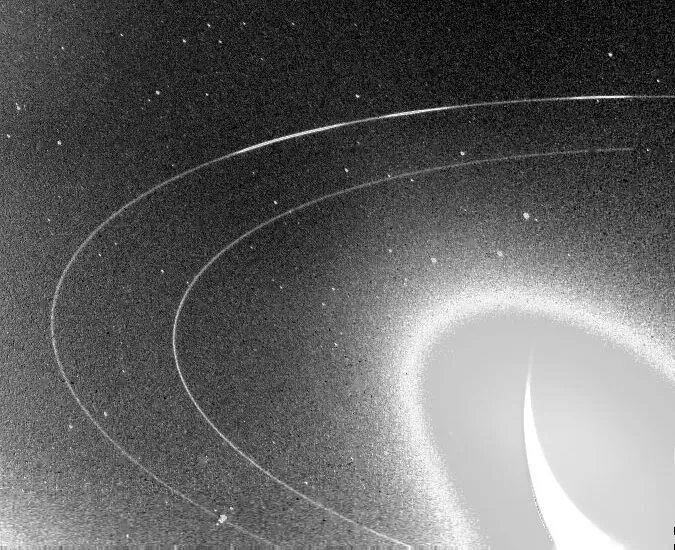
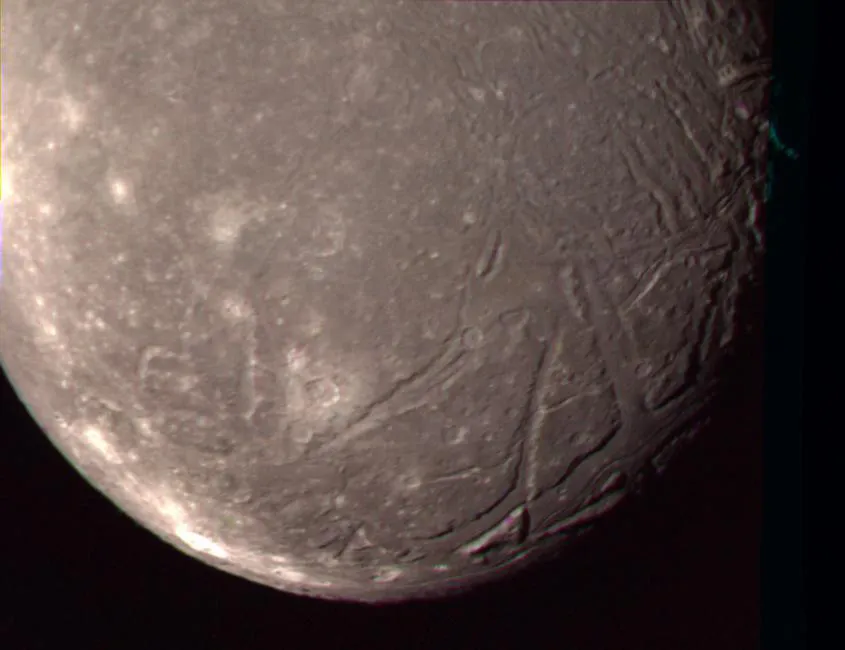
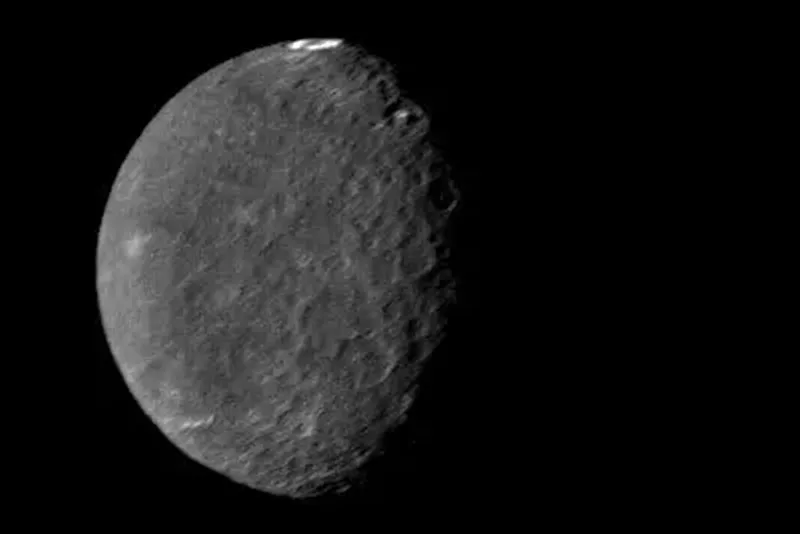
Voyager 1 visited Jupiter and Saturn before beginning its journey out of the Solar System, while Voyager 2 also made fly-bys of Uranus and Neptune.

The two spacecraft gave scientists a wealth of data and images with which to learn much more about the Solar System.
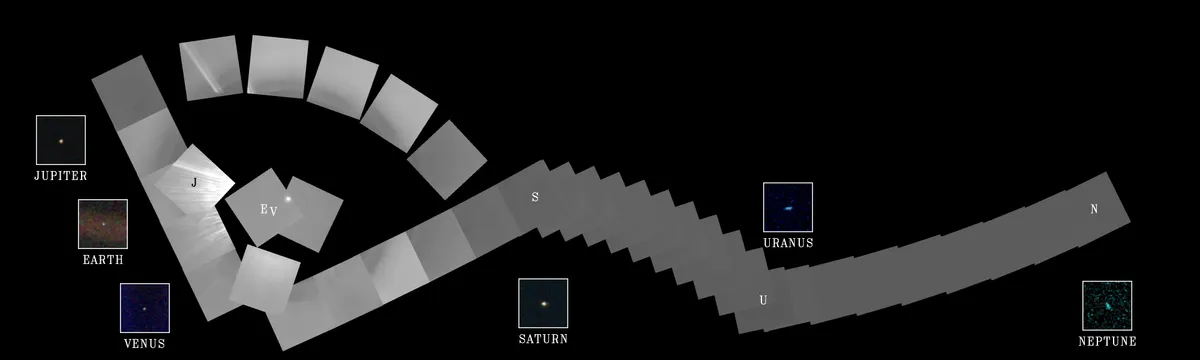
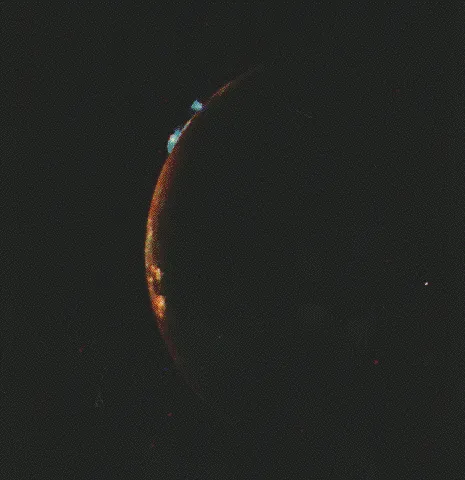
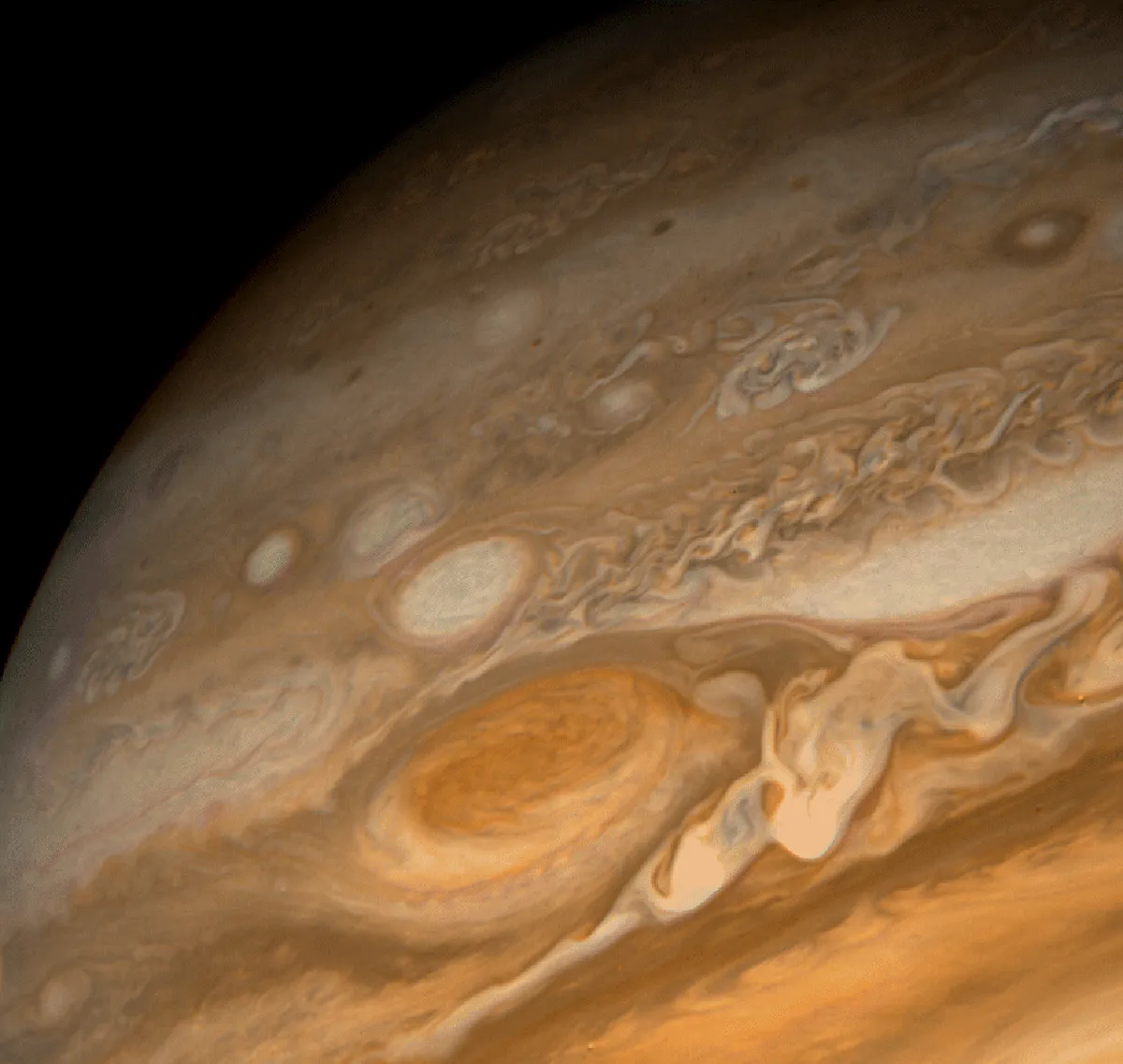
The Voyager mission's images were the first times we saw some of the planets and moons up close.
Voyager 1 left the Solar System, officially entering interstellar space, on 25 August 2012, while Voyager 2 achieved that milestone on 5 November 2018.
Voyager 1 is the most distant object ever built by humanity.
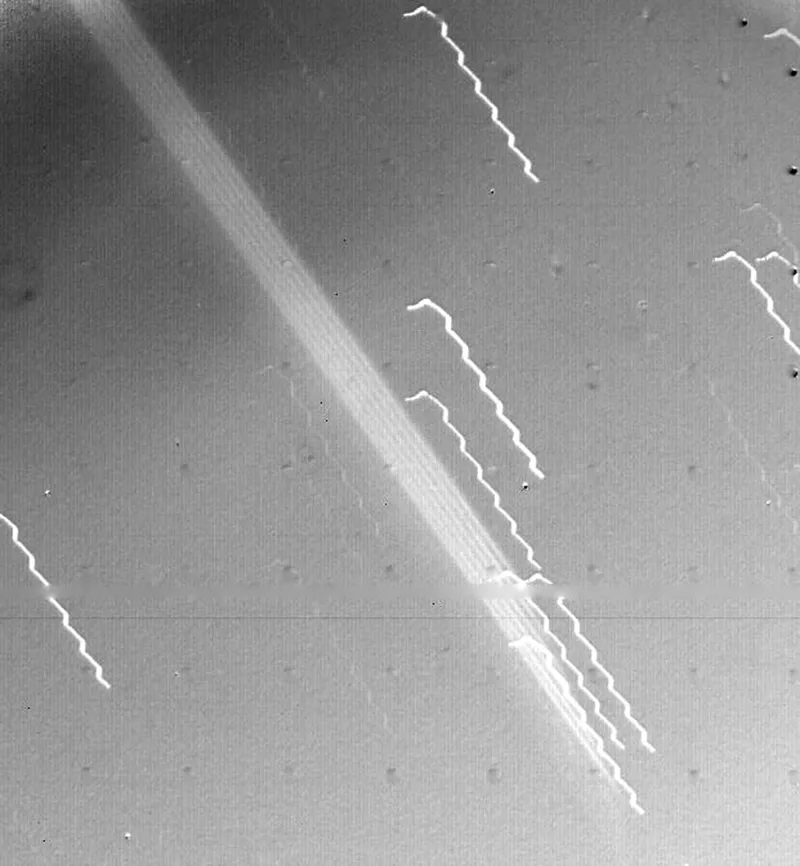
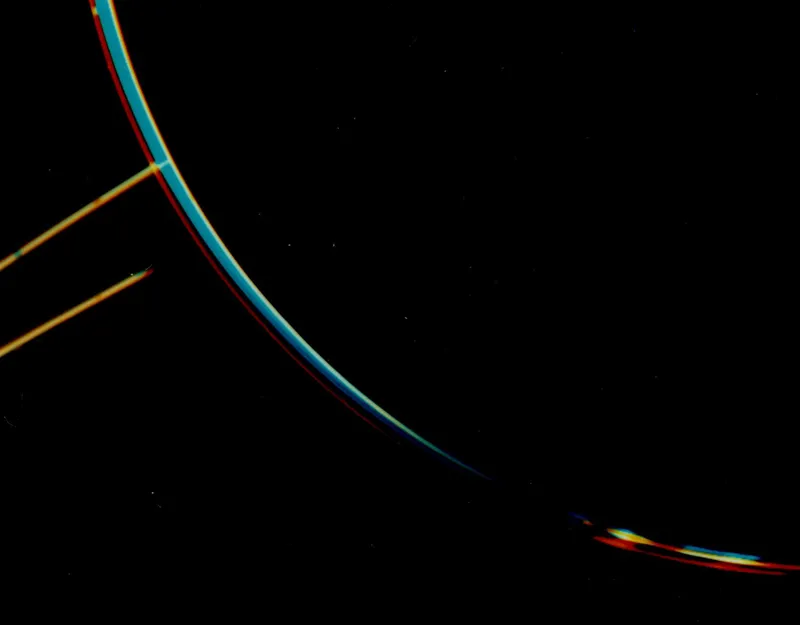
Below is a slideshow of the best images from the Voyager missions, showing our planets and their moons in amazing detail.

Credit: NASA/JPL-Caltech / NASA






What are your memories of the Voyager mission? Let us know by emailing contactus@skyatnightmagazine.com

