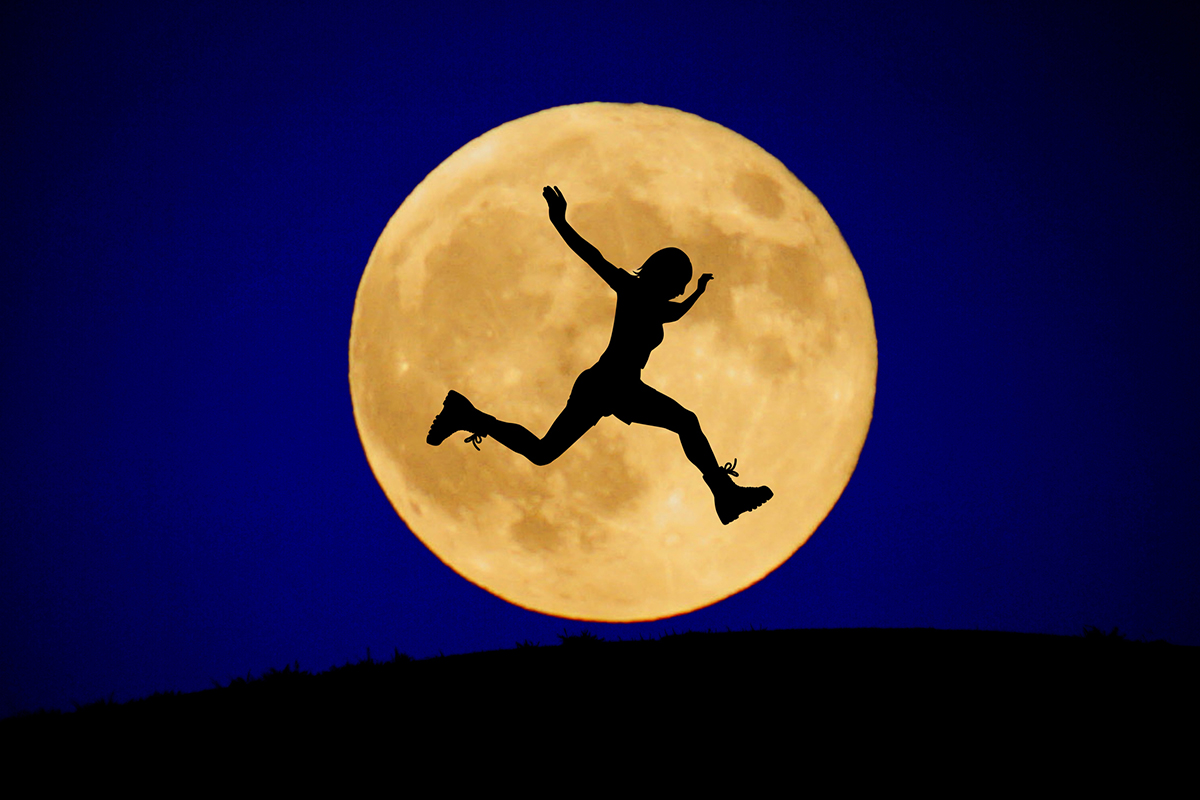
As the Wolf Moon rose in early January 2026, a quick glimpse at my social media feeds revealed they were overflowing with videos and images making wild and fantastical claims.
It was the first supermoon of 2026, just marginally brighter and ever-so-slightly larger than a regular full Moon. So why the hoopla?
Supermoons are often credited with everything from disrupting bodily rhythms, such as sleep and menstruation, to heightening our emotions and changing our behaviour.
There are even claims linking them to increased occurrences of accidents and natural disasters. But is any of this supported by actual evidence?
More on supermoons
The science of a supermoon
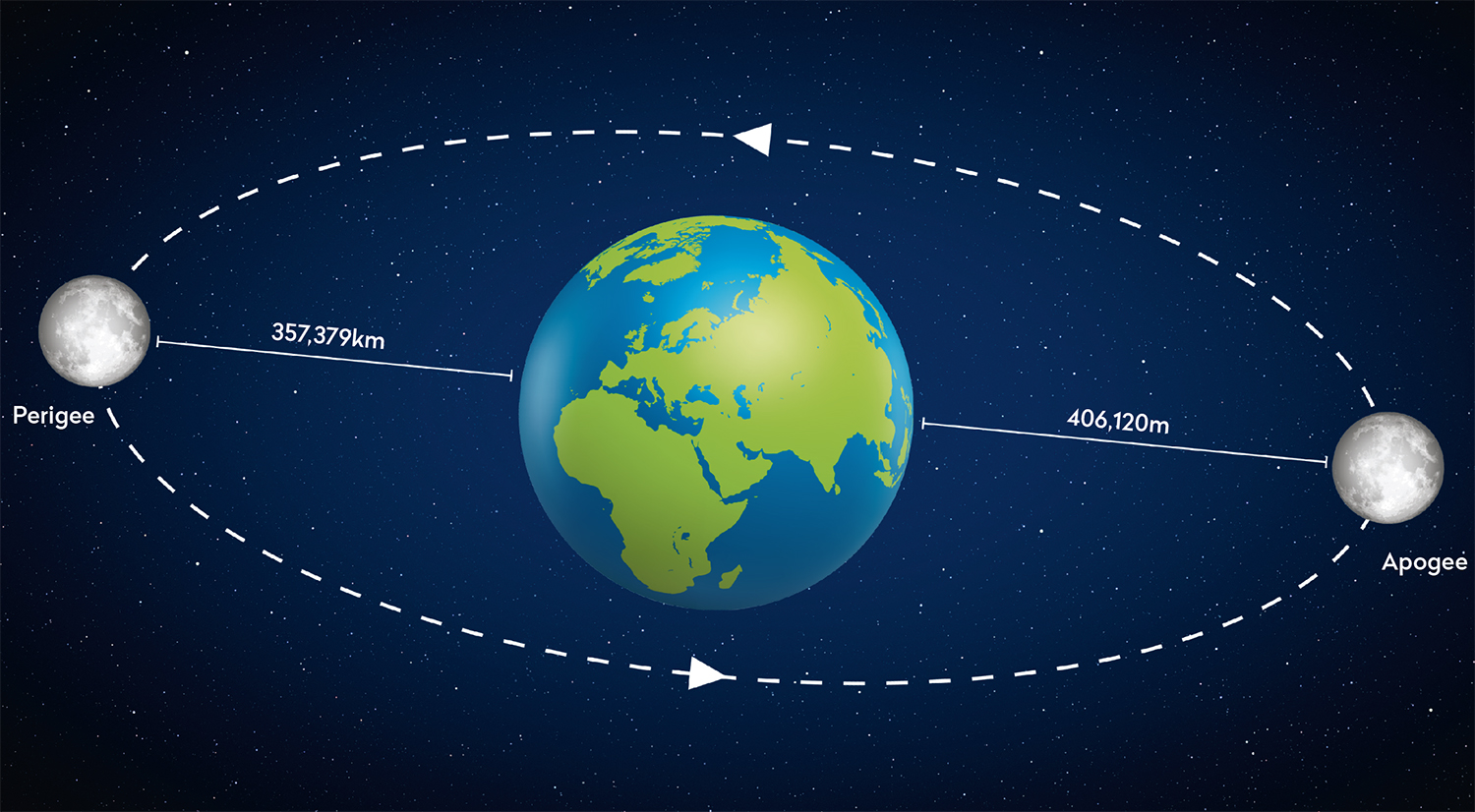
To understand why some give these lunar events special credit, let’s look at what a supermoon actually is: a full Moon that, in its not-quite-circular orbit around Earth, is at its closest point to us.
Yes, the Moon does affect our planet: as it orbits Earth, its gravitational pull creates the tides in our oceans.
And this pull indeed increases a little at full Moon, when the Sun is also nearly aligned.
When the full Moon is also a supermoon and a little closer to Earth, the gravitational pull increases a little more, further driving the tides and ultimately leading to claims that link a supermoon with chances of flooding.
However, supermoon-induced biblical flooding is not going to happen, since these movements only lead to a few extra centimetres in tide levels.
It has also been speculated that the increased gravitational pull of a supermoon can lead to more volcanic activity, even earthquakes. Despite a lot of statistical studies, there’s no proof of such a link.
How supermoons affect the human body
Supermoons have a tiny physical effect on Earth, but what about their effect on human biology and behaviour?
The perceived influence of the Moon – super or not – is deeply rooted in our language, culture and folklore.
Our word ‘lunatic’ derives from the Latin ‘luna’, meaning Moon, pointing to the ancient belief that madness was linked to lunar cycles.
Many myths feature lunar deities with control over fertility, leading to the belief that the Moon governed both human reproductive cycles and dictated when to sow and harvest the land.
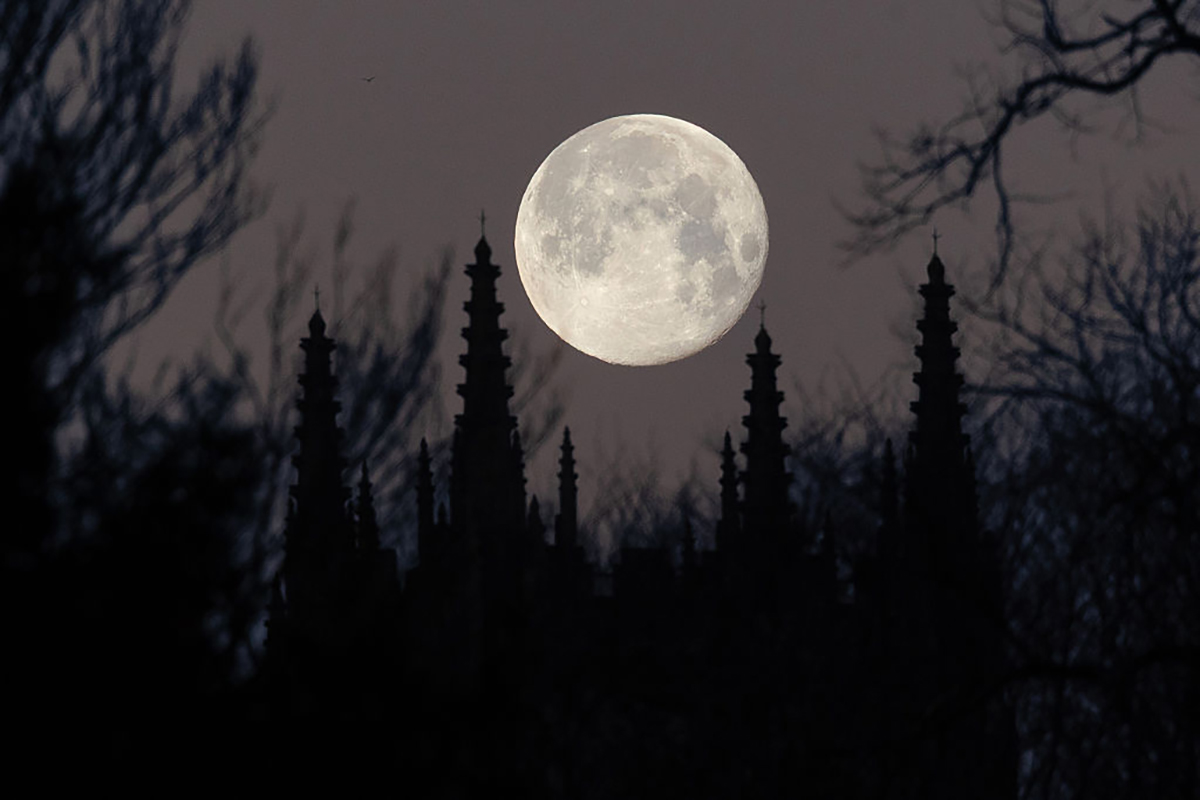
The idea that the Moon can influence our fertility, sleep, emotions and behaviour persists today, along with the belief that supermoons intensify these lunar effects.
Indeed, leading up to a supermoon, headlines claim hospitals are bracing for increased birth rates and police stations are anticipating more criminal behaviour.
Many studies have looked into correlations between these events, but have found nothing conclusive.
In our modern world, there are so many factors continually influencing us that finding definitive links between ourselves and celestial events is nearly impossible.
Our lives are augmented with technology to make conditions easier and more convenient.
If it’s dark, we switch on a light; if it’s cold, we turn on the heating; if we’re ill, we take medicine – and if we’re bored, we scroll on our phones. Any one of these could be a greater influence than a supermoon.
But supermoons do offer us one important thing: the chance to connect with past ways of life.
As I watched January’s Wolf Moon, I wondered about the awe it must have inspired in those who came before us – and found that mine only deepens as I really understand what I’m seeing.
Share your thoughts on supermoons and send us your images by emailing contactus@skyatnightmagazine.com