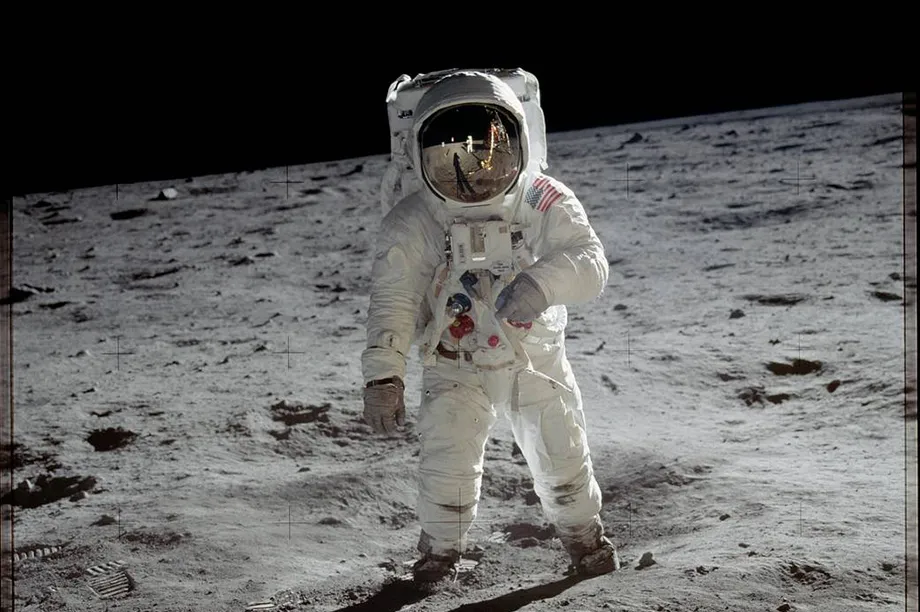
Over half a century since Neil Armstrong’s giant leap for mankind, when the Apollo 11 astronauts became the first humans to land on the Moon, conspiracy theories about the Apollo missions are plentiful.
They're fuelled by a range of ‘evidence’ that, in their proponents’ view, proves we never landed on the Moon.
More on Apollo

Yet the questions that the conspiracy theorists are so fond of posing can, in fact, be answered quite simply with some common sense and a little bit of scientific knowledge about the lunar environment.
Let’s address some of the most popular…
Why does the flag wave, if there’s no wind on the Moon?
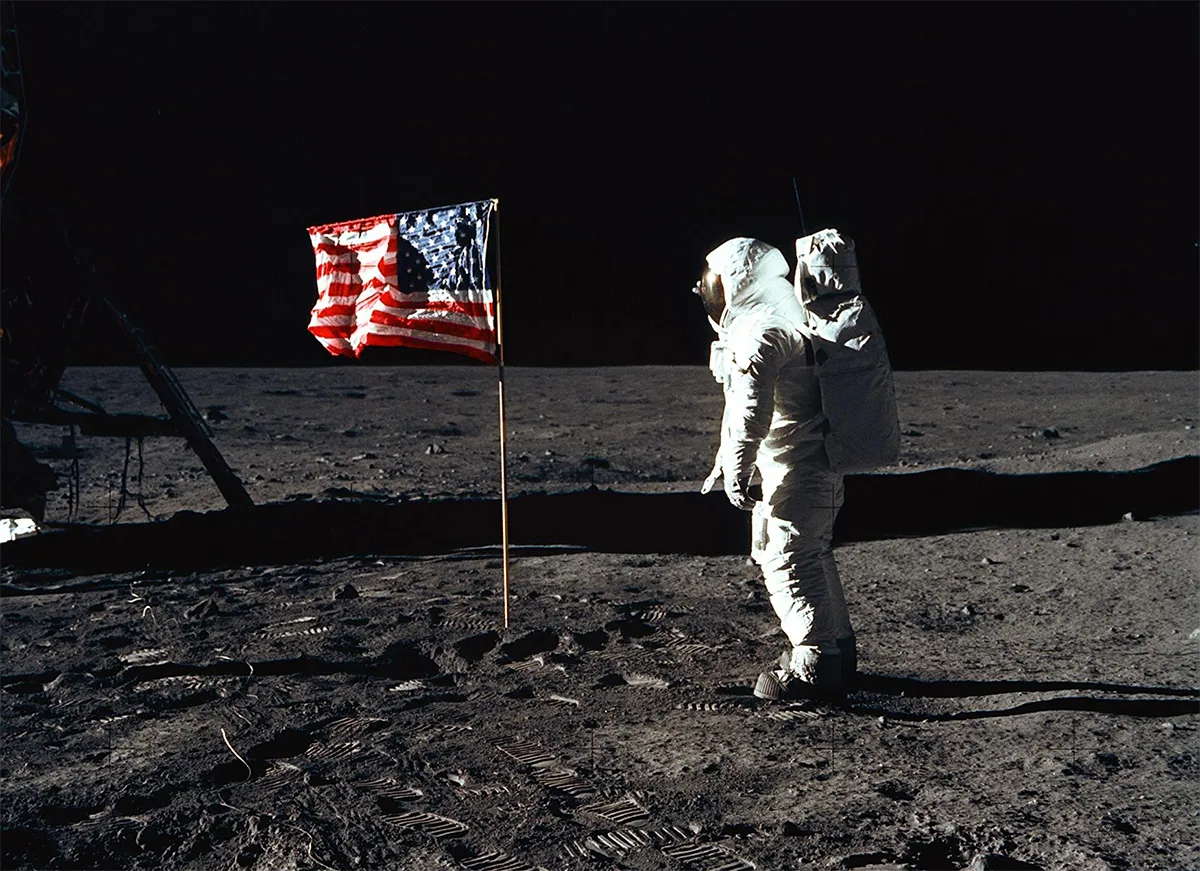
With no wind to spread the flag it was actually hung from a horizontal crossbar.
The flag did wave as the astronauts struggled to plant it in the hard lunar soil, and with no air resistance it continued flapping for a while after they let go.
So, if anything, the waving flag is strong evidence that they really were on the Moon.
Why do Apollo photographs show no stars in the lunar sky?
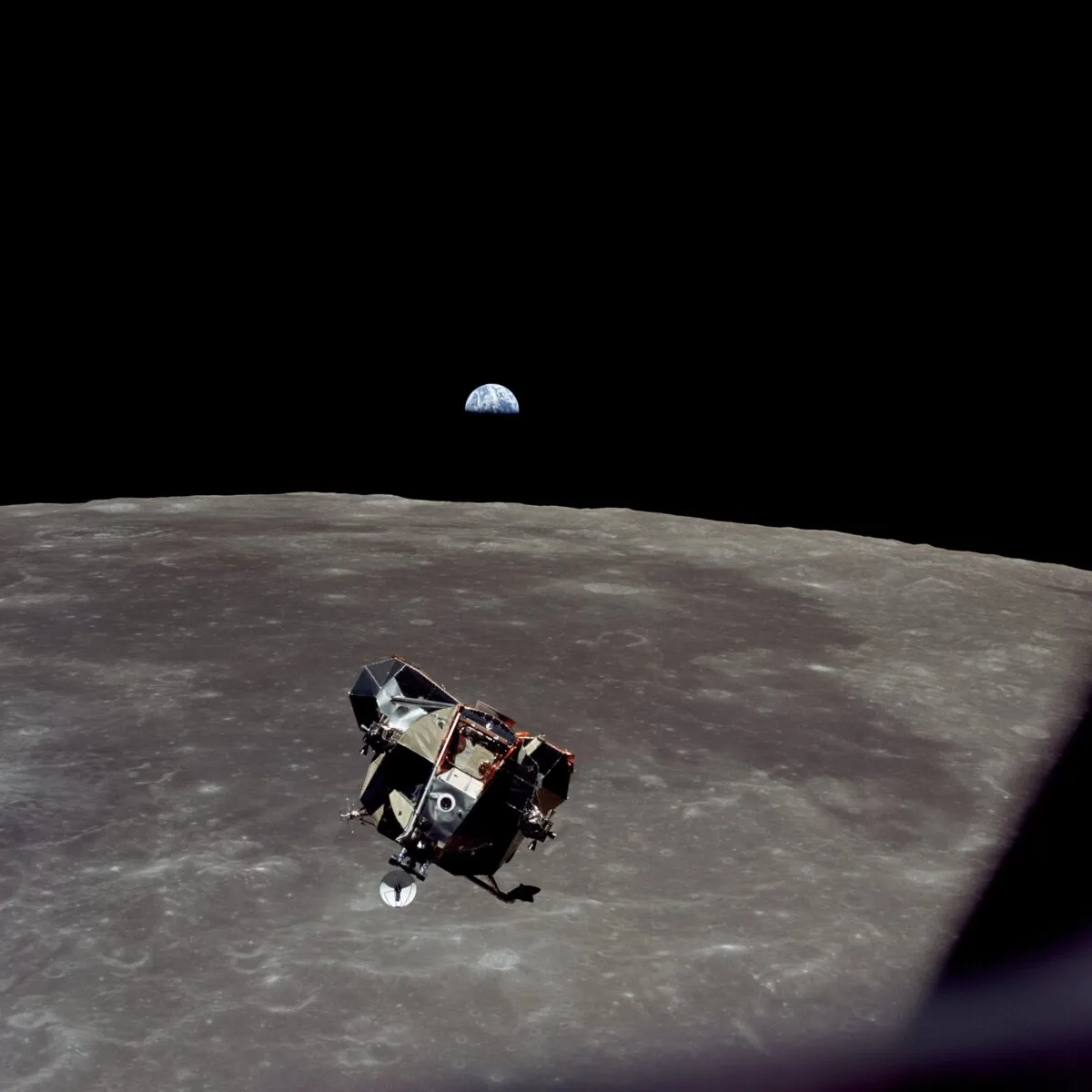
Because the Apollo landings took place during the lunar day, a combination of direct and reflected sunlight illuminated the lunar landscape brightly.
Their photographs required very short exposures to avoid too much light washing them out; these exposure times were simply not long enough to reveal the much fainter stars in the lunar sky.
What about the strange angles of the shadows in the picture?
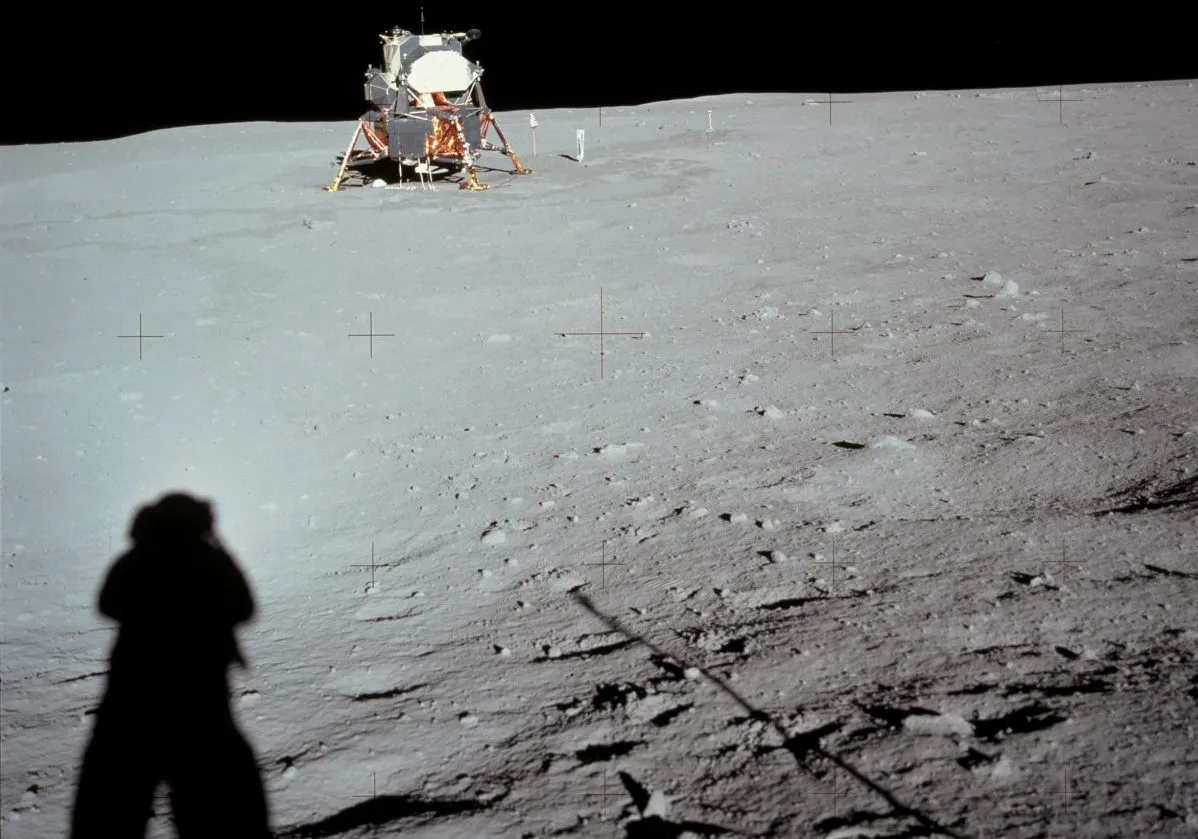
Hoax theorists claim that non-parallel shadows are evidence of multiple light sources (as on a film set) as opposed to one distant source (the Sun).
However, in a sunlit photograph shadows do appear non-parallel because of perspective, and when they’re traced to their start point they meet at the Sun – as several Apollo montages clearly show.
Why can we see astronauts clearly when they are in the shade?
As noted above, reflected sunlight lit the lunar landscape brightly, and could illuminate features on the astronauts’ spacesuits even when they were not in direct sunlight.
Why are there reference crosshairs behind objects in some photographs?
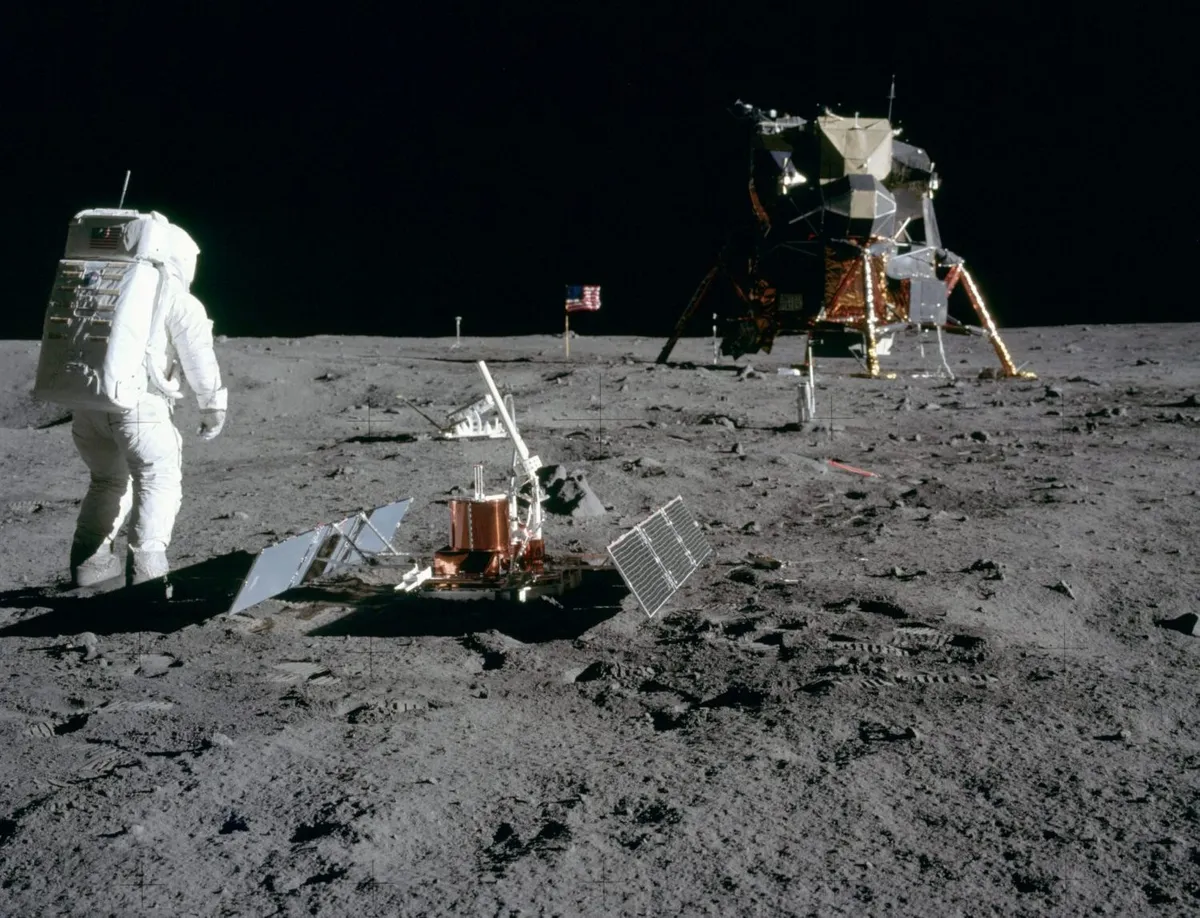
Hoax theorists see this as clear evidence of fakery: they suggest that new foreground objects have been pasted onto photographs, partially obscuring the crosshairs.
However, closer examination shows that the crosshairs are not obscured but are simply partially washed out by bright objects in the foreground, making them harder to see.
Why does film of the astronauts look like it’s been slowed down?
This effect is due to the Moon’s lower gravity. A better question to ask, however, is: if the films were replayed at high speed, would everything look ‘normal’?
The answer is basically yes, but with some leg movements that Michael Flatley – let alone a spacesuit-clad astronaut – would be proud of in Earth’s gravity.
Why is there no blast crater beneath the lunar module?
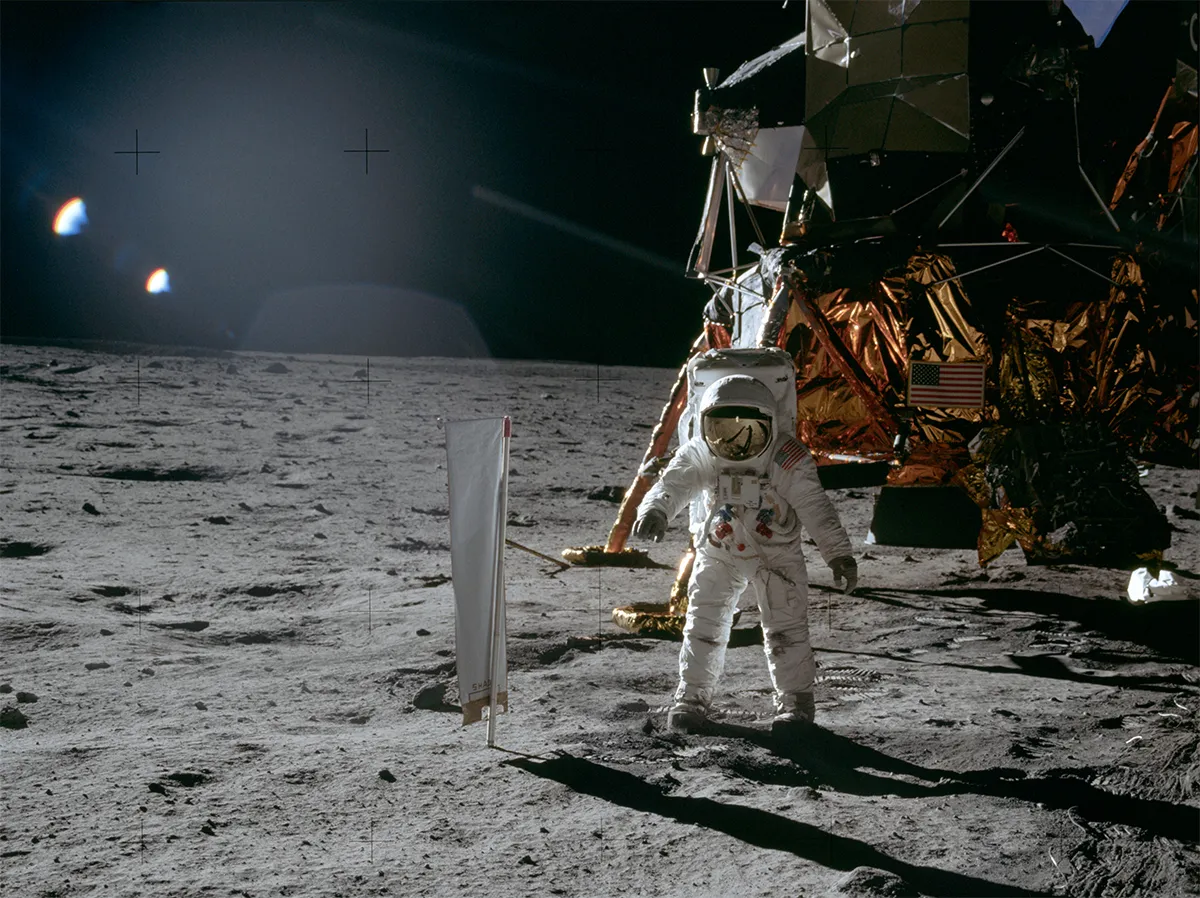
The Moon’s lower gravity required only a gentle thrust from the lunar module engine; sufficient to disturb the surface dust, but not to produce a blast crater.
Moreover, the effect was confined to a narrow area around the exhaust: there was no atmosphere to extend the disturbance, via a billowing cloud of dust, as expected on Earth.
A similar effect is evident with the lunar rover: dust thrown up by the wheels does not float in a cloud but free-falls under lunar gravity.
Wouldn’t the Earth’s radiation belts have been fatal to the astronauts?
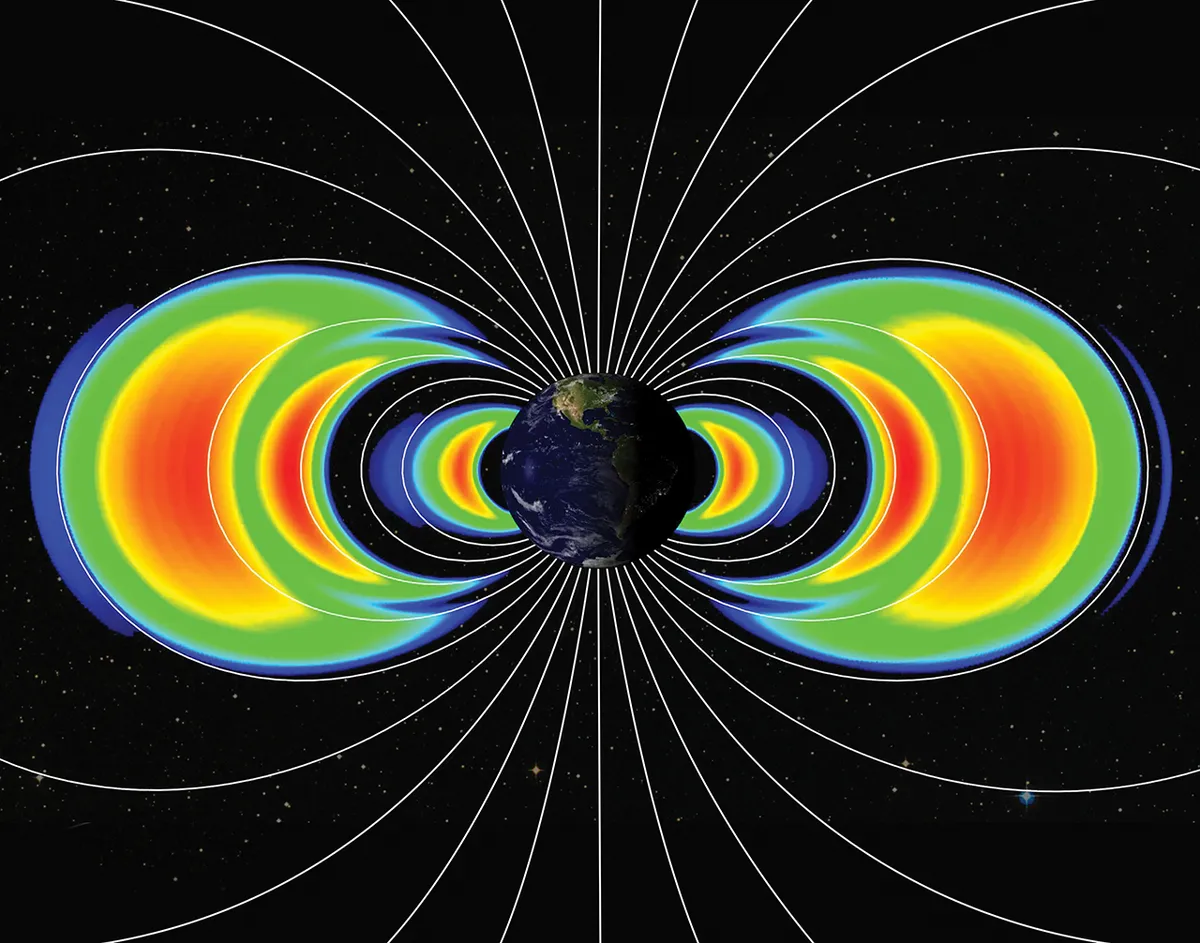
The main radiation threat was protons – ionised particles from the solar wind – trapped in Earth’s Van Allen belts.
A few millimetres of aluminium afforded perfectly adequate protection, especially as the astronauts crossed the belts quickly.
A major solar flare, producing more penetrating radiation, could have been very serious for the astronauts, but no such event occurred during the Apollo missions.
Why do some photographs appear to have identical backgrounds, but different foregrounds?
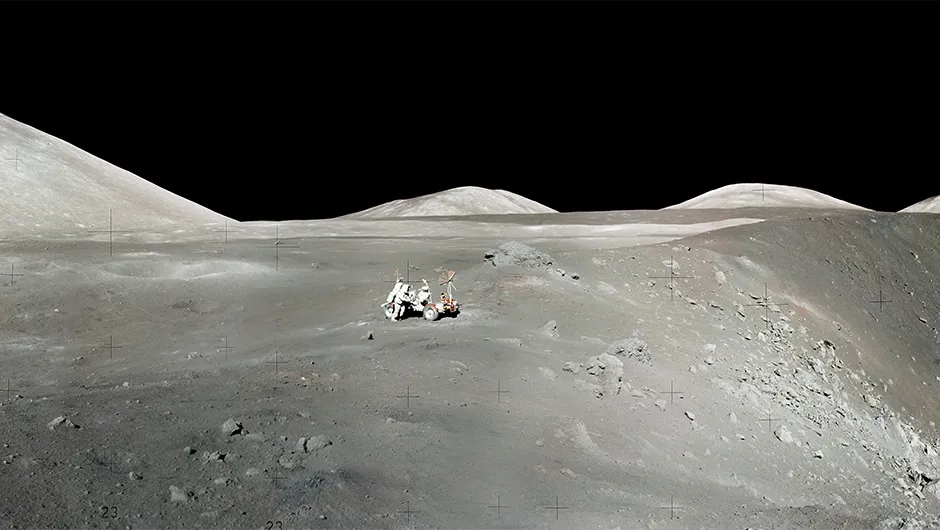
Judging distances in lunar photographs is tricky: the airless environment renders the view of distant landmarks sharper than in terrestrial photographs.
In the Apollo 17 scenes in question, a small shift in camera position was enough to take the foreground lunar module out of shot, but left the view of the distant hills unchanged.
Why was there no fuel jet visible when the lunar module took off?
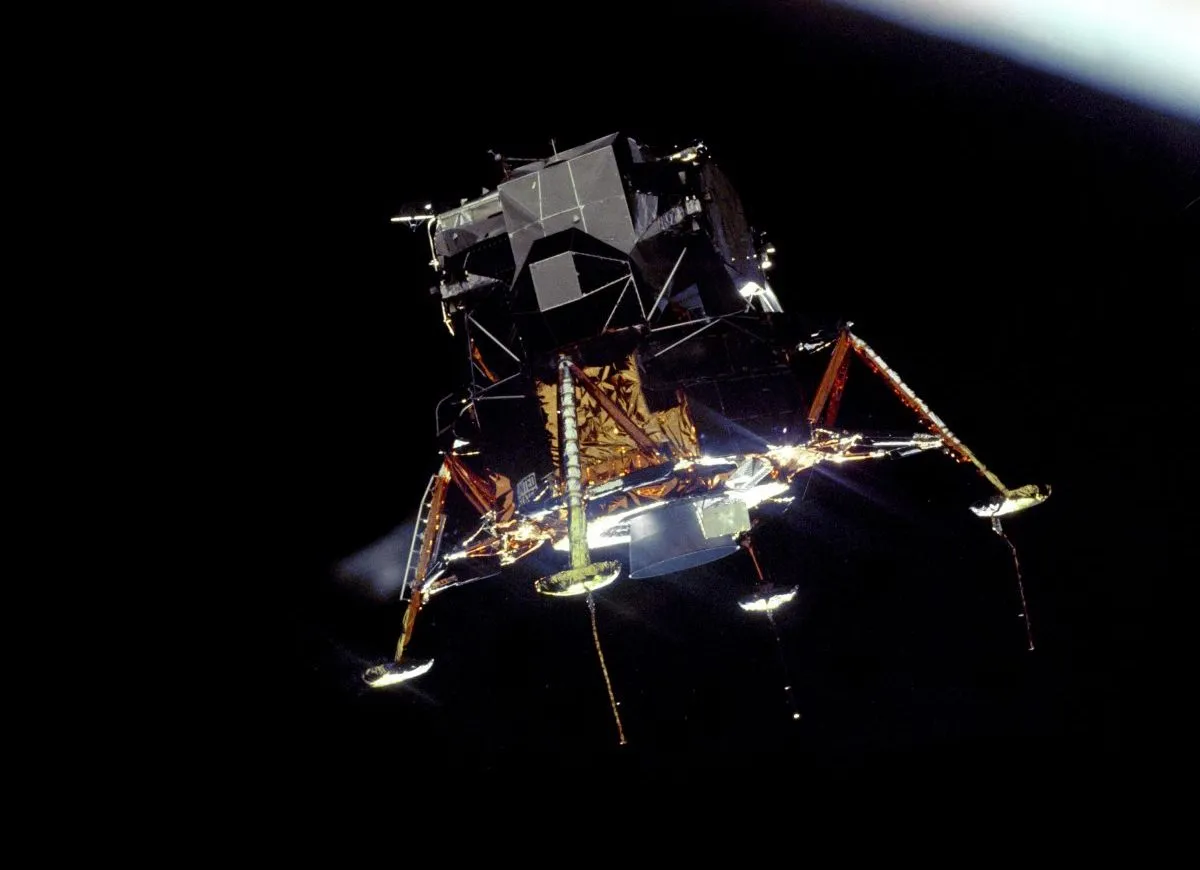
The lunar module ascent engine burned Aerozine 50 – a mixture of hydrazine and unsymetric dimethylhydrazine – which produced a colourless flame, although even a coloured flame would be almost invisible against the sunlit lunar surface.
Finally, what scientific evidence supports the Moon landings?
Two of the best examples are the Apollo moonrock samples – quite unlike anything found on Earth – and the distance-measuring experiments, still being carried out by scientists to this day, that use laser reflectors left behind by the Apollo missions.

