
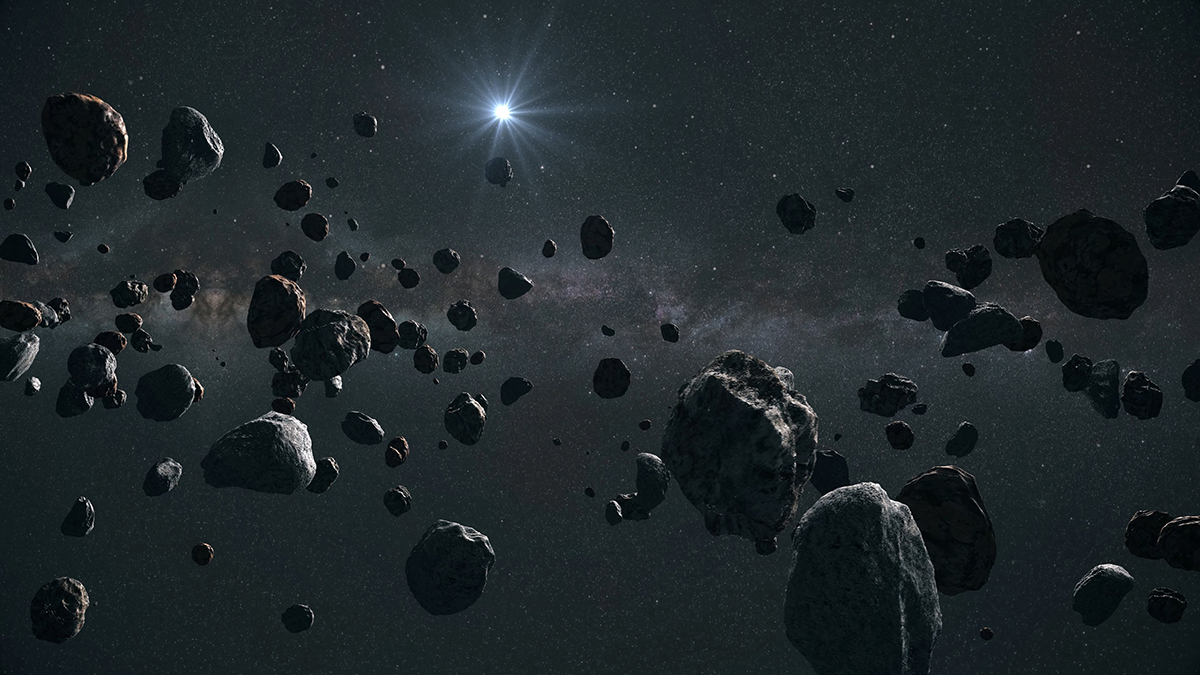
As demand grows for rare metals and materials that are essential for clean energy, private companies and researchers alike are turning their attention outwards – away from Earth and towards nearby asteroids.
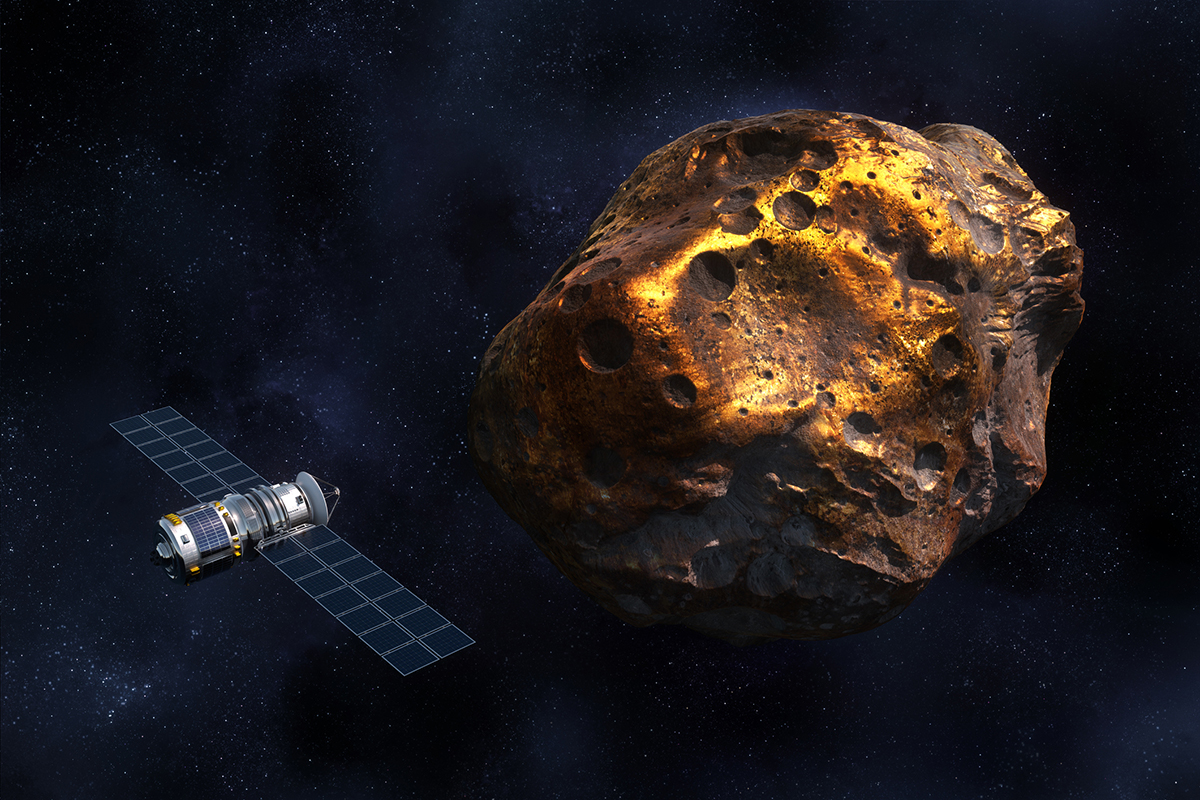
These celestial bodies contain staggering quantities – potentially billions or even quintillions of dollars’ worth – of platinum-group metals and other rare elements used for the production of batteries, wind turbines and electric motors.
And they’re not as unreachable as they once seemed.
Recent advances, including reusable rockets and autonomous probes, have turned asteroid mining into an achievable reality in the not-too-distant future.
More asteroid science
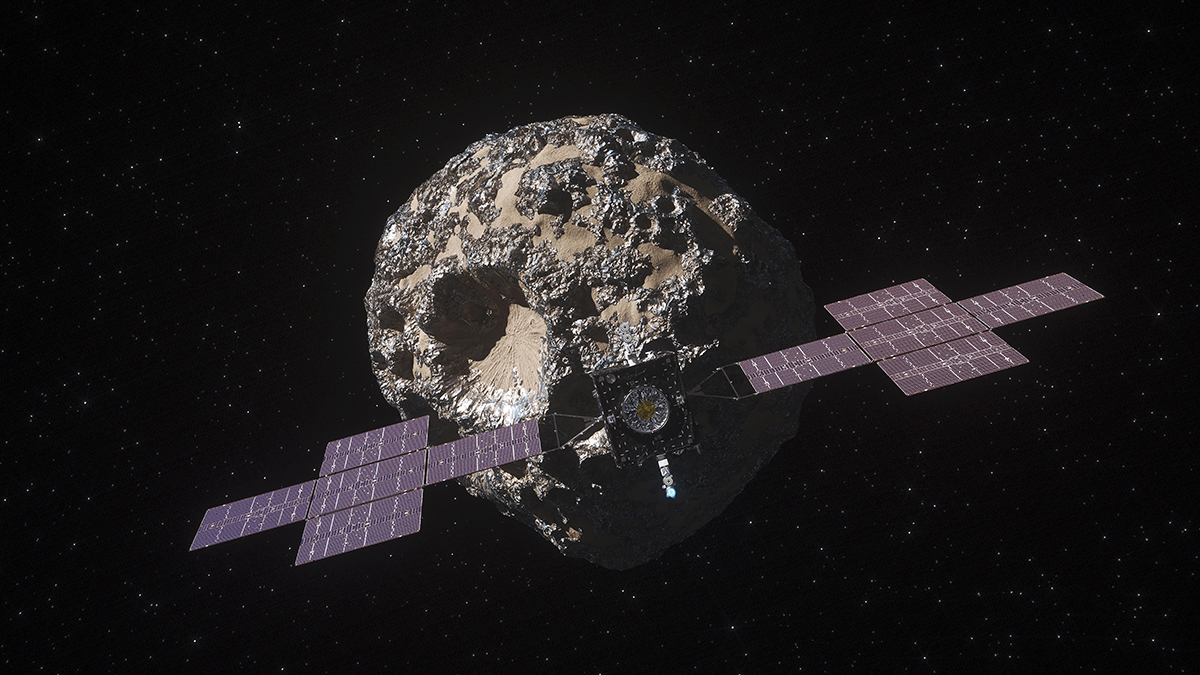
Asteroid mining – key players
Asteroid exploration was once strictly the domain of government agencies, focused primarily on scientific research.
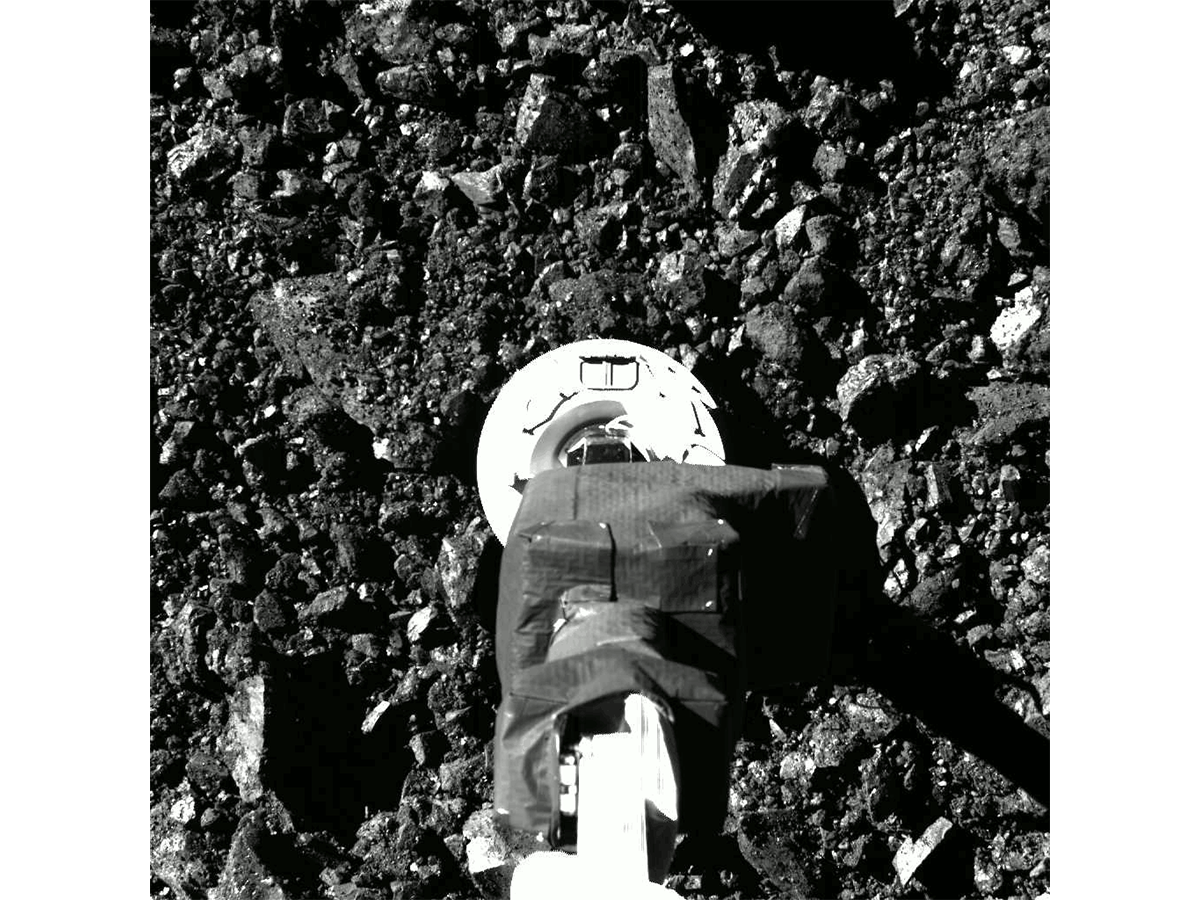
Although NASA, JAXA and ESA have already launched successful missions to explore the feasibility of asteroid mining, private space-exploration companies are hot on their heels.
Among the myriad players in this emerging sector are AstroForge and TransAstra.
AstroForge made headlines in February 2025 with the launch of Odin, the first-ever private asteroid-scouting mission, while TransAstra successfully tested its Capture Bag technology aboard the ISS in October 2025.
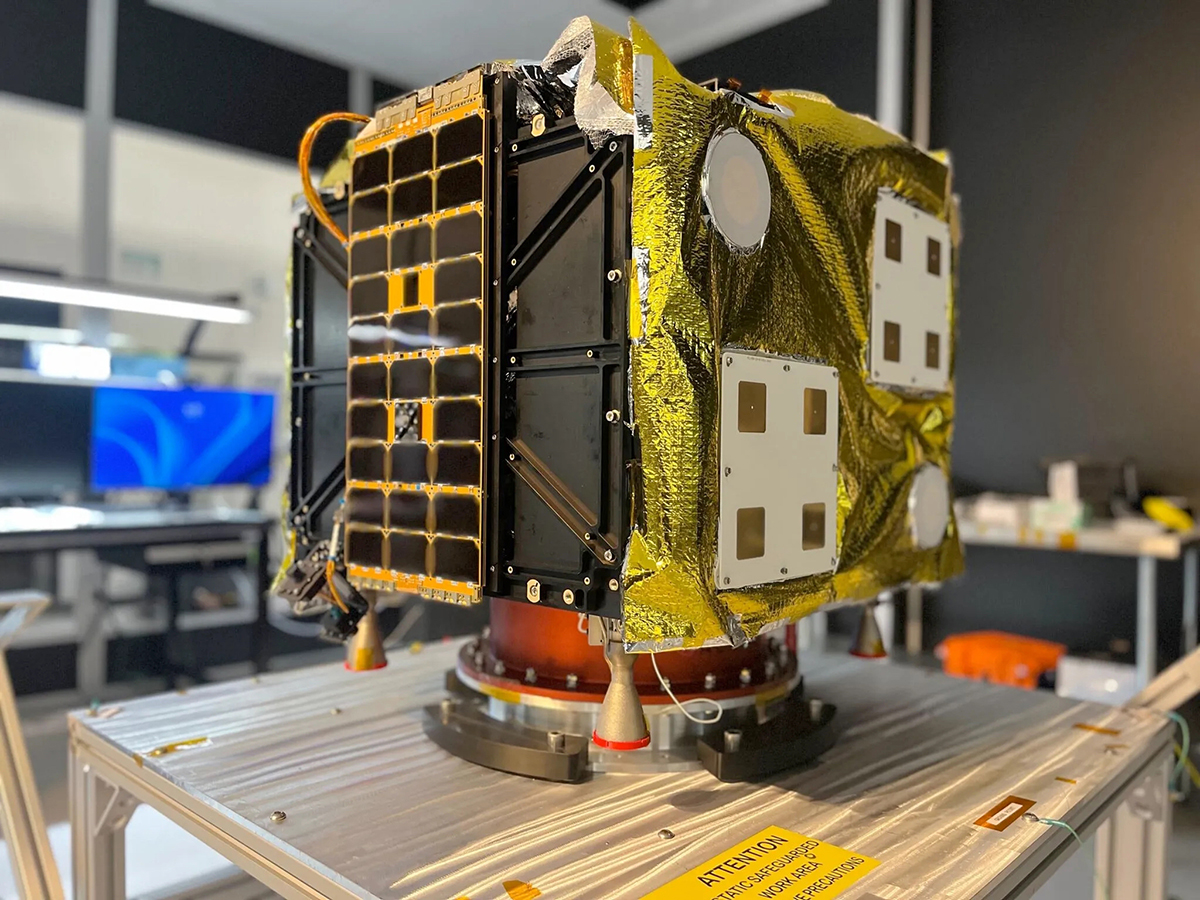
The chief ambition of these businesses is clear: retrieve valuable minerals from space and sell them on Earth for a profit.
However, resources mined from asteroids need not be returned to Earth for commercial sale.
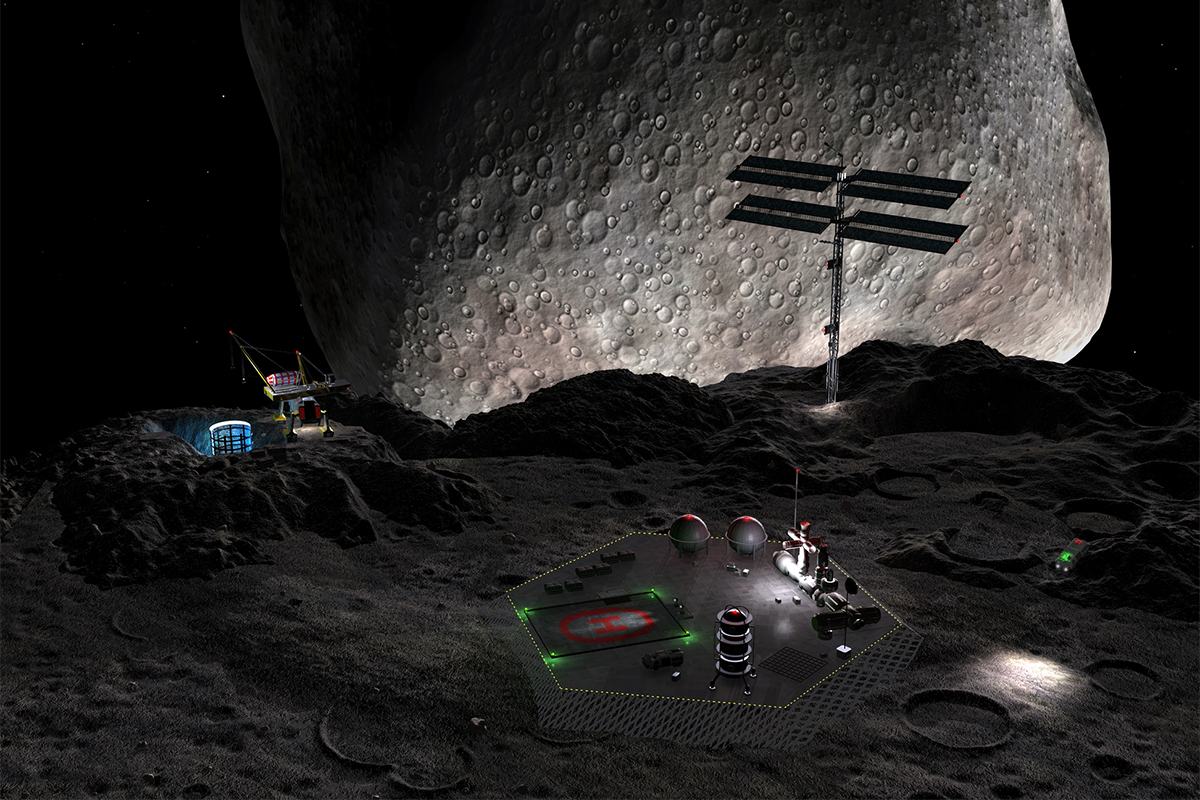
In-situ resource utilisation (ISRU) – the practice of obtaining resources locally to support sustainable space exploration – offers an alternative vision.
Water, for example, could be extracted for use as a vital source of both oxygen and rocket fuel.
Once the necessary infrastructure is in place, ISRU could significantly reduce the cost of future space missions by providing off-Earth refuelling stations.
The risks of asteroid mining
As alluring as an impending space-age gold rush may sound, there are reasons for caution – not least the potential destabilisation of global markets.
There are lessons here from history: in 1324, the emperor of Mali, Musa I, passed through Egypt on his pilgrimage to Mecca.
The richest person in recorded history, Musa is said to have given away so much gold on the journey that he completely devalued the Egyptian currency, triggering a recession that lasted for more than a decade.
If the extravagance of one man can shake a nation’s economy, imagine what a sudden influx of seemingly limitless platinum or gold could do to the modern world.
Developing nations, many of which rely heavily on their natural resources and are unable to compete in a space-based economy, would be the hardest hit.
This also begs the question as to whether commercial asteroid mining is destined to be an industry of diminishing returns.
If scarcity is what creates value, then each subsequent shipment of extraterrestrial materials could reduce prices to the point where the venture becomes unprofitable.
Many academics also warn about polluting deep space, an otherwise largely pristine environment.
Debris and dust generated by mining would also pose a risk to satellites and spacecraft, as well as disturbing the landscapes of celestial bodies and destroying their value for scientific study.
Who owns asteroids?
Finally, there’s the question of who owns an asteroid. The 1967 Outer Space Treaty establishes space as a ‘global commons’, but makes no specific reference to the ownership of resources.
The United States is already ahead of the game when it comes to legislating commercialised asteroid mining: the 2015 Commercial Space Launch Competitiveness Act grants any US citizen the right to “possess, own, transport, use and sell” any space resources they’re able to obtain.
We can be almost certain that other space-faring nations won’t sit idly by and allow another to claim all the resources for themselves.
Given the vast opportunities afforded by this new frontier, the rise of the asteroid-mining industry feels like an inevitability.
But one thing is certain: without a framework of international governance to protect space resources from exploitation, we run the risk of making Emperor Musa’s economy-wrecking generosity look like a minor faux pas.
What we can get from asteroid mining
Most current thinking around asteroid mining focuses on high-value materials that are either scarce on Earth or uniquely useful in space.
Platinum-group metals (PGMs), including iridium, osmium, palladium, platinum, rhodium and ruthenium,
are prized for their electronic and catalytic properties.
On Earth, they occur in low concentrations and are difficult to extract.
M-type (metallic) asteroids may contain rich deposits of these valuable elements, making them a prime target for extraction and retrieval.
These M-type asteroids are thought to be the remnant cores of protoplanets broken apart by multiple collisions in the early formation of our Solar System.
Mining for water-ice is another major goal, not for transportation back to Earth, but for in-situ resource use.
Found in C-type (carbonaceous) asteroids, ice can be split into water and hydrogen to produce rocket fuel, allowing for refuelling in space and reducing the cost of missions.
Water is also essential for life-support systems to sustain long-term space exploration.
Nickel-iron and silicates, found in M-type and S-type (stony) asteroids respectively, could provide structural materials for building habitats, spacecraft and solar-power infrastructure in space.
Like water-ice, these materials are essential in building a self-sustaining space economy.
Do you think we should mine asteroids, or leave well alone? Let us know your thoughts by emailing contactus@skyatnightmagazine.com

