The Hubble Space Telescope has been capturing spectacular views of our Universe since its launch in 1990, giving both astronomers and the public unprecedented insight into the workings of the cosmos.
But as well as capturing distant star clusters, galaxies and nebulae in deep space, Hubble has also given us amazing images of the bodies of our Solar System.
That includes Mars and the outer gas giant planets of the Solar System, Jupiter, Saturn, Uranus and Neptune, but also dwarf planet Pluto and its moons.
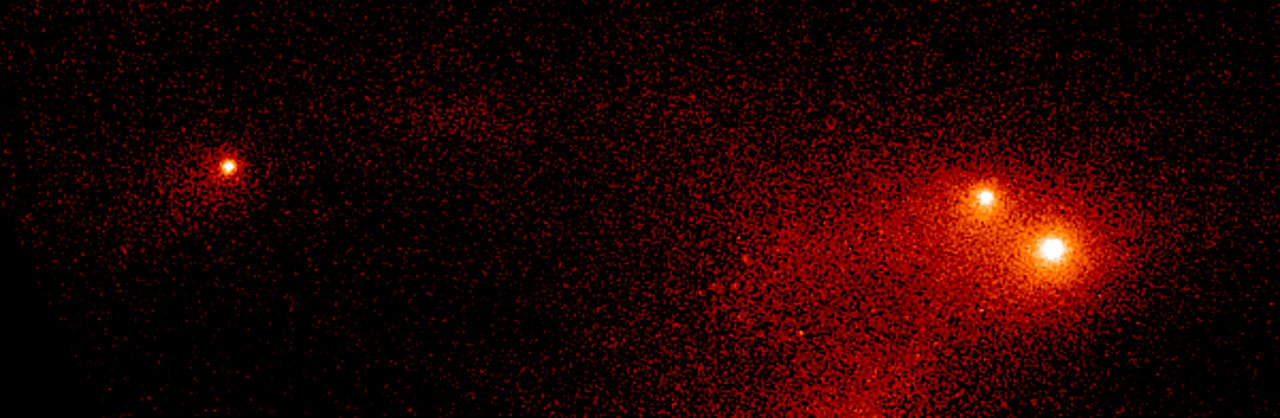
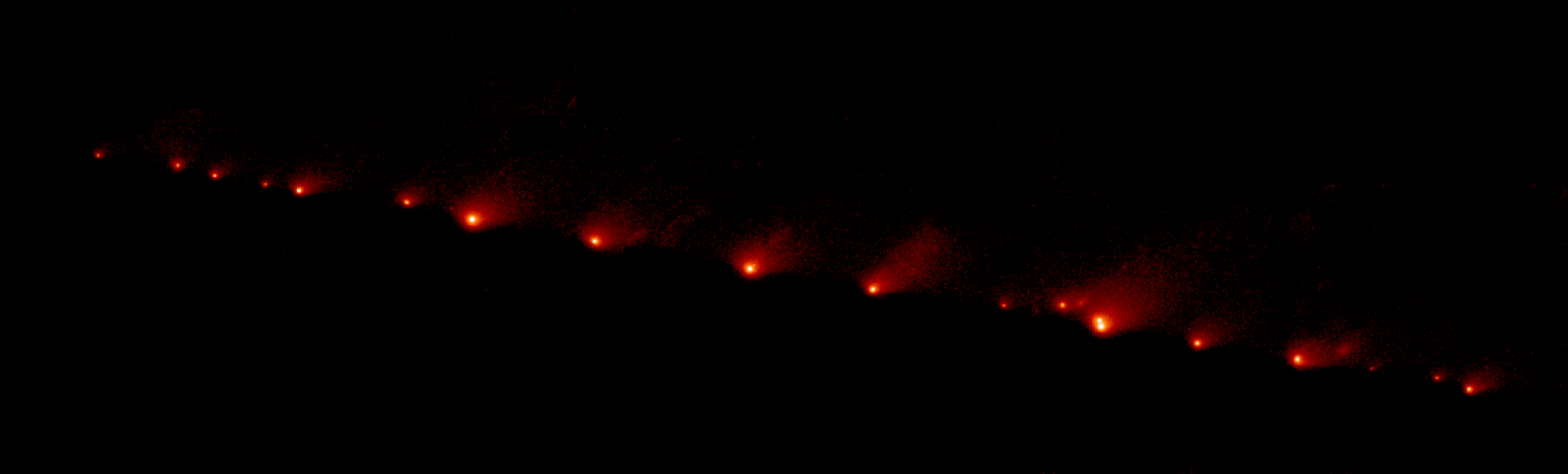
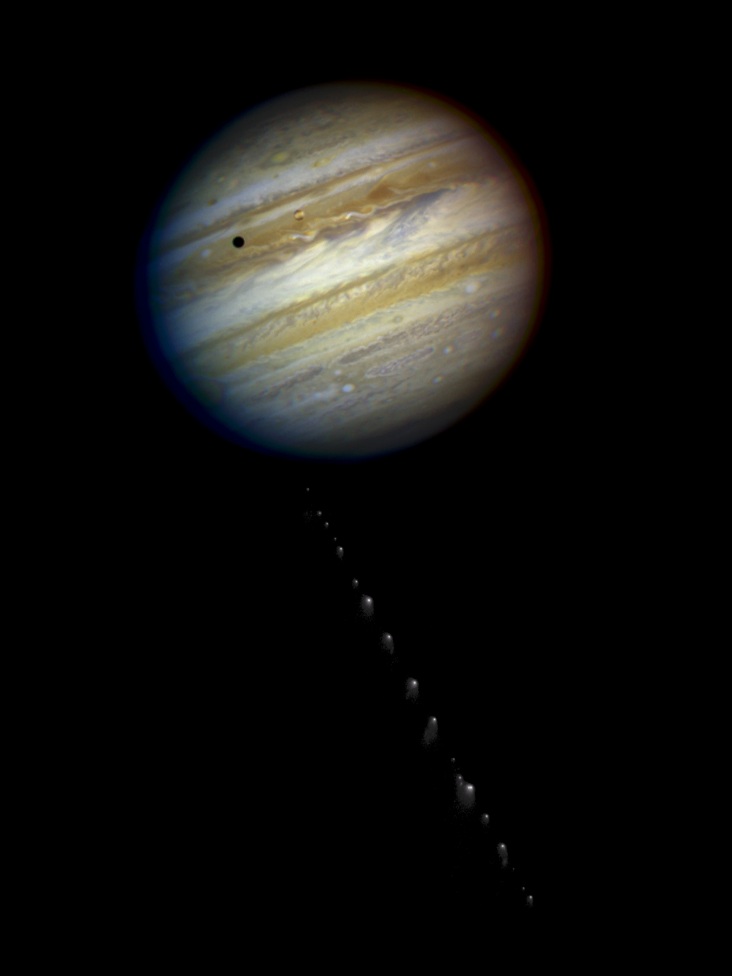
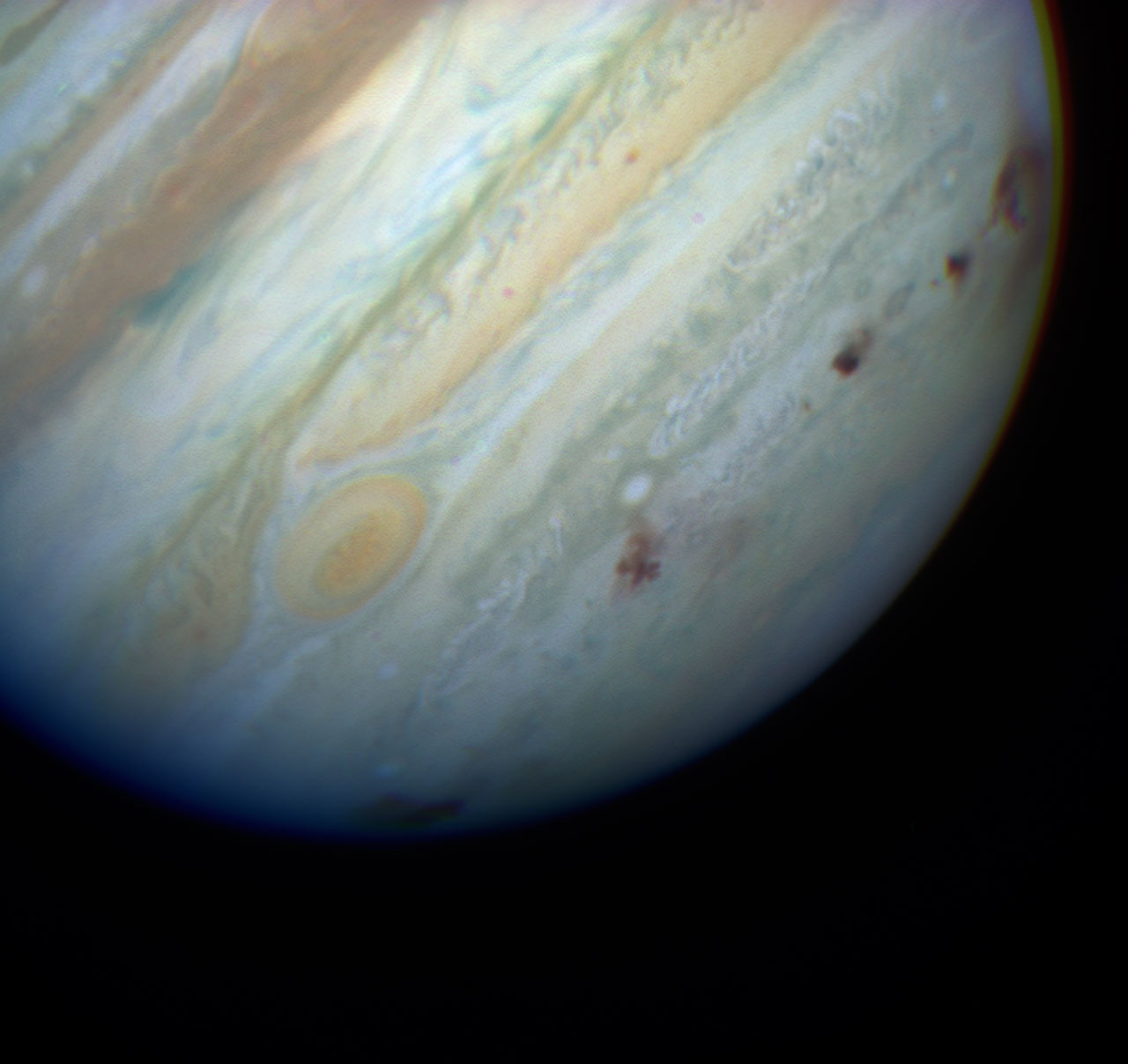
Hubble has imaged other dwarf planets, asteroids and comets across our Solar System too, including the famous Comet Shoemaker-Levy 9, which crashed into Jupiter in July 1994.
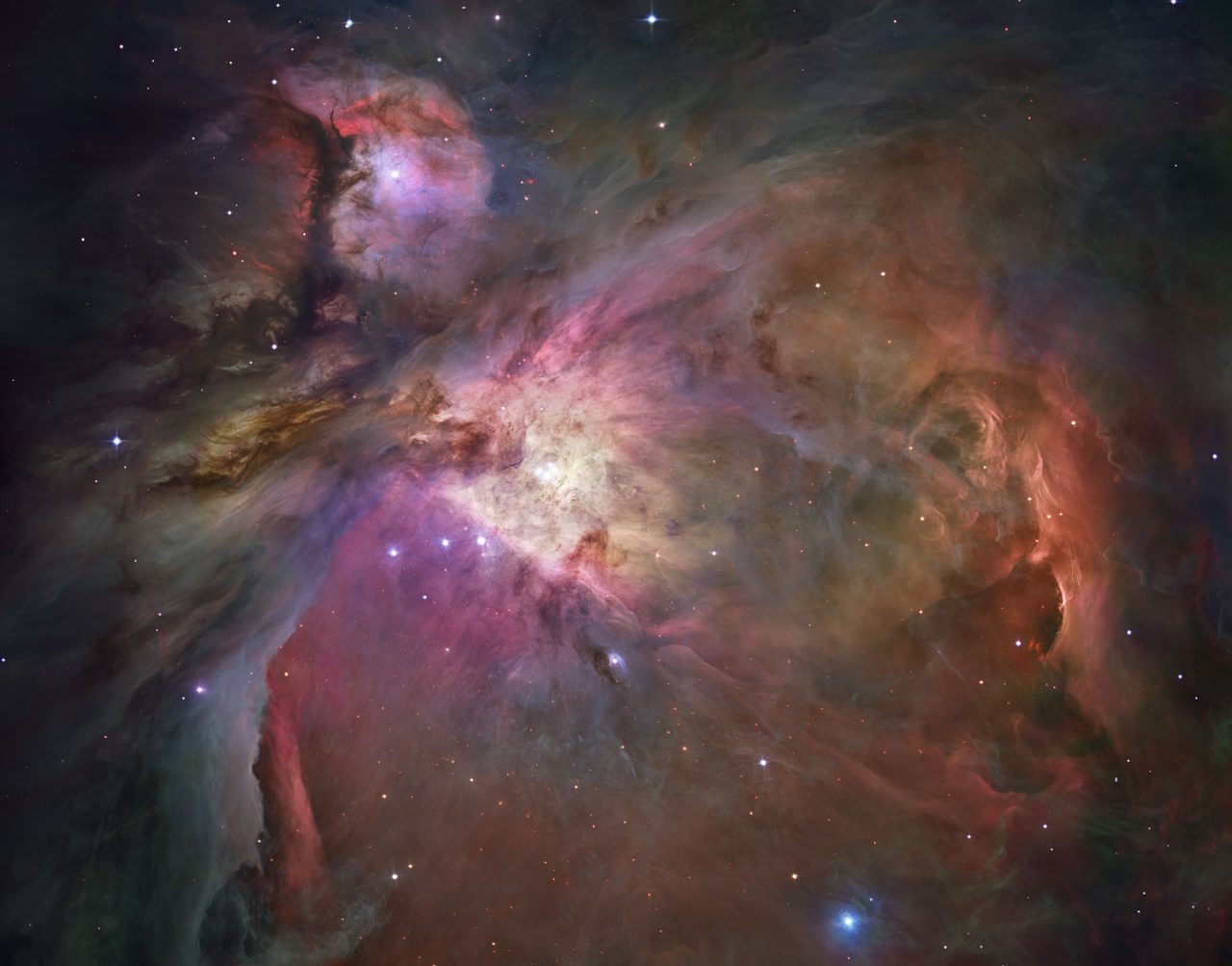
Credit: NASA, ESA, M. Robberto ( Space Telescope Science Institute/ESA) and the Hubble Space Telescope Orion Treasury Project Team
There are no Hubble images of inner planets Earth, Venus and Mercury, however, because Hubble orbits Earth and our planet's surface would be much too bright for the space telescope's sensitive optics.
Similarly, Venus and Mercury are too close to the Sun for astronomers to risk pointing Hubble at them.
It's safe to say, however, that the Hubble Space Telescope has transformed our view of the Solar System beyond Earth.
Here are some of the best images of our nearby planets, moons, comets and other celestial bodies, as seen by one of humanity's most famous and celebrated observatories.
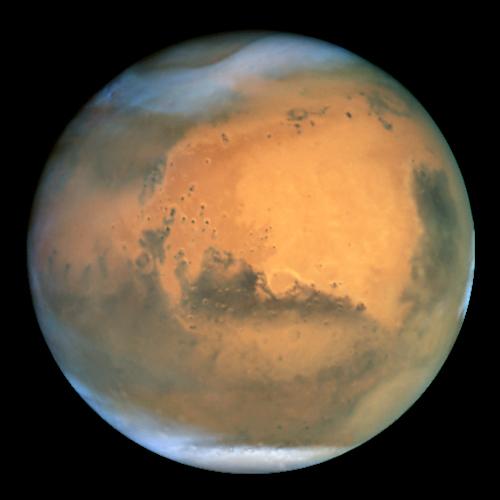
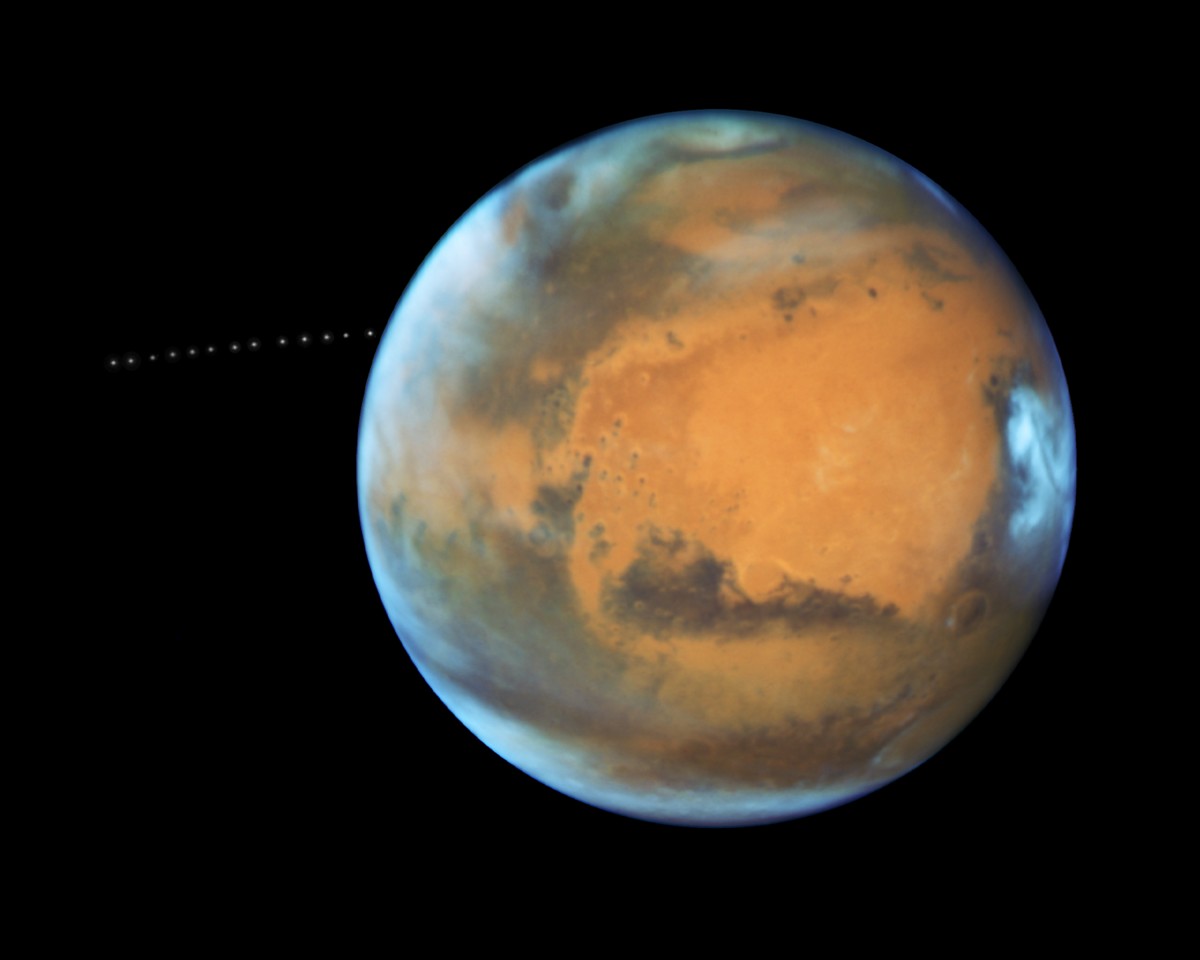
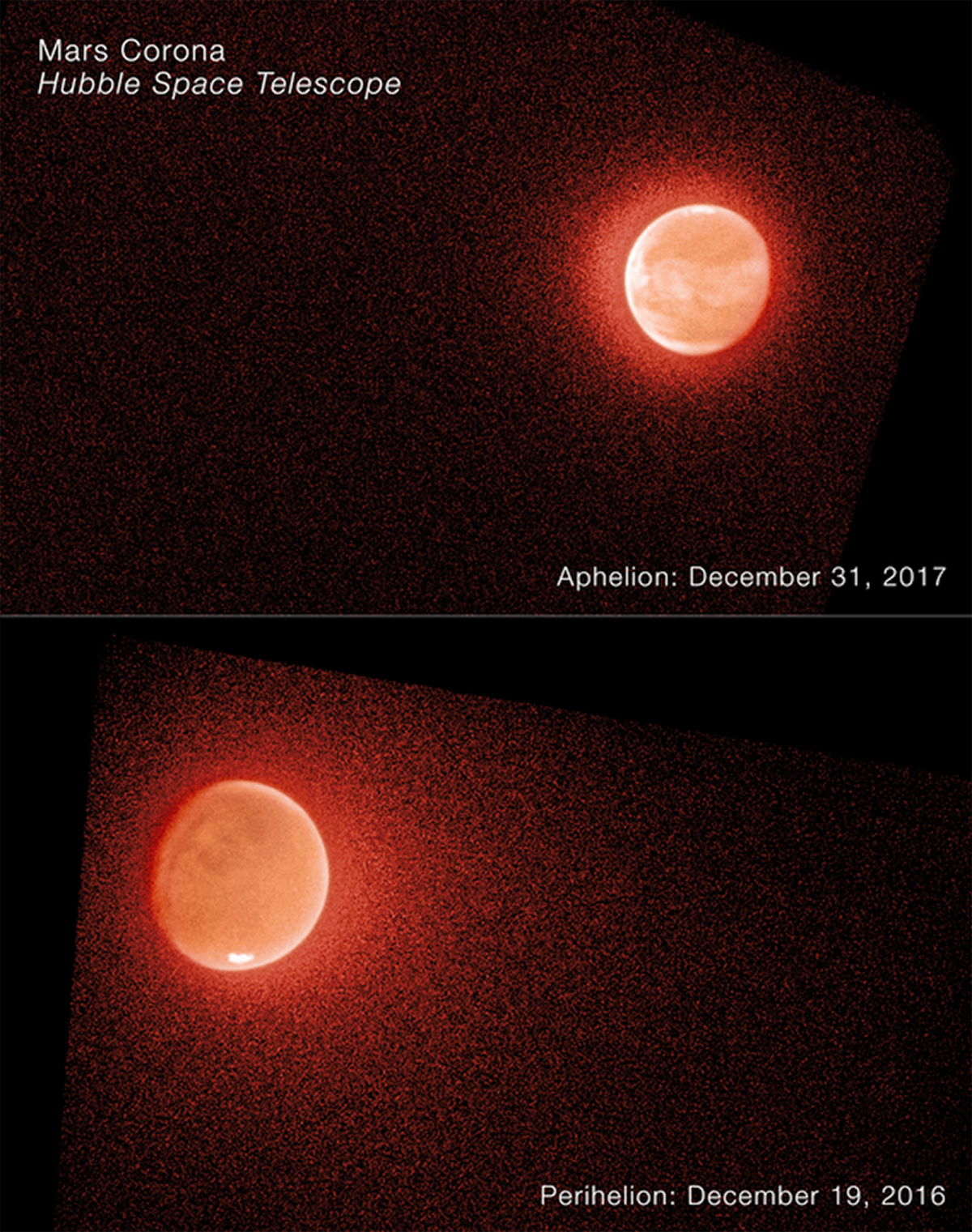
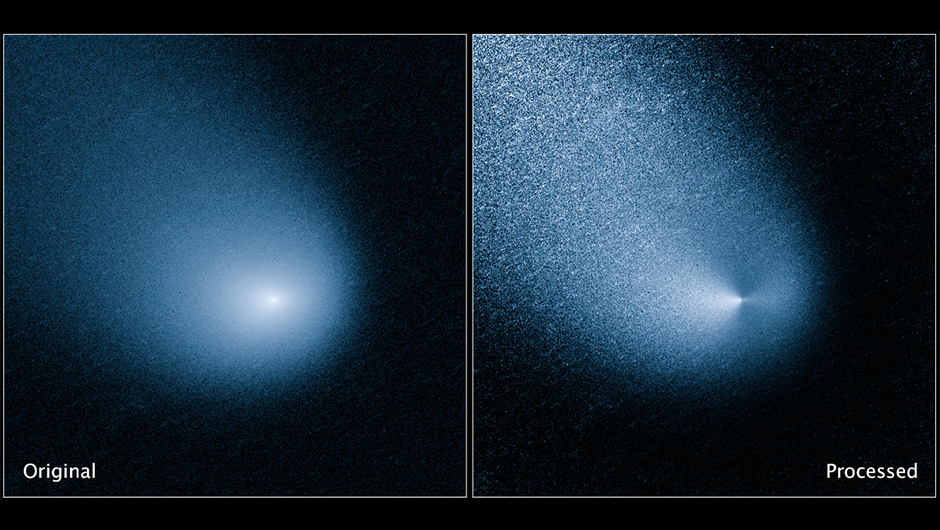
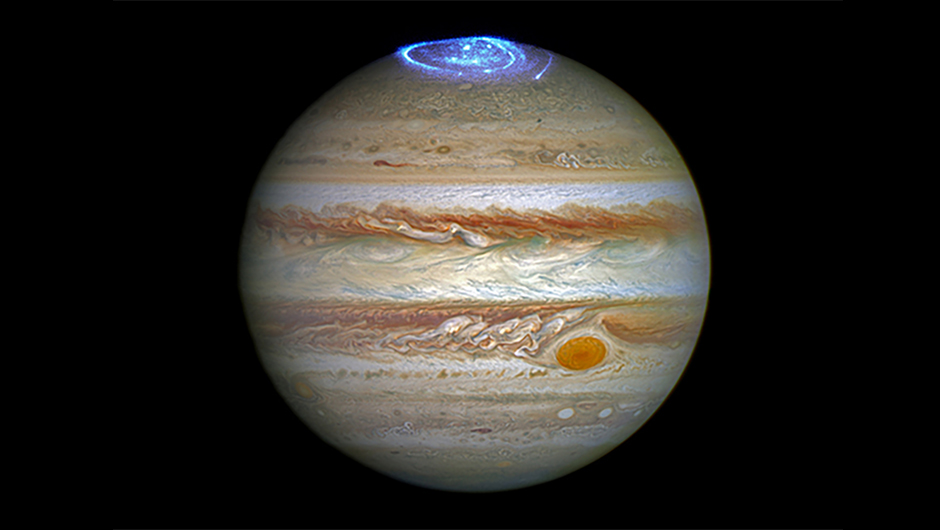
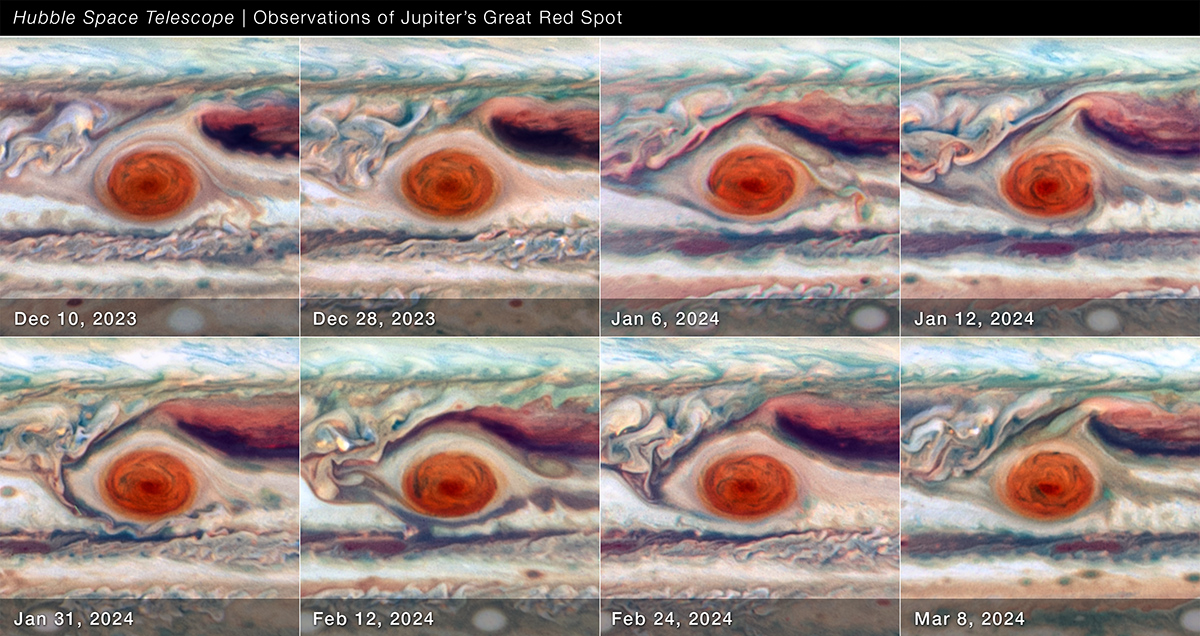
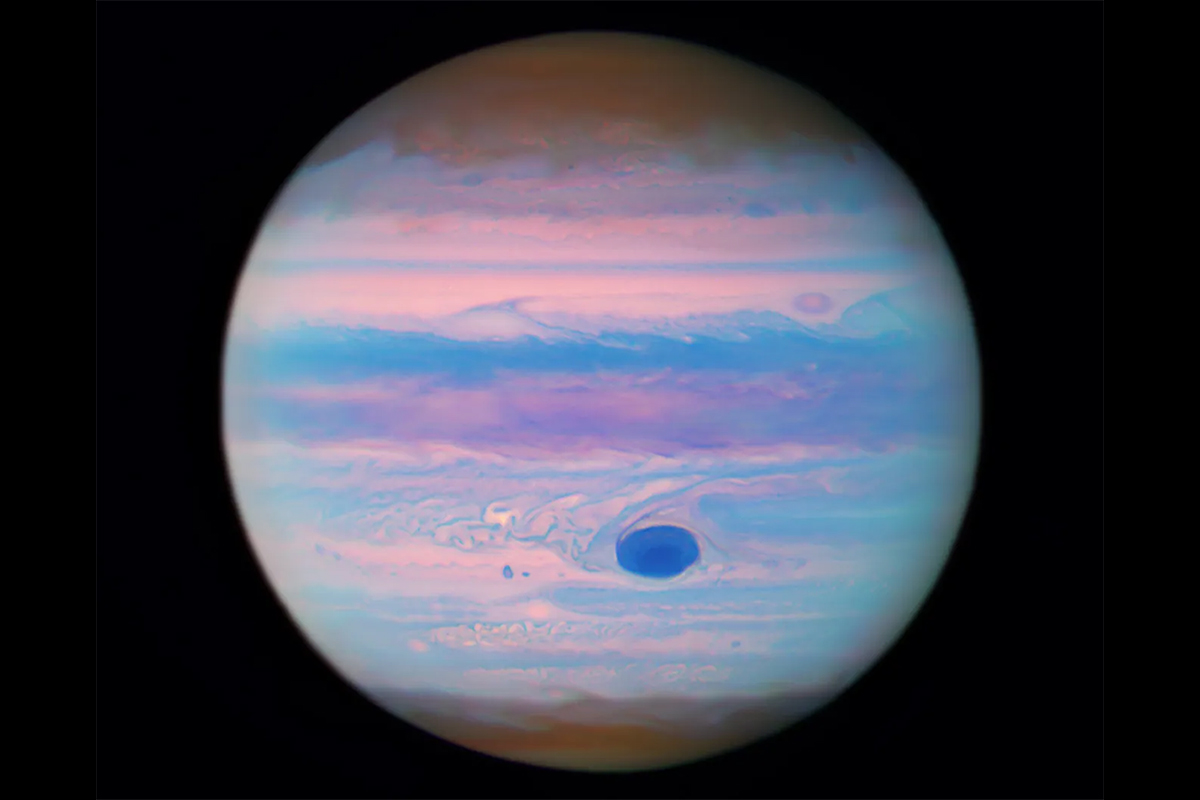
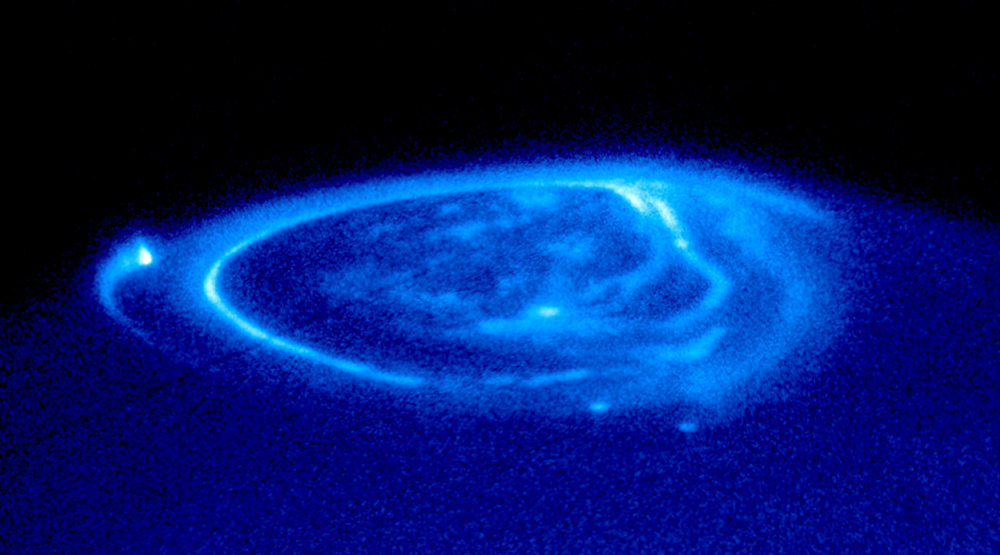
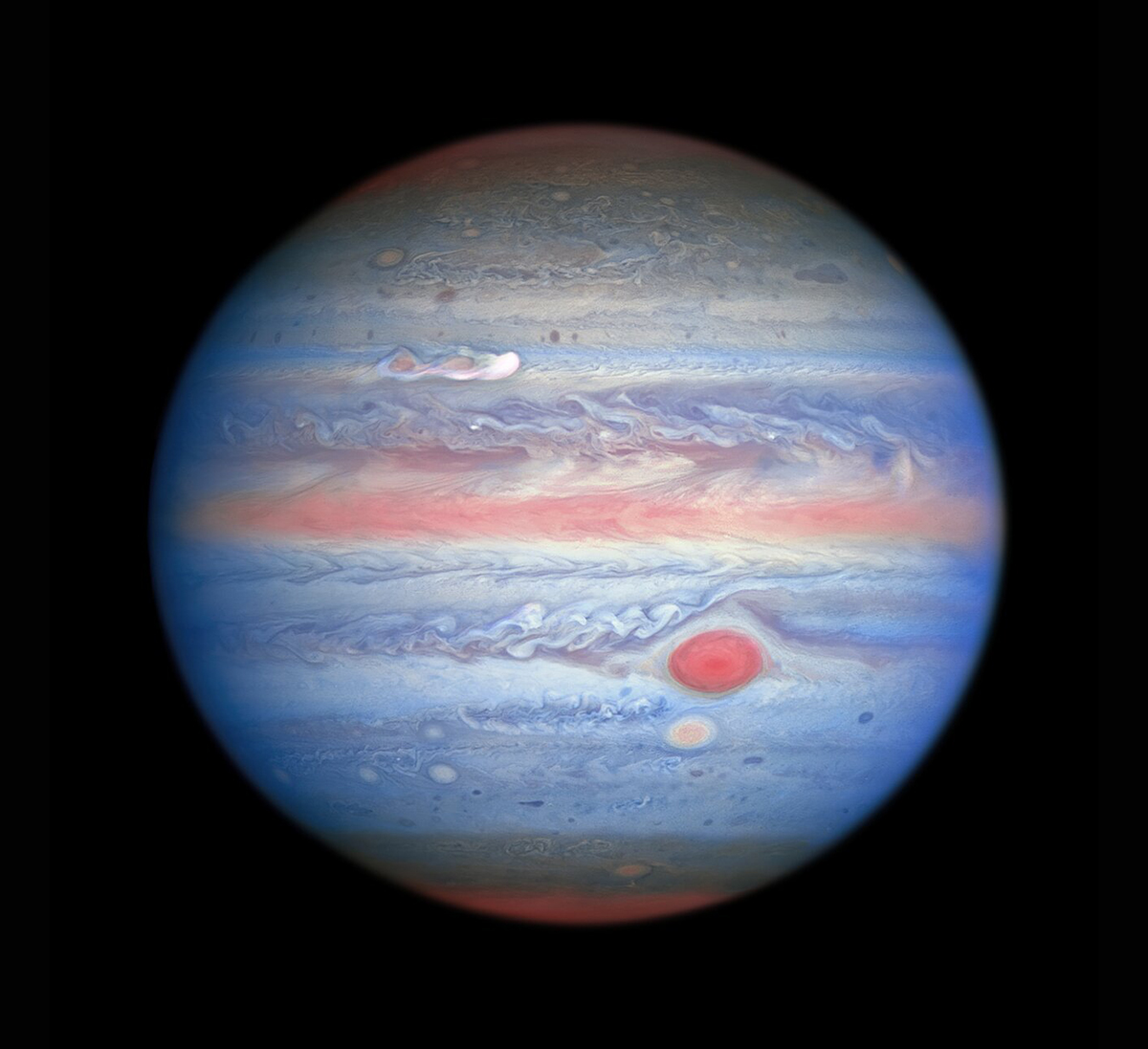
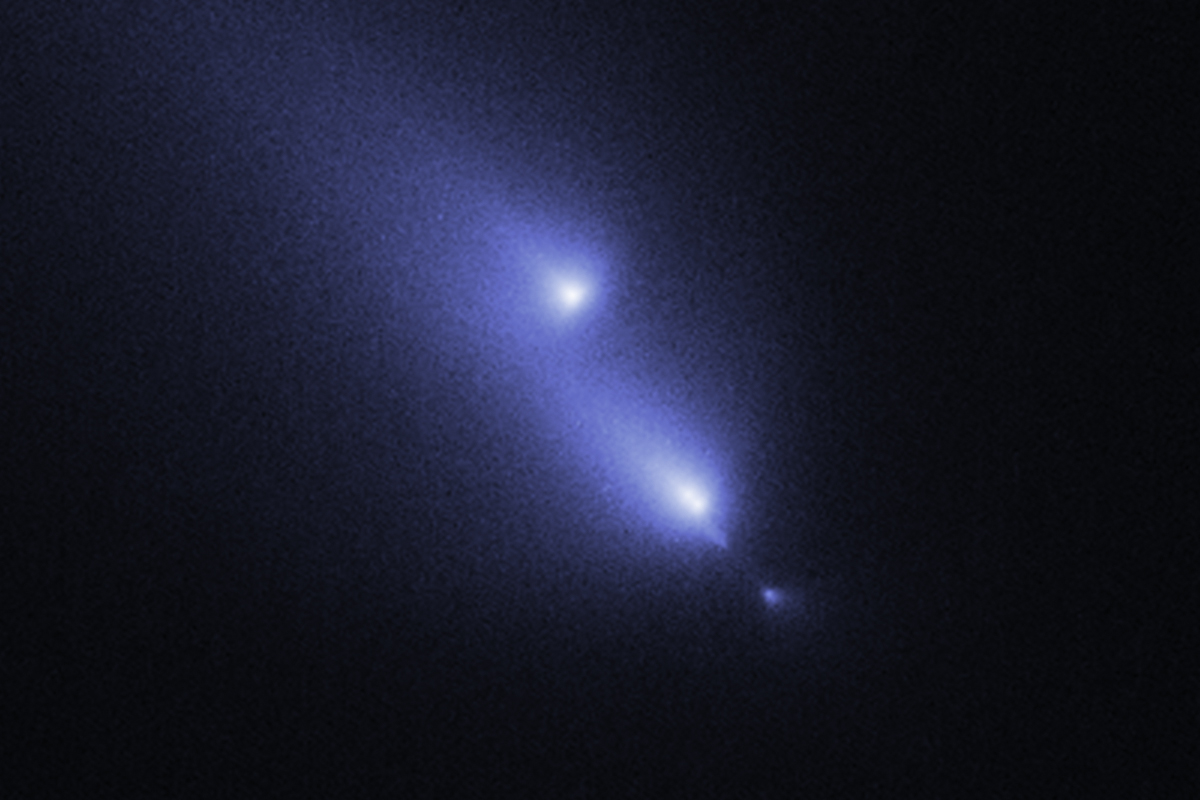
Mars, as seen by the Hubble Space Telescope. Acknowledgements: J. Bell (Cornell U.), P. James (U. Toledo), M. Wolff (Space Science Institute), A. Lubenow (STScI), J. Neubert (MIT/Cornell) Credit: NASA/ESA and The Hubble Heritage Team STScI/AURAPhobos orbiting Mars, as seen by the Hubble Space Telescope. Credit: NASA, ESA, and Z. Levay (STScI)Hubble images of Mars near its farthest point from the Sun, aphelion, on 31 December 2017, and near its closest approach to the Sun, perihelion, on 19 December 2016. Mars loses more water molecules when it's closer to the Sun. Credit:NASA, ESA, STScI, John T. Clarke (Boston University). Image processing: Joseph DePasquale (STScI)An image by the Hubble Space Telescope of Comet C/2013 A1 (Siding Spring), which made a close pass by Mars on 19 october 2015. Credit: NASA, ESA, and J.-Y. Li (Planetary Science Institute)An image of aurorae on Jupiter, taken by the Hubble Space Telescope. Image Credits: NASA, ESA, and J. Nichols (University of Leicester)Hubble Space Telescope images of Jupiter's Great Red Spot spanning about 90 days between December 2023 and March 2024. Credit: NASA, ESA, Amy Simon (NASA-GSFC); Image Processing: Joseph DePasquale (STScI)An image of Jupiter captured in ultraviolet light by the Hubble Space Telescope, released on 2 November 2023. Credit: NASA, ESA, and M. Wong (University of California - Berkeley); Processing: Gladys Kober (NASA/Catholic University of America)Aurora at Jupiter's north pole, as seen by the Hubble Space Telescope. Credit: NASA/ESA, John Clarke (University of Michigan)An ultraviolet/visible/near-infrared light view of Jupiter captured by the Hubble Space Telescope. Credit:
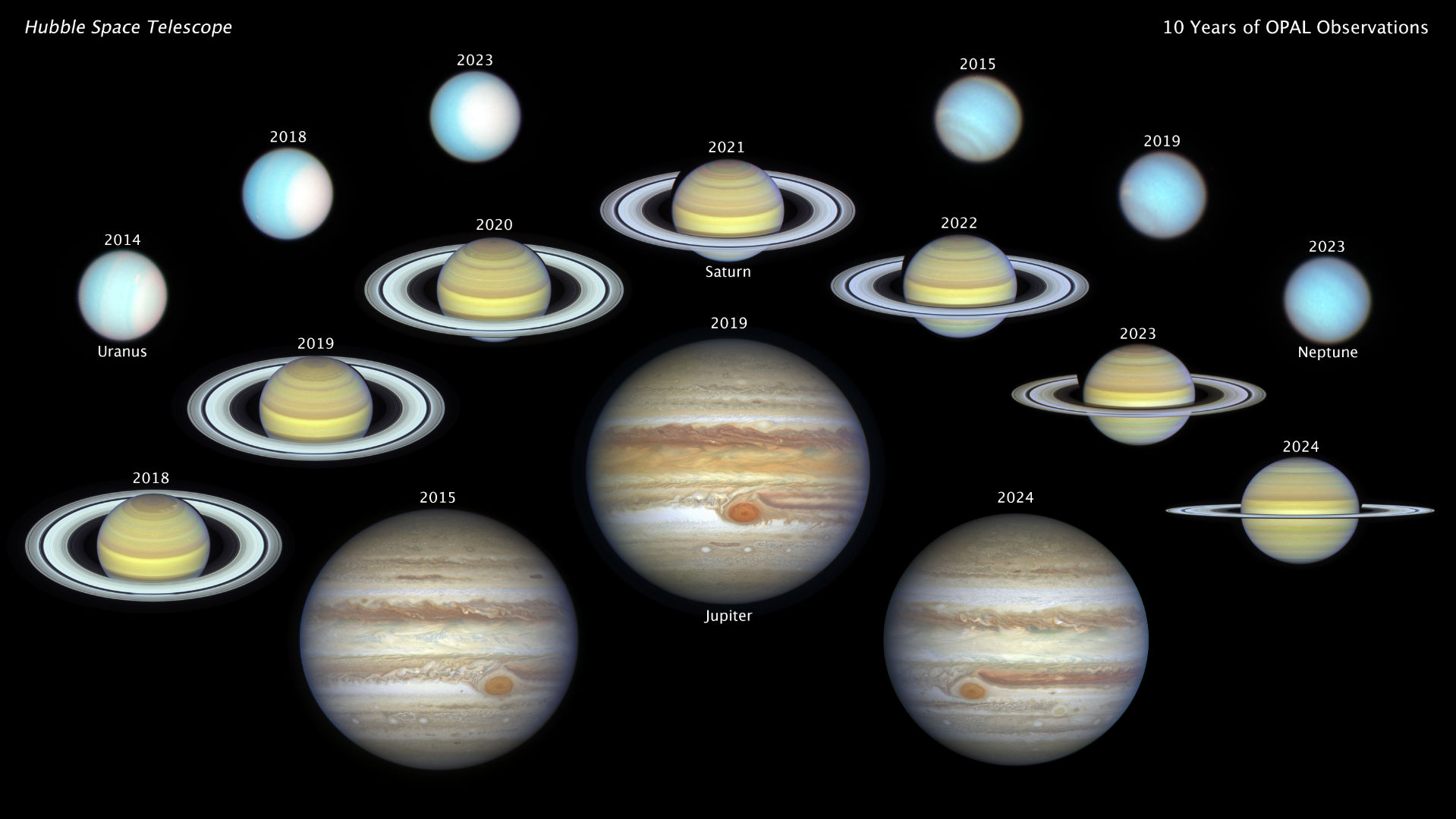
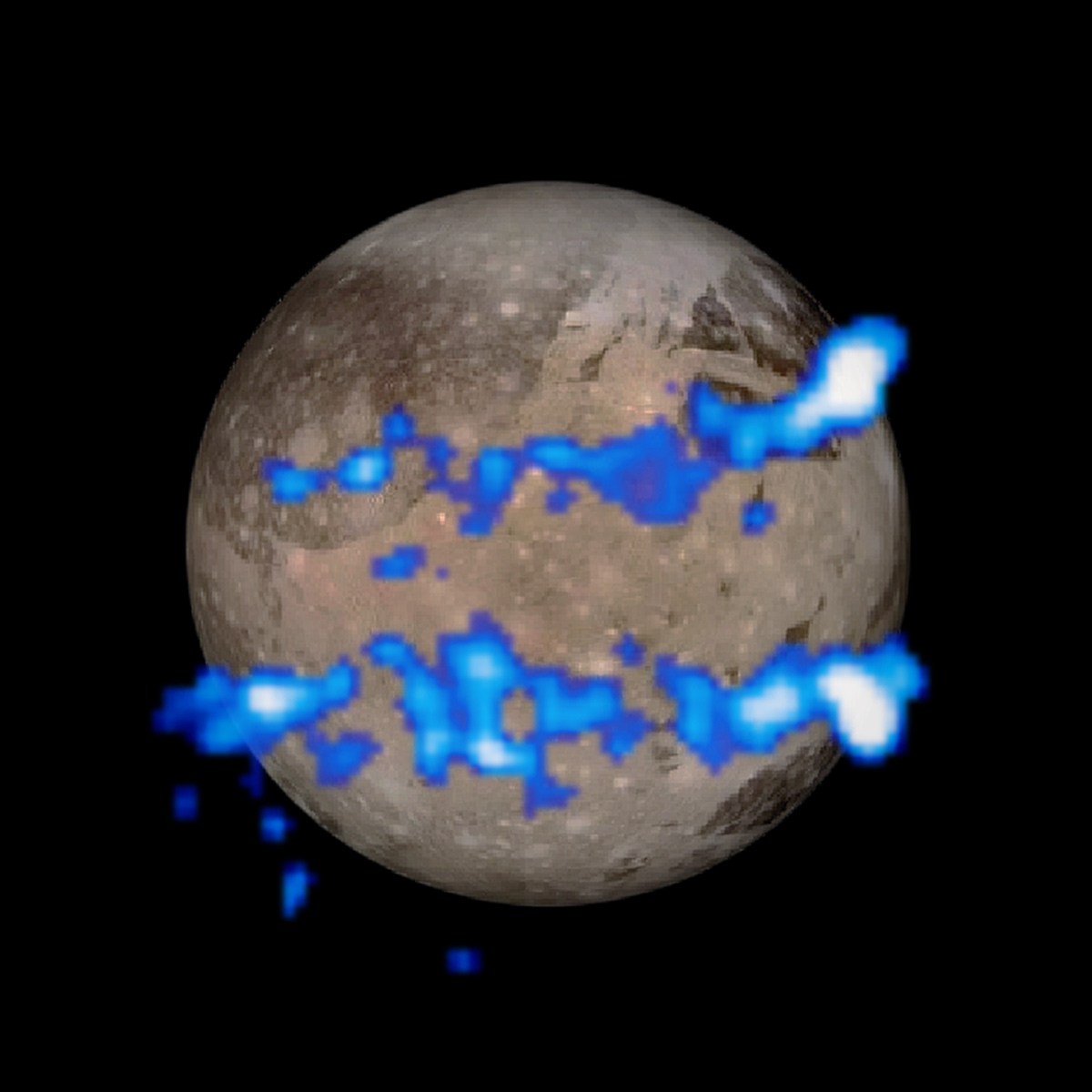
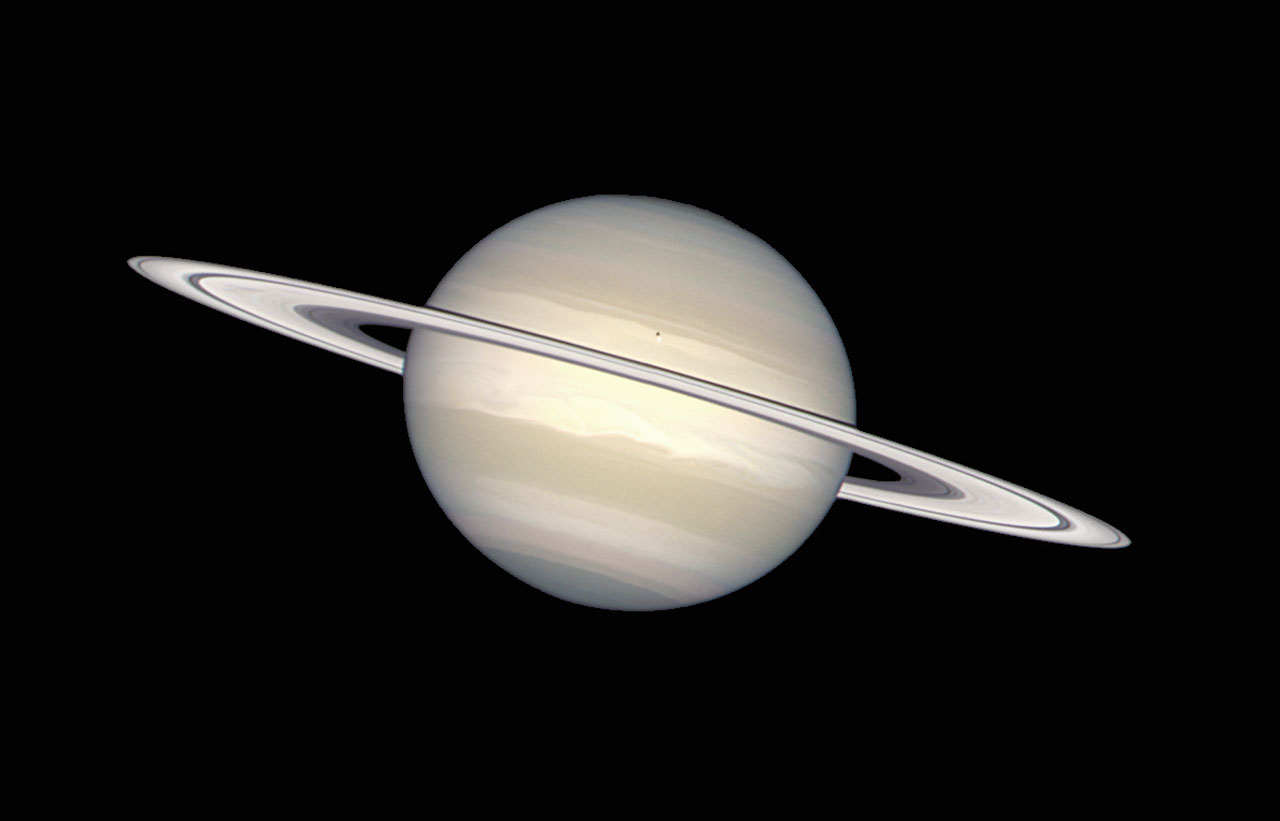
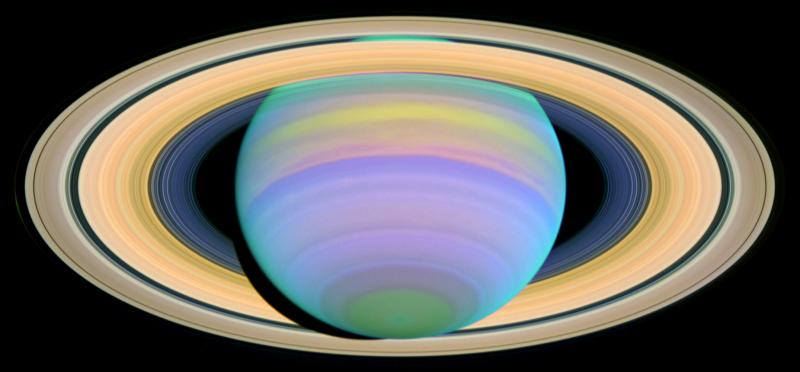
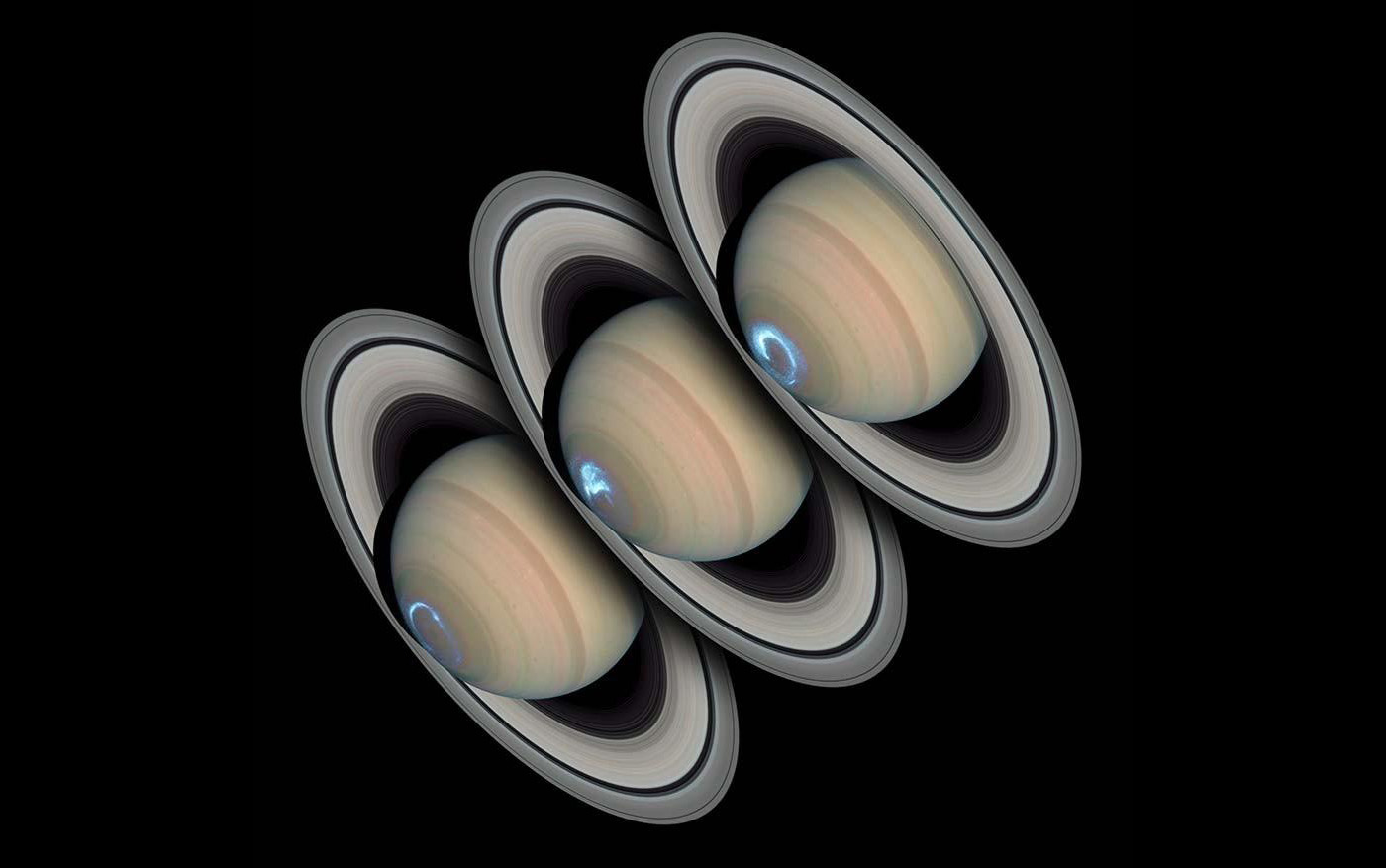
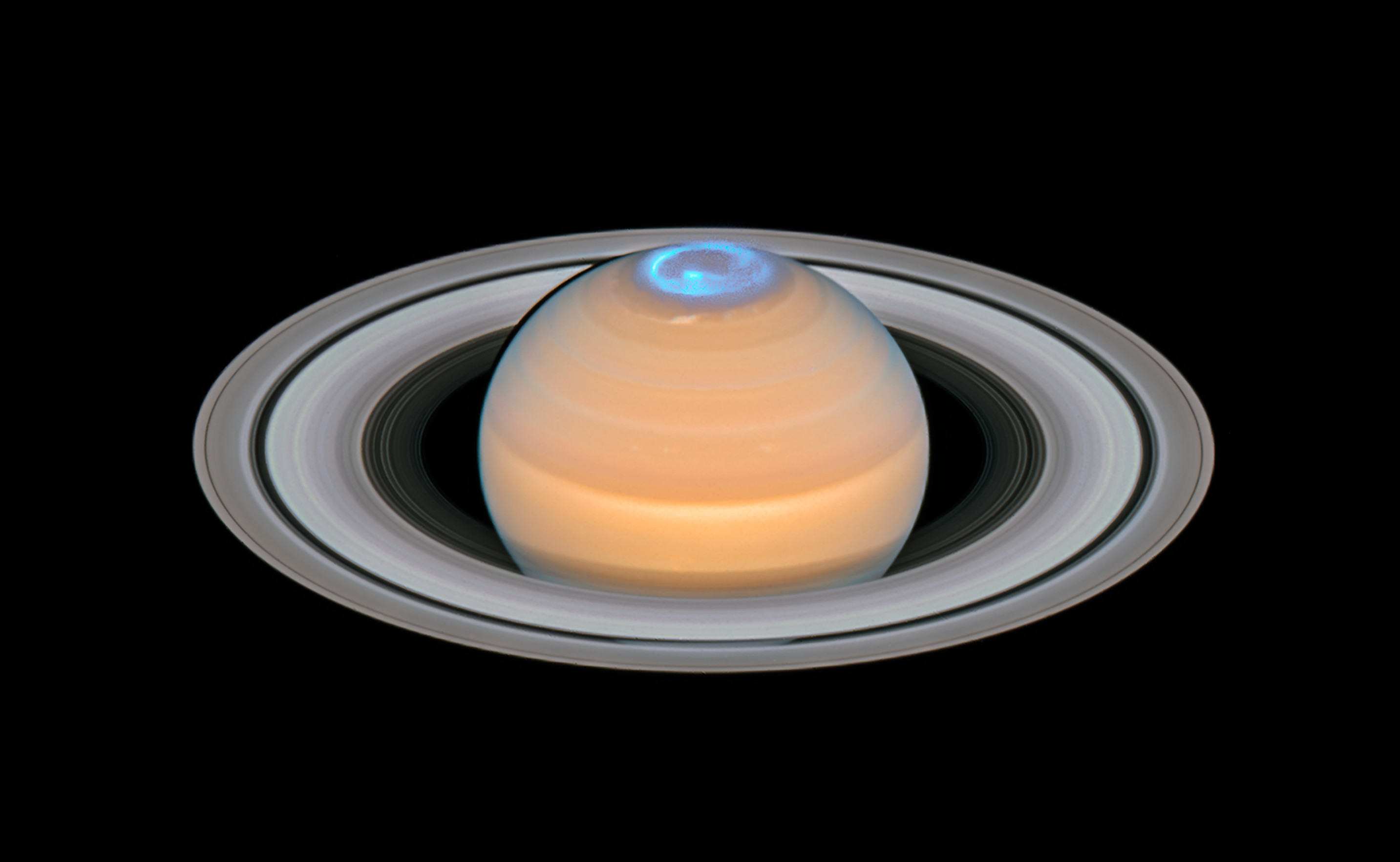
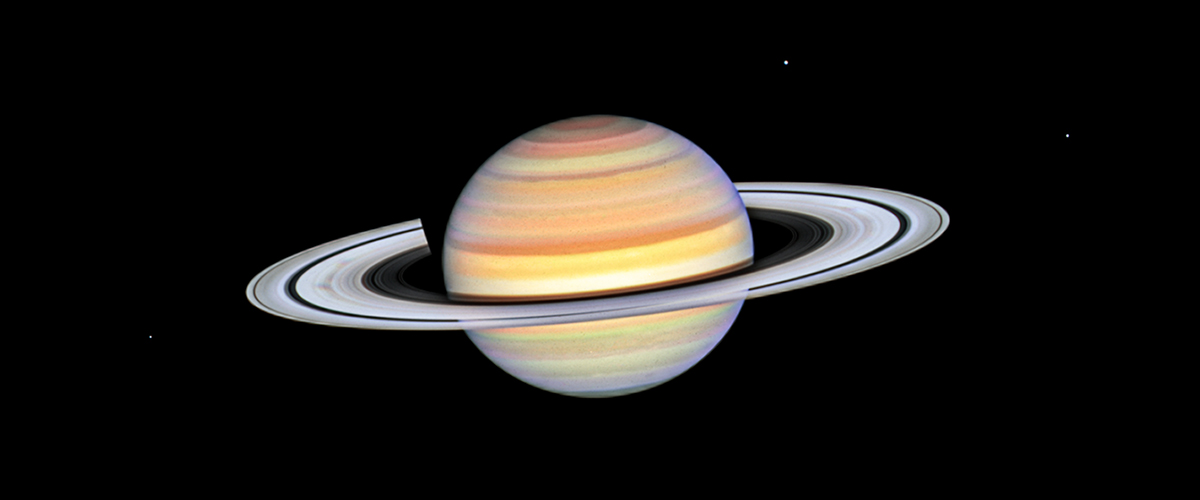
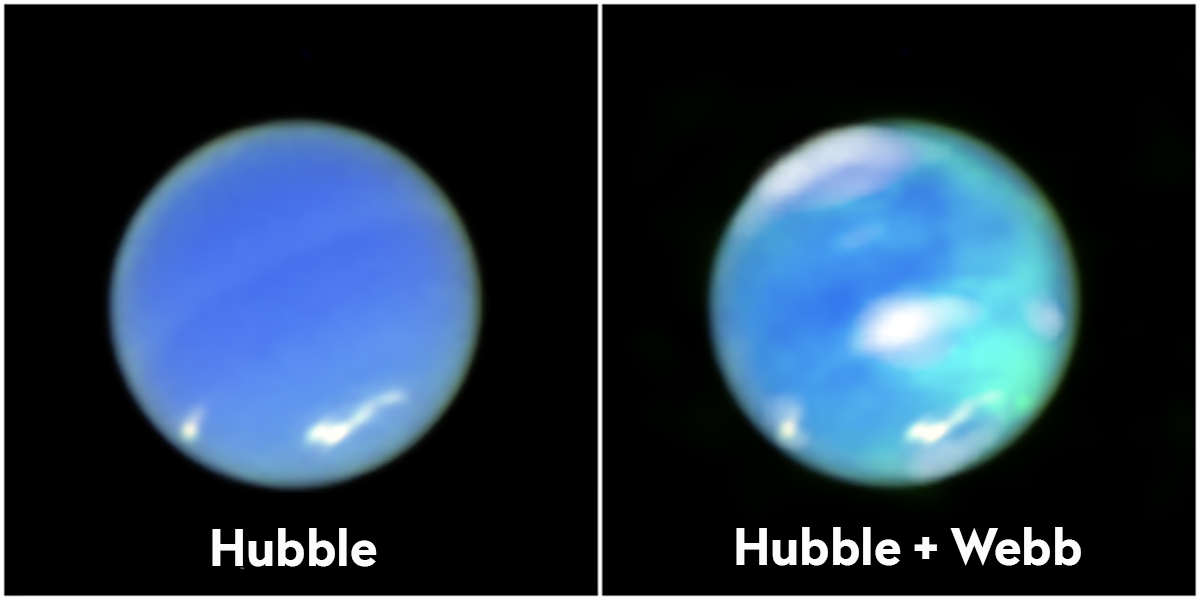
NASA, ESA, A. Simon (Goddard Space Flight Center), and M. H. Wong (University of California, Berkeley) and the OPAL team.Uranus, Neptune, Saturn and Jupiter, captured by the Hubble Space Telescope. Credit: NASA, ESA, Amy Simon (NASA-GSFC), Michael H. Wong (UC Berkeley); Processing: Joseph DePasquale (STScI)Jupiter, Saturn, Uranus and Neptune, as seen by the Hubble Space Telescope. Credit: NASA, ESA, A. Simon (Goddard Space Flight Center), and M.H. Wong (University of California, Berkeley) and the OPAL teamImage showing aurora belts on Jupiter's moon Ganymede, coloured blue. Belts were observed by the Hubble Space Telescope.Aurora credit: NASA, ESA, and J. Saur (University of Cologne, Germany). Ganymede globe credit: NASA, JPL, and the Galileo ProjectHubble Space Telescope image of Saturn, processed to provide an accurate view, showing off the planet's pastel coloursBy taking images in different wavelengths, Hubble has given researchers a new perspective of familiar sights such as this picture of Saturn taken in the ultraviolet. Credit: NASA/ESAImages of Saturn's polar aurora captured by the Hubble Space Telescope on 24, 26 and 28 January 2005.
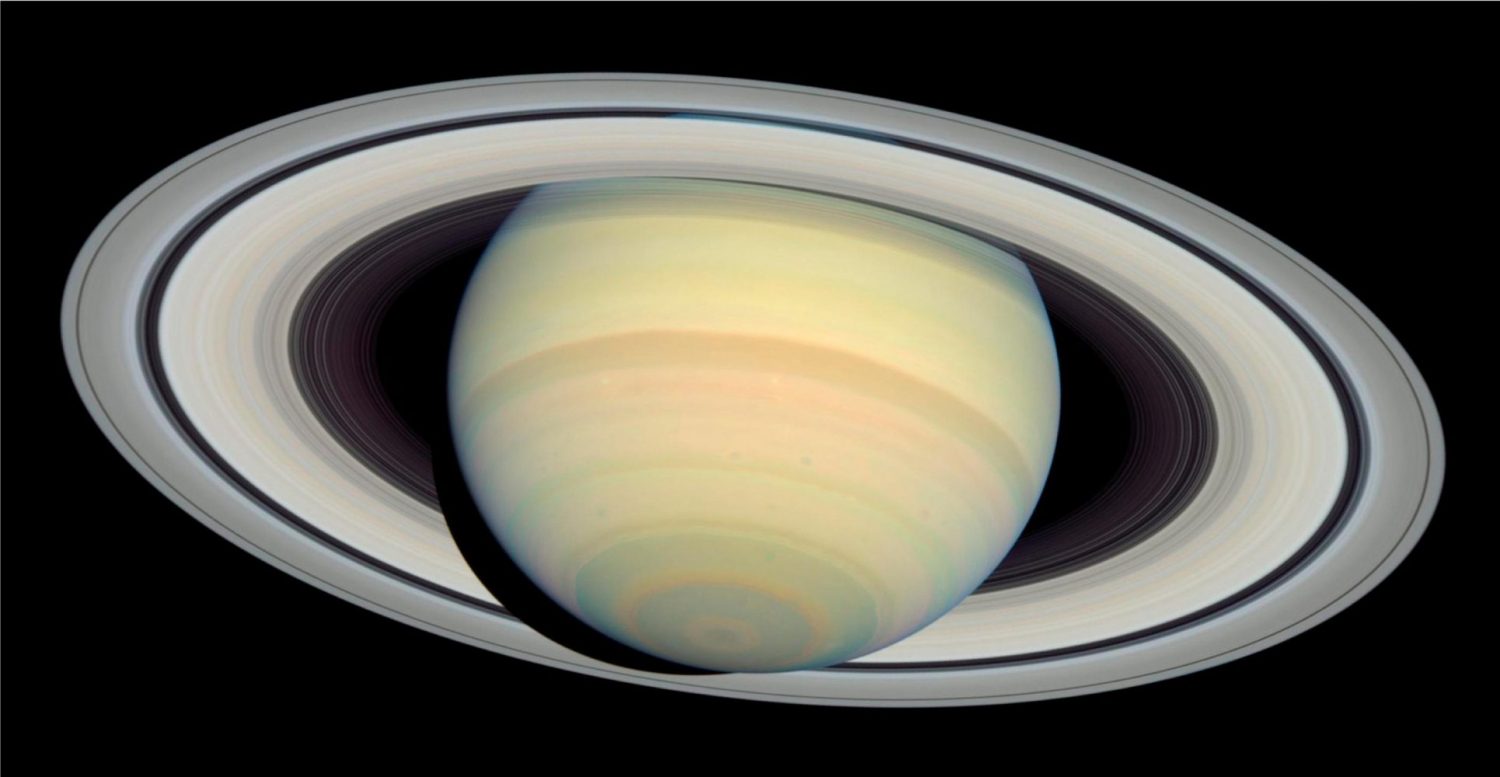
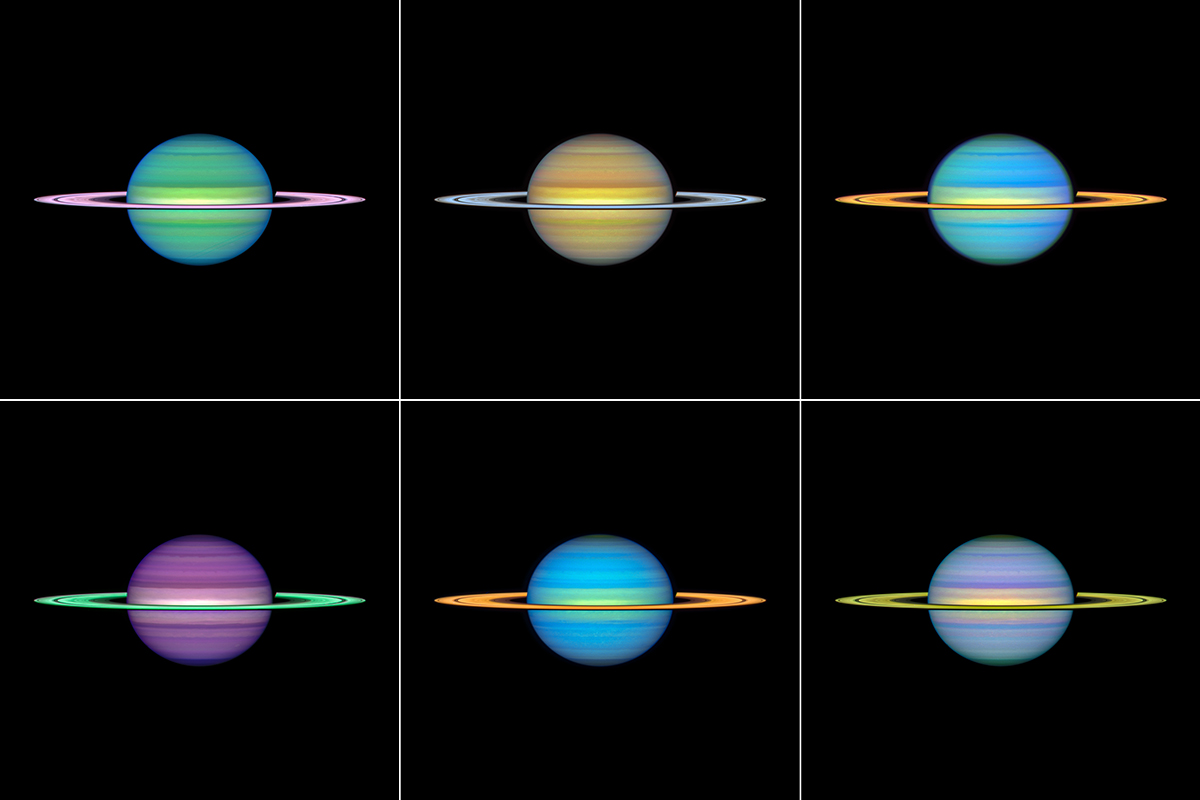
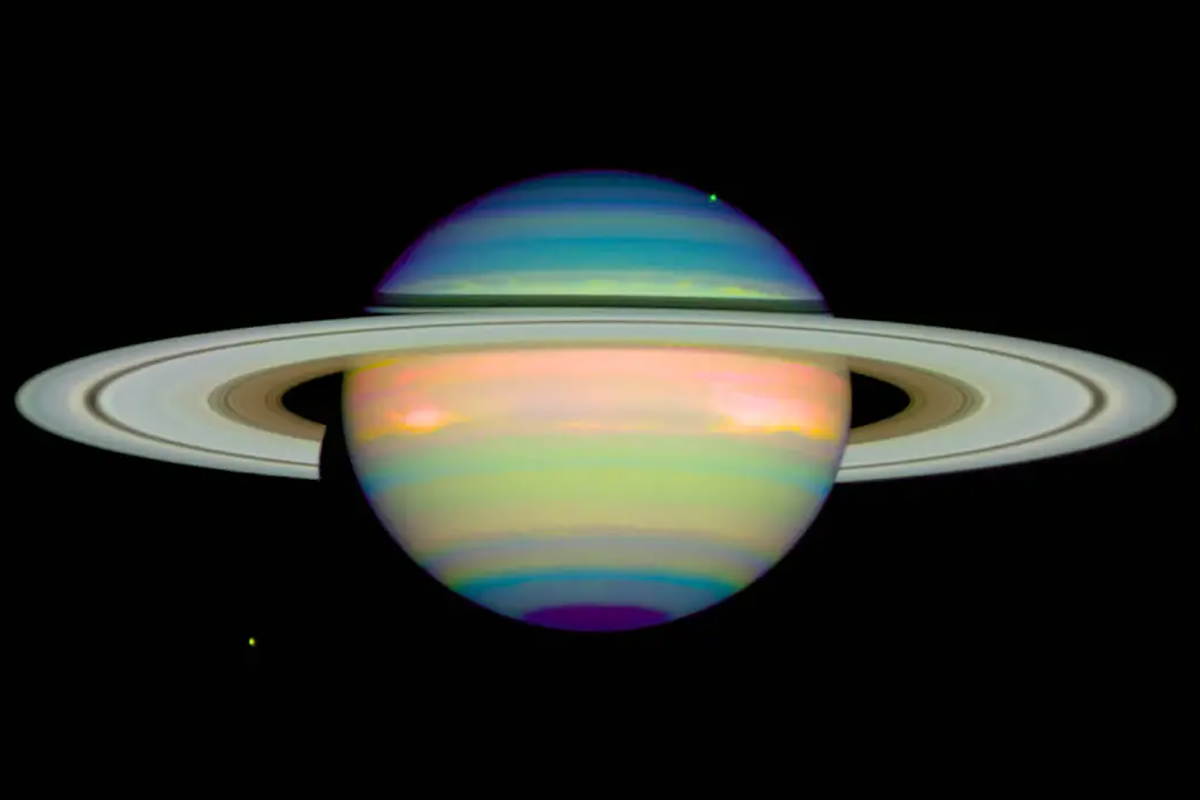
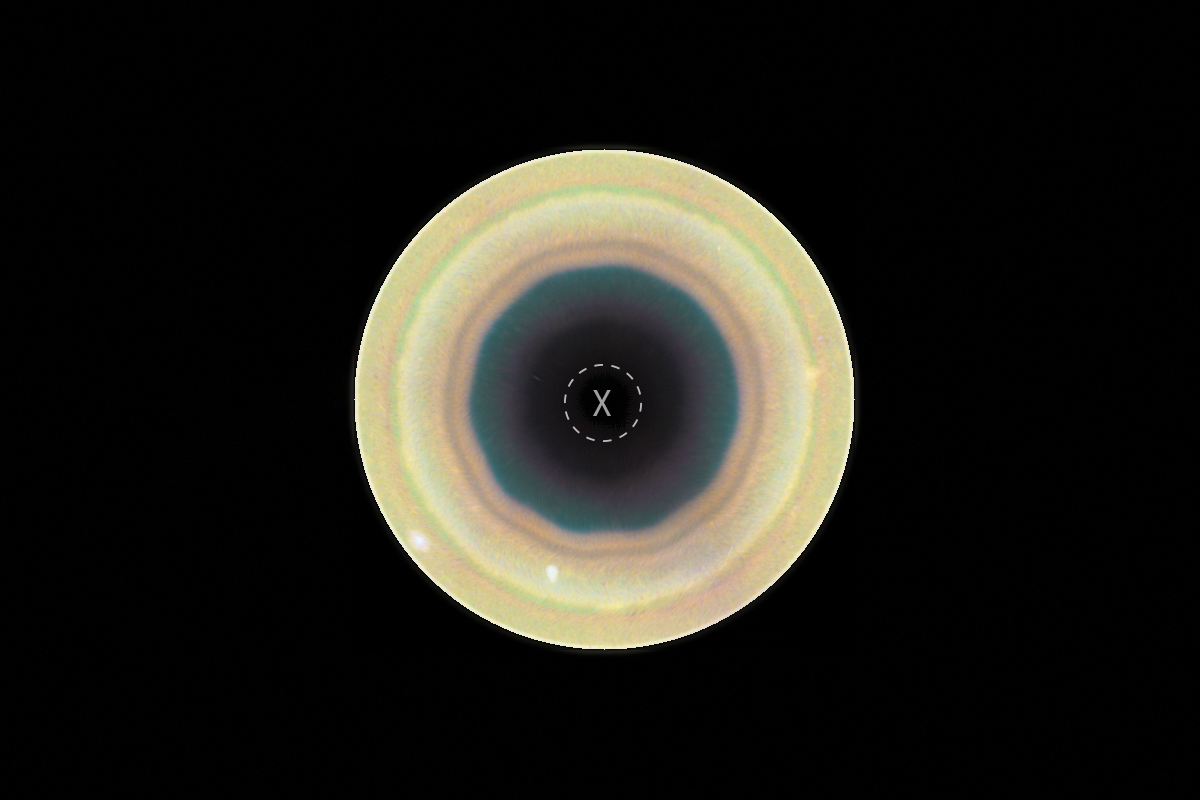
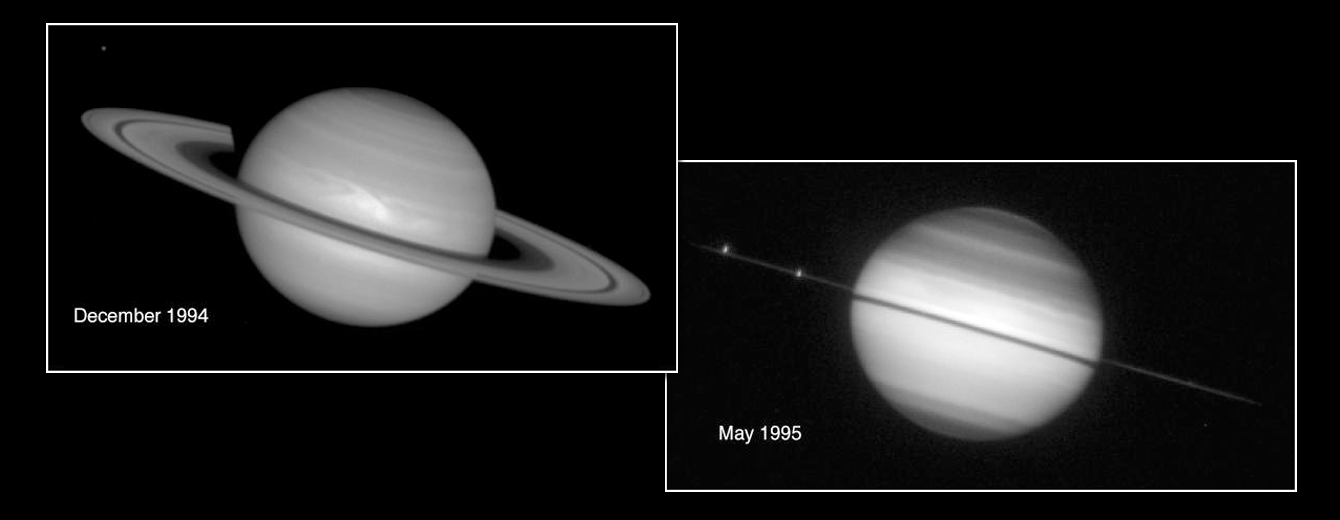
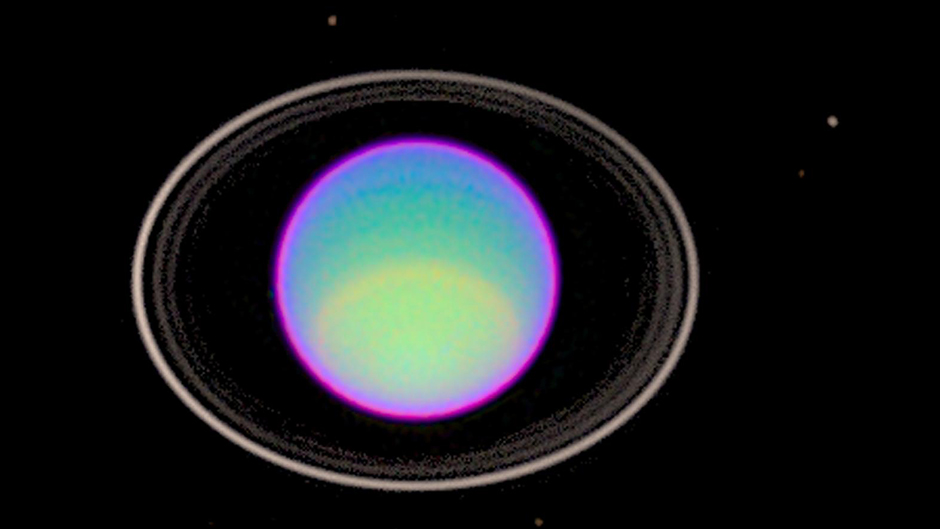
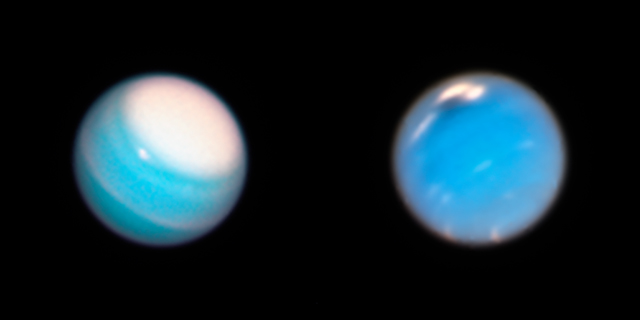
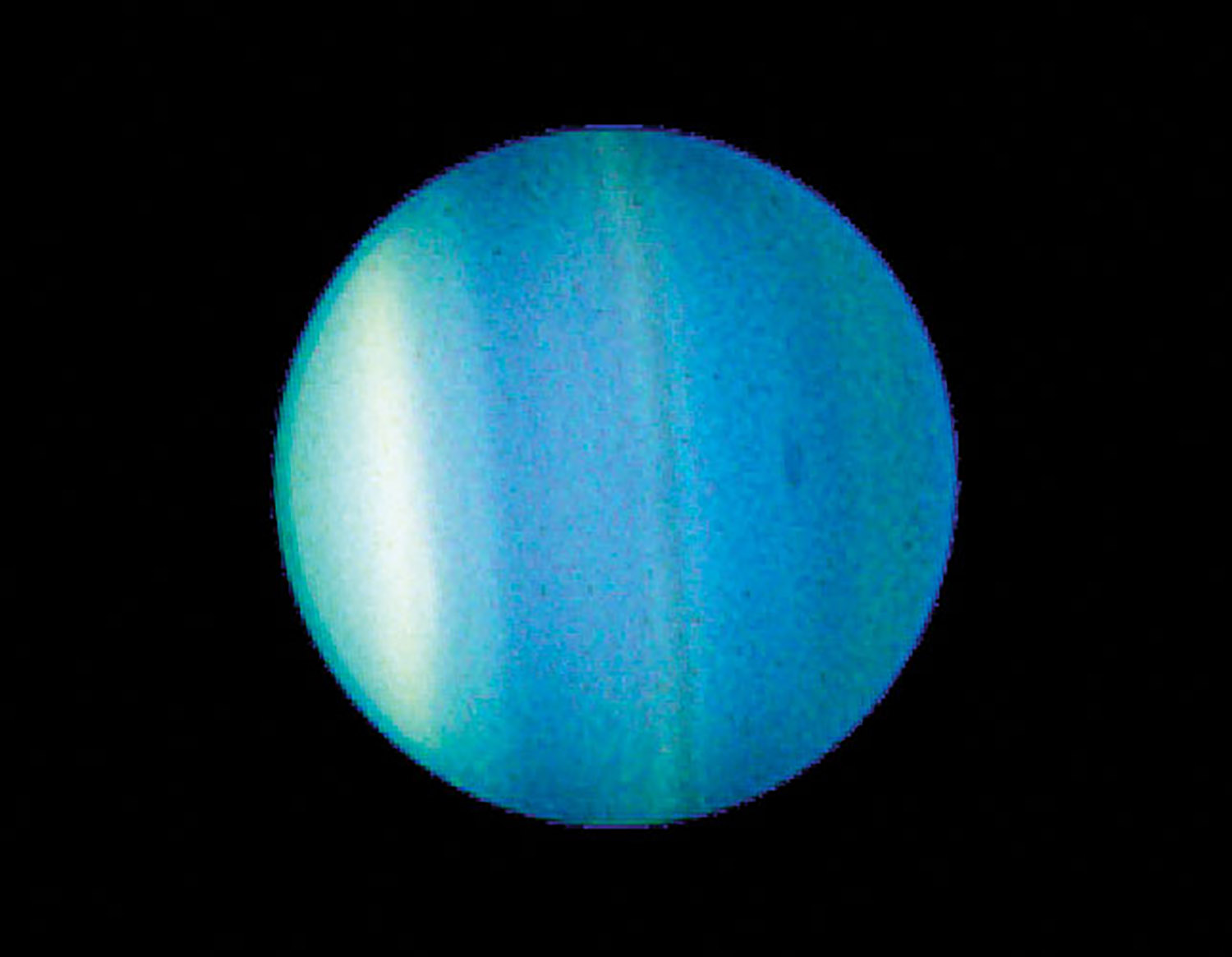
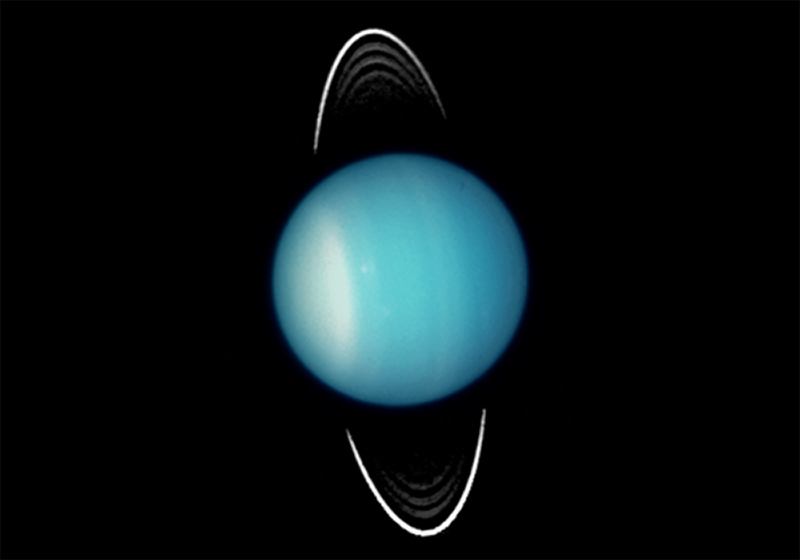
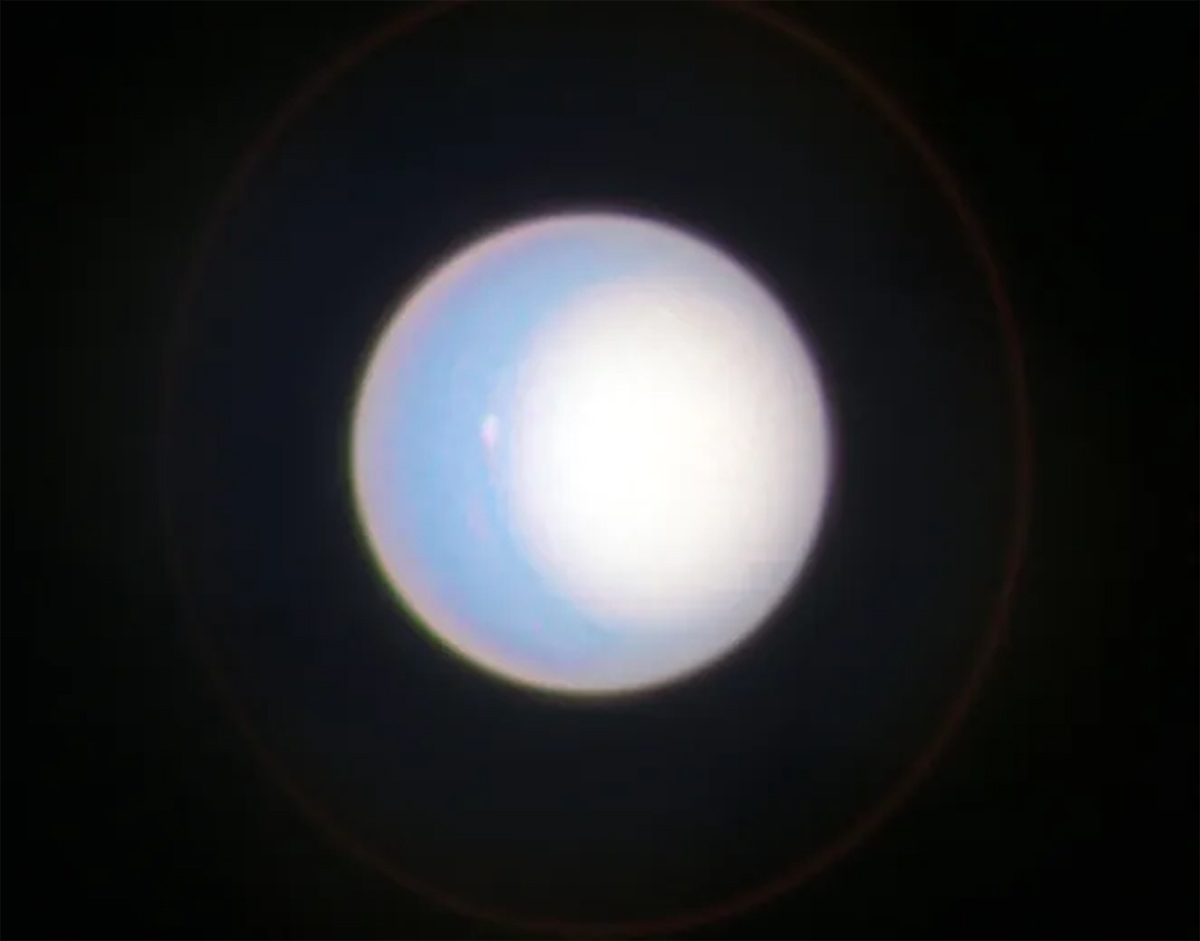
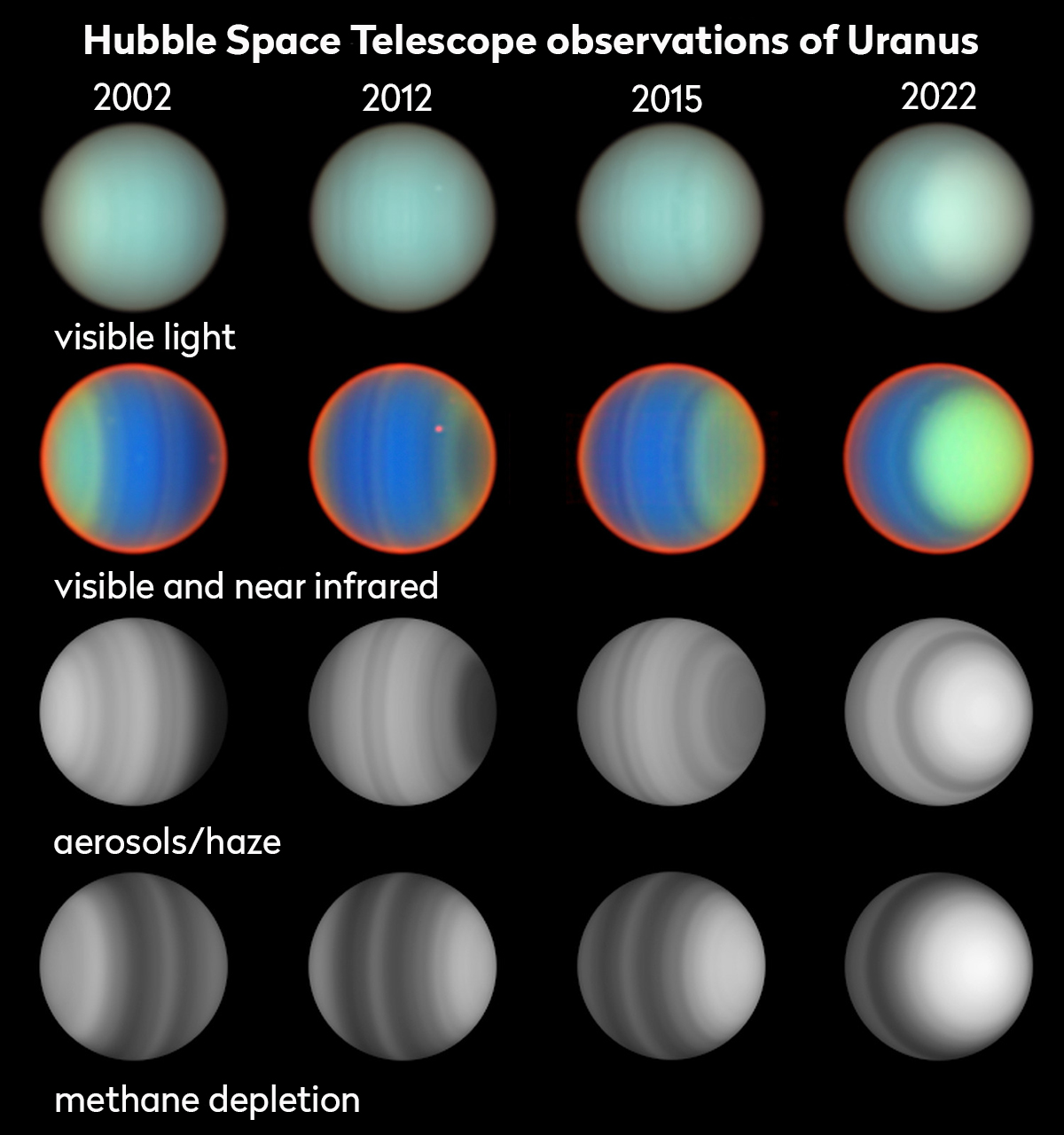
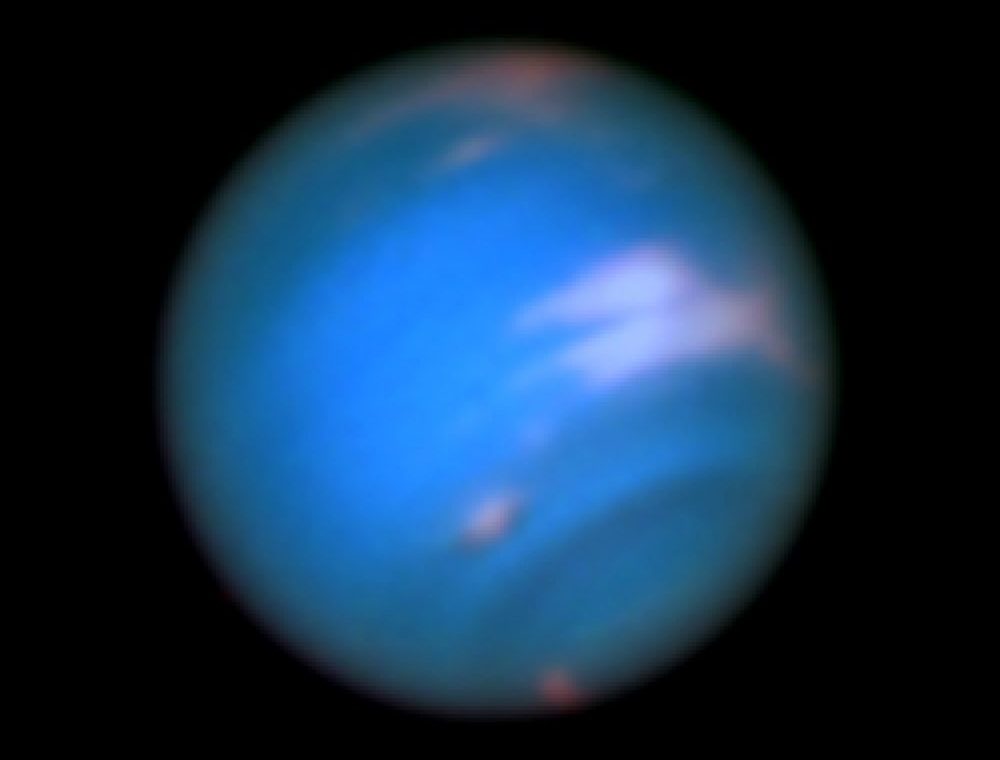
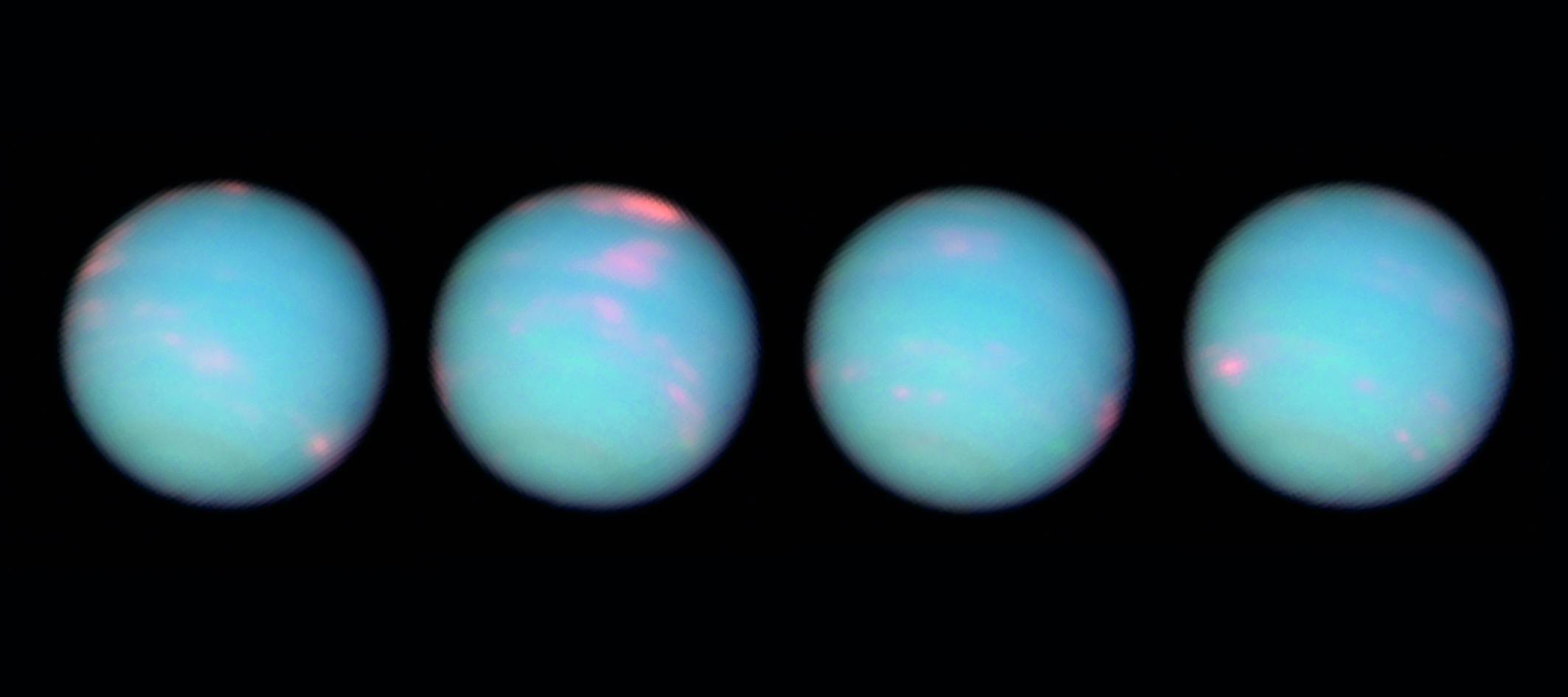
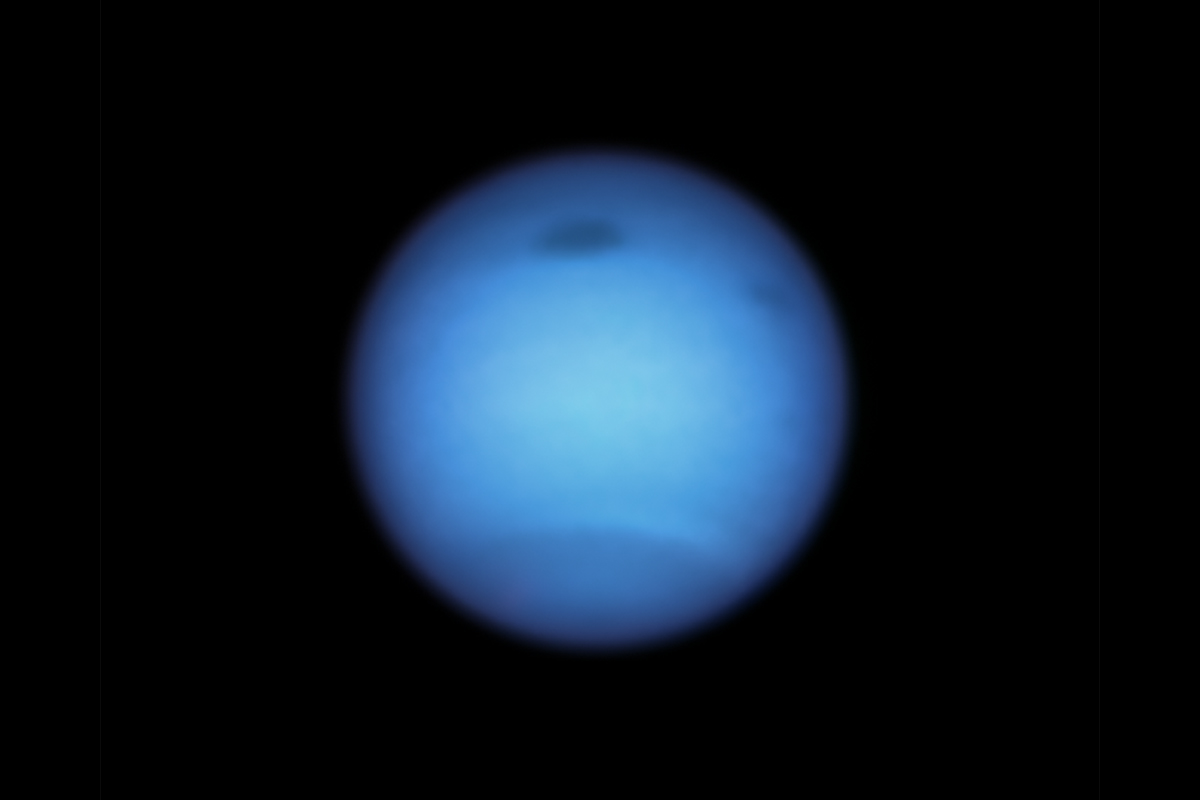
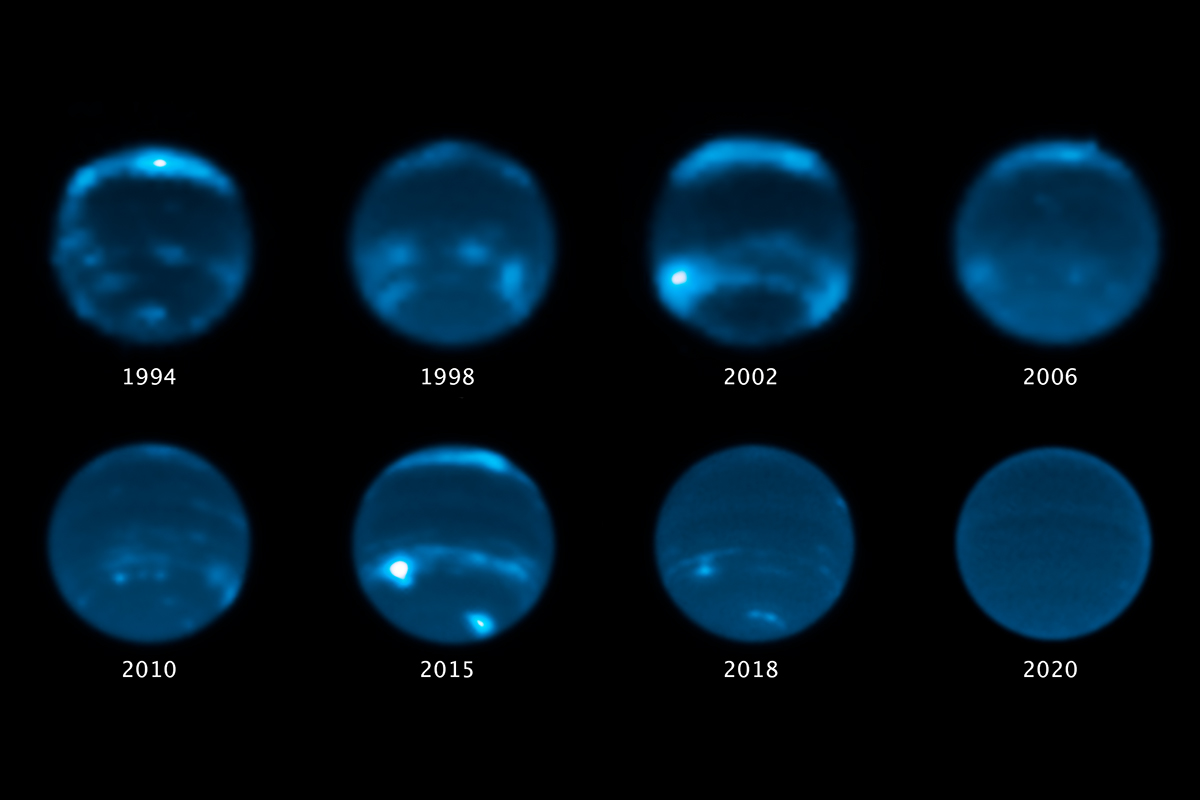
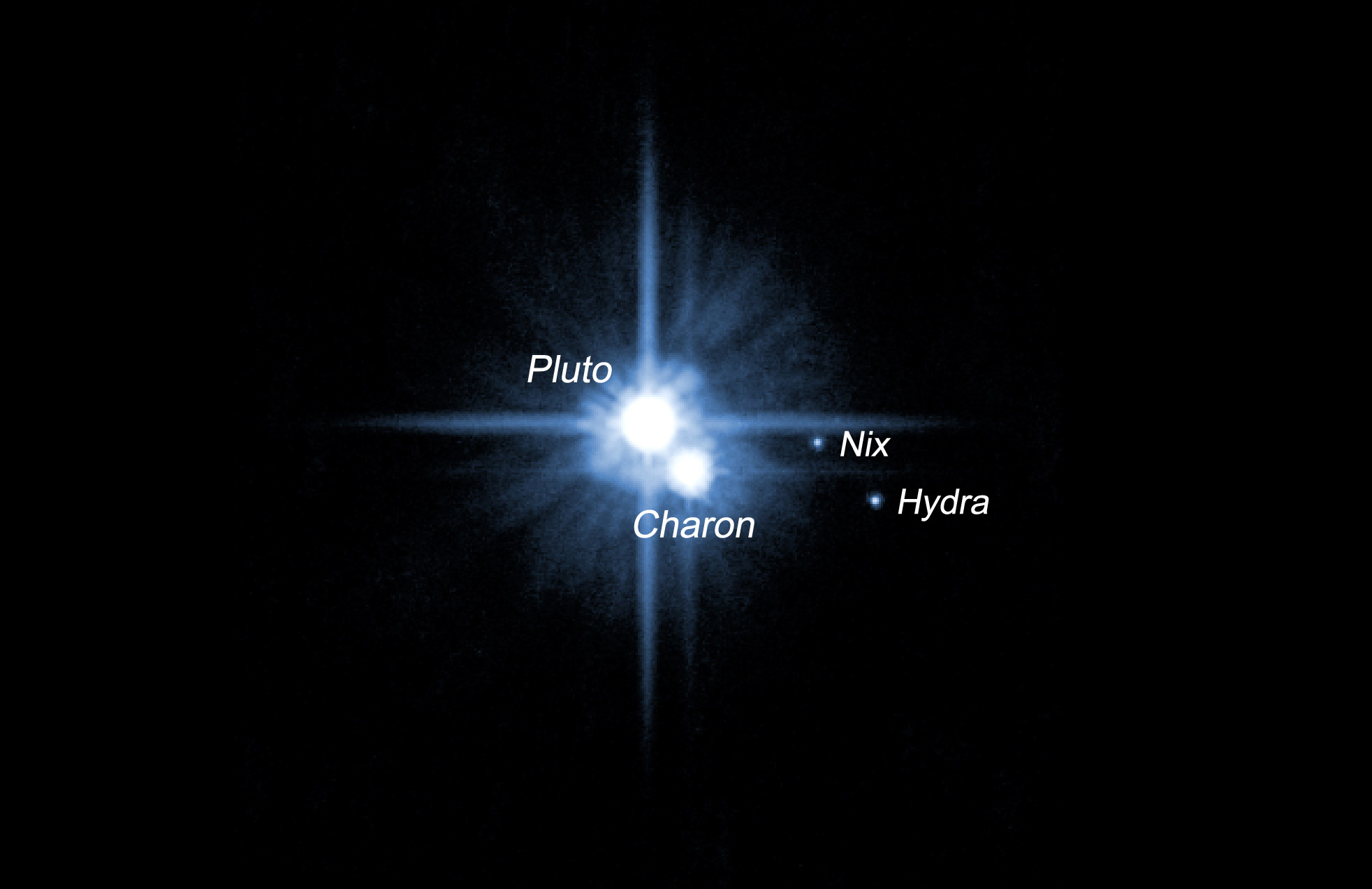
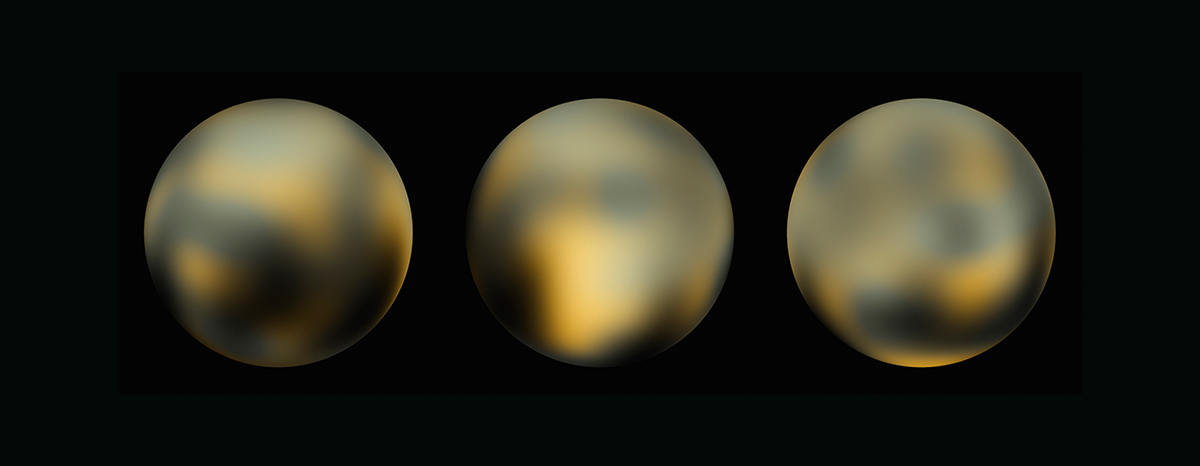
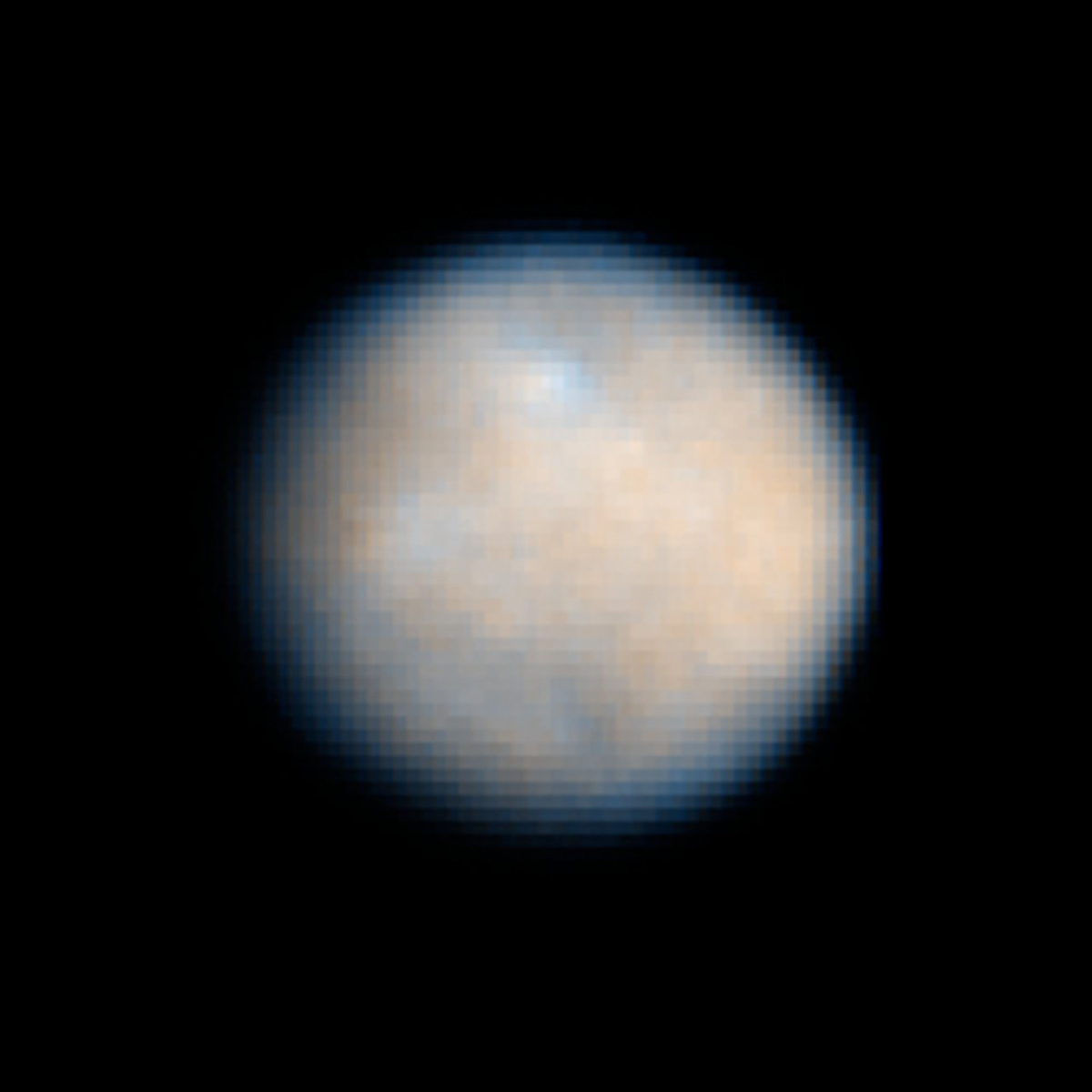
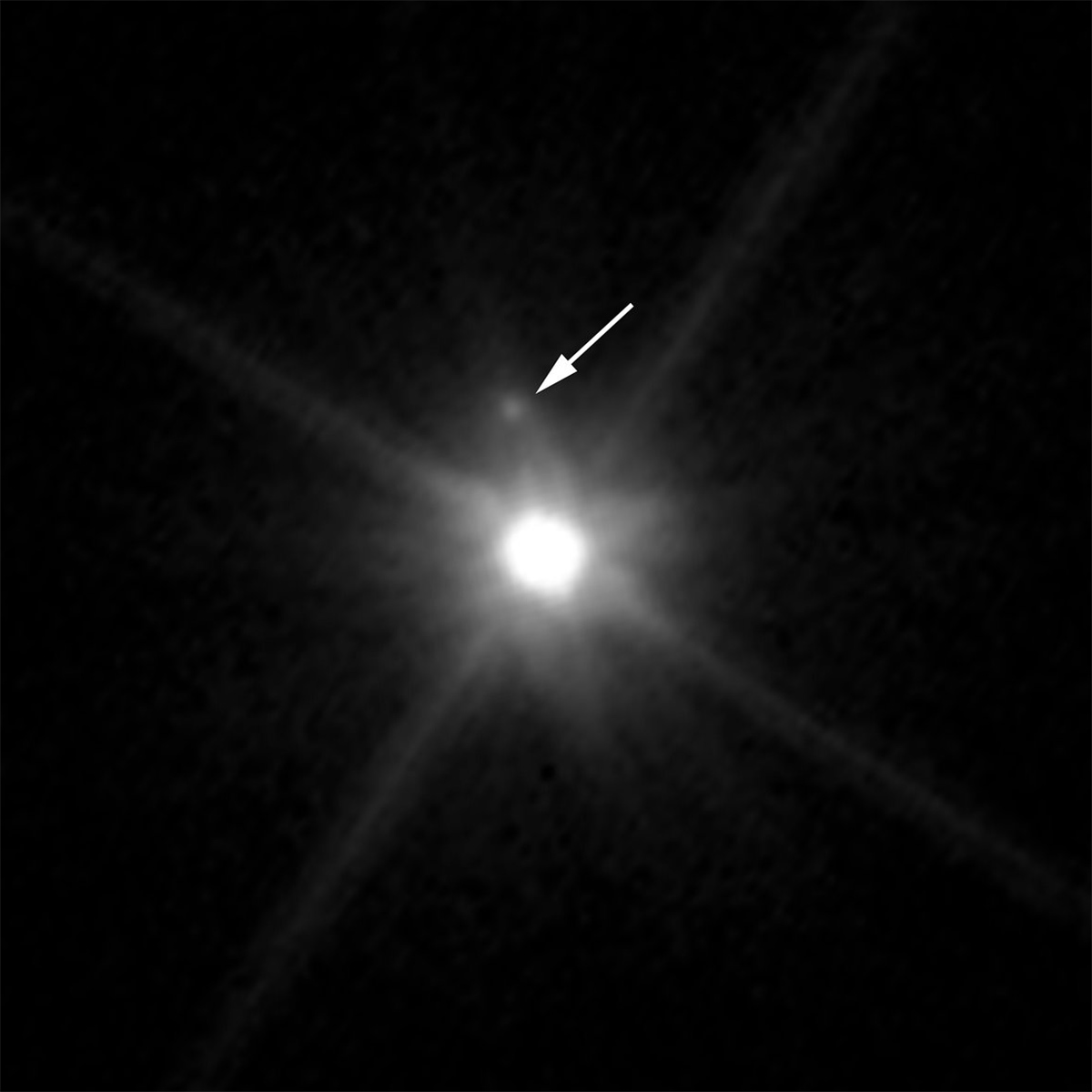
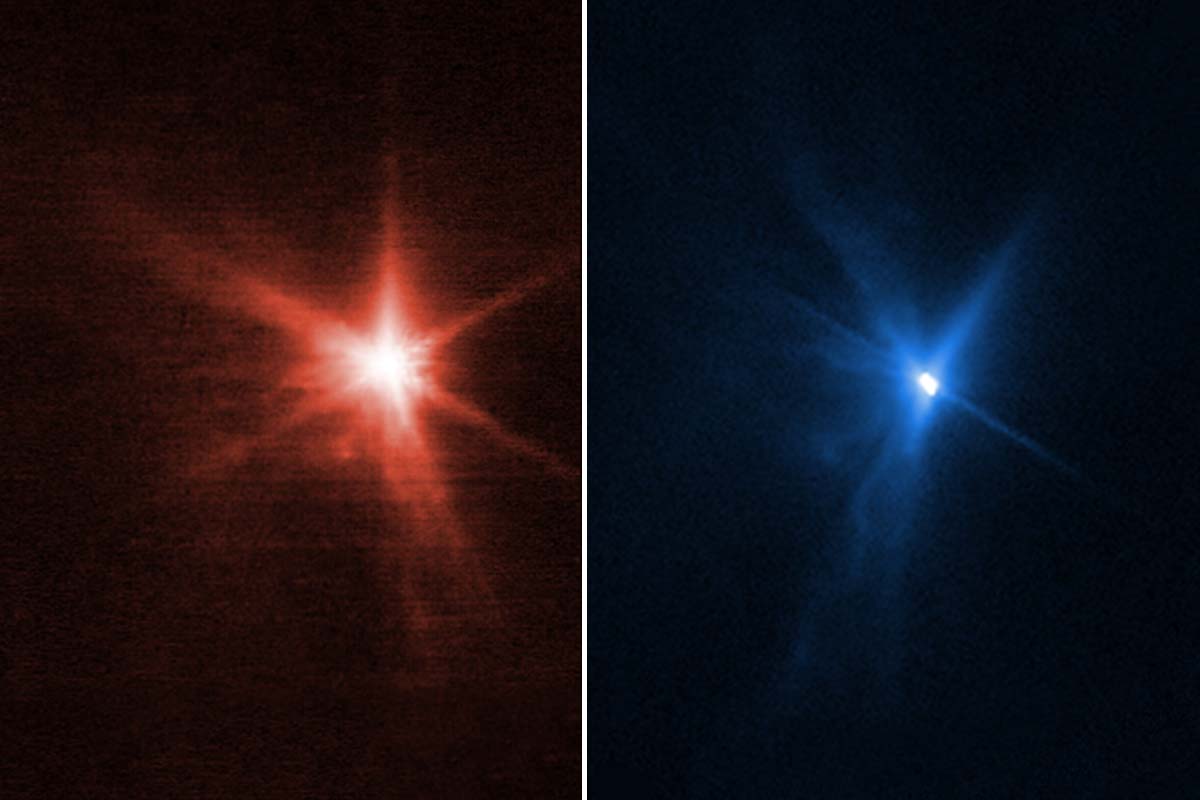
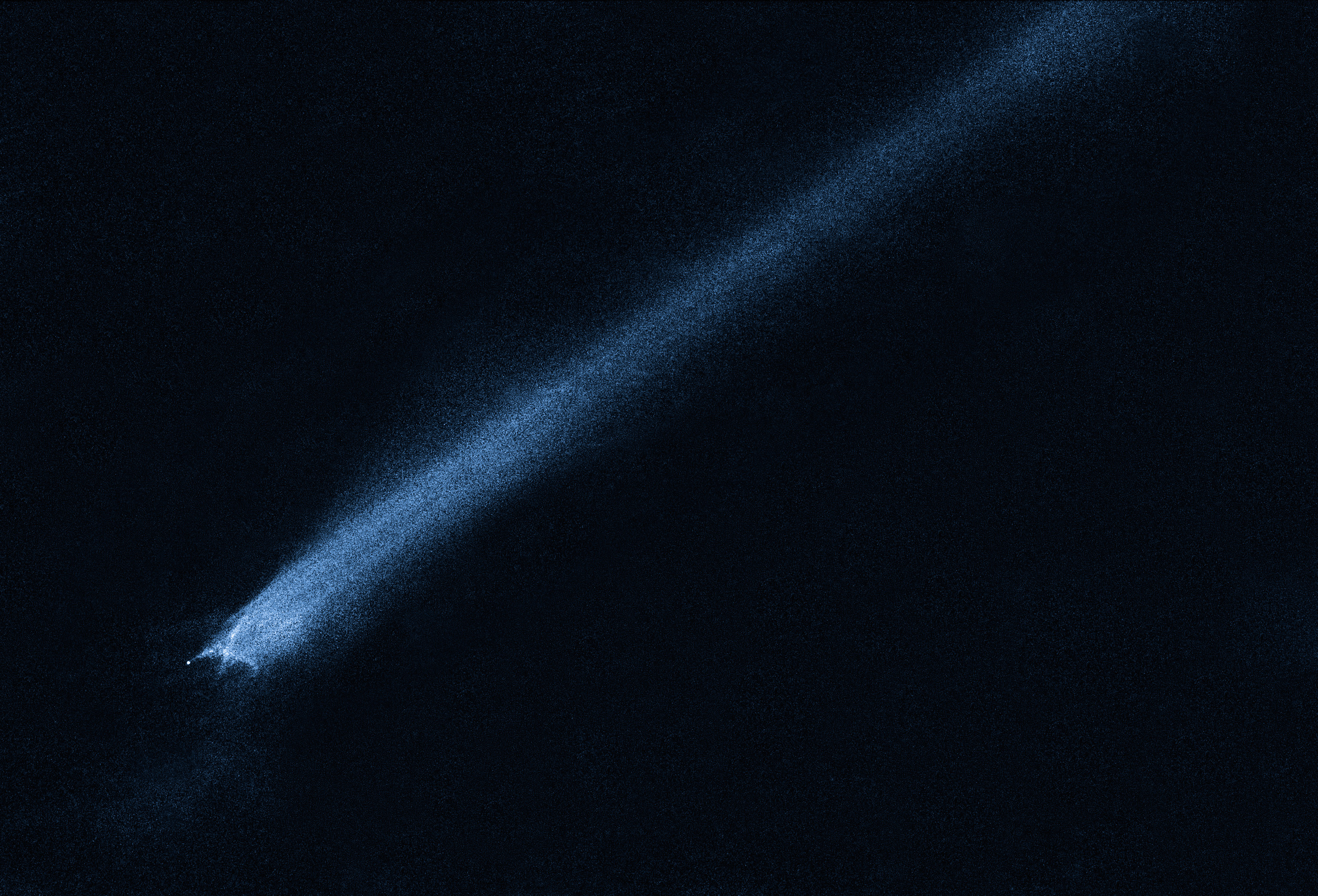
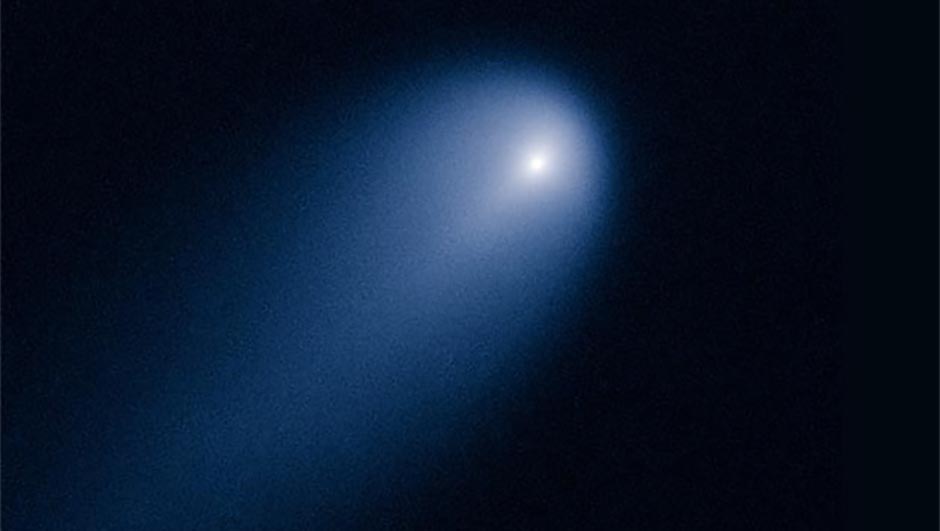
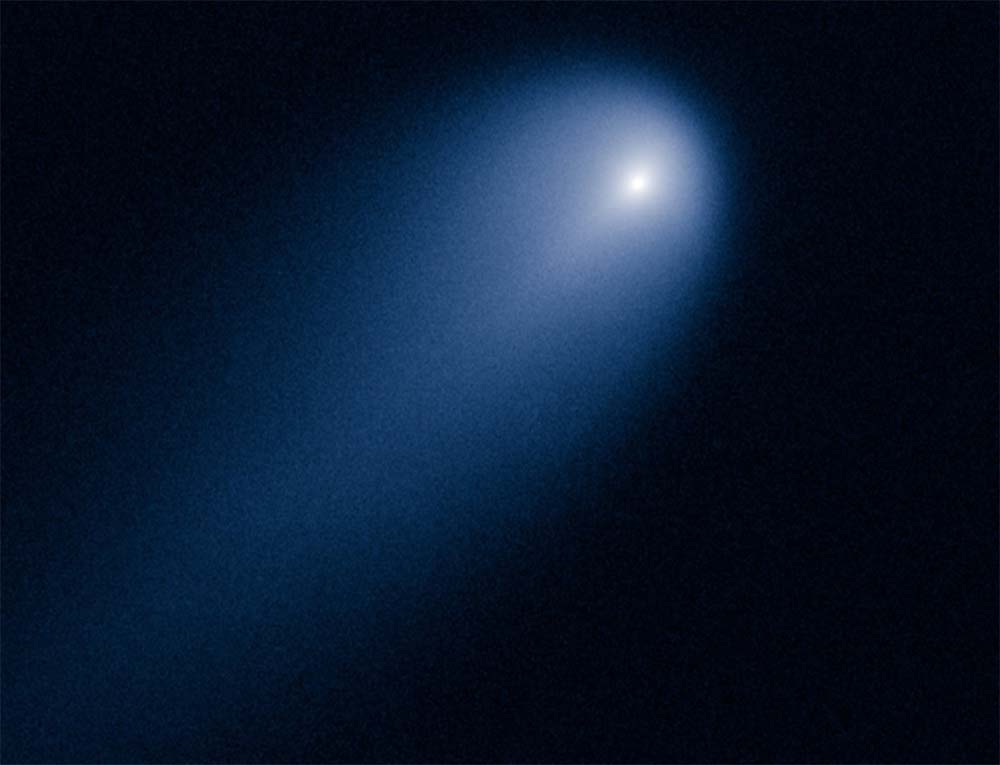
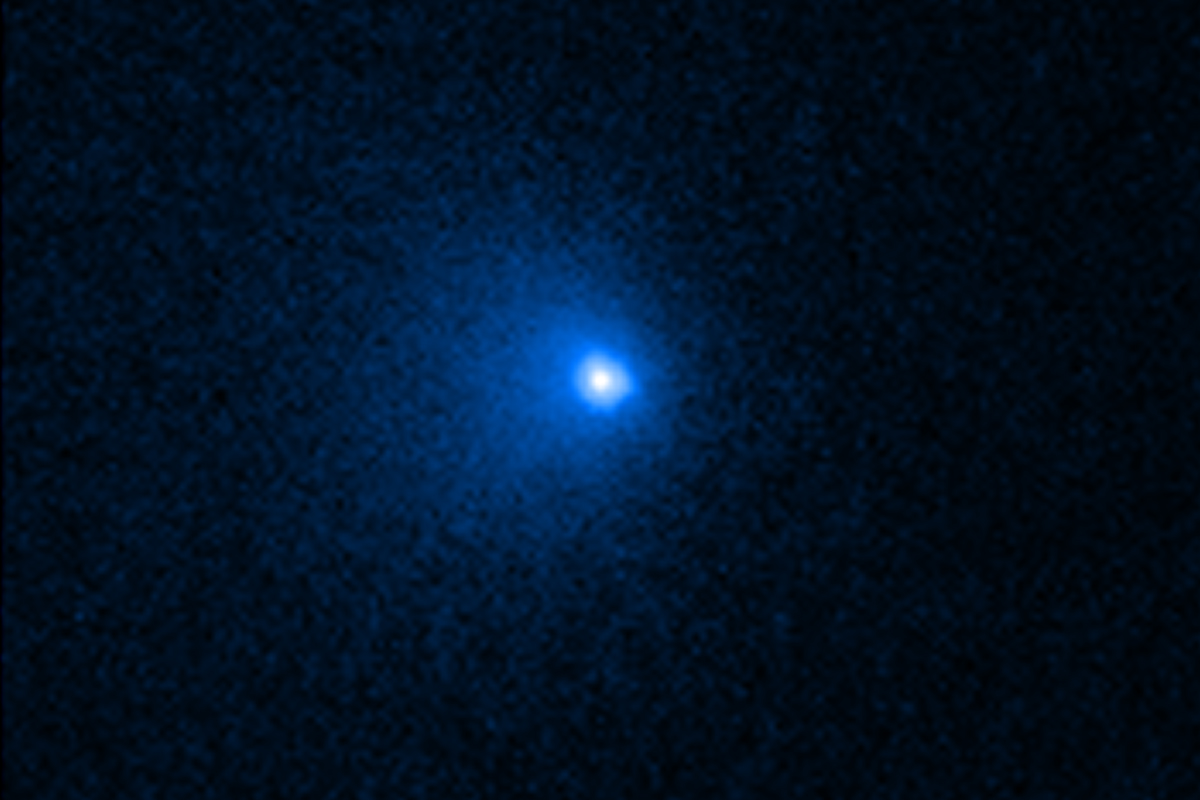
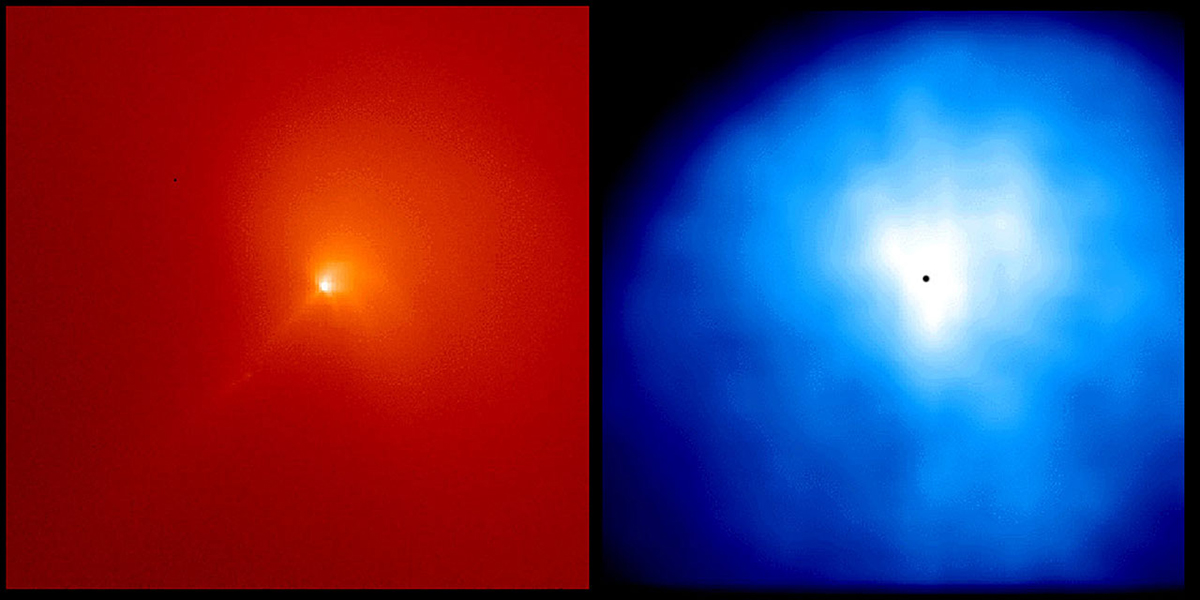
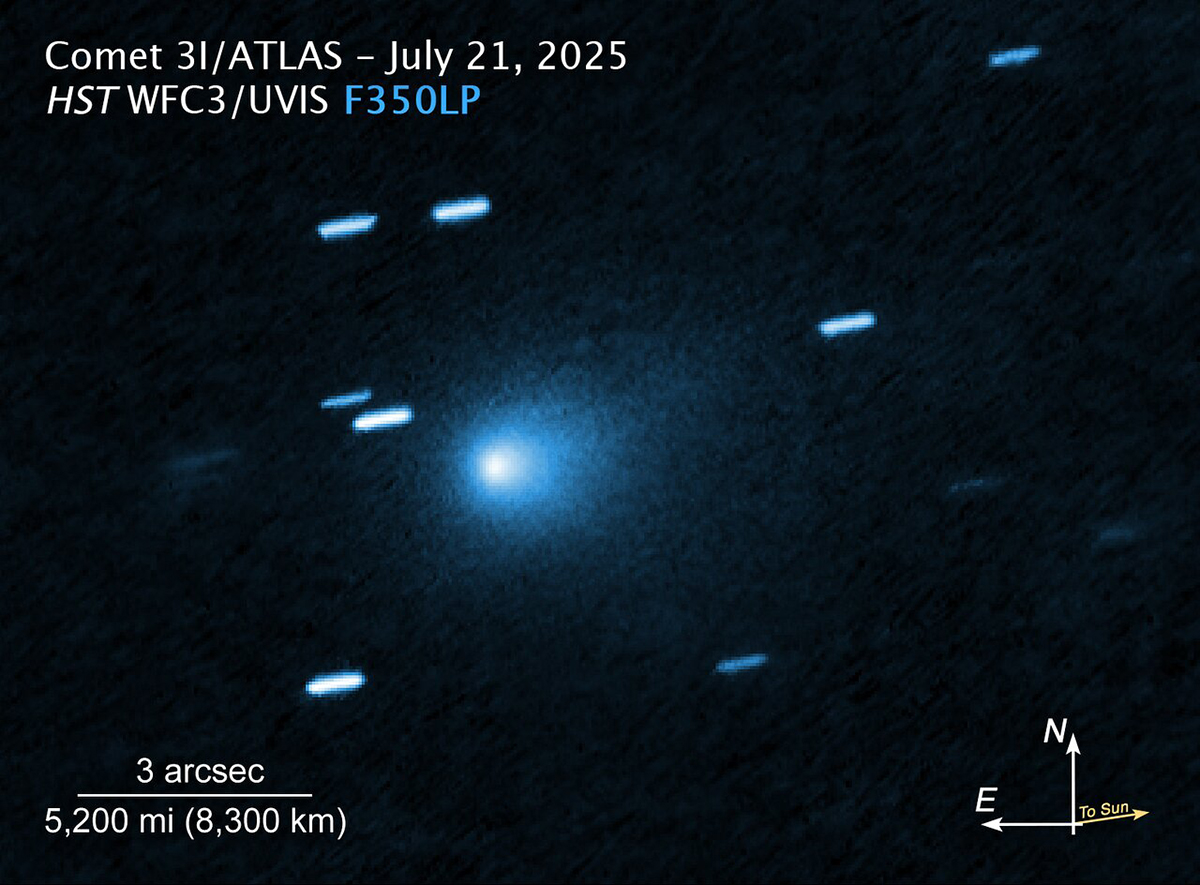
Credit: NASA/Hubble/Z. Levay and J. ClarkeSaturn's pastel colours come from ammonia and methane in the planet's atmosphere. Credit: NASA/ESA Hubble - NASA, ESA, A Simon (Goddard Space Flight Center) and MH Wong (University of California, Berkeley)Credit: NASA/ESA Hubble - NASA, ESA and Erich Karkoschka (University of Arizona)A composite of observations made of Saturn in early 2018 in optical light and of the auroras on Saturn’s north pole region, made in 2017. Credit: NASA/ESA HubbleImage of Saturn and its ring spokes captured by the Hubble Space Telescope on 22 October 2023. Credit: NASA, ESA, STScI, Amy Simon (NASA-GSFC)Views of Saturn in different wavelengths, as seen by the Hubble Space Telescope observation program called OPAL (Outer Planet Atmospheres Legacy). Science: NASA, ESA, Amy Simon (NASA-GSFC), Michael H. Wong (UC Berkeley). Image Processing: Joseph DePasquale (STScI)A false colour image of Saturn by the Hubble Space Telescope, showing the ringed planet in reflected infrared light. Different colours show varying heights and compositions of cloud layers thought to consist of ammonia ice crystals. Credit: NASA/E. Karkoschka (University of Arizona)Image of a 10-sided decagon feature at Saturn's South Pole, captured on 29 August 2025 by the Hubble Space Telescope. Credit: NASA, ESA, STScI, A. Sánchez-Lavega (University of the Basque Country), A. Simon (NASA-GSFC), M. Wong (UC Berkeley); Image Processing: A. Pagan (STScI)Saturn's ring plane crossing in May 1995, seen by the Hubble Space Telescope. Credit: STScI and NASAUranus's rings imaged with the Hubble Space Telescope in 1997 in infrared and visible light. Credit: Erich Karkoschka (University of Arizona), and NASA/ESAImages of Uranus (left) and Neptune (right) captured by the Hubble Space Telescope. Credit: NASA, ESA, A. Simon (NASA Goddard Space Flight Center), and M.H. Wong and A. Hsu (University of California, Berkeley)A view of Uranus captured by the Hubble Space Telescope in 2006. Credit: NASA/Space Telescope Science InstituteAn image of Uranus captured by the Hubble Space Telescope in 2003. Credit: NASA, ESA, and M. Showalter (SETI Institute)Uranus as seen by the Hubble Space Telescope's Wide Field Camera 3 from 2015-2022. During this sequence the north pole, which has a paler green colour, swings down towards the Sun and Earth. In these images the equator and latitude lines at 35N and 35S are marked.Hubble Space Telescope image of Uranus. Credit: NASA, ESA, STScI, Samantha Hasler (MIT), Amy Simon (NASA-GSFC), New Horizons Planetary Science Theme Team; Image Processing: Joseph DePasquale (STScI), Joseph Olmsted (STScI)Labelled diagram showing observations of Uranus by the Hubble Space Telescope in visible and near infrared, in 2002, 2012, 2015 and 2022. Credit: NASA, ESA, Erich Karkoschka (LPL)This Hubble image from 2016 shows many new atmospheric features compared to those discovered by Voyager 2. - NASA/ESAIn these four images of Neptune, taken a few hours apart, Hubble reveals different faces of the eighth and outermost planet of our Solar System as it rotates on its axis. Credit: NASA, ESA and the Hubble Heritage Team (STScI/AURA)A dark storm spotted on Neptune by the Hubble Space Telescope. Credit: NASA, ESA, STScI, M.H. Wong (University of California, Berkeley) and L.A. Sromovsky and P.M. Fry (University of Wisconsin-Madison)A sequence of Hubble Space Telescope images showing changes in Neptune cloud cover, which seems to correlate to changes in the solar cycle. Credits: NASA, ESA, Erandi Chavez (UC Berkeley), Imke de Pater (UC Berkeley)Two images of Neptune. Left is an image captured by the Hubble Space Telescope. Right is the Hubble image with James Webb Space Telescope data overlaid. Webb's data shows aurora on Neptune, seen as cyan splotches. Credit: NASA, ESA, CSA, STScI, Heidi Hammel (AURA), Henrik Melin (Northumbria University), Leigh Fletcher (University of Leicester), Stefanie Milam (NASA-GSFC)Hubble discovered three moons around dwarf planet Pluto. Credit: NASA, ESA, H. Weaver (JHU/APL), A. Stern (SwRI), and the HST Pluto Companion Search TeamHubble Space Telescope images of Pluto released in 2010. Credit: NASA, ESA, and M. Buie (Southwest Research Institute)A Hubble Space Telescope colour image of dwarf planet Ceres, which is the largest object in the asteroid belt. Observations were made in visible and ultraviolet light between December 2003 and January 2004. Credit: NASA, ESA, J. Parker (Southwest Research Institute), P. Thomas (Cornell University), L. McFadden (University of Maryland, College Park), and M. Mutchler and Z. Levay (STScI)Hubble Space Telescope image showing the first moon (indicated by the arrow) ever discovered around the dwarf planet Makemake (the bright object in the centre). Credit: NASA, ESA, and A. Parker and M. Buie (Southwest Research Institute)The impact of NASA's DART mission into asteroid moonlet Dimorphus, as seen by the James Webb Space Telescope (left) and the Hubble Space Telescope (right). Credit: Image Credit: NASA, ESA, CSA, and STScIHubble Space Telescope image showing the aftermath of the Double Asteroid Redirection Test impact. Credit: NASA, ESA, STScIThe comet-like asteroid P/2010 A2. Credit: NASA, ESA and D. Jewitt (UCLA)A Hubble Space Telescope image of Comet (C/2012 S1) ISON photographed on 10 April 2013 when the comet was 635 million km from Earth. Credit: NASA/ESA/STScI/AURAA Hubble Space Telescope image showing the 'gang of four' region of Comet P/Shoemaker-Levy 9, about 12 months before it collided with Jupiter. Credit: NASA & ESAThe Hubble Space Telescope captured this image of comet Shoemaker-Levy 9 on May 17, 1994. The stream of icy fragments stretched 1.1 million km across. Credit: NASA, ESA, and H. Weaver and E. Smith (STScI)A composite image created using separate images of Jupiter and comet Shoemaker-Levy 9, by the Hubble Space Telescope. Credit: NASAImpact zones on Jupiter created by the Comet Shoemaker-Levy 9, as seen by the Hubble Space Telescope. Eight impact sites are visible. Credit: Hubble Space Telescope Comet Team and NASA/ESAHubble captures the break-up of comet C/2019 Y4 (ATLAS). Credit NASA, ESA, D. Jewitt (UCLA), Q. Ye (University of Maryland)A Hubble Space Telescope image of Comet ISON (C/2012 S1) captured during 10 April 2013, when the comet was 386 million miles from the Sun. Credit: NASA, ESA, J.-Y. Li (Planetary Science Institute), and the Hubble Comet ISON Imaging Science TeamNucleus of Comet C/2014 UN271 (Bernardinelli-Bernstein) captured by the Hubble Space Telescope. Credit: NASA, ESA, Man-To Hui (Macau University of Science and Technology), David Jewitt (UCLA). Processing: Alyssa Pagan (STScI)Two images of Comet Hyakutake captured by the Hubble Space Telescope, 3 and 4 April 1996. The first image, in red, was taken through a narrow-band red filter that shows only sunlight scattered by dust. Credit: M. Combi (University of Michigan)Image of interstellar comet 3I/ATLAS captured by the Hubble Space Telescope’s Wide Field Camera on 21 July 2025, with scale bar. Credit: NASA, ESA, D. Jewitt (UCLA); Image Processing: J. DePasquale (STScI)Observations of comet C/2025 K1 (ATLAS) breaking up, as seen by the Hubble Space Telescope in November 2025. Image: NASA, ESA, Dennis Bodewits (AU); Image Processing: Joseph DePasquale (STScI)
Iain Todd is BBC Sky at Night Magazine's Content Editor who has been writing about astronomy and space science for over a decade. He has covered major stargazing events, space launches and the latest news in cosmology, astrophysics, planetary and space science.
This website is owned and published by Our Media Ltd. www.ourmedia.co.uk