For as long as humans have looked to the night sky, we’ve traced stories among the stars – animals, heroes and gods that became the constellations we recognise today.
And of course our gaze has lingered on the Moon, finding familiar shapes in the interplay between its dark maria (‘seas’) and bright highlands.
Among them is the timeless Man in the Moon, a soft grey face that has been with many of us since our earliest childhood days.
But what's going on here? And does everyone see the Man in the Moon? It turns out, different cultures have seen different shapes in the Earth-facing side of the Moon throughout history.
More on the Moon
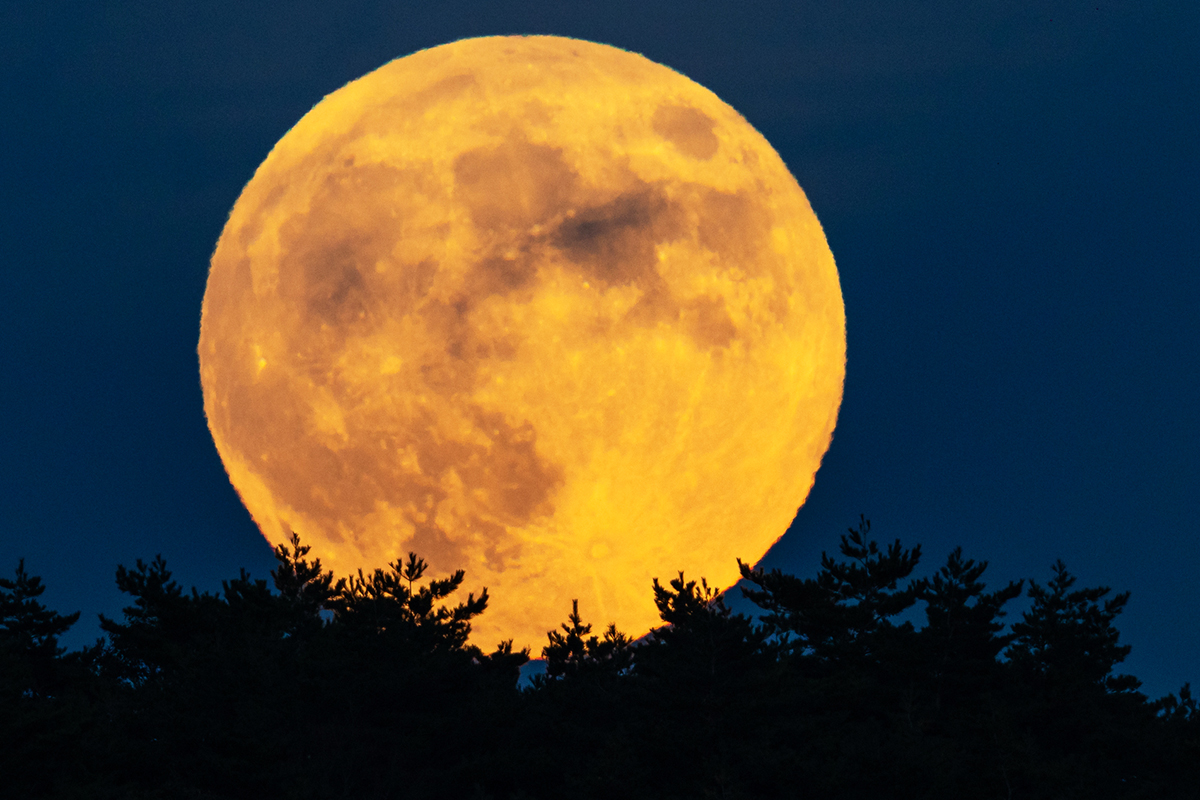
Why we see the Man in the Moon – and what it's made of
Best seen when the Moon is full, a few well‑placed shaded areas of light and dark prompt our brains to find patterns and put together a human-like companion from its physical features.
It’s the same instinct that turns a drifting cloud into a galloping horse or a rock formation into a wide-mouthed dinosaur.
The ability to make familiar patterns out of everyday objects is a psychological phenomenon called pareidolia (or, in the case of the Moon, lunar pareidolia).
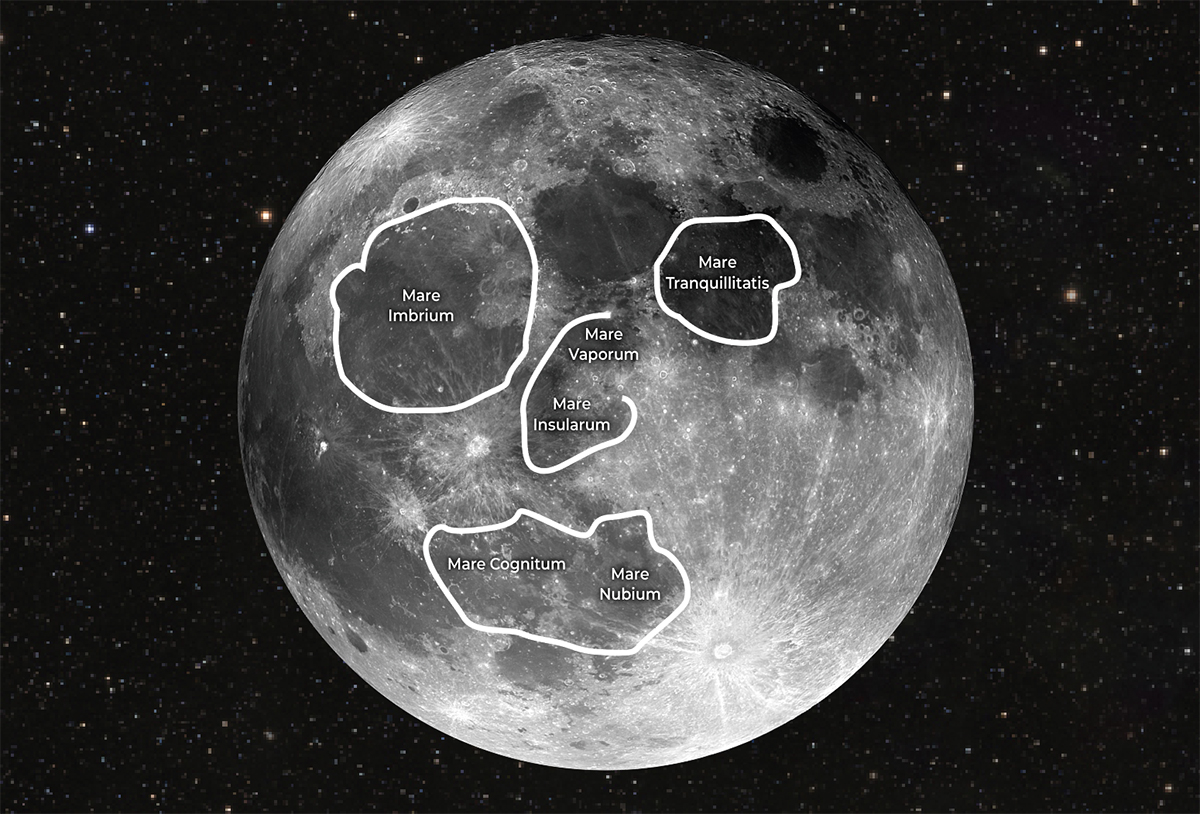
Today, we know the Man in the Moon’s ‘eyes’ are the basalt plains of Mare Imbrium (the Sea of Rain) and Mare Tranquillitatis (Sea of Tranquillity) or, for some, Mare Serenitatis (the Sea of Serenity).
His ‘mouth’ is Mare Nubium (the Sea of Clouds) and Mare Cognitum (Known Sea), and his ‘nose’ is formed by Mare Insularum (the Sea of Islands) and Mare Vaporum (the Sea of Vapours).
However, those patterns have been interpreted differently across European history.
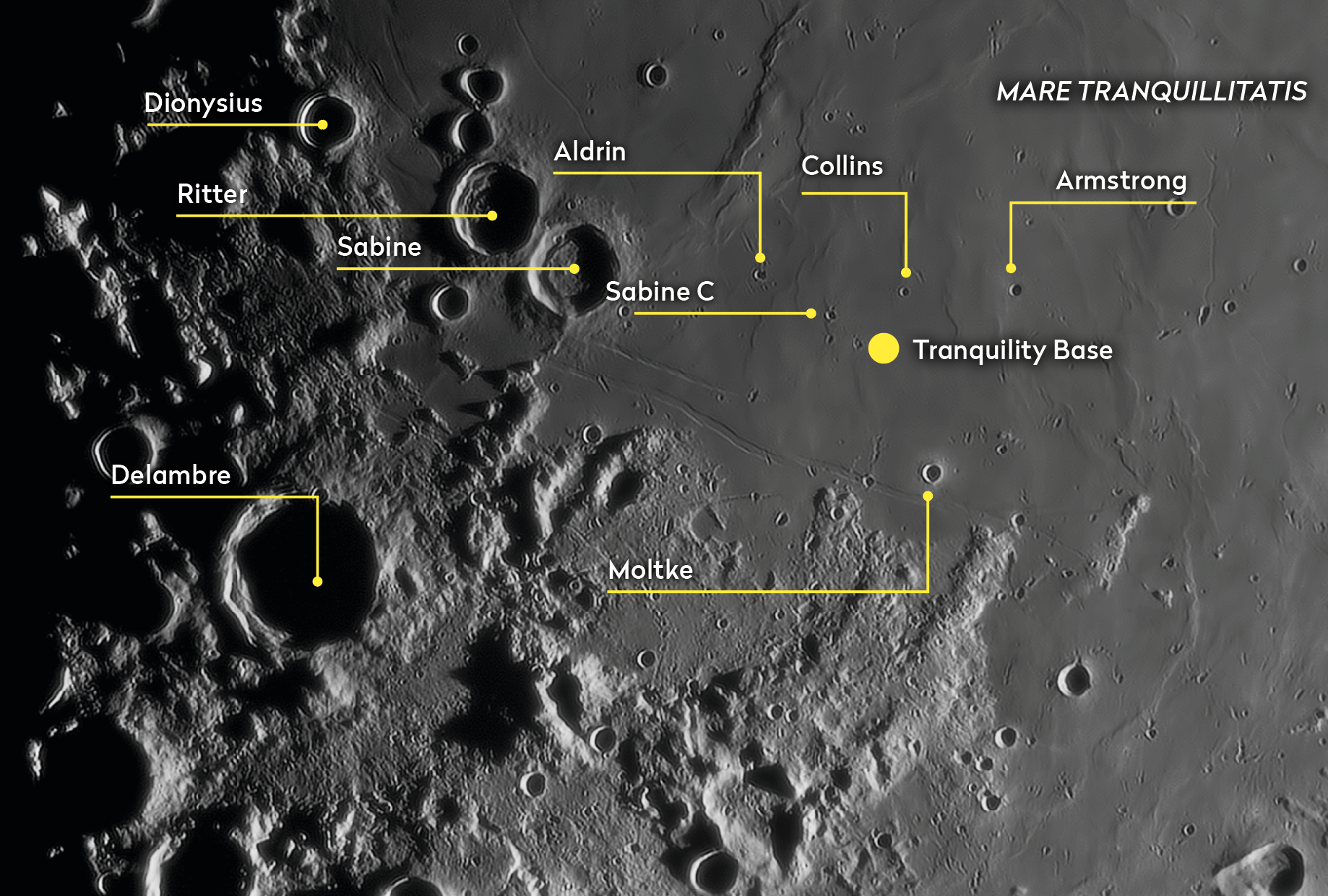
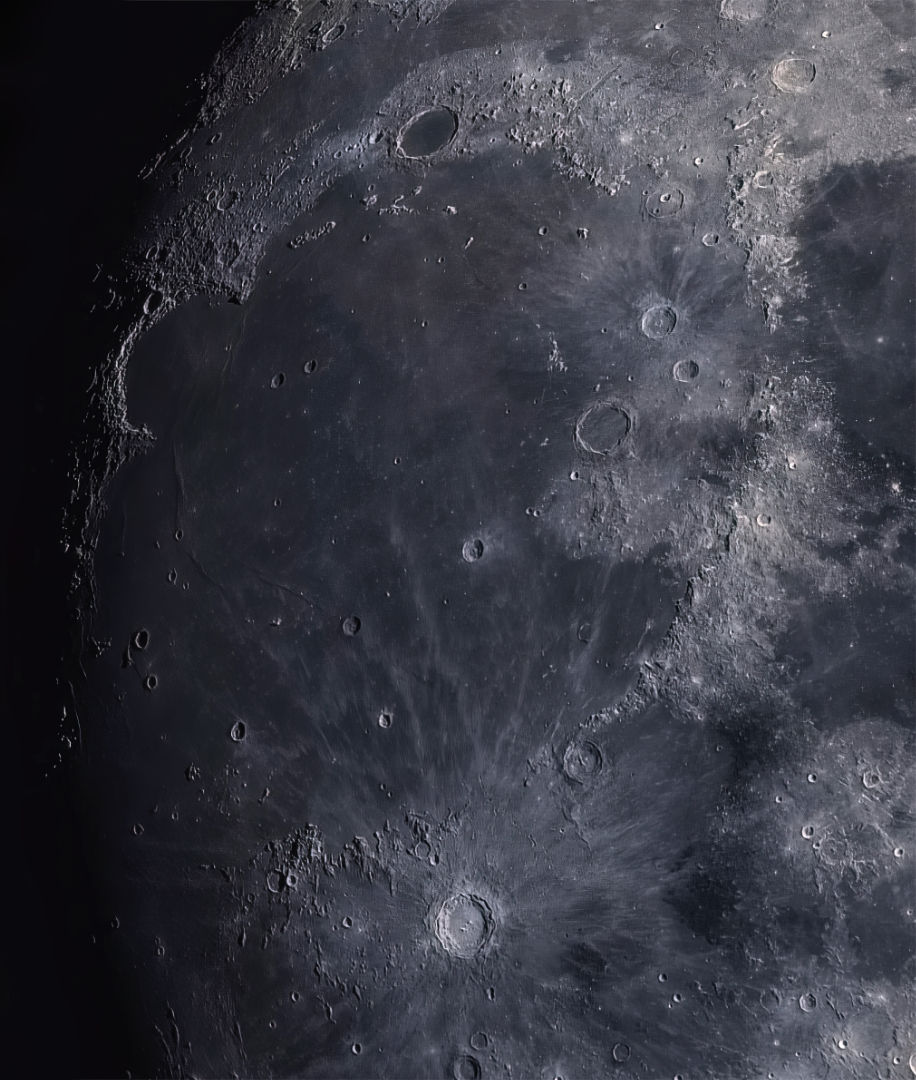
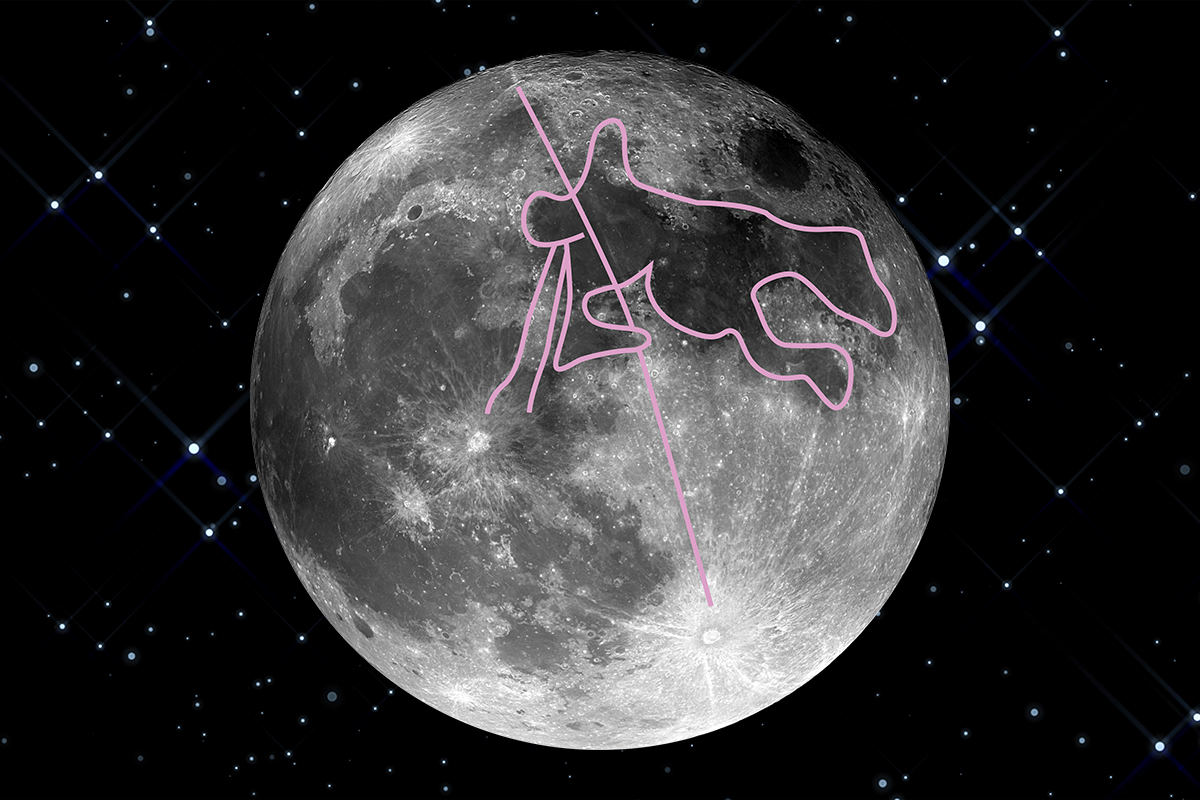
Medieval folklore tells of another Man in the Moon, a figure carrying a bundle of sticks, formed from the shape of the dark basins of Mare Imbrium, Mare Serenitatis and Mare Tranquillitatis, while the Romans saw this figure as a sheep thief.
The stick-gathering figure may trace its roots back to biblical writings in the second millennium BC and an Old Testament story in which a man is stoned as punishment for gathering firewood on the Sabbath.
How various cultures see the Man in the Moon
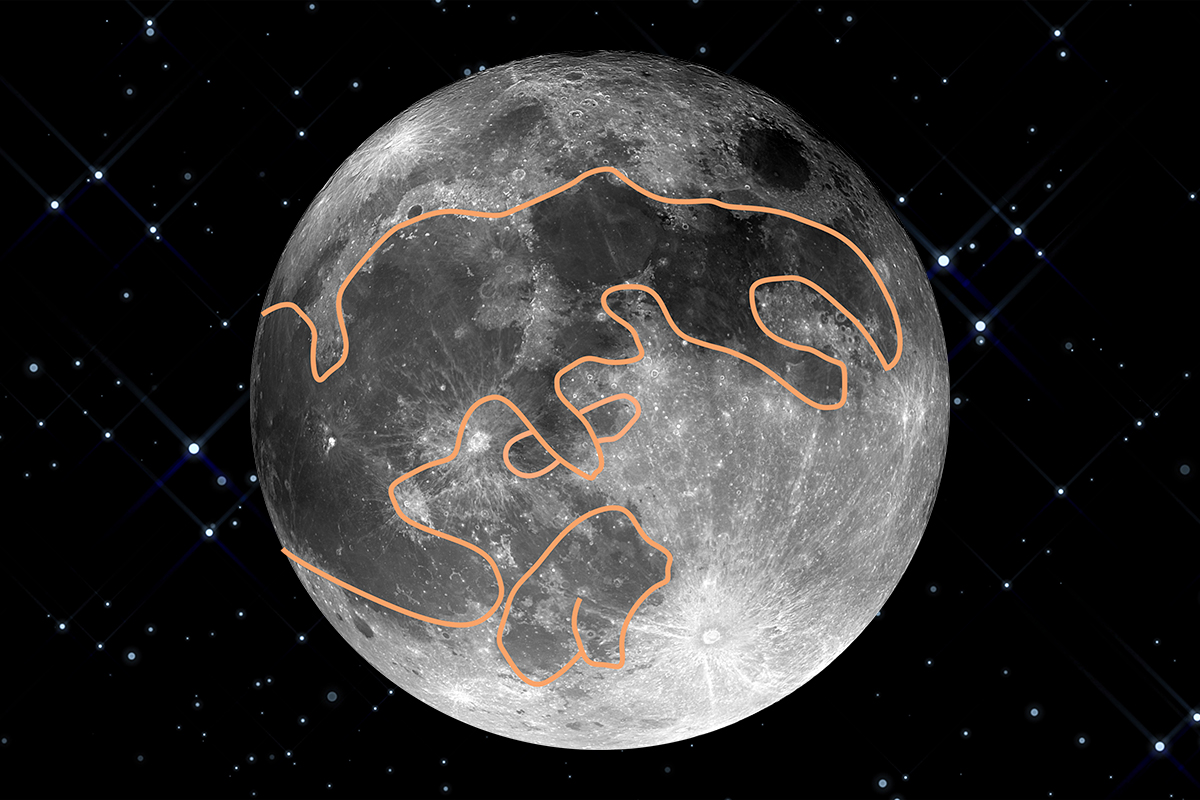
Around the world, the Moon is home not to a human but other creatures.
Across East and Southeast Asia, it’s a rabbit – a figure whose outline is traced by the vast sweeping arcs of six of the Moon’s seas and the enormous Oceanus Procellarum (the Ocean of Storms).
In Chinese folklore, this is Yutu the Rabbit, a companion to the Moon goddess Chang’e, who is tirelessly pounding the elixir of life with a mortar and pestle.
The story appears in texts as early as the Han dynasty, and later in Buddhist tales, where the rabbit’s selflessness became a symbol of virtue.
Variations echo across eastern Asia: in Japan, the rabbit pounds mochi; in Korea, it prepares rice cakes; in Vietnam, it mixes herbal medicines.
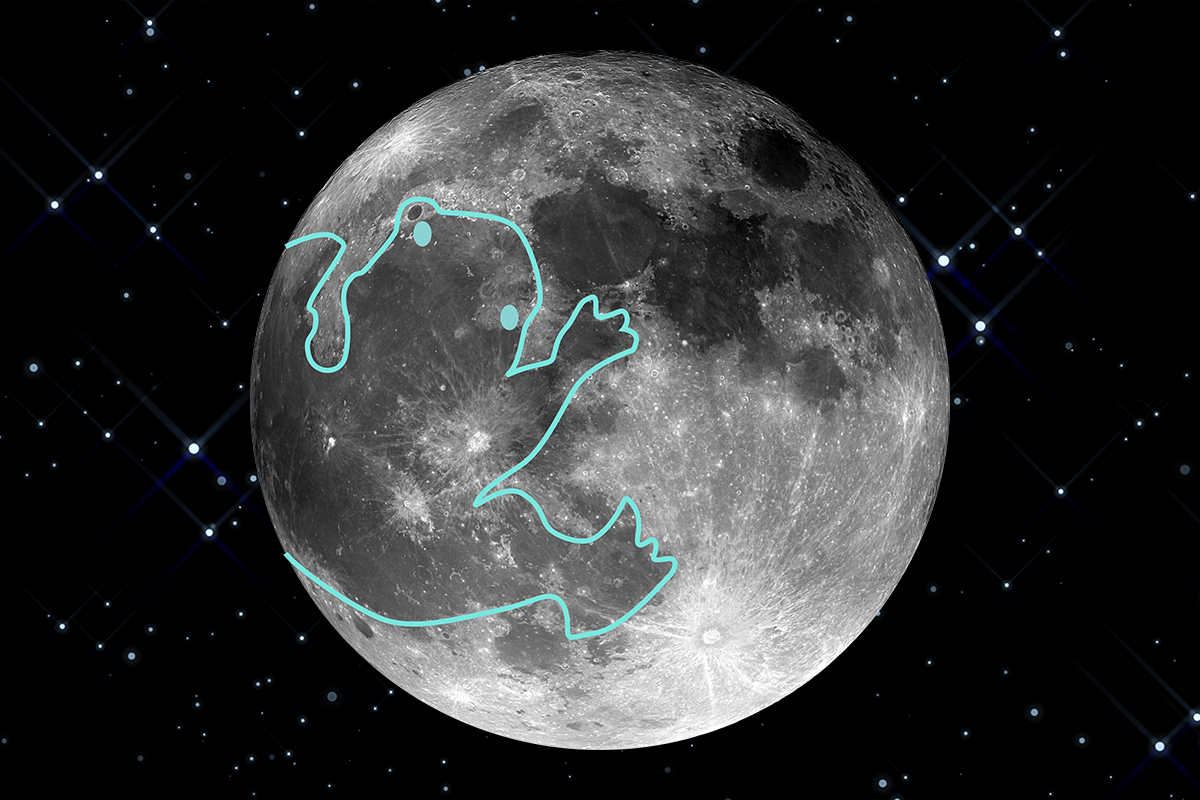
In some Pacific Northwest indigenous cultures, a story tells of a toad jumping to the Moon to escape a wolf’s advances, remaining there to this day.
Across parts of the Pacific, other traditions describe a woman, a tree or a set of ancestral figures.
The Man in the Moon is only visible from the Northern Hemisphere because Northern observers see the seas that form his face arranged in an upright, face‑like pattern.
In the Southern Hemisphere, the same features appear rotated by roughly 180º – in other words, upside down – so the familiar eyes and mouth no longer align as a face, and different shapes emerge, like the rabbit or toad.
Why the Man in the Moon is always facing us
This is down to the Moon being in synchronous rotation or, put more simply, being tidally locked to Earth.
When the Moon formed billions of years ago, it rotated much faster than it does today and the power of Earth’s gravity created a tidal bulge in its crust.
As the Moon rotated, the bulge was constantly moving across its surface and, over millions of years, this slowed the Moon’s spin until one rotation matched one orbit around Earth, leaving the same hemisphere – the near side – permanently facing us.
The Moon is also tilted slightly, about 6.7°, with respect to its own orbital plane around Earth.
Despite the many ways people interpret these near-side shapes, they all come from the same contrast between shadow and light – the dark basalt plains set against the bright highlands, forming a lunar canvas that has inspired a tapestry of myths across cultures for thousands of years.
What made the Man in the Moon
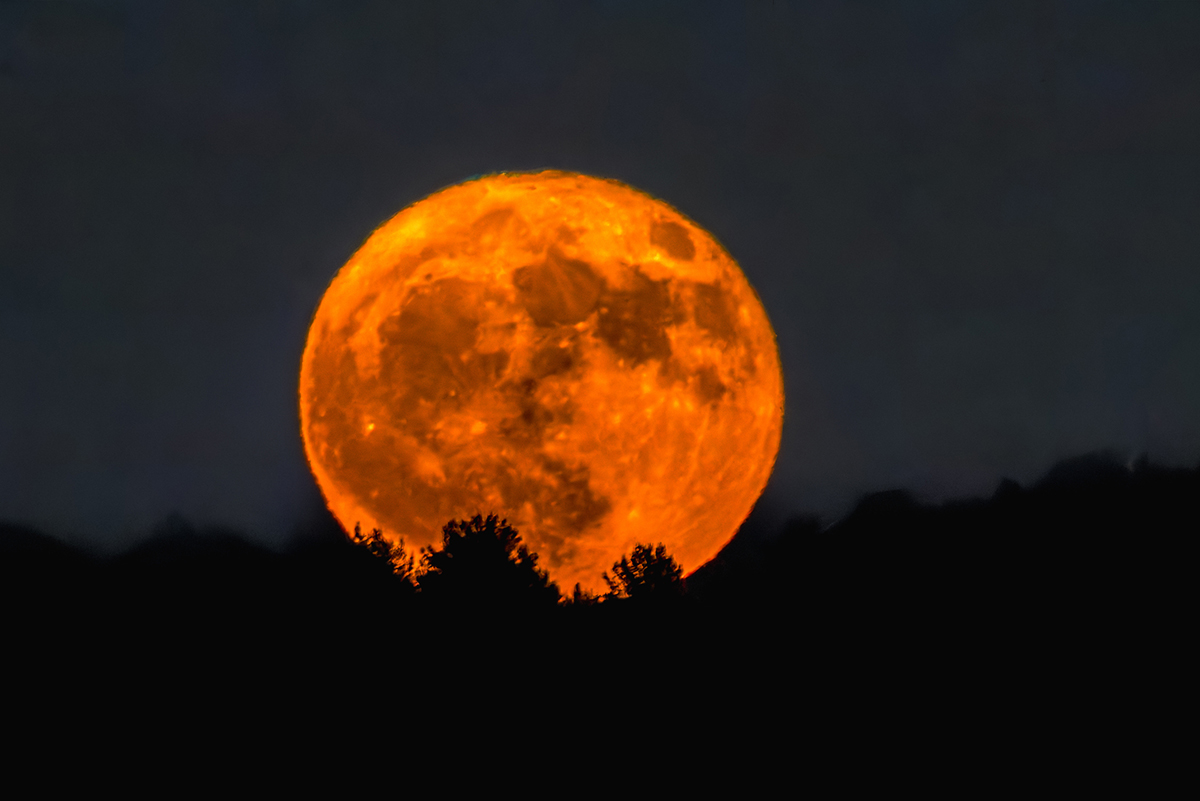
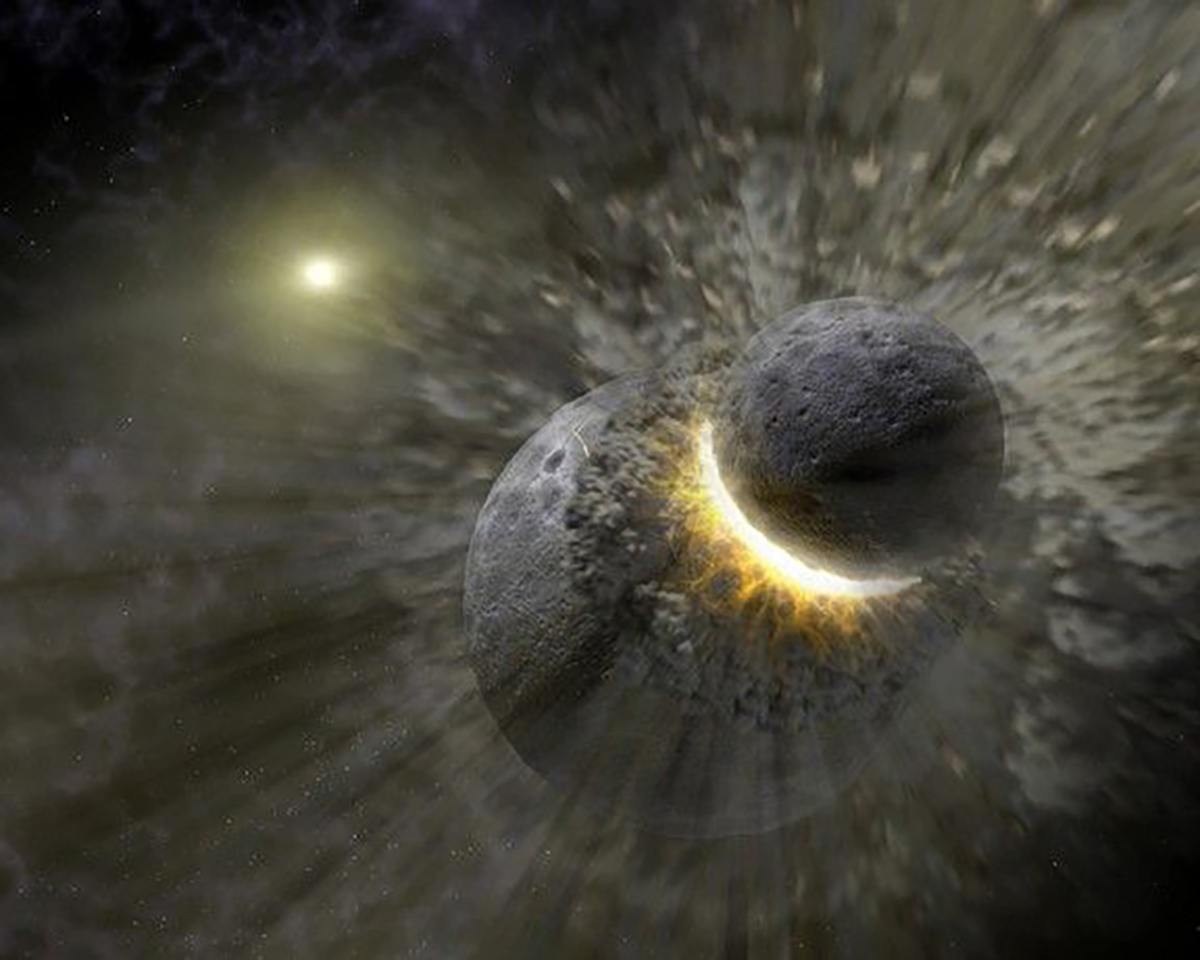
The Moon formed approximately 4.5 billion years ago, most likely from debris thrown into orbit after a Mars‑sized body called Theia collided with the early Earth.
The molten rock and debris gradually coalesced into the single satellite we see today, its surface preserving a record of ancient volcanic activity and relentless impacts.
The dark seas – immense basalt plains created when lava welled up to fill vast impact basins 3.9–3.1 billion years ago – form a stark visual contrast with the Moon’s older highlands and its younger craters.
It’s the arrangement of those seas scattered across the lunar surface that creates the familiar pattern many in the Northern Hemisphere recognise as the Man in the Moon.
These basins range in size from hundreds to thousands of kilometres in diameter and have remained largely unchanged for billions of years.
That’s because the Moon lacks the atmosphere, weather or plate tectonics to reshape them.
As a result, the same arrangement of maria and highlands that early sky‑watchers interpreted as a face still gazes back at us today.
Do you see a Man in the Moon, or something different? Let us know by emailing contactus@skyatnightmagazine.com