I’m convinced that, when I was a physics student, a lecturer quoted: "There’s speculation, then there’s more speculation, then there’s cosmology."
But when I recently tried to track down a source for these words of wisdom, three were mentioned: the cosmologist Edward Harrison, the physicist Lev Landau and, rather embarrassingly, me.
So maybe I made it up. But that doesn’t mean there are no grounds for concern.
More amazing science
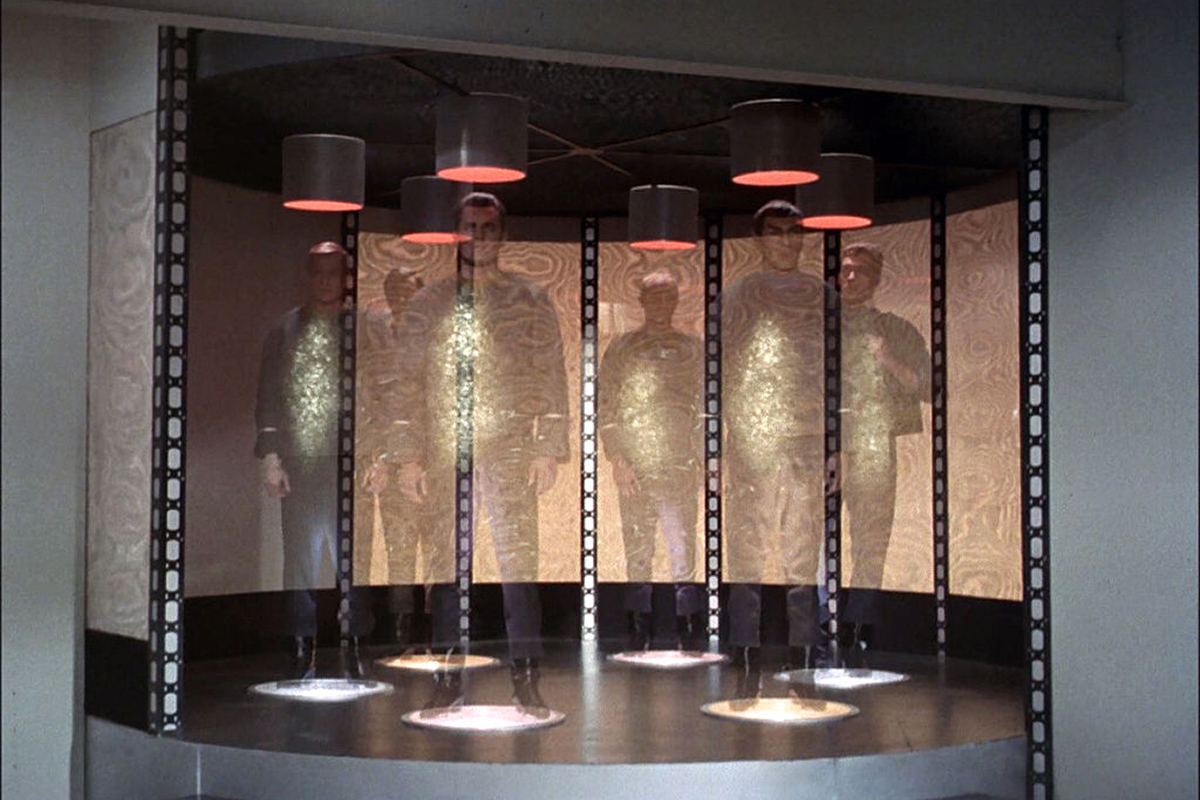
Science and the problem with the truth
Science depends on our ability to test theories. Some mistakenly think it’s about uncovering the truth – it’s not.
Science is always provisional, but it attempts to give us the best theory based on current evidence.
The reason cosmology will always carry a strong aroma of speculation is that experiments are rarely possible.
Even observational evidence is usually indirect, relying on building assumption on top of assumption, leaving a dangerously crumbly edifice.
Something that doesn’t help is an attitude brilliantly summed up in a quote that is legitimately attributed to Lev Landau: "Cosmologists are often in error but never in doubt."
To take two examples: with limited supporting evidence, the theories behind cosmic inflation and dark energy are regularly presented as fact.
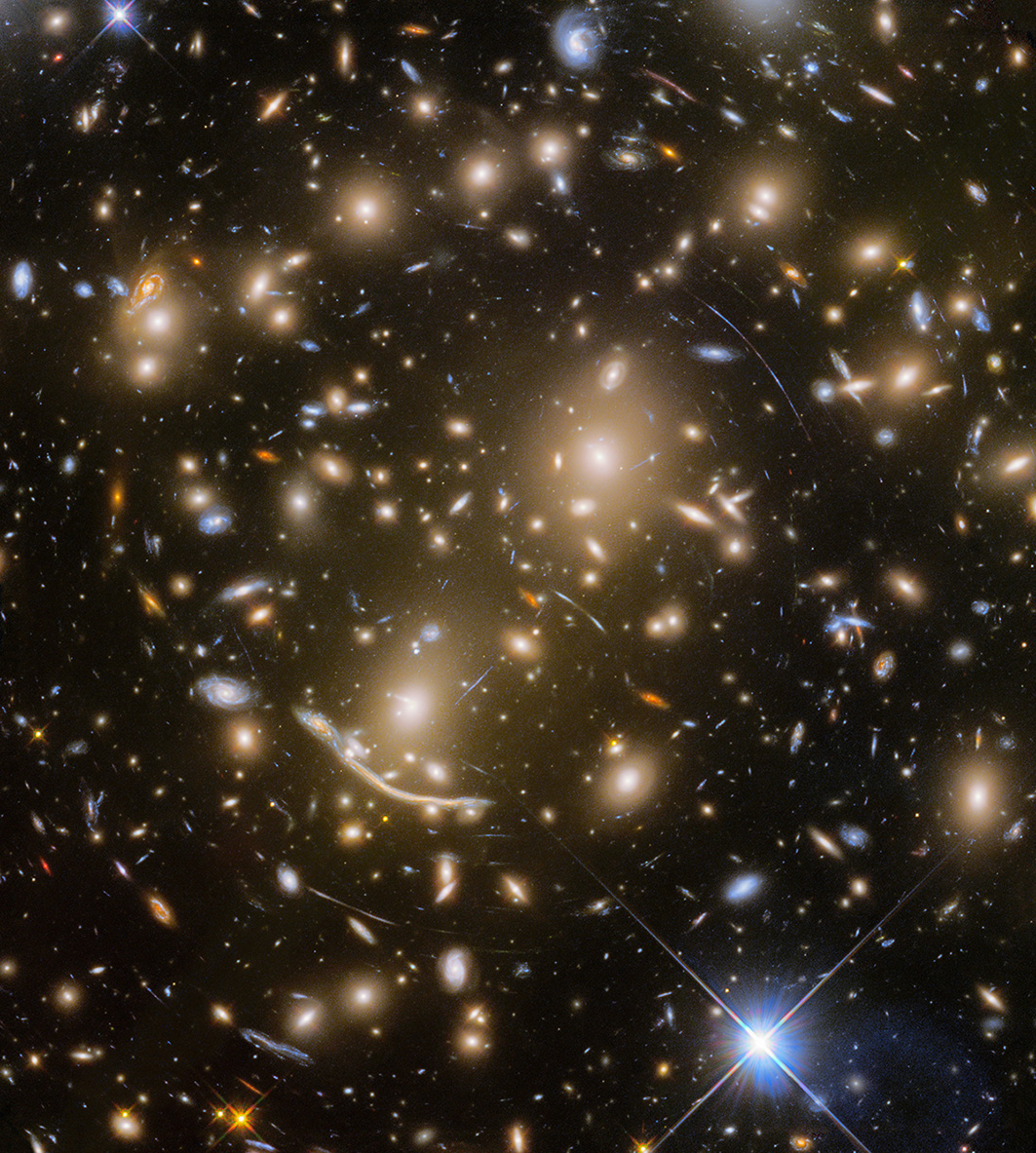
Why space science is so difficult
Astronomers do amazing jobs providing data to feed into these theories, but they face many challenges.
They are scanning vast distances, looking back billions of years, dealing with all manner of obstacles that get in the way of certainty.
The Biblical wording, "For now we see through a glass, darkly," could describe the challenges faced by astronomers.
Take the measurement of interstellar and intergalactic distances, without which we couldn’t detect the accelerating expansion of the Universe.
Clearly, no one has been out there with a tape measure. Once an astronomical body is far enough away for the optical mechanism of parallax to fail, we become dependent on 'standard candles'.
If we know how bright specific types of star and supernovae really are, we can use apparent brightness to establish their distance.
But there are plenty of assumptions in play, some of which are beginning to look doubtful.
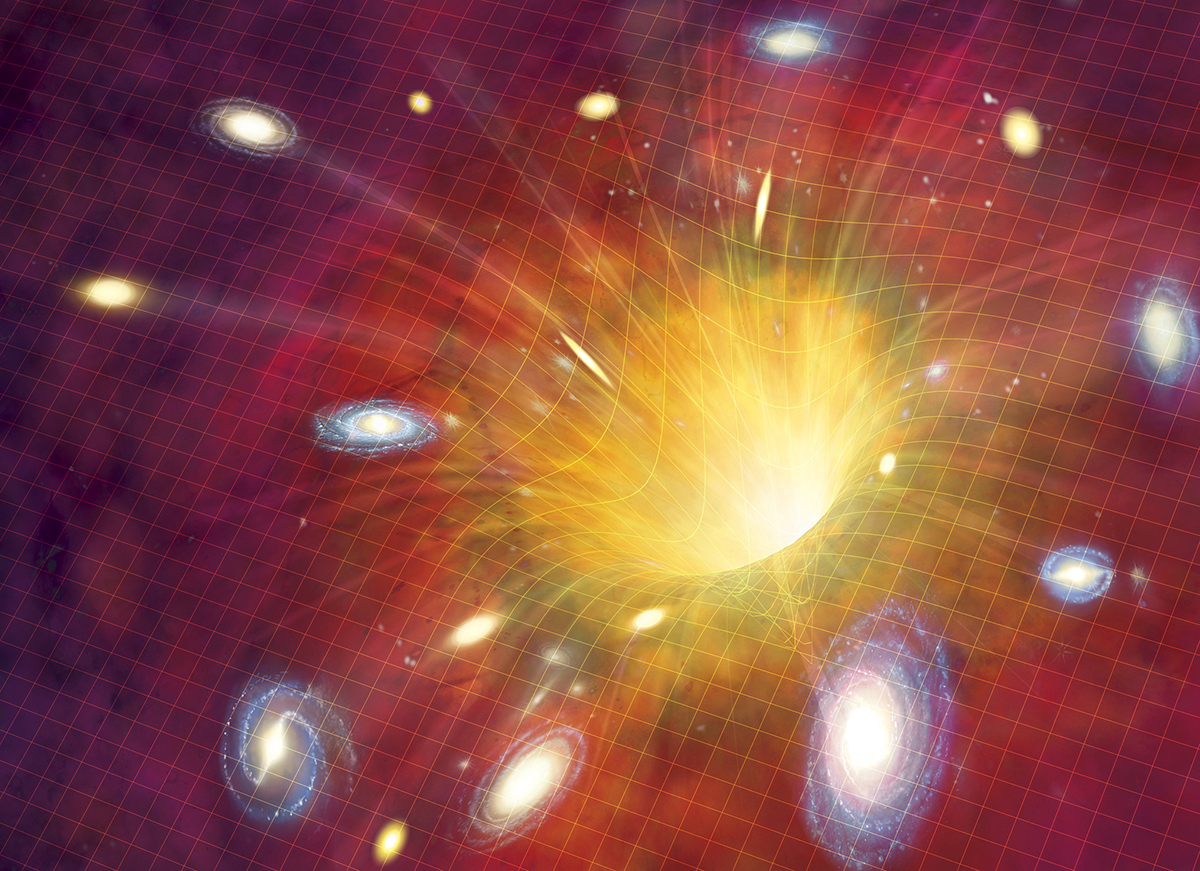
The heart of the Big Bang
Things get even murkier with ‘inflation’. This was a patch to fix a problem in Big Bang theory.
Fred Hoyle, a member of the group behind the early alternative, steady state theory, was always furious that the Big Bang was repeatedly patched up, but steady state was dismissed as soon as contradictory evidence emerged.
To explain the surprising uniformity of space soon after the Big Bang, theoretical theorist Alan Guth surmised that the Universe went through a brief but super-sized expansion.
As yet, the only substantial evidence for inflation came from the BICEP2 experiment, results which were rapidly withdrawn when they were found to be caused by cosmic dust interfering with observations.
If I’m honest, we science writers don’t help. If you spot titles including ‘may’ or ‘could’, the chances
are it’s a story that’s rich in speculation.
We can only ever say that cosmology tries to answer scientific questions. Compared with many other sciences, we must take any cosmological certainty with a huge pinch of salt.
Let us know your thoughts on this subject by emailing contactus@skyatnightmagazine.com