Dark energy

This is the largest 3D map of the Universe ever made
A five-year survey by the Dark Energy Spectroscopic Instrument has made the largest 3D map of the Universe ever created

We don't know why the Universe expansion is speeding up. Dark energy is the biggest mystery in science
Govert Schilling investigates dark matter, what we've learned about it, and what we might discover in the future.

Have we been measuring the Universe wrong this whole time? New discovery could solve a huge cosmic mystery
Fresh evidence shows supernovae aren’t the yardsticks we thought, putting the standard model of an accelerating expanding Universe in doubt.
null
undefined
Have we just solved dark energy? Study says the Universe's expansion is actually slowing down

The Universe may end in a 'big crunch' after all. Discovery sheds light on energy determining the fate of the cosmos
New data suggests that dark energy’s pulling power is changing,
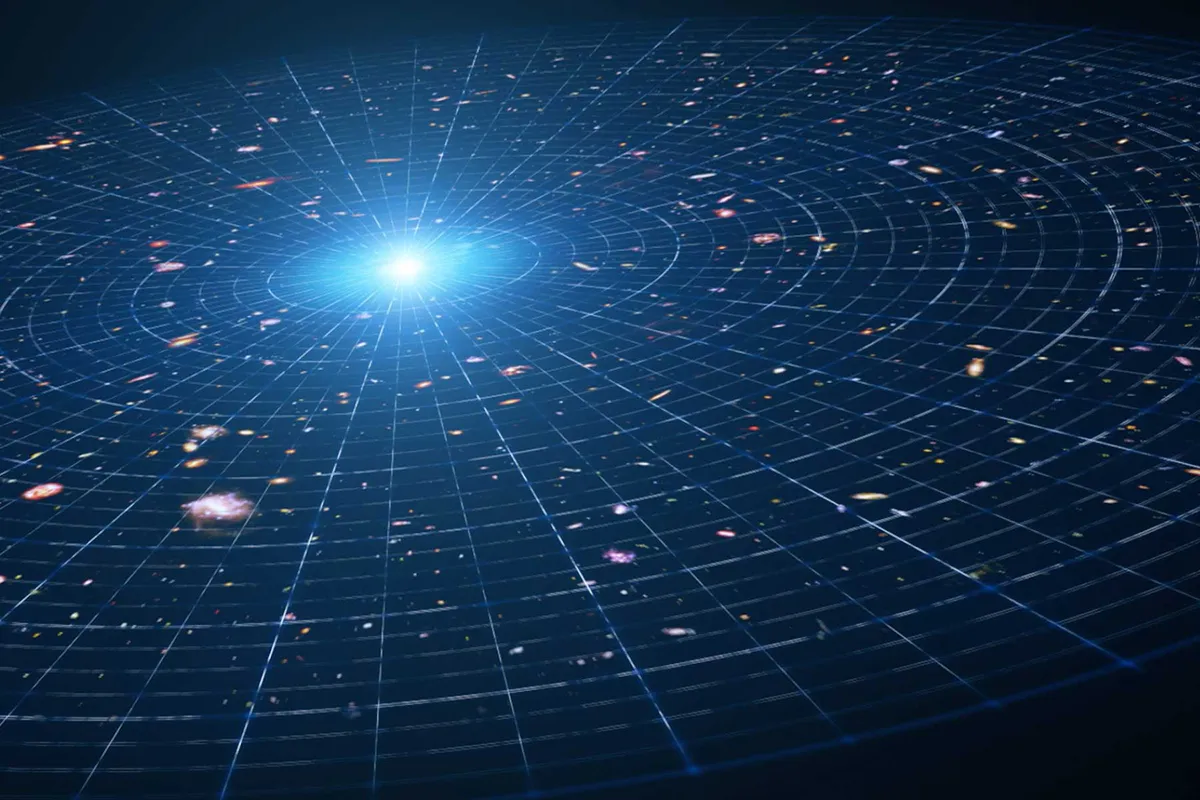
Timescape theory could solve dark energy mystery

The Euclid mission will study the mysteries of the dark Universe by mapping 2 billion galaxies
The new European space telescope will tackle the mysteries of dark matter and dark energy.

Biggest 3D map of the Universe is taking shape, and is already firming up the known expansion rate of the cosmos
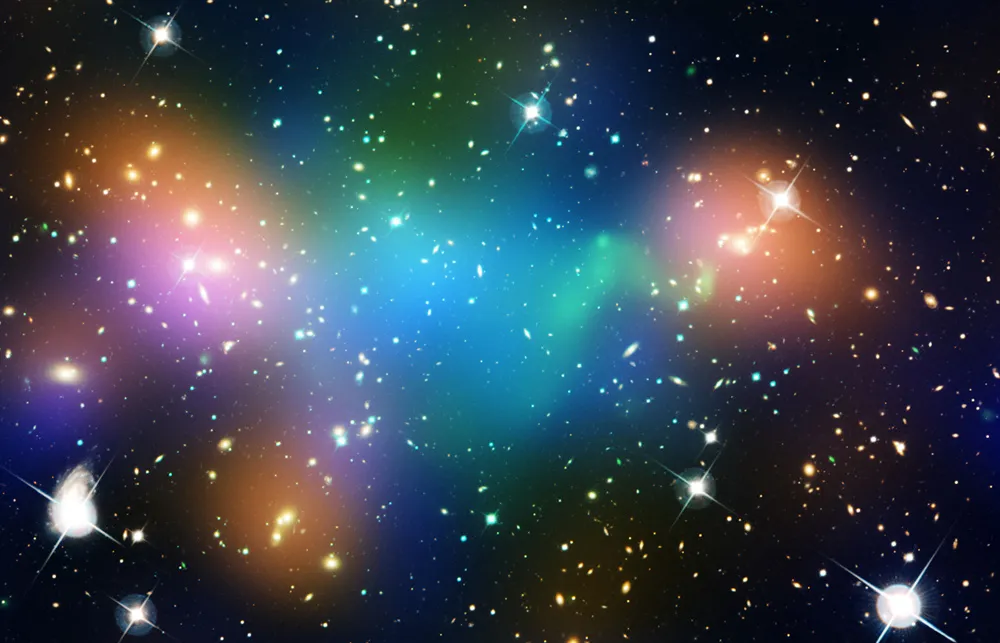
Dark matter vs dark energy
The difference between dark matter and dark energy, simply explained.
Dark energy, the strange force driving the Universe apart, may be changing with time, say astronomers
The find comes from the largest sample of supernovae ever detected by a single telescope

Radio Astronomy Podcast | What is dark energy?
Cosmologist Eva-Maria Mueller discusses the mysterious force speeding up the expansion of the Universe.
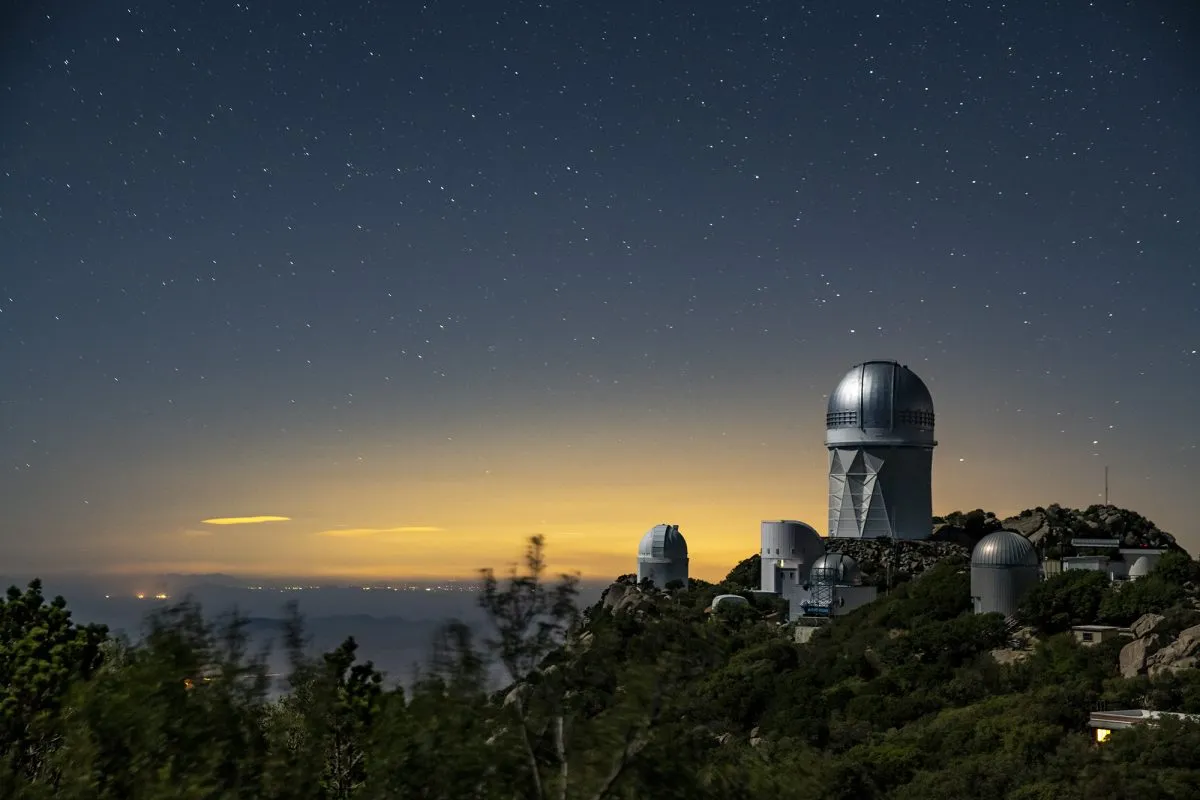
How the Dark Energy Spectroscopic Instrument could solve one of the Universe's biggest mysteries
The Dark Energy Spectroscopic Instrument (DESI) is the latest tool helping astronomers investigate the elusive force known as dark energy.

Universe is expanding faster than expected
The Hubble Space Telescope has revealed that the modern Universe is expanding at a faster rate than it did shortly after the Big Bang.

Galaxy clusters used to measure dark energy
Galaxy clusters could be used as markers to investigate dark energy, the invisible and mysterious energy causing the expansion of the Universe.
