In the modern world, full Moons are generally of most interest to stargazers and astrophotographers (and, arguably, poets).
That’s because we have electric lighting, we have streetlights and we have GPS. We no longer rely on the Moon to enable us to see at night or to find our way around.
But such wasn’t always the case. In centuries gone by, the Moon’s light played a far more important role in people’s lives.
So unsurprisingly, different cultures often developed ways of referring to the different full Moons that occur across the year.
And many of the names they gave them are still in use – at least in some quarters – today.
More on full Moons
What's in a Moon name?
The most common names tend to be those used by various Native American peoples, because those were the ones adopted by European settlers in the 'New World'.
Those settlers did also bring some traditional Moon names with them, though, and those names often survived in the US even as they fell out of use in Europe.
In recent years, thanks to increasing globalisation and the emergence of social media, those names have seen something of a resurgence.
We’re aware that this can be a controversial issue. It’s certainly easy to find European stargazers complaining about ‘Americanisation’ or ‘dumbing down’ on astronomy forums!
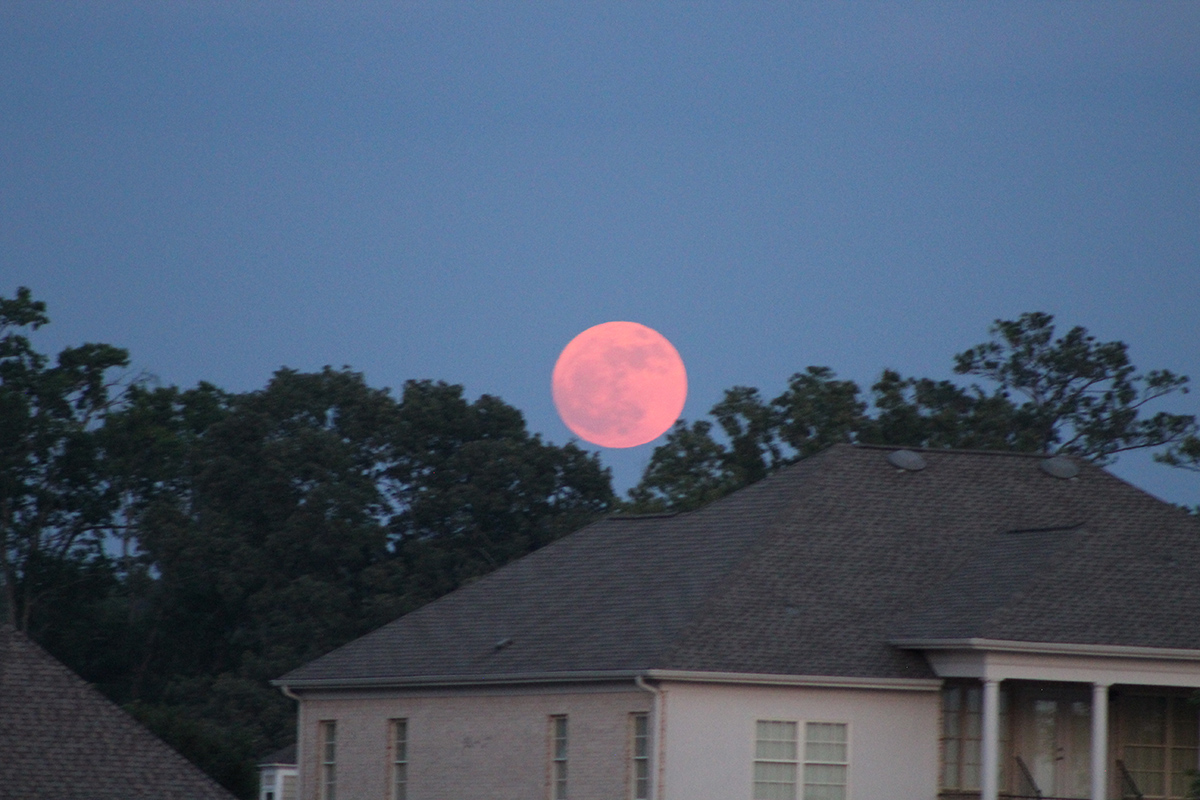
After all, most experienced astronomers bemoan the full Moon because its bright glare washes out the rest of the sky, making planets, meteor showers and deep-sky objects much harder to see.
But the full Moon trend is a trend that shows little sign of abating.
So here’s our month-by-month guide to the most common full Moon names you’ll hear – as well as an A-Z index of all the rest in the hope that in future, if you hear someone mention the Hay Moon, the Corn Moon or the Freezing Moon, you’ll know what they’re talking about!
January – Wolf Moon
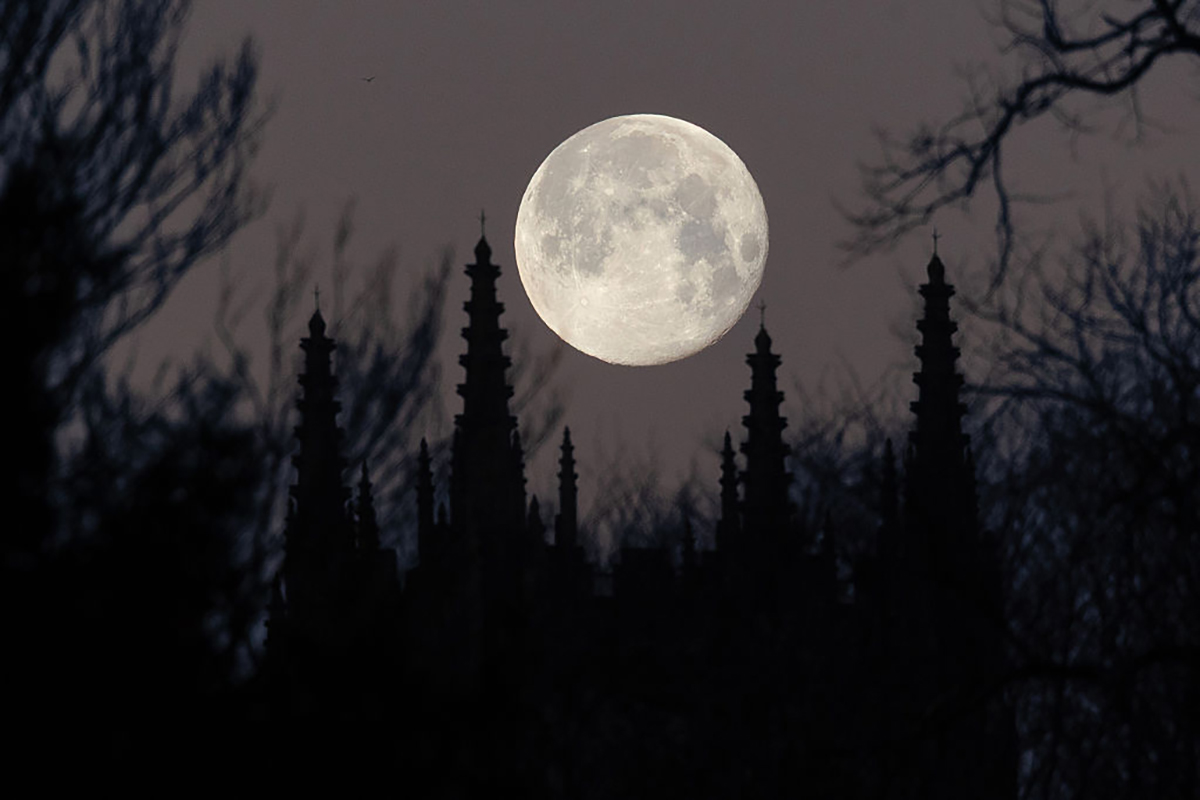
January’s full Moon is usually known as the Wolf Moon, which is thought to derive from January being a time when wolves could often be heard howling.
That's possibly due to a lack of food, or possibly for territorial reasons, but the key thing is that wolves do not hibernate, so could be heard clearly while much of the rest of the animal kingdom lay silent.
Some think that the 'Wolf Moon' was a European name that colonial-era settlers took with them to the US, but it does appear in indigenous American cultures.
As with all other full Moon names, this full Moon should technically be called a ‘full Wolf Moon’, because in Native American and other cultures that named the year’s different Moons, the name usually applied to the entire month – not just the night when that Moon was full.
February – Snow Moon
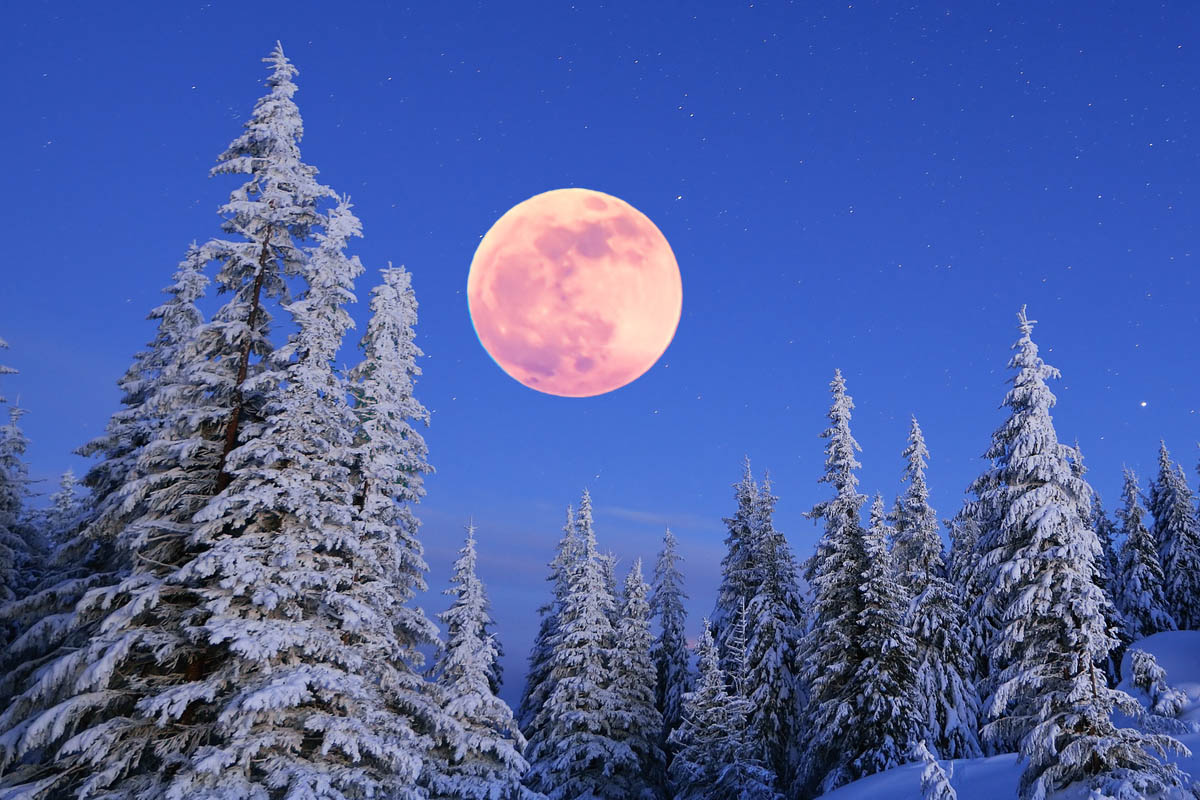
February’s full Moon is most commonly referred to as the Snow Moon – another name that is thought to have been adopted in the US after being taken there by settlers of Celtic or Anglo-Saxon ancestry.
March – Worm Moon
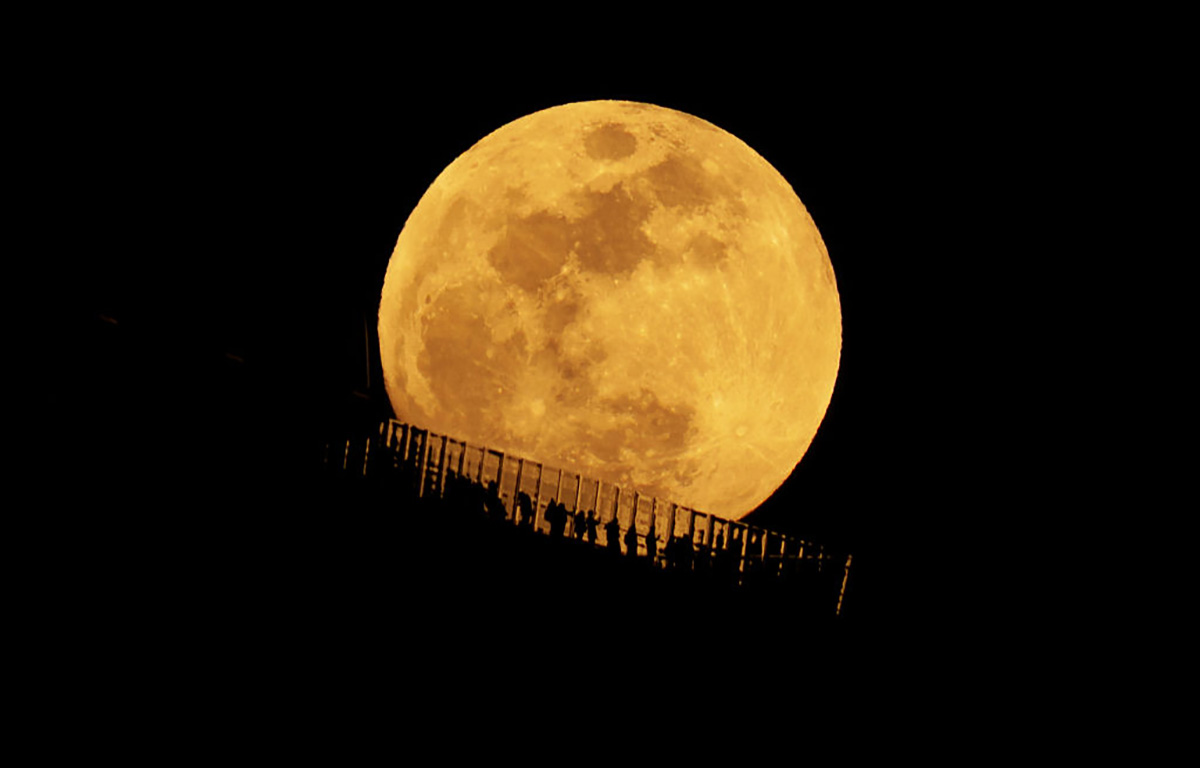
March sees the arrival of spring, and the thawing of frozen earth. As a result, worm mounds (AKA worm cast) start to appear on the ground, which is one popular explanation for why March’s full Moon is known as the Worm Moon.
Though other sources say it refers to worm larvae appearing in tree bark.
April – Pink Moon
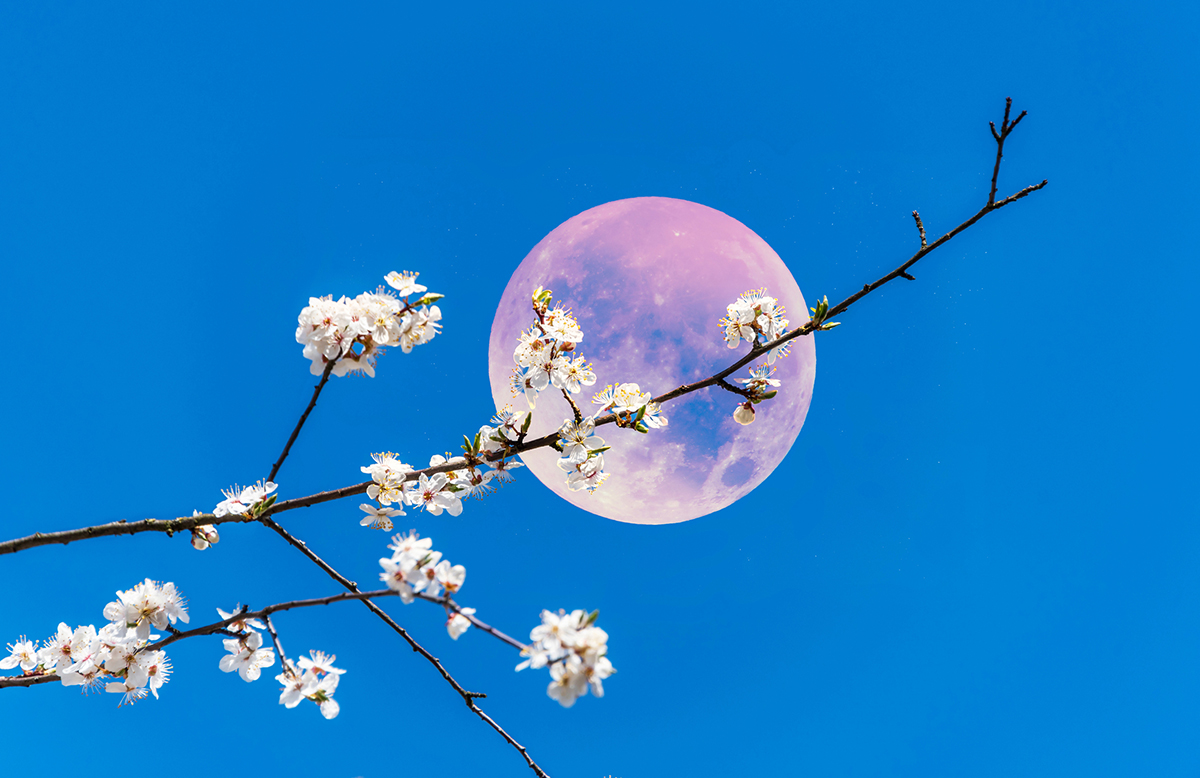
In eastern and central parts of North America, moss pink (AKA moss phlox, mountain phlox or creeping phlox, and known scientifically as Phlox subulata) is a pink, mat-forming wildflower that blankets the ground every spring – giving April’s full Moon its ‘Pink Moon’ moniker.
May – Flower Moon
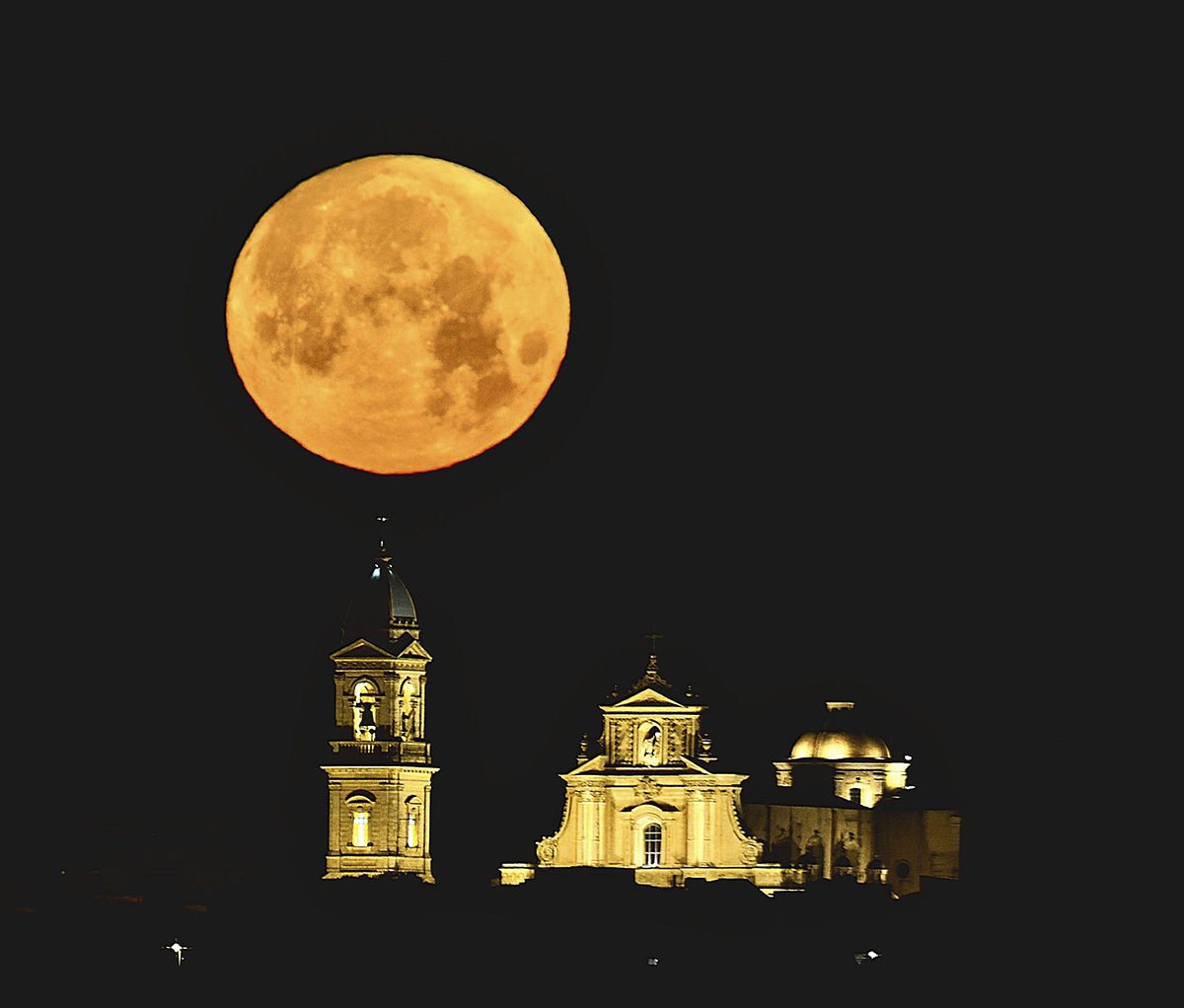
April showers, as the old saying goes, bring May flowers – so no prizes for guessing how May’s full Moon became known as the Flower Moon.
It's a name that is thought to have originated among the Algonquin and Ojibwe peoples who inhabited North America’s northeastern regions.
June – Strawberry Moon
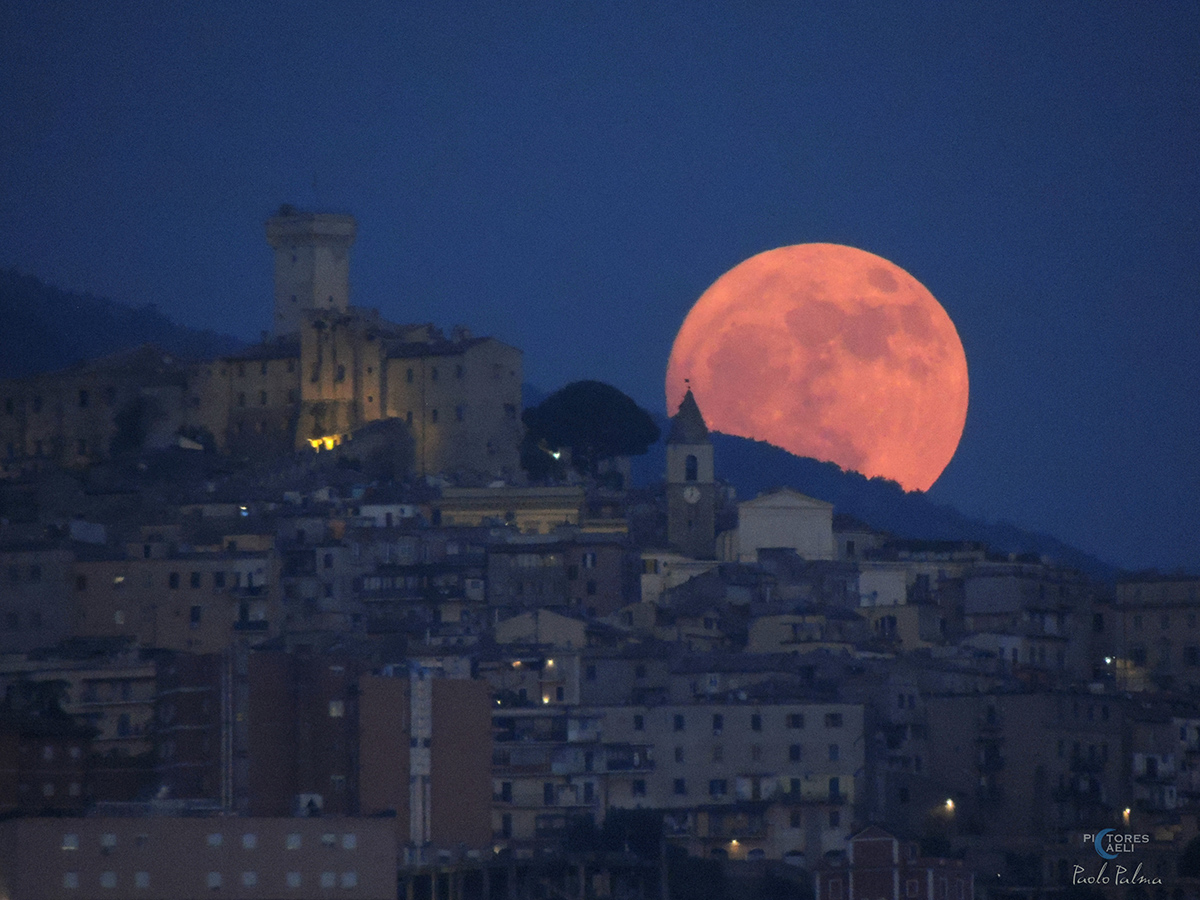
June is when strawberries start to ripen – just ask all those strawberry vendors at Wimbledon!
For this reason, many different North American peoples gave the name Strawberry Moon to the full Moon that occurs in June.
July – Buck Moon
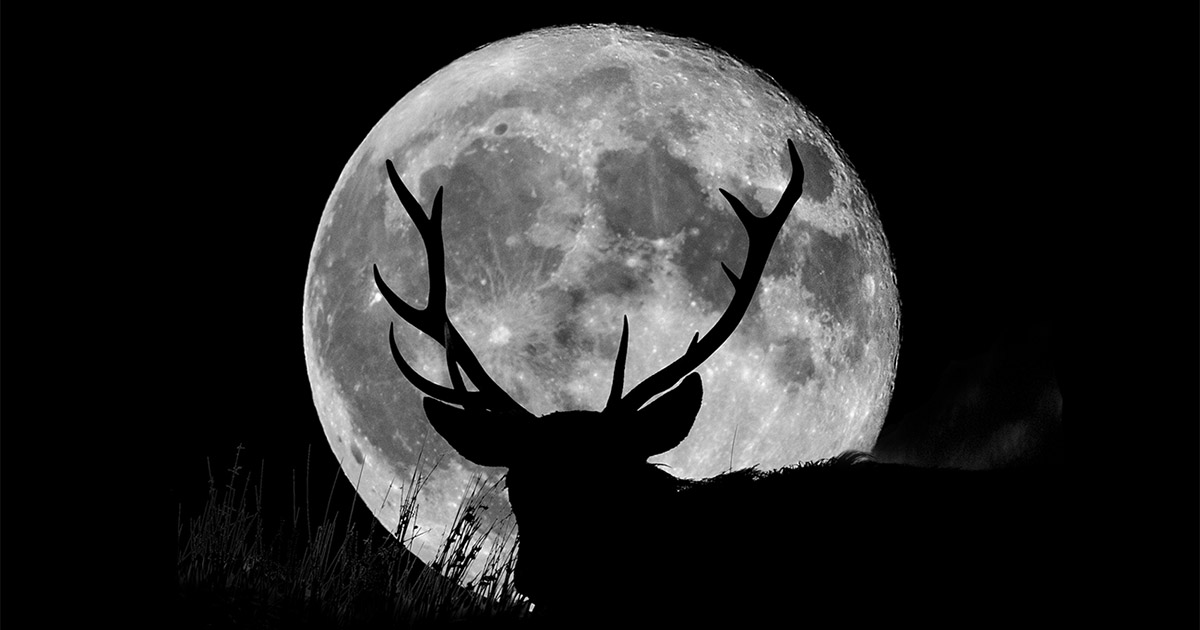
Another name of Native American origin, Buck Moon derives from the fact that bucks (young male deer) start growing their antlers around July every year.
August – Sturgeon Moon
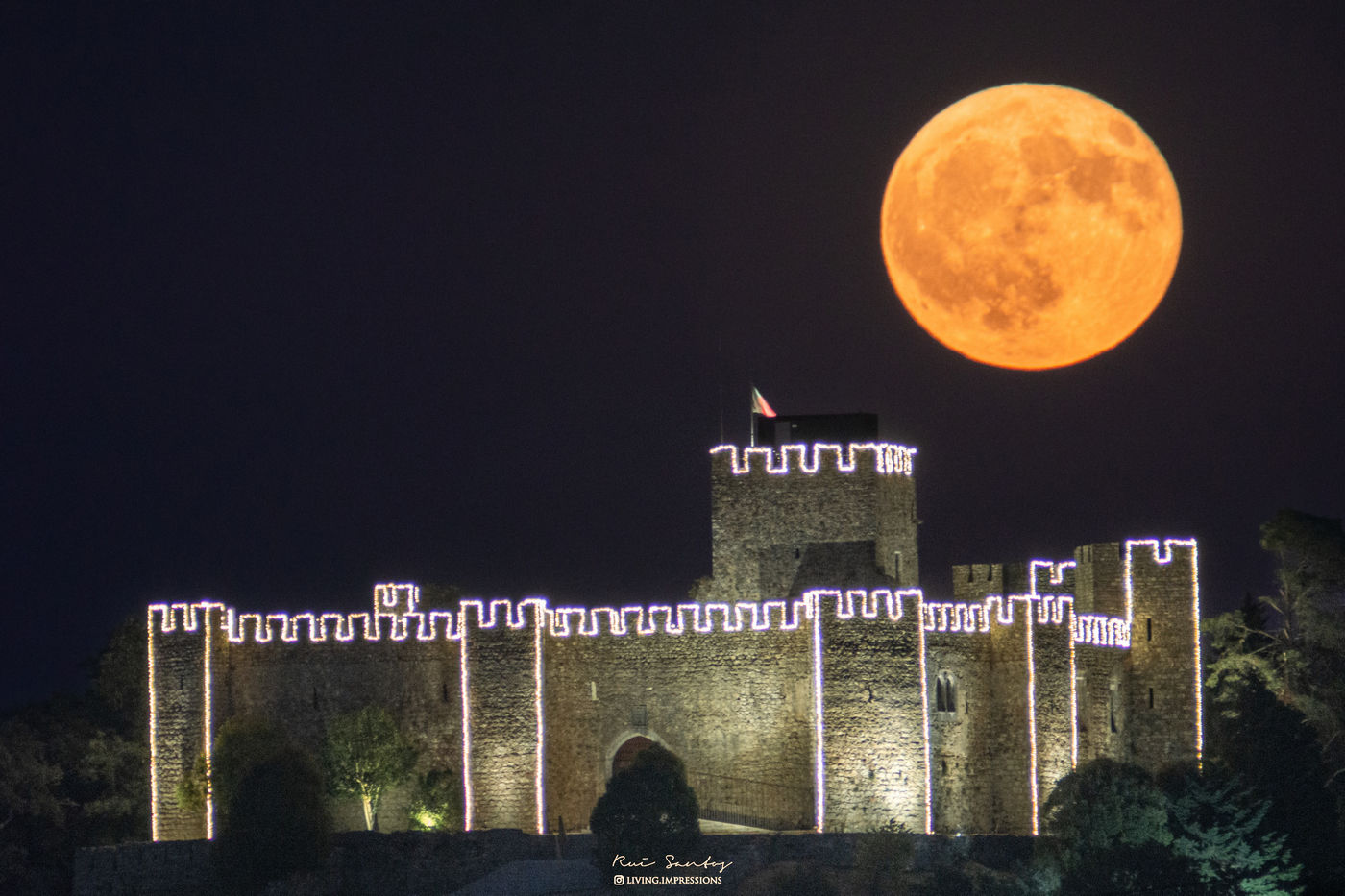
Lake sturgeon can grow up to 2m (6ft) long, and were an important food source for people living in and around the Great Lakes region.
Thanks to their migration patterns, August was when they would appear in the Great Lakes in large quantities, hence the name Sturgeon Moon.
September – Corn Moon
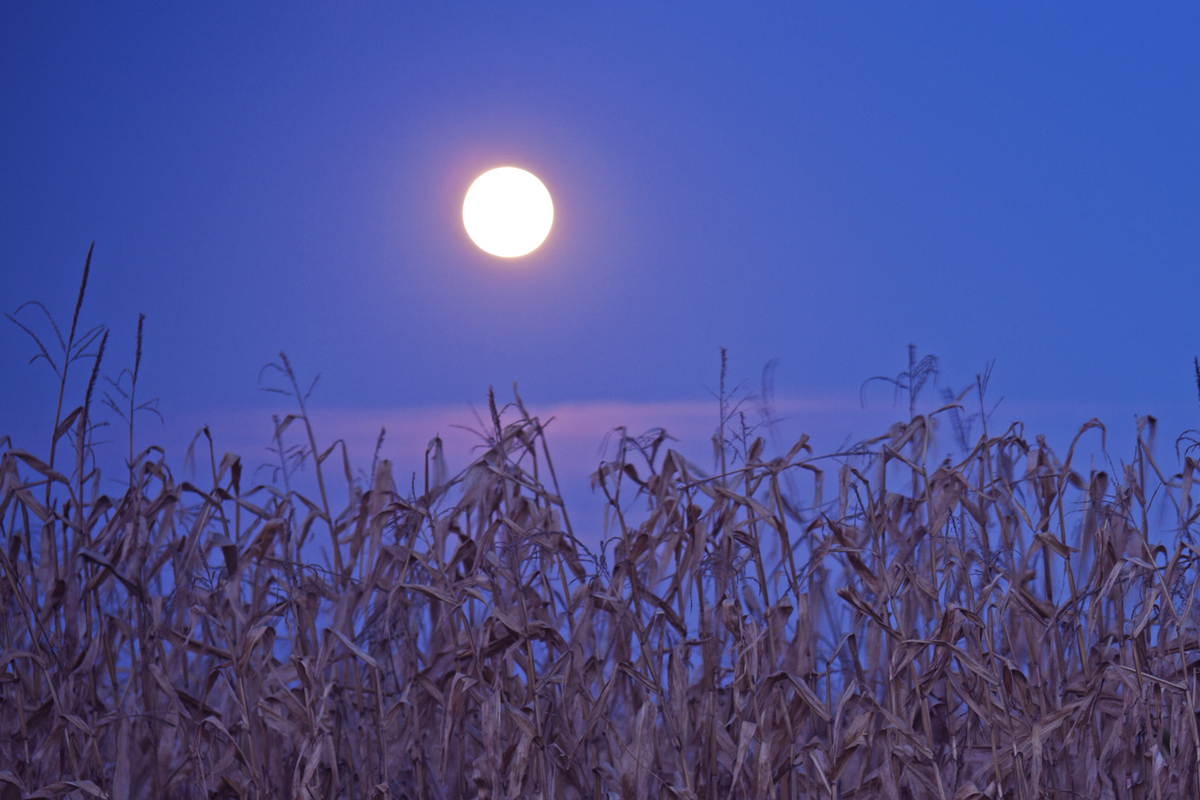
September marks the onset of autumn, and is the time of the annual corn harvest – so various Native American tribes called September’s full Moon the Corn Moon, Corn Maker Moon or Corn Harvest Moon.
Most years, but not all, the Corn Moon can also be known as the Harvest Moon – but we’ll come back to that below.
October – Hunter’s Moon
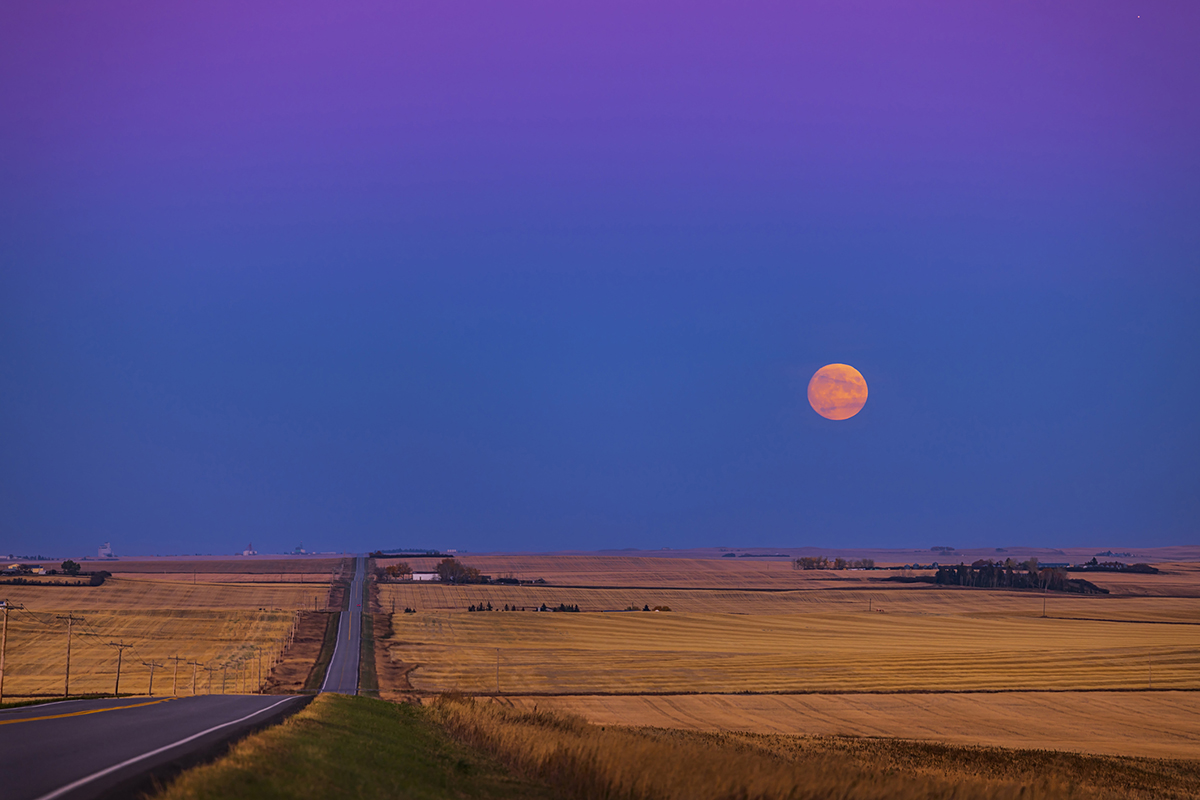
With winter around the corner, it was time to get out hunting and lay up stores of meat for the cold months ahead.
And of course, the more moonlight you had to see by, the more successful the hunt was likely to be. Hence October’s full Moon was known to Anglo-Saxon tribes as the Hunter’s Moon.
November – Beaver Moon
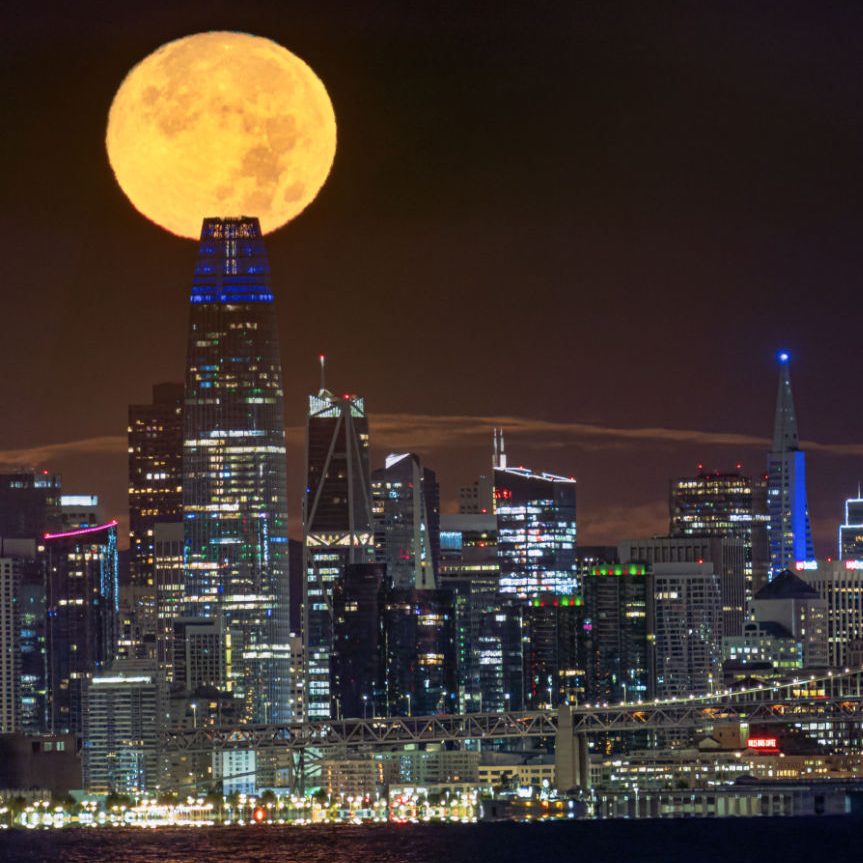
November’s full Moon takes its name Beaver Moon from the fact that around this time of year, beavers would be frantically completing their dams and then disappearing inside them, ready for the winter.
Well, it does according to most sources – others say November was simply the best time to trap them.
December – Cold Moon
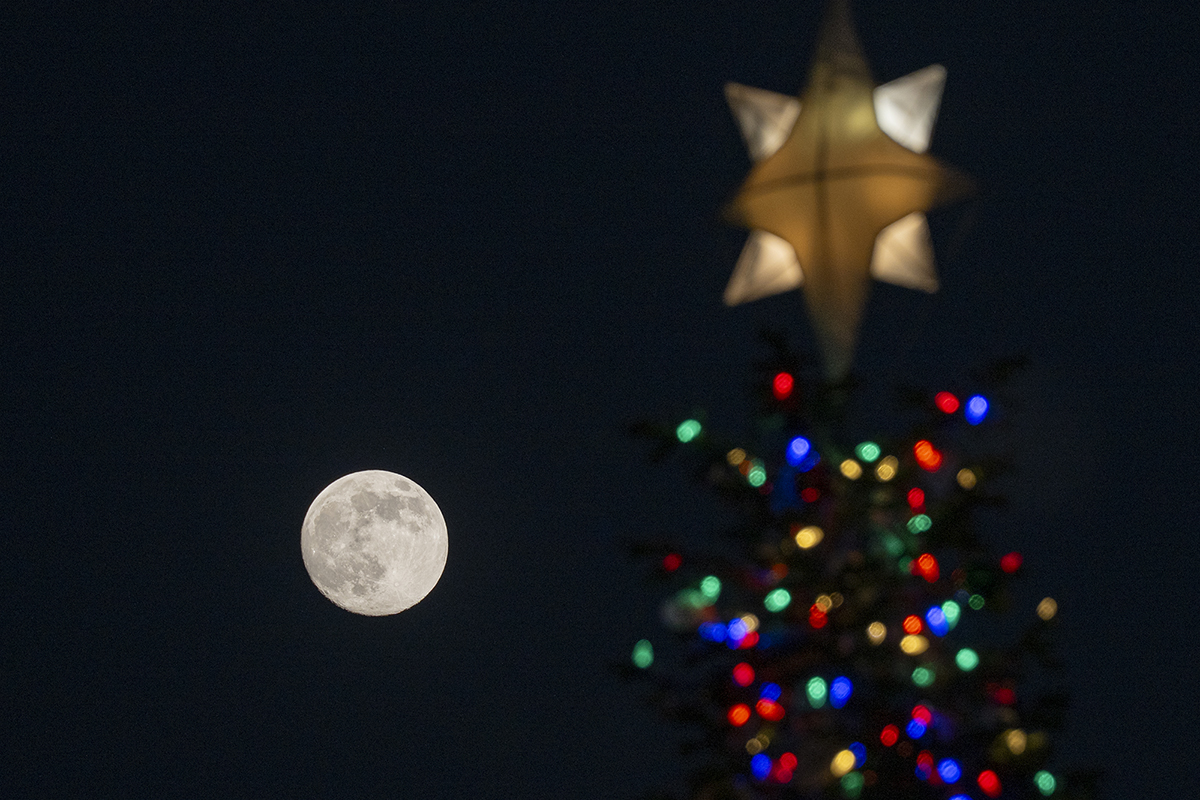
You surely don’t really need us to explain this one, do you?! With the Winter Solstice occurring on 21 or 22 December each year, December has the year’s longest, darkest and coldest nights – hence the name Cold Moon given to the month's full Moon.
Other common full Moon names
Just to confuse matters, you might hear some other names for Moons, including Harvest Moon, Blue Moon, supermoon and Blood Moon. So let’s take a look at what those terms mean.
The Harvest Moon in any year is the one that occurs closest to the September equinox on 22 or 23 September. That's because around the September equinox, the Moon rises at roughly the same time every night around a few days before and after its full phase. That traditionally meant a bright full Moon to facilitate the gathering of the harvest even after sunset.
Most years, the Harvest Moon is September’s full Moon (the Corn Moon), but around one year in three, the Harvest Moon will occur in early October. So the term ‘Harvest Moon’ can refer to either.
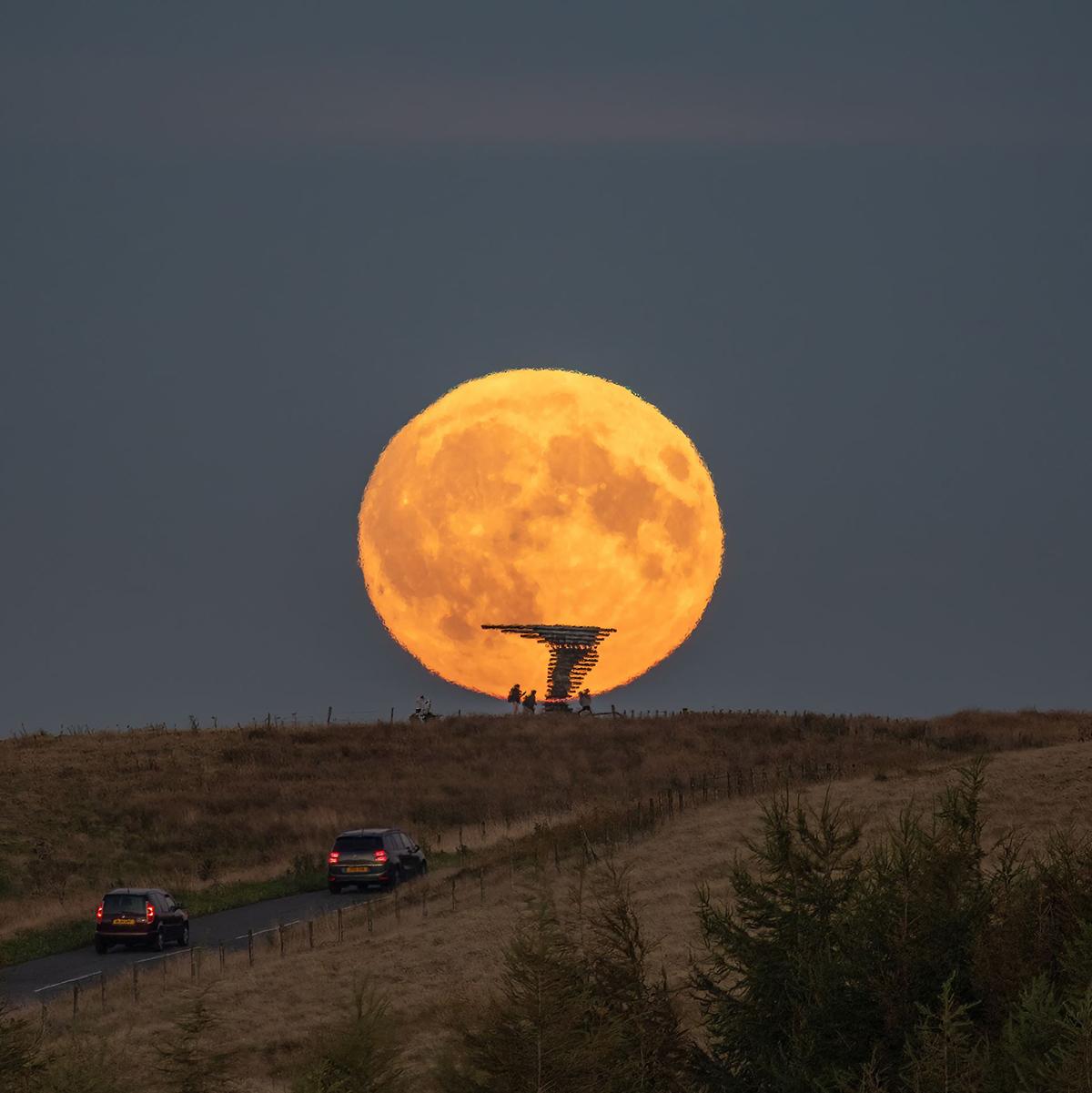
There are two different meanings of Blue Moon. Most years have 12 full Moons, but as 12 full lunar cycles only add up to 354 days, some have 13. In astronomical terms, a Blue Moon refers to the third full Moon in an astronomical season of four.
But in more recent times, the term is often used to describe a second full Moon occurring within a single calendar month.
A supermoon is a full Moon that occurs when the Moon is at or around perigee – its closest approach to Earth. At such time, the full Moon it technically a little larger than normal – hence the name.
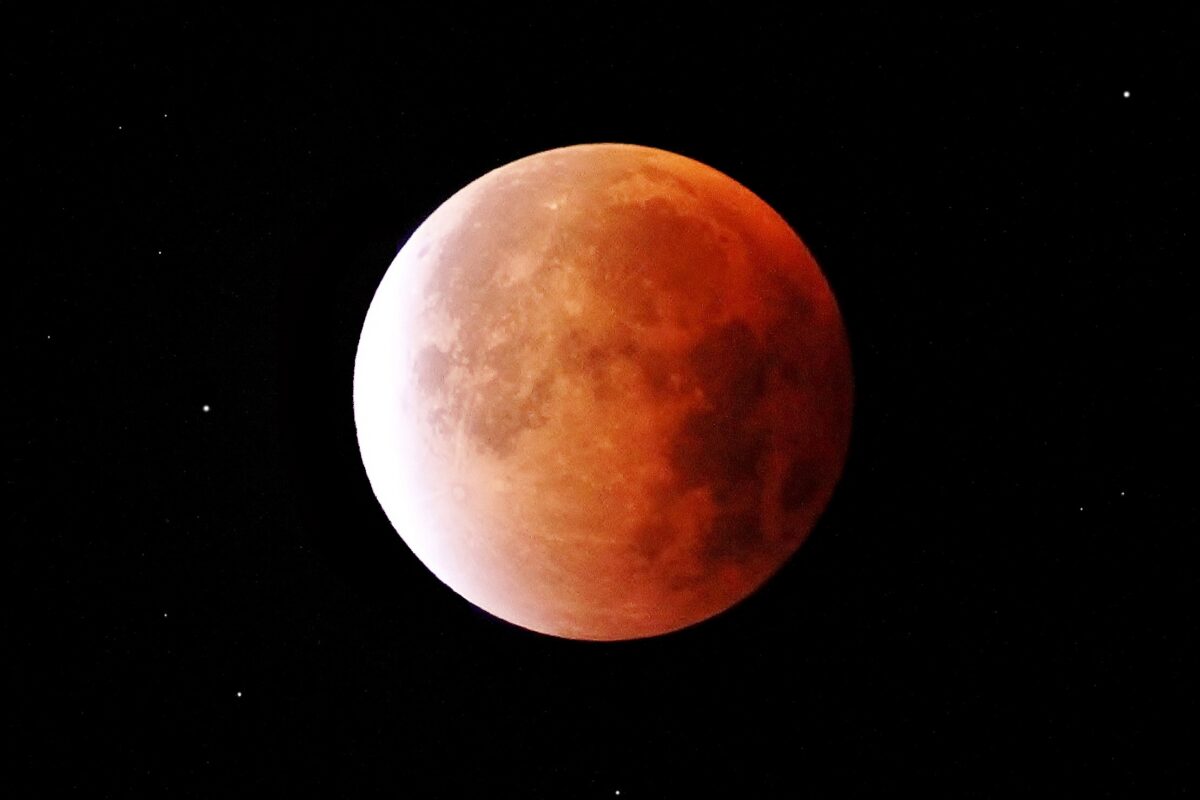
If a full Moon passes through Earth’s shadow, it undergoes a lunar eclipse and may take on a reddish appearance – earning it the nickname Blood Moon.
Alphabetical list of full Moon names
While the names listed above are the ones you’ll most commonly hear, there have been many different names given to different full Moons by different peoples over the years.
So in case you stumble across any of these terms in your astronomical reading, here's a quick alphabetical reference guide so you can easily look up what all the different names mean.
Do note that in compiling this list, we have drawn on multiple sources – and not all sources agree on the derivation or application of every full Moon name. That’s entirely understandable, for a variety of reasons.
Two completely separate cultures could have given the same name to the full Moons that occur in two different months, for instance.
Or two separate cultures could have come up with the same name for the same full Moon, completely independently of each other.
What’s more, language evolves over time – so any given culture could, for instance, have had one name for February’s full Moon back in the 1600s, but be using a different name by the late 1800s.
And that’s before we even consider the confusion that can creep in given that most of these names have been translated from a non-English language.
But here are all those we can find, in alphabetical order.
You can use this chart to find out which month’s full Moon each name refers to.
| Name | Month |
|---|---|
| Autumn Moon | September |
| Bald Eagle Moon | February |
| Barley Moon | September |
| Bear Moon | February |
| Beaver Moon | November |
| Berries Ripen Moon | June |
| Berry Moon | July |
| Birth Moon | June |
| Black Bear Moon | February |
| Black Cherries Moon | August |
| Blooming Moon | June |
| Bony Moon | February |
| Breaking Ice Moon | April |
| Bright Moon | May |
| Broken Snowshoe Moon | April |
| Brown Leaves Moon | September |
| Buck Moon | July |
| Budding Moon | April |
| Budding Moon | May |
| Canada Goose Moon | January |
| Center Moon | January |
| Chaste Moon | March |
| Child Moon | September |
| Claiming Moon | July |
| Cold Moon | January |
| Cold Moon | December |
| Corn Harvest Moon | September |
| Corn Maker Moon | September |
| Corn Moon | August |
| Corn Moon | September |
| Corn Planting Moon | April |
| Crow Moon | March |
| Crust Moon | March |
| Darkest Depths Moon | November |
| Dear Rutting Moon | November |
| Death Moon | March |
| Digging Moon | November |
| Dispute Moon | August |
| Drift Clearing Moon | December |
| Drying Rice Moon | October |
| Dyan Moon | June |
| Dying Grass Moon | October |
| Eagle Moon | February |
| Eagle Moon | March |
| Egg Laying Moon | May |
| Egg Laying Moon | June |
| Egg Moon | April |
| Falling Leaves Moon | September |
| Falling Leaves Moon | October |
| Feather Moulting Moon | July |
| Fish Moon | April |
| Flower Moon | May |
| Flower Moon | June |
| Flying Up Moon | January |
| Freeze Up Moon | January |
| Freezing Moon | October |
| Freezing Moon | November |
| Frog Moon | April |
| Frog Moon | May |
| Frost Exploding Moon | January |
| Frost Exploding Trees Moon | December |
| Frost Moon | November |
| Goose Moon | February |
| Goose Moon | March |
| Grain Moon | August |
| Grass Moon | May |
| Great Moon | January |
| Green Corn Moon | June |
| Green Corn Moon | August |
| Greetings Moon | January |
| Groundhog Moon | February |
| Growing Moon | April |
| Halfway Summer Moon | July |
| Hard Moon | January |
| Hare Moon | May |
| Hay Moon | July |
| Herb Moon | July |
| Hoar Frost Moon | December |
| Hoer Moon | June |
| Horse Moon | June |
| Hot Moon | June |
| Hunger or Hungry Moon | February |
| Hunter's Moon | October |
| Ice Moon | January |
| Ice Moon | February |
| Ice Moon | October |
| Leaf Budding Moon | May |
| Leaves Turning Moon | September |
| Lenten Moon | March |
| Lightning Moon | August |
| Little Spirit Moon | December |
| Long Night Moon | December |
| Lynx Moon | August |
| Mating Moon | September |
| Mead Moon | June |
| Mead Moon | July |
| Midwinter Moon | December |
| Migrating Moon | October |
| Milk Moon | May |
| Moon after Yule | January |
| Moon before Yule | December |
| Moon of the Popping Trees | December |
| Moon of the Shedding Ponies | May |
| Moon When Rice is Laid Up to Dry | September |
| Moon when the Chokecherries are Ripe | July |
| Moon when the Deer Shed their Antlers | December |
| Mother's Moon | May |
| Mountain Shadows Moon | August |
| Mourning Moon | November |
| New Shoots Moon | April |
| Oak Moon | December |
| Old Moon | January |
| Pagan Blood Moon | October |
| Pink Moon | April |
| Planting Moon | May |
| Planting Moon | June |
| Plough Moon | March |
| Quiet Moon | January |
| Racoon Moon | February |
| Raspberry Moon | July |
| Red Grass Moon | April |
| Red Moon | August |
| Ricing Moon | August |
| Ripe Corn Moon | July |
| Rose Moon | June |
| Rutting Moon | September |
| Salmon Moon | July |
| Sanguine Moon | October |
| Sap Moon | March |
| Scratching Moon | November |
| Seed Fall Moon | October |
| Seed Moon | April |
| Severe Moon | January |
| Snow Crust Moon | March |
| Snow Moon | February |
| Snow Moon | December |
| Song Moon | September |
| Sore Eyes Moon | March |
| Spirit Moon | January |
| Sprouting Grass Moon | April |
| Stay Home Moon | January |
| Storm Moon | February |
| Strawberry Moon | June |
| Sturgeon Moon | August |
| Sugar Maker Moon | April |
| Sugar Moon | March |
| Thunder Moon | July |
| Travel Moon | October |
| Whitefish Moon | November |
| Wind Moon | March |
| Wind Strong Moon | March |
| Wine Moon | September |
| Winter Maker Moon | December |
| Wolf Moon | January |
| Worm Moon | March |
| Wyrt Moon | July |
| Yellow Leaf Moon | September |