Earth currently has a second natural satellite in orbit around it – but it will likely be gone by the end of the year.
The previously unknown object was first spotted on 20 August 2026 by Hungarian astronomer Krisztián Sárneczky, a seasoned asteroid hunter with hundreds of discoveries to his name.
Sárneczky reported his discovery to the Minor Planet Center, which initially believed the object to be a piece of space junk (debris from satellites and spacecraft).
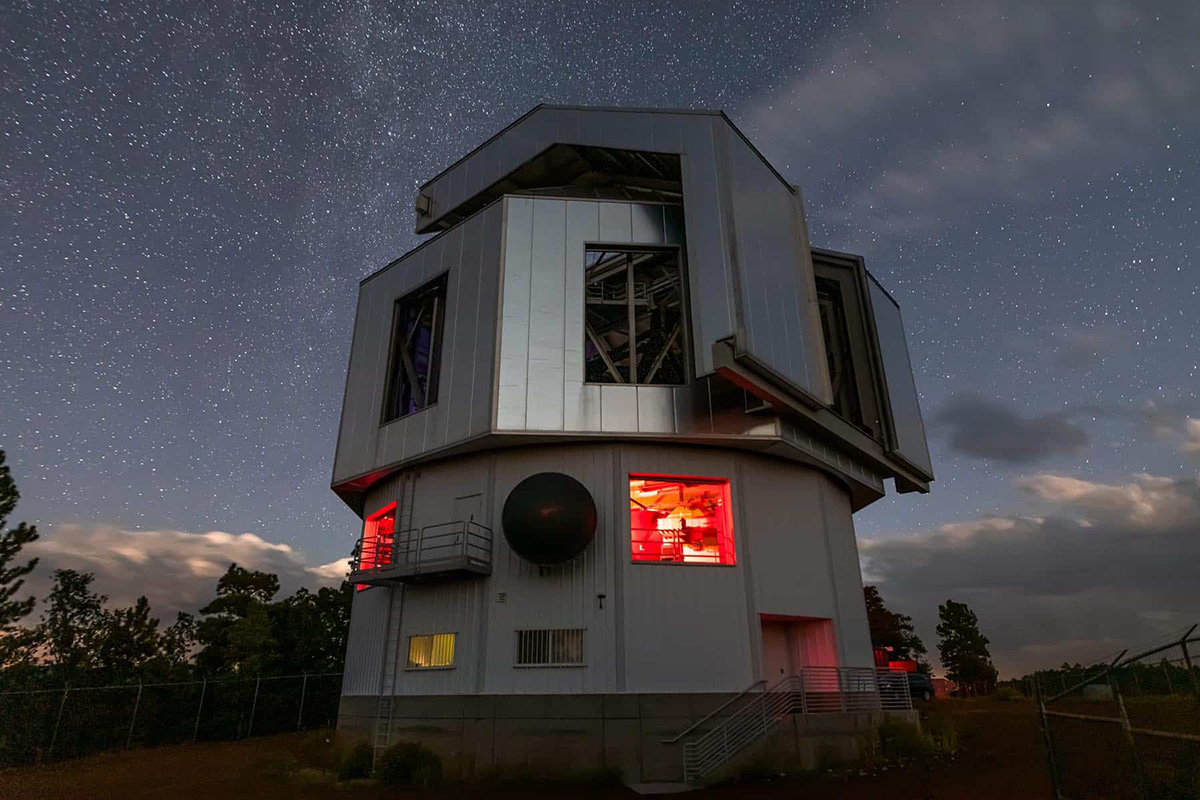
But follow-up observations using the Lowell Discovery Telescope in Arizona and the University of Hawaii 2.2-meter telescope confirmed its natural origin.
Accordingly, since 29 October 2026 the item has been officially designated as a moon, and given the name 2026 QQ8.
Read more
What we know about 2026 QQ8
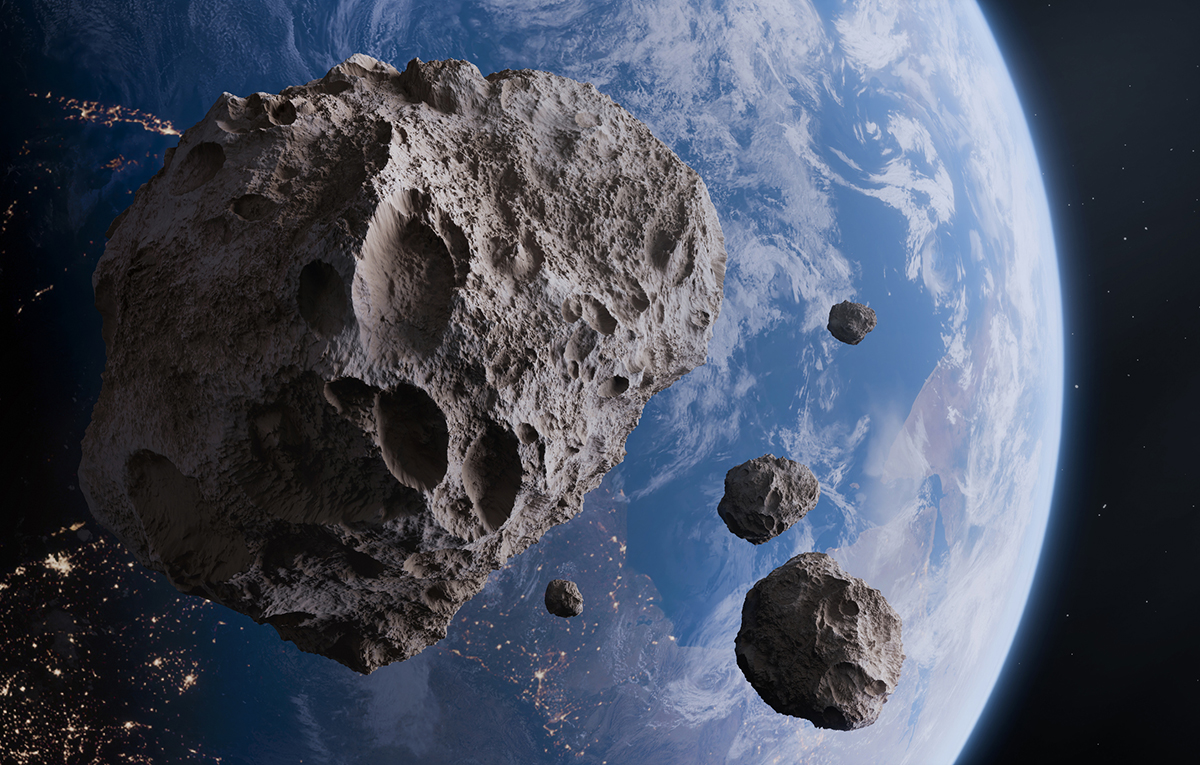
2026 QQ8 is a small asteroid measuring around 1–2 metres (3–6 feet) across, meaning it's about the size of an adult human!
Its kidney-shaped orbit is believed to bring it (relatively) close to Earth once every 10 years or so, but normally it stays outside the ‘Hill sphere’, which marks the hypothetical boundary in space between the region where Earth’s gravity is dominant, and the region where the Sun’s gravity holds sway.
2026 QQ8 is thought to have crossed the Hill sphere and so been dragged into orbit around Earth, back in April 2026.
It is now expected to continue to orbit Earth for another month or two before heading off back on its usual orbit in December, or possibly January.
Can we see 2026 QQ8?
Sadly, 2026 QQ8 is not visible in amateur telescopes – it’s around half as far away again as the actual Moon and only a metre across! – but professional astronomers will be observing it closely.
That’s not because it poses any threat to Earth – even if it did suddenly change course and barrel towards us, it’s so small that it would burn up on entry into our atmosphere – but for what it can tell us about the mechanics of capturing such temporary satellites, because they’re not entirely uncommon.
Other previous mini-moons have included 2020 SO, 2020 CD3 and 2024 PTS, and some astronomers believe that Earth may typically have up to around half a dozen such objects orbiting it temporarily at any one time.
We’re just getting better at spotting them thanks to the technological advances made in recent years, both in imaging hardware and in the software used to process astro images.
All the same, it’s not every day that Earth gets a new moon, so let’s enjoy it while it lasts – once it’s left Earth orbit, 2026 QQ8 won’t be coming this close again until 2058.