
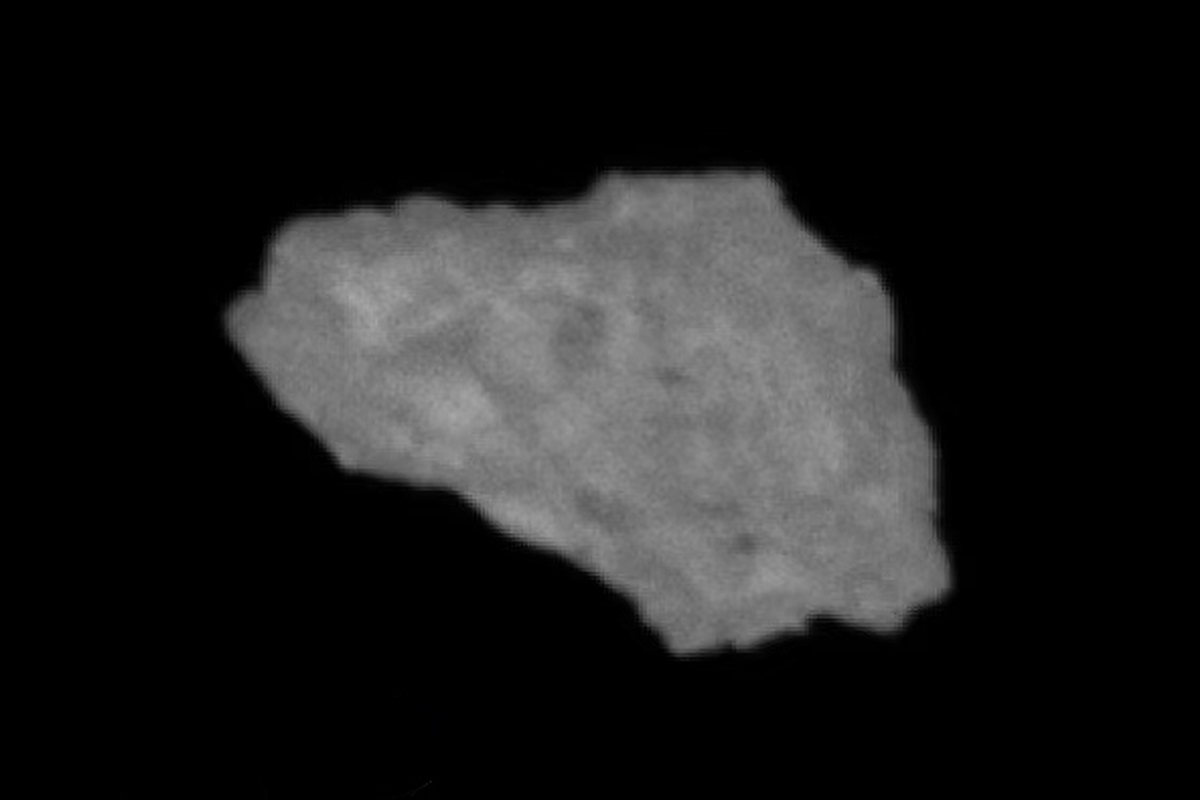
China’s Tianwen-2 spacecraft has returned the first-ever close-range images of our planet’s ‘mini moon’ Kamoʻoalewa, after closing to within 20km (12 miles) of the space rock.
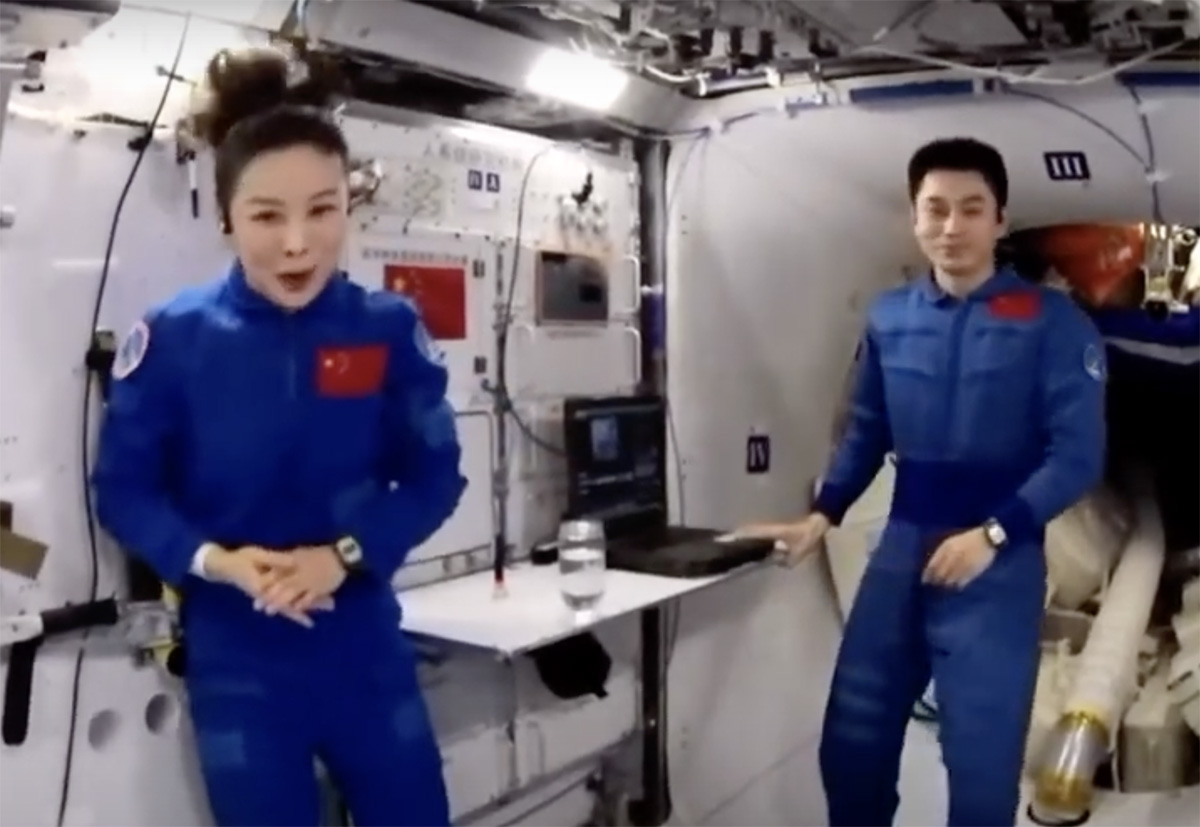
Tianwen-2 was launched on 28 May 2025 and is China’s first dedicated asteroid sample-return mission.
Its initial objective is to rendezvous with Kamoʻoalewa – officially known as the near-Earth asteroid 2016 HO3 – and study it up-close, then collect samples from the surface and return them to Earth.
After delivering the return capsule, the spacecraft is expected to continue onwards to study the main-belt comet 311P/PanSTARRS, making it one of the most ambitious planetary missions ever attempted by China.
More on China's space missions
A mini moon?
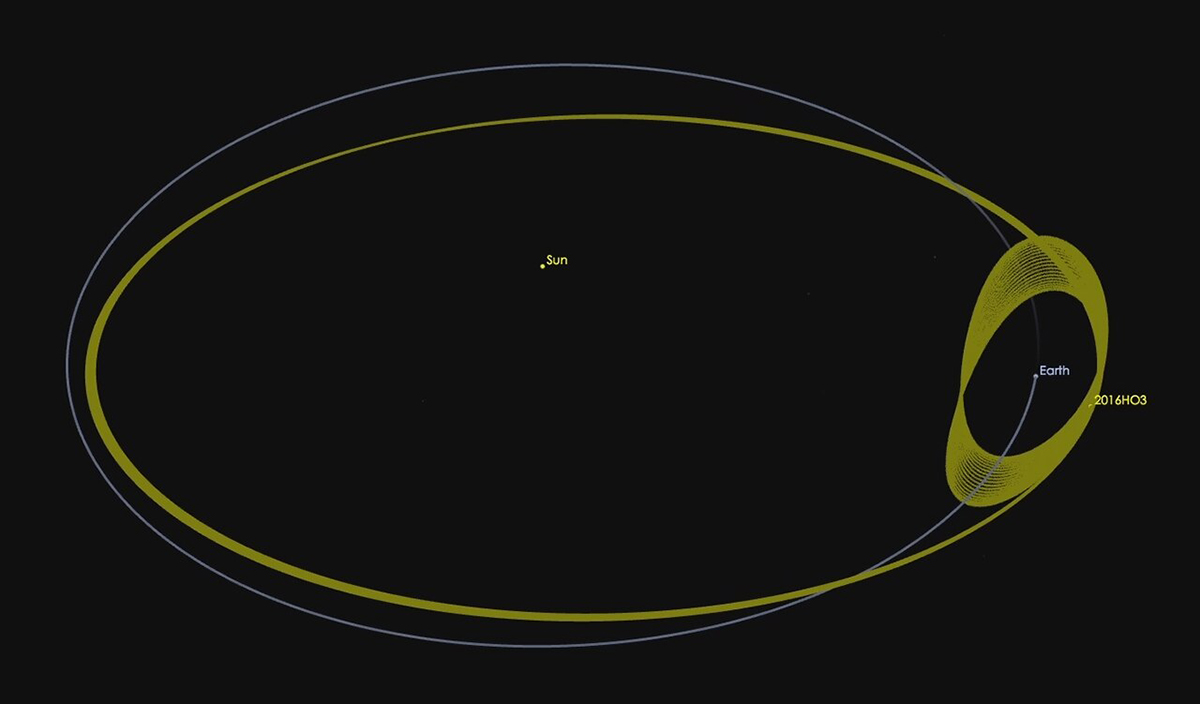
Kamoʻoalewa is particularly intriguing because it is a rare ‘quasi-satellite’ of Earth.
Rather than orbiting our planet directly, it follows a path around the Sun that keeps it near Earth over long periods.
Some studies have suggested it may be a fragment blasted from the Moon by an ancient impact, although that’s recently been challenged.
Bringing samples back to Earth could help resolve that mystery.
What the image shows
The images show the small asteroid’s irregular shape and surface features in far greater detail than previous observations from Earth-based telescopes.
The fly-by imagery also serves a practical purpose: mission controllers will use the photos to refine their models of the asteroid’s size, rotation and surface texture before it attempts its planned close rendezvous and sampling operation.
Such measurements are essential for navigating safely around an object only a few dozen metres across.
Ground-based estimates had put the asteroid’s diameter at roughly 40–100 metres (130–330ft), but the new images indicate it may be only around 20 metres (65ft) across, potentially making the mission more difficult than expected.
Following the success of the Tianwen-1 Mars mission and the Chang’e lunar sample-return missions, Tianwen-2 is intended to demonstrate the technologies needed for future asteroid and deep-space exploration.

