
Planetary defence scientists caught an asteroid smashing into Earth off the coast of Australia this week – and only had a 6-hour warning that it would impact.
On Sunday, September 6, 2026, automated tracking telescopes at the Mount Lemmon Observatory in Arizona, USA picked up a faint object streaking across the sky.
The object turned out to be an asteroid measuring just 80cm (2.6 feet) wide – staggeringly small considering the ground-based observatory picked it out amongst background stars before it crashed into the ocean.
More on Earth defence
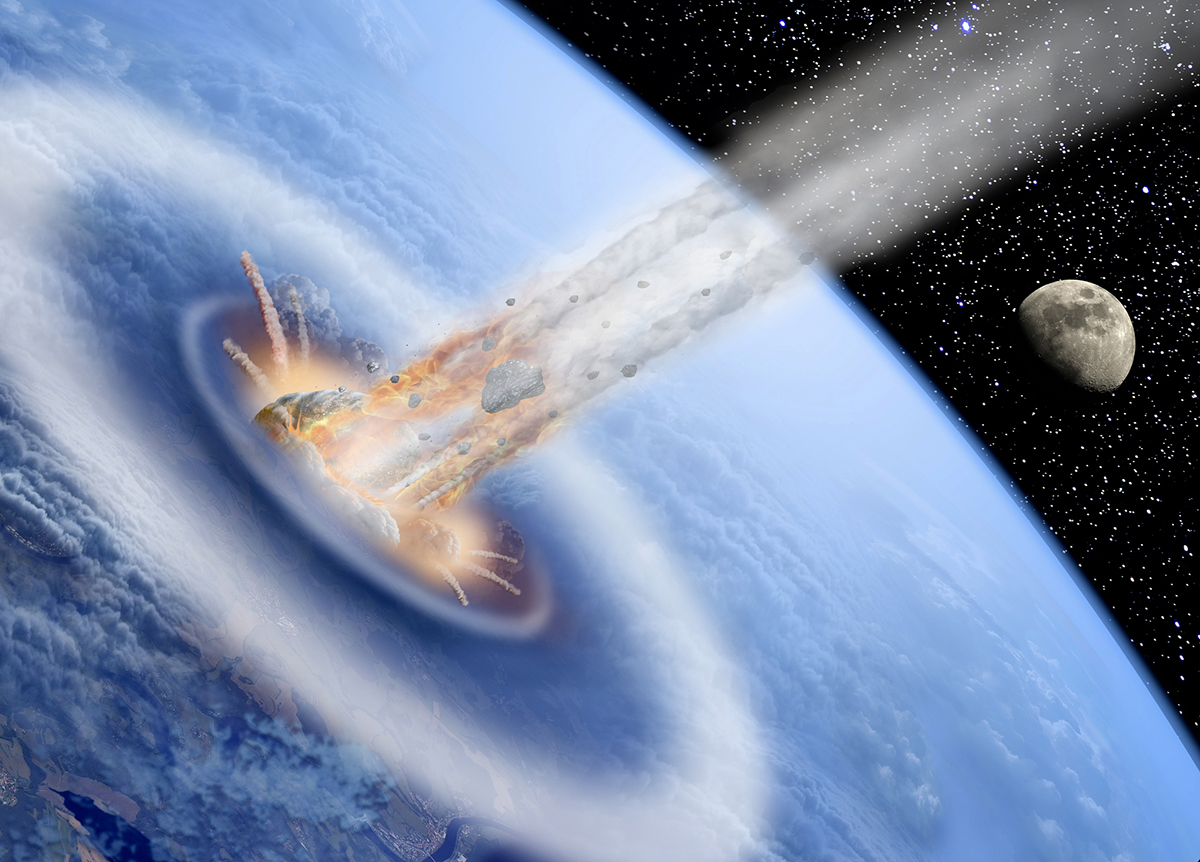

Six hours after it was discovered, the asteroid, provisionally designated CERNQ52, burned up upon entry over the Indian Ocean off the northwest coast of Australia at 16:07 UTC, according to preliminary results released by the European Space Agency.
While the event produced no damage and no crater, planetary defence experts will see this detection as a success.
Now officially designated as 2026 RW1, it's only the 13th known impacting asteroid ever detected before it hit Earth.
A needle in a space-rock haystack
We're all used to seeing infographics of enormous asteroids that could wipe out whole neighbourhoods on Earth in an instant.
But finding one measuring just 80 centimetres across before it hit Earth is really quite something.
Small asteroids enter Earth's atmosphere all the time, but spotting them before they strike is rare.
2026 RW1 marks only the 13th time humanity has detected an asteroid prior to atmospheric entry.
The Mount Lemmon Observatory's Catalina Survey uses automated telescopes to scan patches of the night sky, looking for fast-moving objects that could indicate an asteroid, comet or other rocky body moving through space.
It's not a new technique: astronomers have long compared images of the same patch of sky taken at different times to spot fast-moving foreground objects.
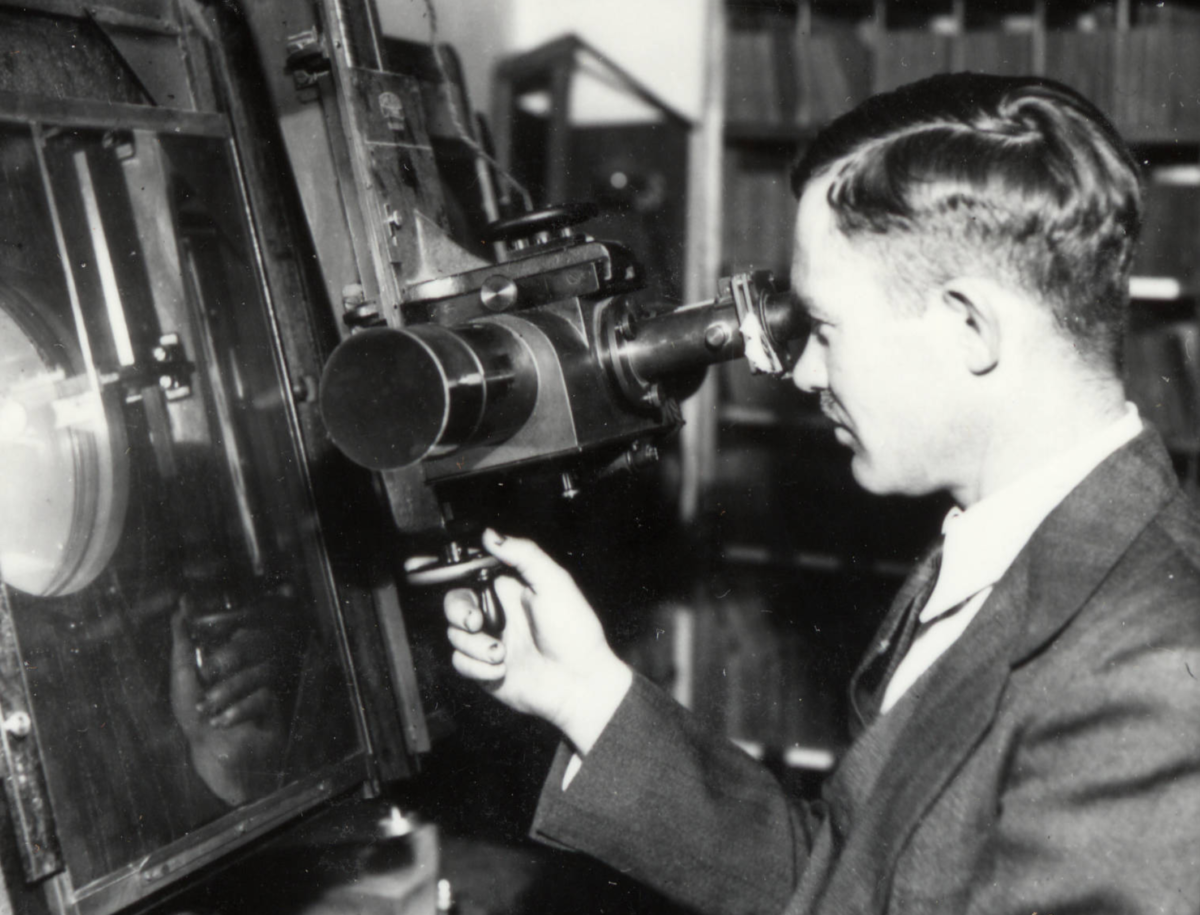
The technique was used by Clyde Tombaugh to discover Pluto in 1930, for example, but back then astronomers had to carry out the painstaking work manually, using photographic plates and a 'blink comparator' to identify objects moving between exposures.
Now, astronomers have automated telescopes that often adopt machine-learning and artificial intelligence to make the job of finding potentially dangerous space rocks much easier.
Once 2026 RW1 was detected, the European Space Agency’s (ESA) Meerkat system – another automated warning system – got to work studying the asteroid, predicting its trajectory and time of impact.
A rare Aten asteroid
Space-rock experts like Adrien Coffinet (as reported by EarthSky) have suggested that 2026 RW1 could be a rare type of asteroid known as an 'Aten' asteroid.
Aten asteroids are a type of near-Earth asteroid whose orbit around the Sun takes them within Earth's orbit.
However, sometimes they cross Earth's orbital path, potentially bringing them within close range of our home planet.
While this may sound rather alarming, it's worth remembering that asteroids strike Earth's atmosphere and burn up all the time.
As well as this, what the detection of 2026 RW1 shows is that humanity's ability to detect tiny objects approaching Earth is improving all the time, meaning our automated systems are becoming reliable early-warning systems.
Summary
- A tiny asteroid, temporarily designated CERNQ52 and later named 2026 RW1, was detected by the Catalina Sky Survey on September 6, 2026, just hours before it entered Earth's atmosphere.
- Measuring 80cm across, the asteroid disintegrated over the Indian Ocean off north-western Australia without causing damage or reaching the ocean surface.
- Its detection marks only the 13th known occasion on which an asteroid was spotted before atmospheric entry, making it a notable success for planetary defence.
- The event shows how automated systems like ESA's Meerkat can help provide warnings about potentially hazardous space rocks

