There's a solar eclipse coming to North America on August 12, 2026, which will be visible in parts of the U.S. and Canada.
Granted, when most people think about the August 12, 2026 solar eclipse, they think about Iceland, Spain and Greenland.
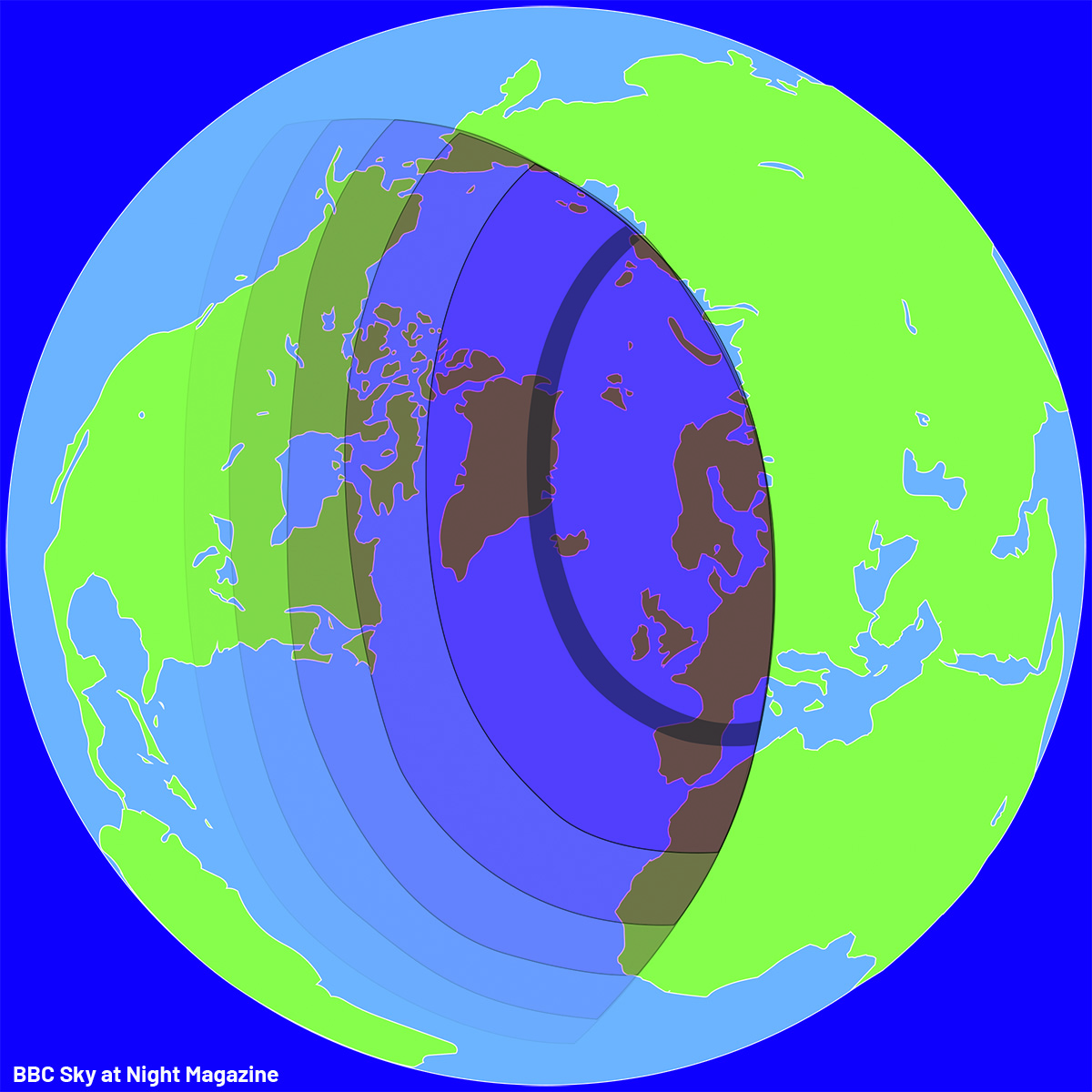
In those three countries, the moon’s dark umbral shadow will sweep across Earth’s surface, creating a total solar eclipse that briefly turns day into night.
In the rest of Europe, a deep partial solar eclipse will occur near sunset. However, that doesn’t mean North Americans will entirely miss out.
More on solar eclipses
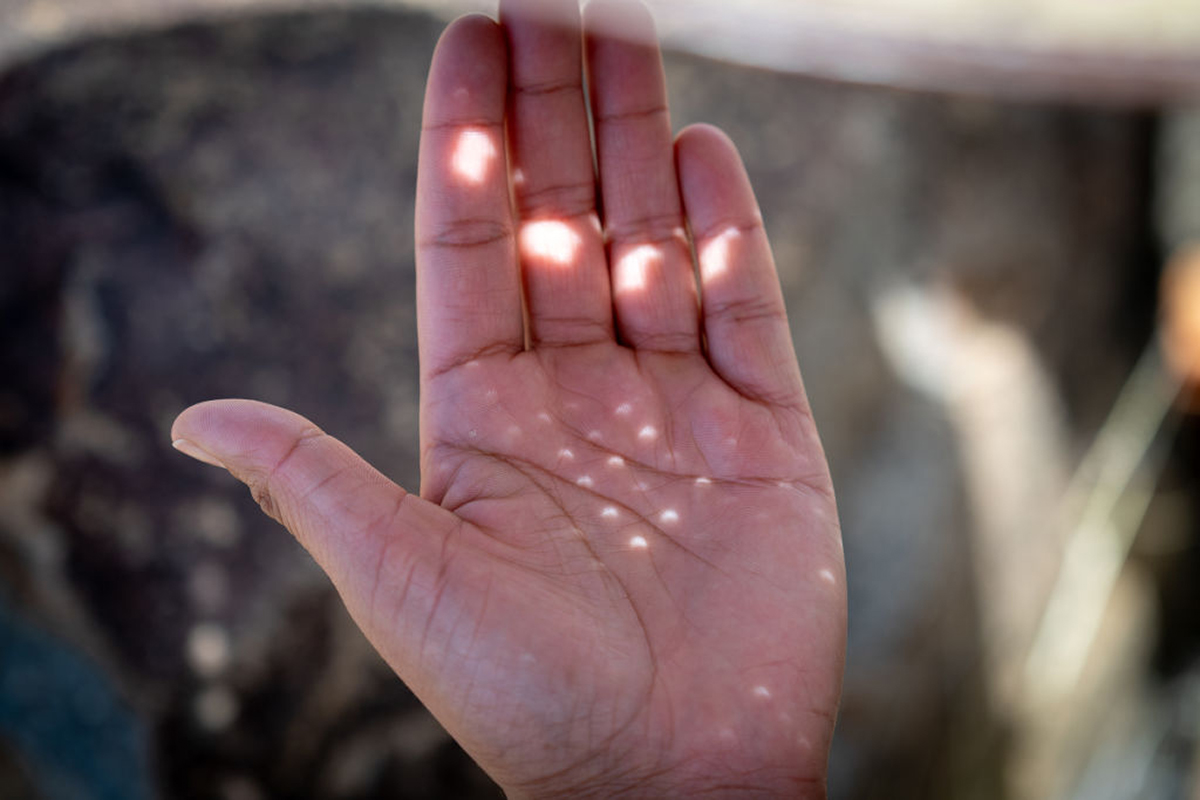
The solar eclipse and North America – what we'll see
No part of North America will experience totality during the August 12, 2026 solar eclipse – as they did on April 8, 2024, during Earth’s last total solar eclipse.
But millions of people across eastern Canada and the northeastern U.S. will — if they still have their eclipse glasses — be able to watch a significant partial solar eclipse in the afternoon.
In fact, in parts of Atlantic Canada, roughly half of the Sun will be covered by the Moon, at the peak of the event, while a smaller partial eclipse will be visible across New England and parts of the northeastern U.S.
It won’t be the day’s headline astronomical event, but North Americans will get to join in with this solar eclipse.
Here’s exactly what will happen in North America during the August 12, 2026 solar eclipse.
A different kind of eclipse
One of the most important things to understand about the August 12, 2026 solar eclipse is that North Americans will see the event fundamentally differently from observers in the path of totality in Europe.
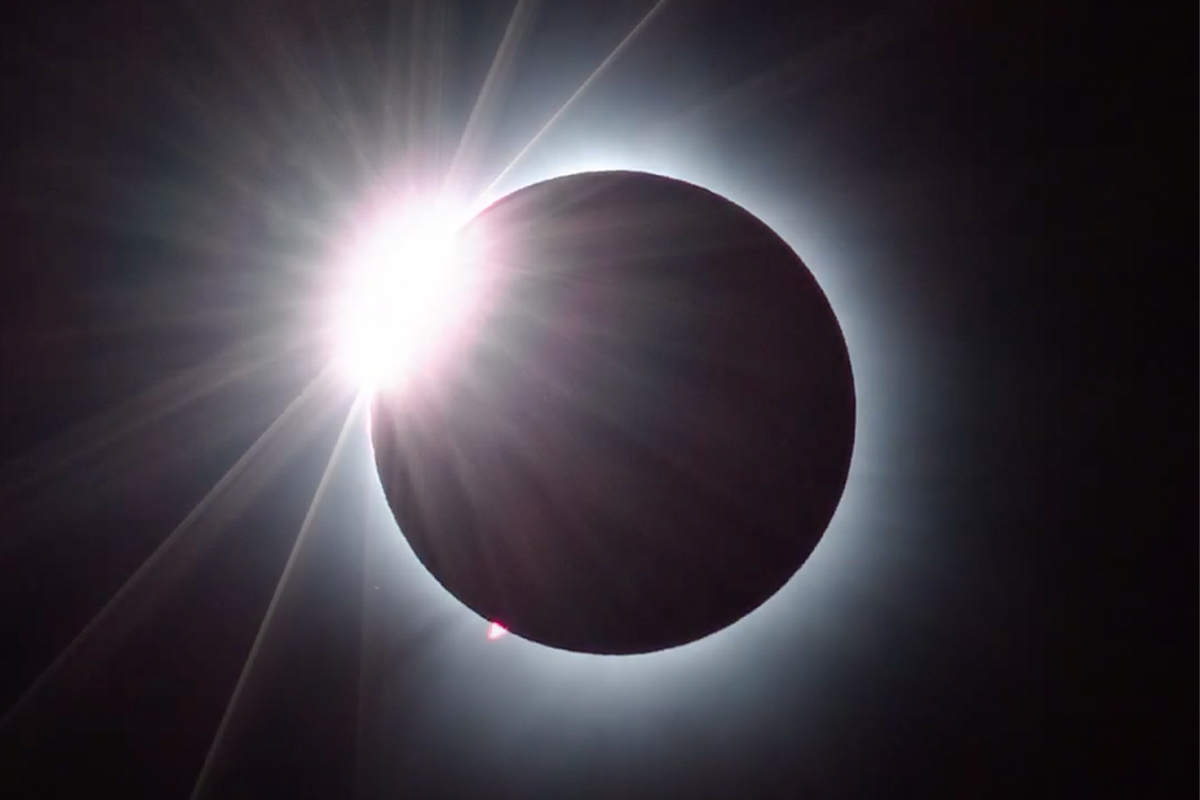
In northern Spain, western Iceland and eastern Greenland, totality will transform the landscape.
Temperatures will fall, Jupiter, Venus and Mercury will appear, and the solar corona will become visible around the moon’s silhouette.
Much of Europe will experience a deep partial solar eclipse that lacks totality but features a noticeable drop in light levels and temperatures.
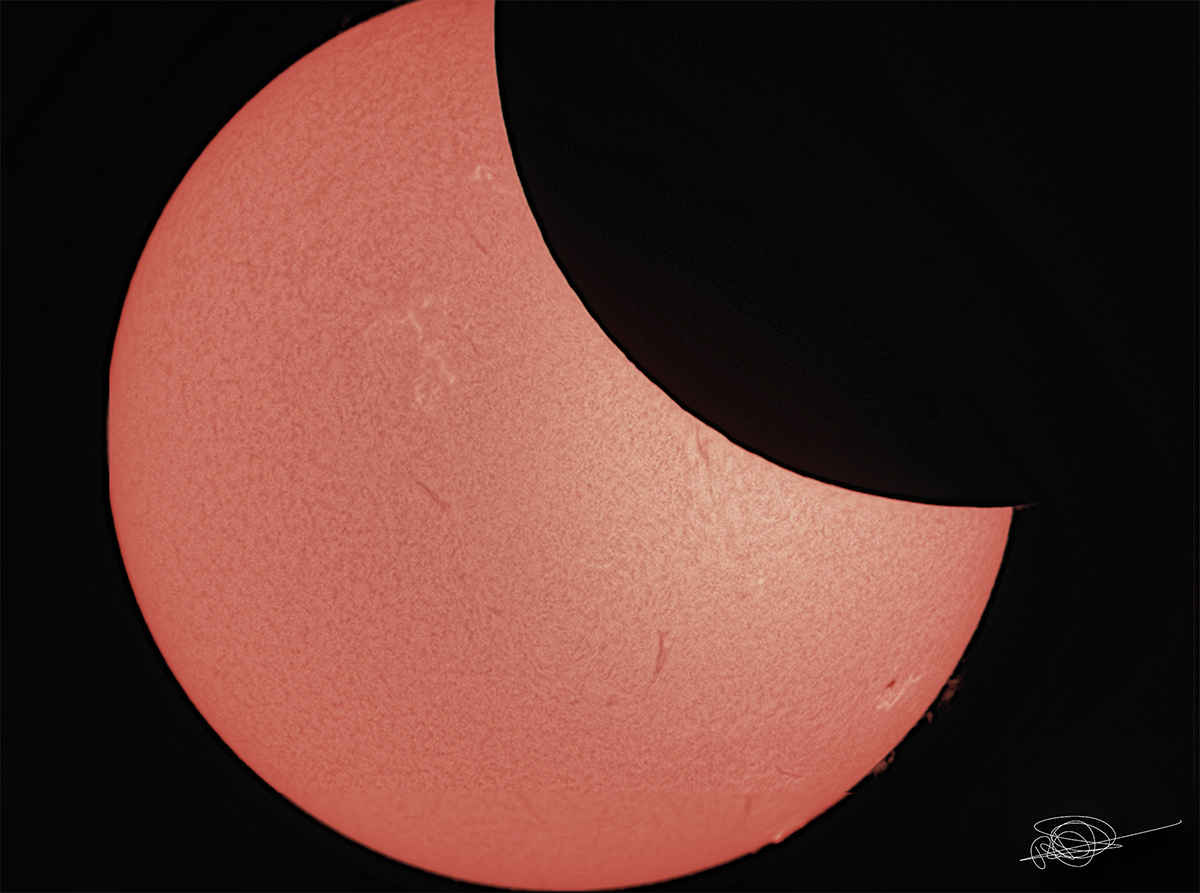
In North America, the Sun will never be covered by more than 56% in populated regions (though it reaches 94% in the remote Qikiqtaaluk region of Nunavut, Canada, near Greenland), and in most locations, by much less.
At all times during the eclipse, proper solar filters or eclipse glasses will be required.
That may sound disappointing, but despite being less dramatic, small partial eclipses have their own attractions.
You can still watch the moon gradually move across the face of the sun through eclipse glasses and see the lunar silhouette gradually obscure sunspots, if you use binoculars fitted with certified solar filters.
In other words, the August 12, 2026 solar eclipse is still a remarkable astronomical event worth observing.
Atlantic Canada to get the best view
In populated areas of North America, this eclipse will be at its deepest as seen from Atlantic Canada during the late afternoon and early evening — solely because it’s closest to the path of totality in Europe.
Over half of the Sun will be covered from some locations in Newfoundland and Labrador, while New Brunswick, Nova Scotia and Prince Edward Island will also see a substantial partial eclipse.
The further west you travel, the smaller the eclipse becomes.
Parts of Quebec and Maine will still see a noticeable bite taken out of the Sun, while observers farther south and west will experience a more modest event.
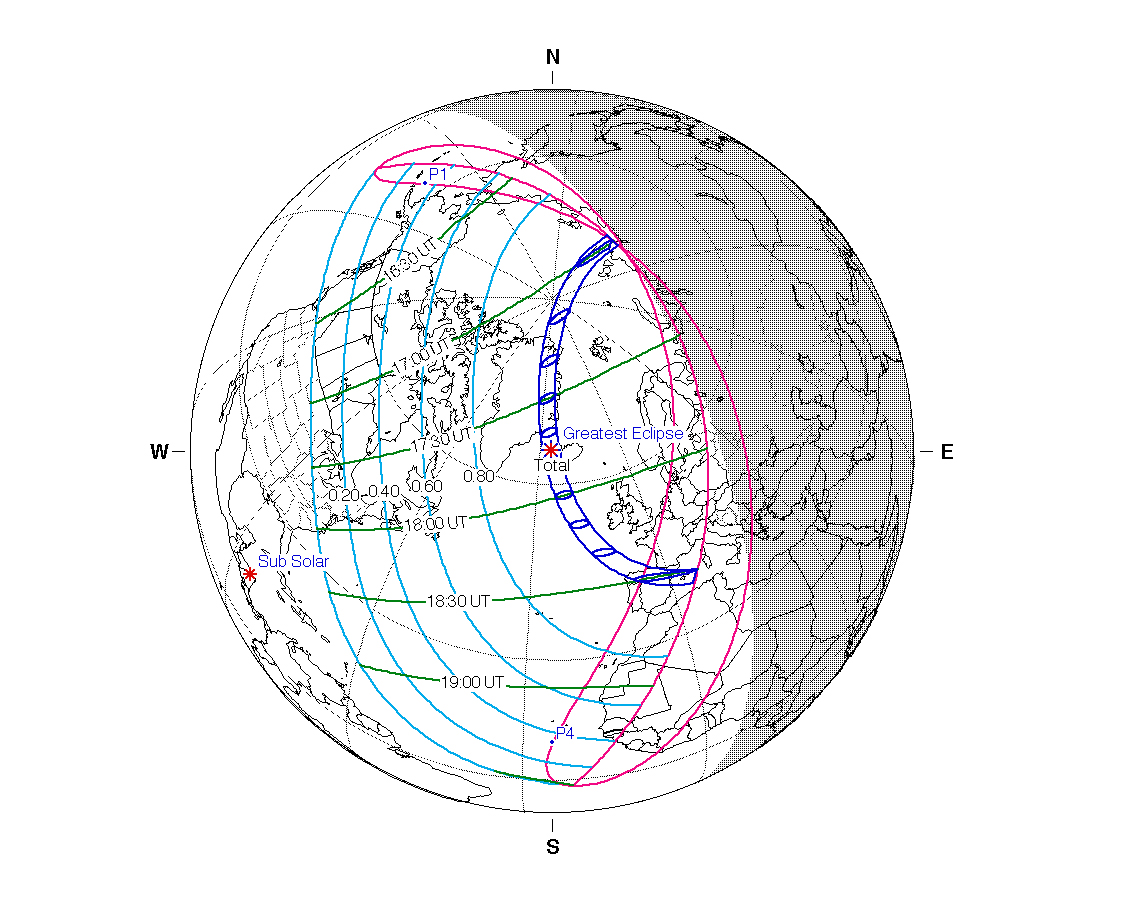
Where the August 12 solar eclipse will be visible in North America
Technically speaking, every Canadian province and about half of the U.S. states will see something of this eclipse, but mostly only a tiny percentage of the Sun will be covered by the Moon.
A partial solar eclipse isn’t normally something to travel far for, but only those east of mid-Ontario in Canada and northeast of a line between New York City and Rochester in Upstate New York in the U.S. will see more than 10% of the Sun blocked by the Moon.
For most observers, the best strategy is simply to find a location with clear weather and an unobstructed view of the sky and enjoy whatever celestial mechanics bring you.
Here are some example locations in Canada and the U.S. according to TimeAndDate.com.
| Region | City | State/province | Max. | Time |
|---|---|---|---|---|
| Eastern Canada | Ottawa | Ontario | 15% | 13:42 EDT |
| Montréal | Quebec | 18% | 13:45 EDT | |
| Québec City | Quebec | 24% | 13:46 EDT | |
| Saint John | New Brunswick | 28% | 14:55 ADT | |
| Halifax | Nova Scotia | 31% | 15:00 ADT | |
| St. John’s | Newfoundland and Labrador | 53% | 15:35 NDT | |
| Northeast US | New York City | New York | 9% | 13:54 EDT |
| Rochester | New York | 9% | 13:43 EDT | |
| Boston | Massachusetts | 16% | 13:55 EDT | |
| Burlington | Vermont | 17% | 13:48 EDT | |
| Acadia National Park | Maine | 23% | 13:54 EDT | |
| Caribou/Presque Isle | Maine | 29% | 13:50 EDT |
The eclipse is only half the story
One reason August 12, 2026, deserves special attention from North American skywatchers – apart from the solar eclipse – is what happens after sunset.
Later that same night, the annual Perseid meteor shower reaches its peak in perfect conditions.
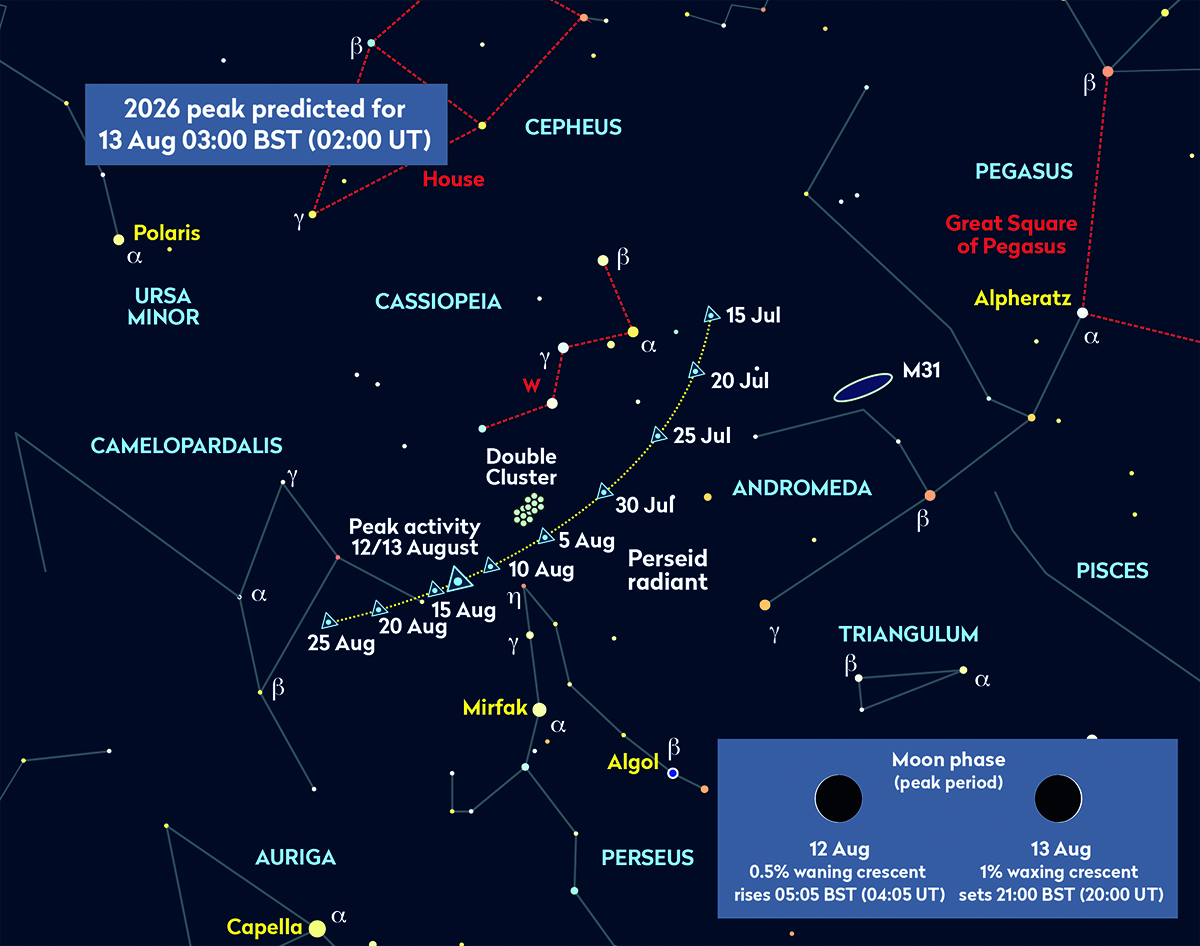
Instead of treating the eclipse as an individual event, make a plan to camp out at a dark-sky site, getting there in time for the eclipse, then relax and wait for the Perseids.
For anyone with even a passing interest in astronomy, it’s surely one of the most exciting twin observing opportunities of the year.
Warning: Eclipse glasses that comply with the ISO 12312-2 standard should be used whenever looking directly at the sun, whether it’s partially eclipsed or not. The same applies to binoculars, cameras and telescopes, all of which require secure front-mounted solar filters.
For more info read our guide on how to make sure your eclipse glasses are safe.
If you observe or photograph the solar eclipse, share your images with us by emailing contactus@skyatnightmagazine.com