
A team of astronomers say they've uncovered the strongest evidence yet that star Betelgeuse has a companion star orbiting it.
Betelgeuse forms the shoulder of the constellation Orion, the Hunter, and is a massive red supergiant star that's approaching the end of its life.
That means it could potentially explode as a supernova any time soon.
More amazing images from the VLT
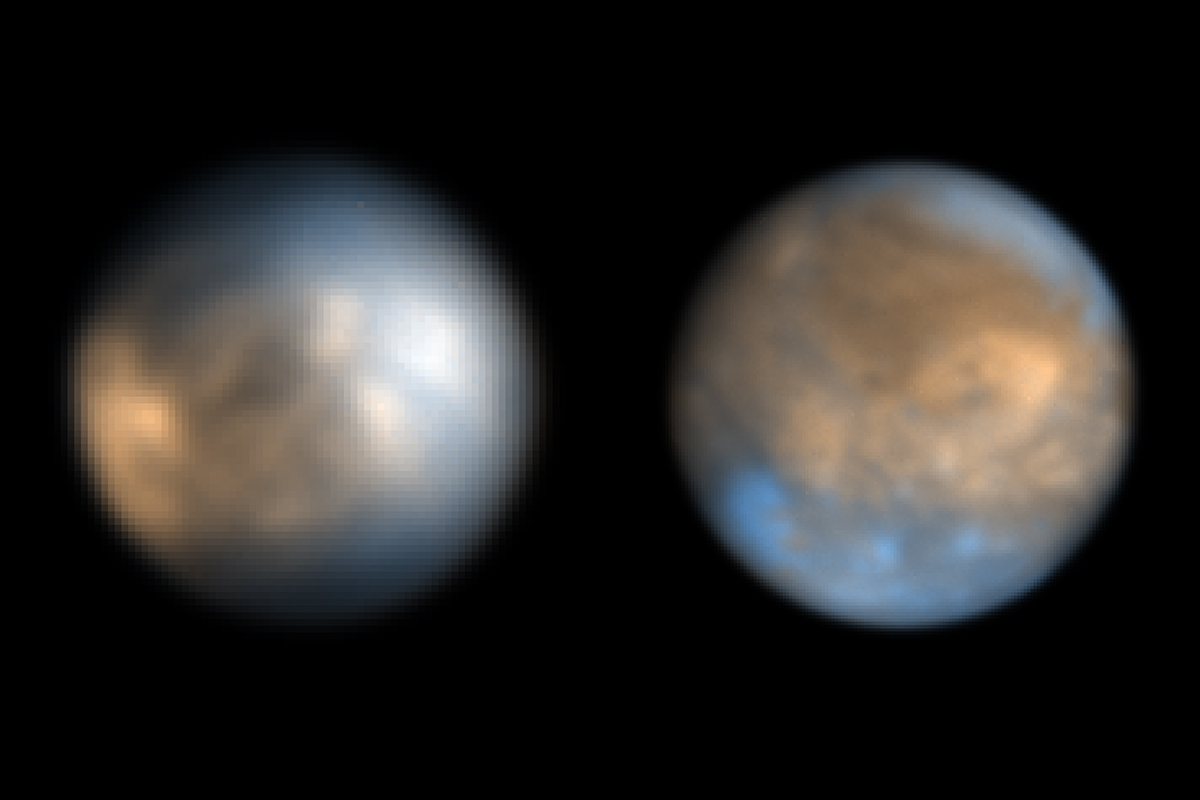
Betelgeuse is easily visible with the naked eye when Orion is prominent in the sky during the winter months.
Astronomers had previously found evidence that Betelgeuse has a companion star, but this latest study claims to be the most conclusive evidence of Betelgeuse B to date.
Searching for Betelgeuse B
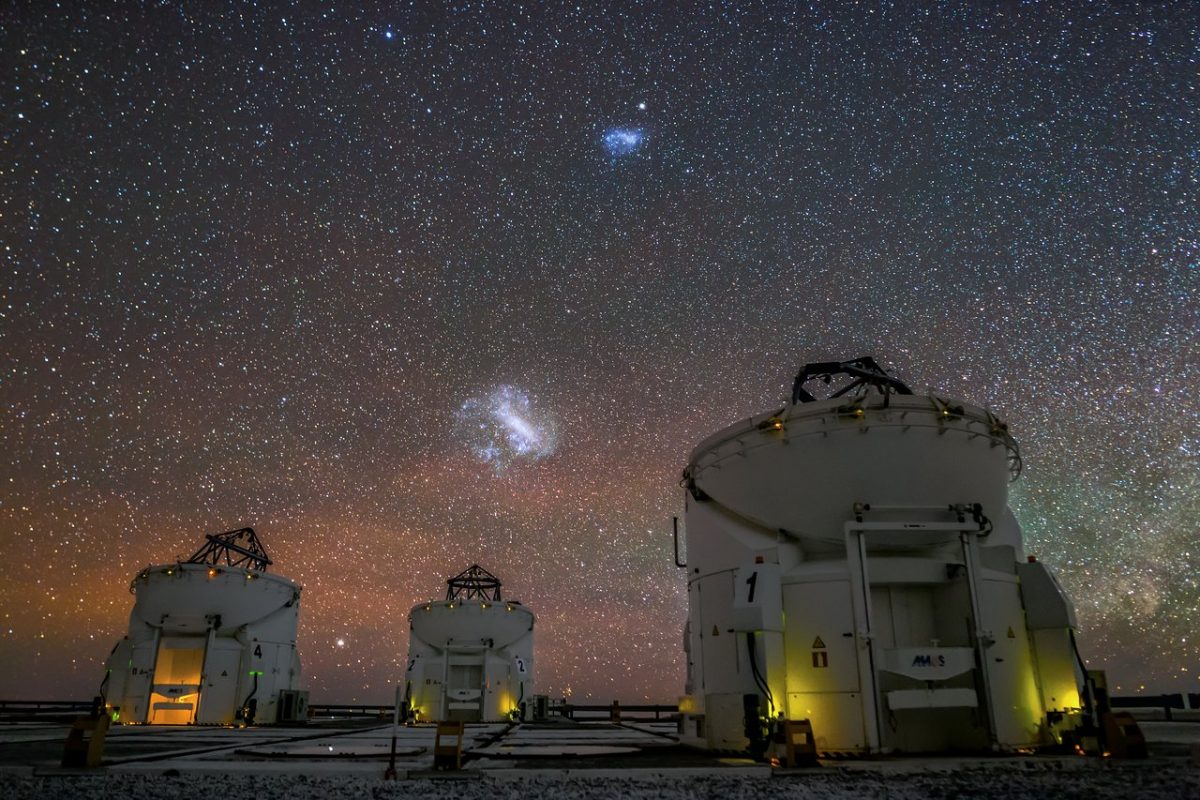
A team of astronomers made the discovery using the European Southern Observatory's Very Large Telescope, which is located under the dark skies of Chile's Atacama Desert.
They say they've captured the clearest image yet of what likely is Betelgeuse B, the star orbiting Betelgeuse.
"This is the conclusion of a century-long quest," says Miguel Montargès, lead author of the study.
"We have shown that Betelgeuse is not single, it is accompanied by a faint stellar companion. I jumped from my chair when I saw the processed images."
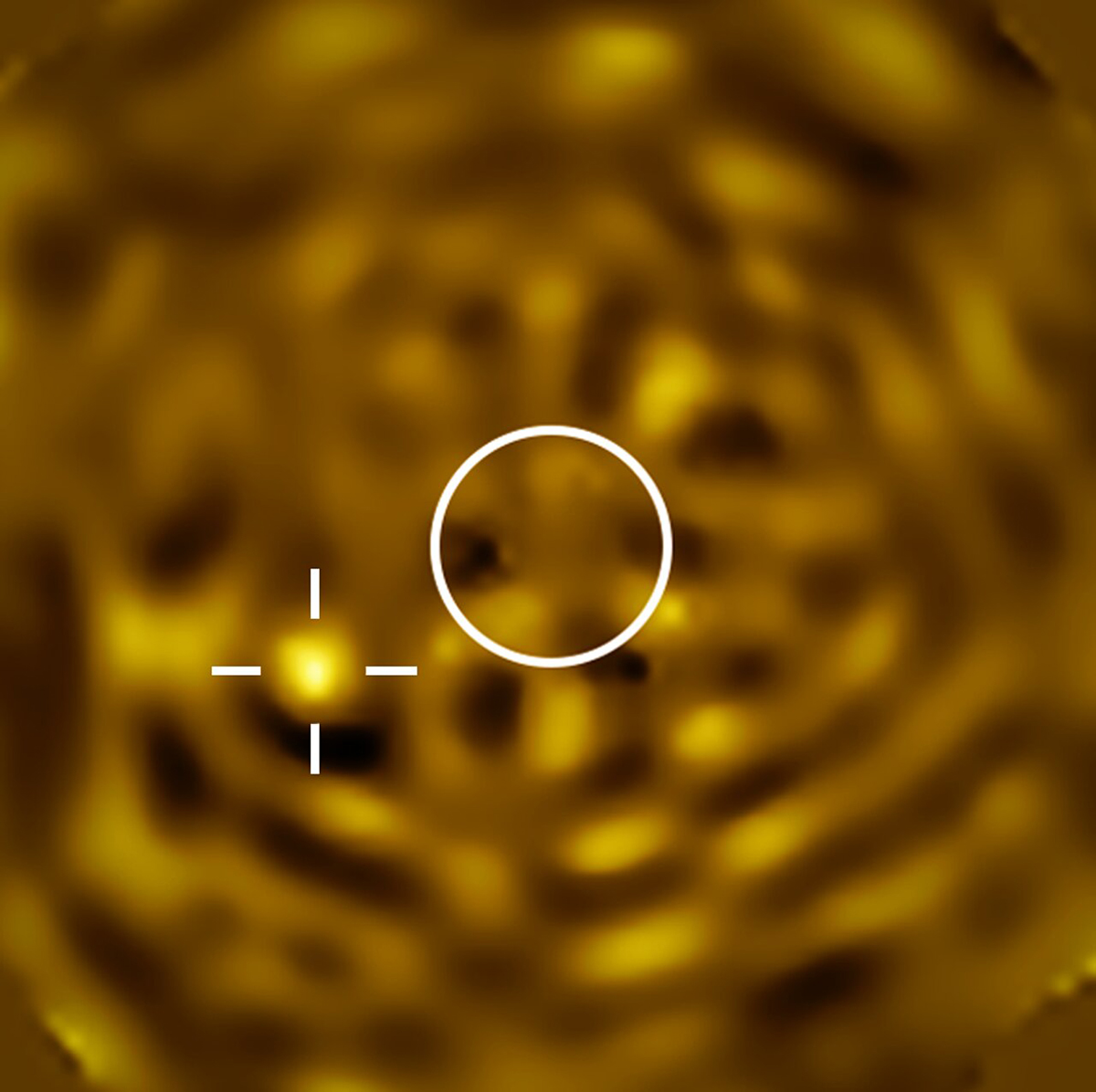
Astronomers have been looking for Betelgeuse B for around a century, and it was even suggested as a reason for Betelgeuse's change in brightness a few years ago.
It had been predicted that in December 2024, Betelgeuse's hypothetical companion would be furthest from Betelgeuse and easier to spot.
That gave the team the deadline they needed to start observing the star and begin processing the data.
What's Betelgeuse B like?
"Honestly, I thought we did not have the sensitivity to detect Betelgeuse B as it was predicted," explains Montargès.
"Because it is more massive than predicted, we see it!"
Betelgeuse B was originally thought to be about as massive as the Sun, but these new observations suggest it's two to three times as massive as the Sun.
"The fact that we can still discover a nearby companion, more massive and brighter than the Sun, around such a well-studied star is remarkable," says Montargès.
"These are among the best moments in science: seeing something new, unexpected."
The discovery follows the potential detection of Betelgeuse B with Gemini North Telescope in Hawaiʻi, USA, in 2025.
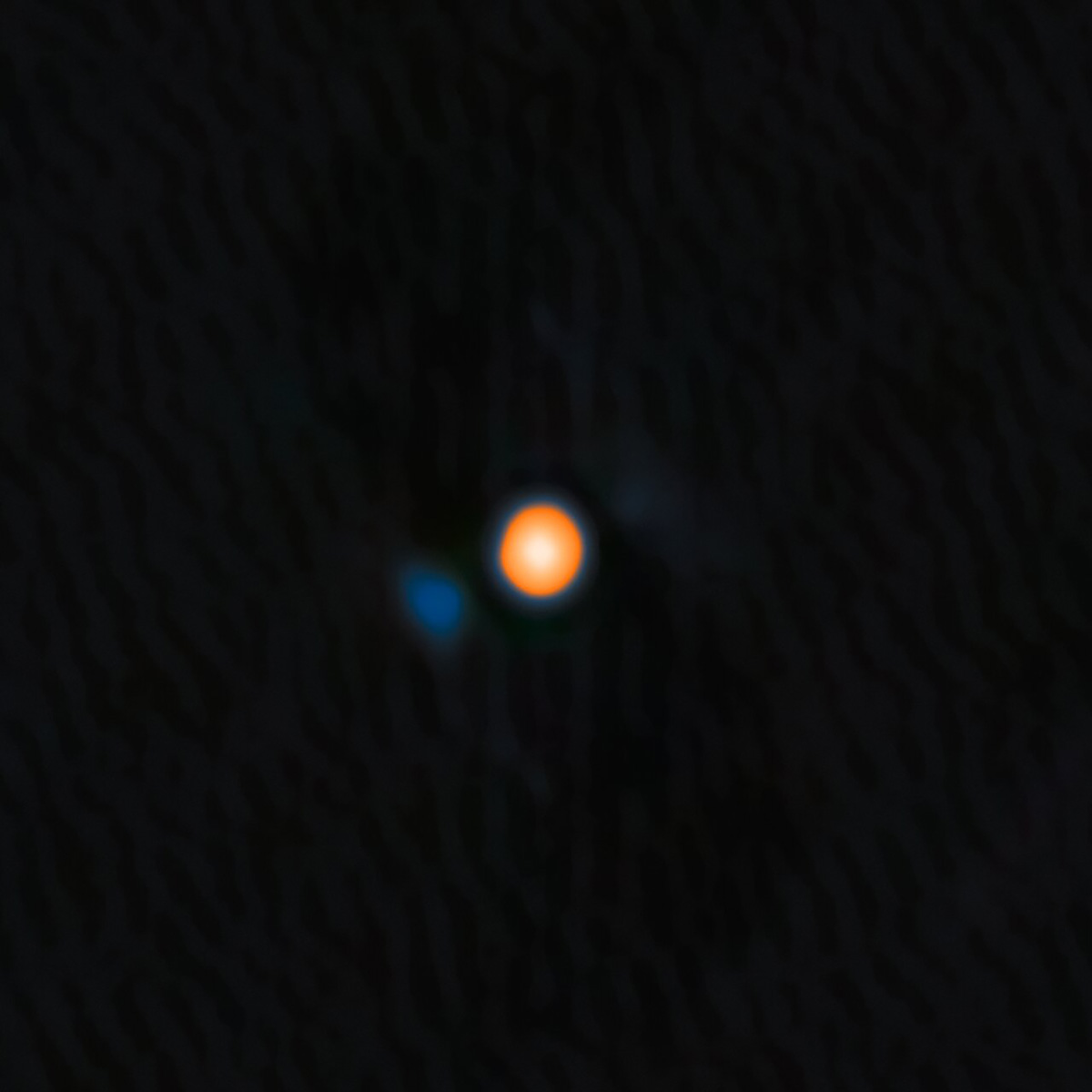
In the case of this new study, Betelgeuse B was directly imaged – i.e. light from the star was directly detected – using the SPHERE instrument on the Very Large Telescope.
"It is remarkable to see how SPHERE and advanced post-processing techniques, originally developed to find exoplanets, also excel at detecting a companion around a massive, evolved star like Betelgeuse," says co-author Anthony Boccaletti.
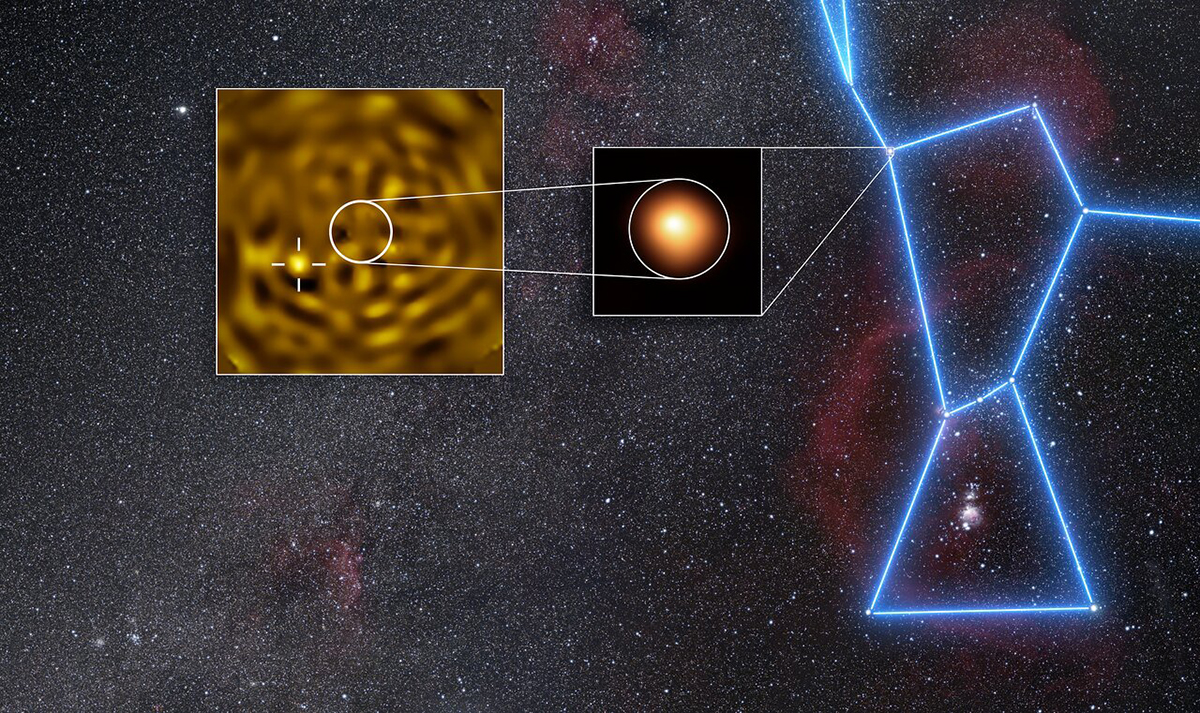
"To be certain that the companion is really there, we still need to observe it in one year on the other side of the star, but there is very little space left for doubt," says Montargès.
Now, astronomers need to work out how the presence of Betelgeuse B could affect its potential explosion as a supernova.
"The question is truly opened whether this companion is going to have an impact on the evolution of the red supergiant," says Montargès.

