Astrobiologists have proposed that NASA’s historic Viking missions may have detected signs of life on Mars in 1976, only for a key chemical signal to be mistakenly written off as terrestrial contamination.
The provocative claim, published in the journal Astrobiology, hinges on a misreading of Martian soil chemistry and reignites debate as the search for life accelerates with new missions.
More on Mars

The Viking landers carried four biology experiments designed to detect microbial metabolism in Martian soil.
Two produced results that some researchers interpret as consistent with living organisms reacting to added nutrients.
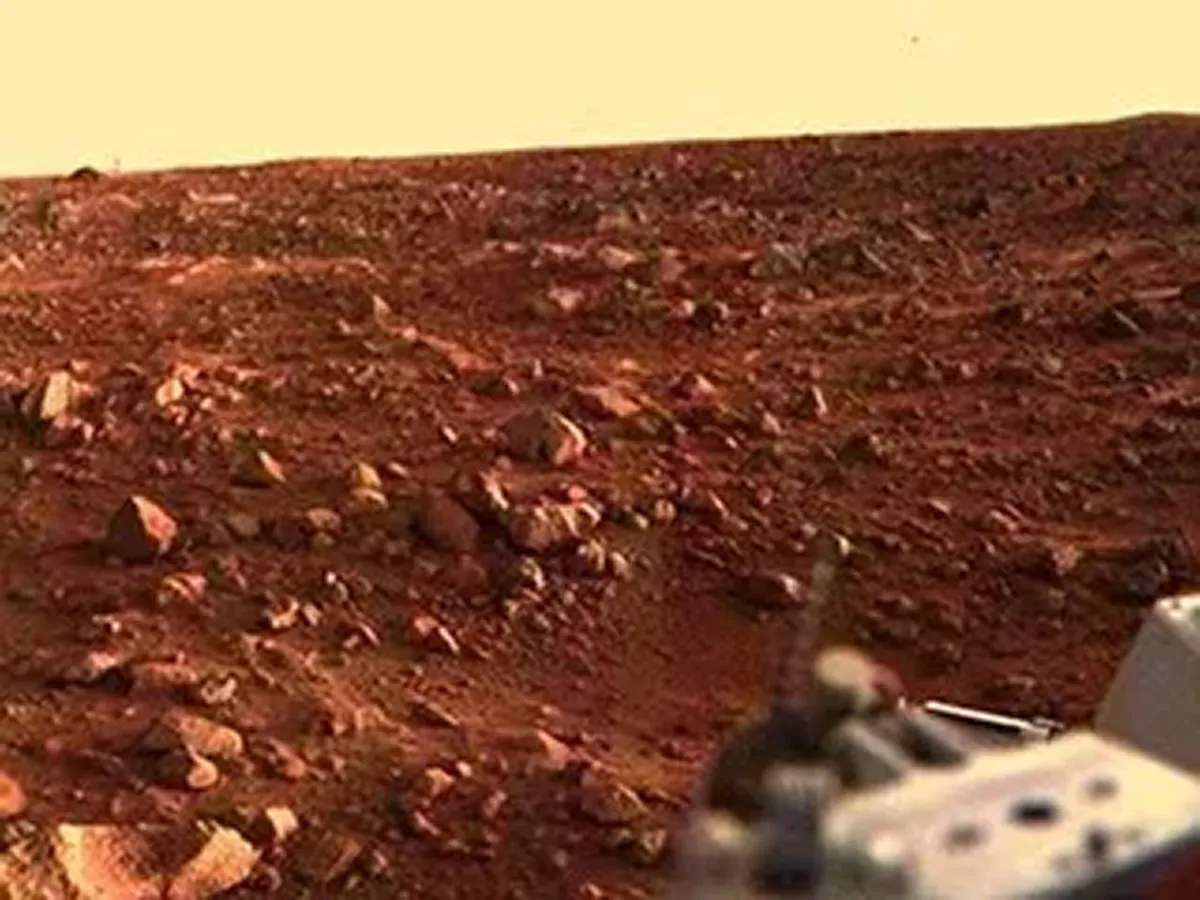
NASA/JPL/LaRC
However, the Viking team concluded that the results were abiotic, after the onboard Gas Chromatograph– Mass Spectrometer (GC–MS) failed to detect organic molecules.
The debate shifted dramatically in 2008, when NASA’s Phoenix lander discovered perchlorate salts in Martian soil.
Perchlorates are powerful oxidising agents that, when heated, break down organic material into compounds such as chloromethane and dichloromethane – the very compounds that Viking’s GC–MS instrument detected more than 30 years earlier.

However, because these chemicals are often used to clean laboratory equipment, they were dismissed as terrestrial contaminants brought from Earth.
If perchlorate was in the samples when they were heated, any organic matter present could have been transformed by the chemistry of the soil before the instrument could detect it.

Critics caution that chemical oxidants, not biology, likely explain the Viking signals, but whether Viking’s data shows biology or not, researchers emphasise one point: the results remain unresolved.
As NASA’s Perseverance rover gathers fresh samples for future Mars sample-return missions to retrieve, a deeper understanding of Viking’s legacy may shape how we interpret evidence of life – past or present – on the Red Planet.
The Viking mission's best images
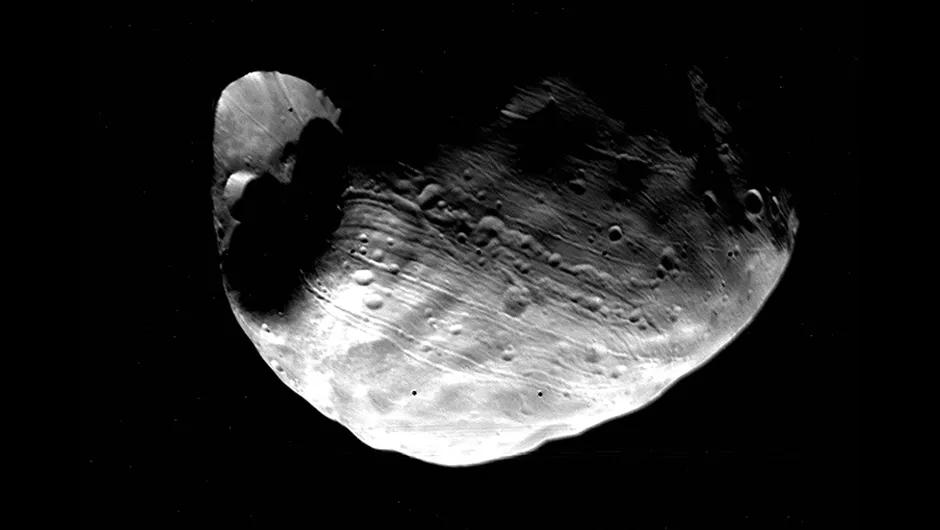
Credit: NASA

Credit: NASA/JPL

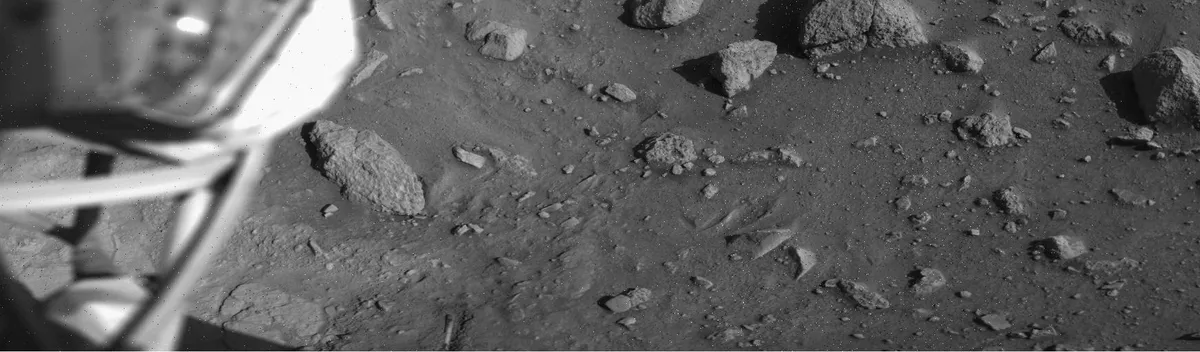

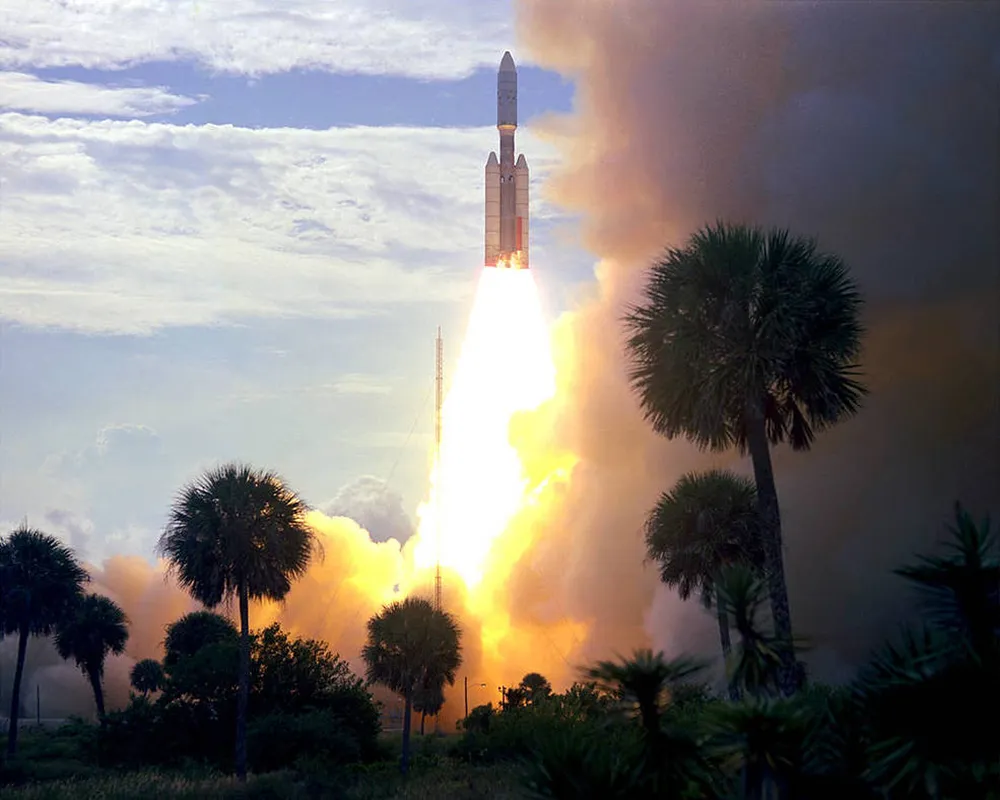

NASA/JPL/LaRC