
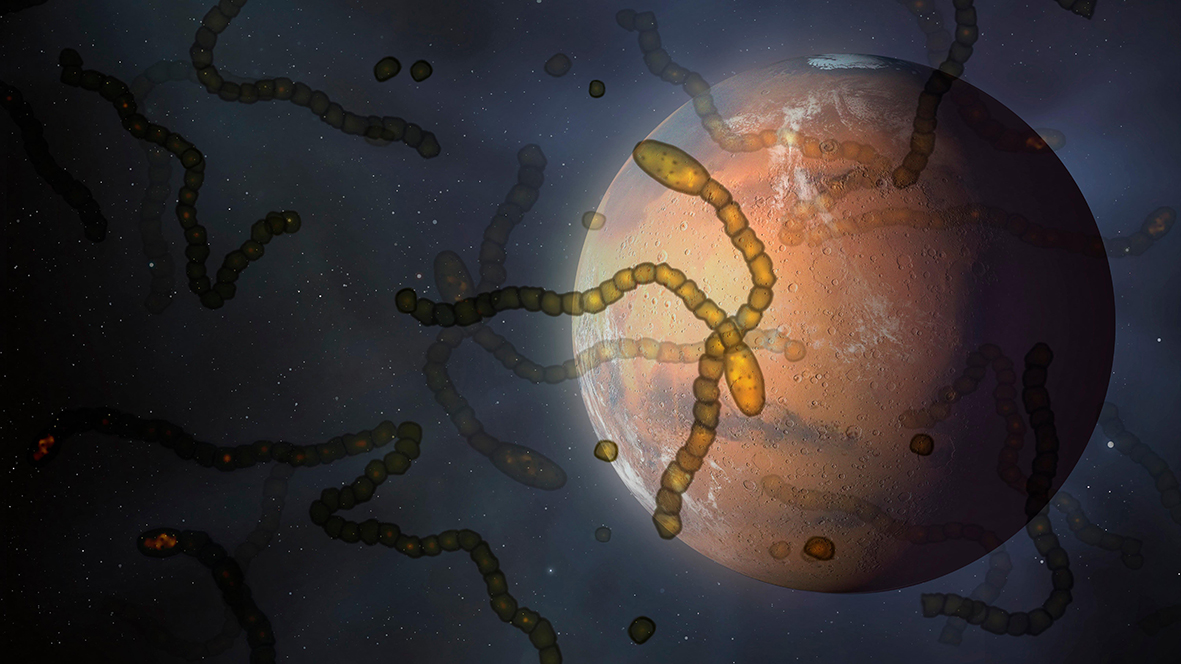
A study suggests that microscopic life blasted off Earth by asteroid impacts could have reached Venus’s atmosphere over billions of years – raising the possibility that any life in Venus’s clouds may not necessarily have originated there.
Researchers stress, however, that the idea is theoretical and not evidence that life exists on Venus.
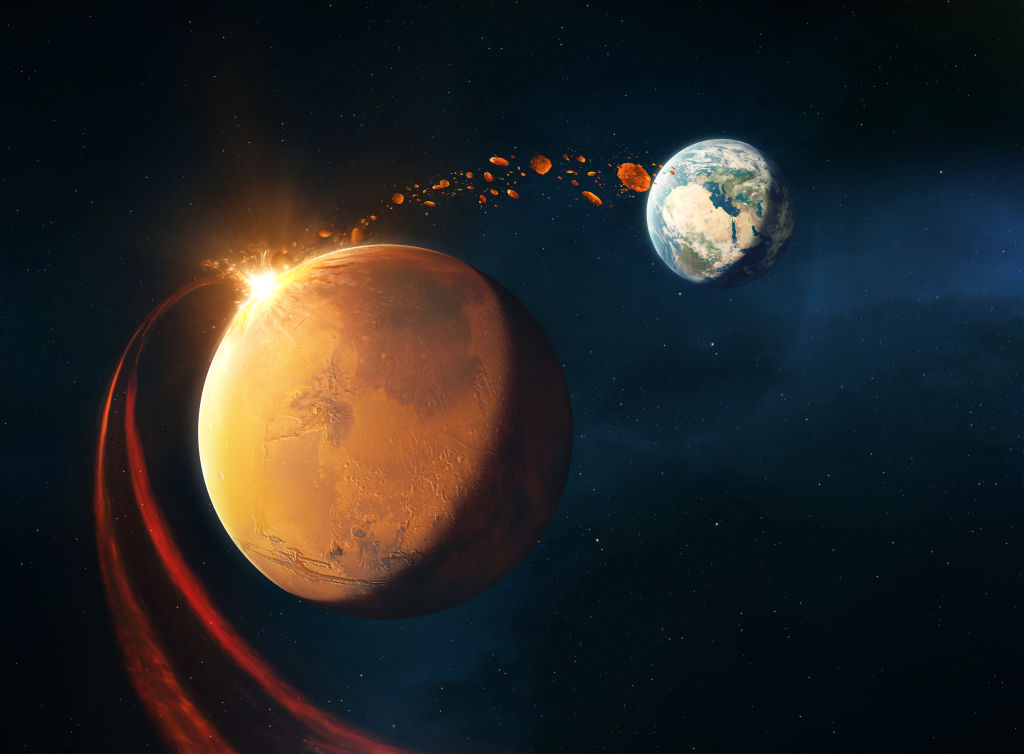
The study, led by researchers at the Johns Hopkins University Applied Physics Laboratory and Sandia National Laboratories, investigated a form of lithopanspermia – the hypothesis that life can be transferred naturally between planets on rocks ejected by large impacts.
More amazing Chandra observations
Using computer models, the team estimated how often Earth material could be launched into space, survive the journey to Venus and remain viable after entering the planet’s atmosphere.
The researchers modelled how meteoroids ejected from Earth would behave on entering Venus’s atmosphere using the ‘pancake model’, which describes how meteors fragment and disperse horizontally after an explosive atmospheric airburst.
Their results suggest around 100 microbial cells could reach Venus’s temperate cloud layer each year, amounting to roughly 20 billion cells over the past billion years.
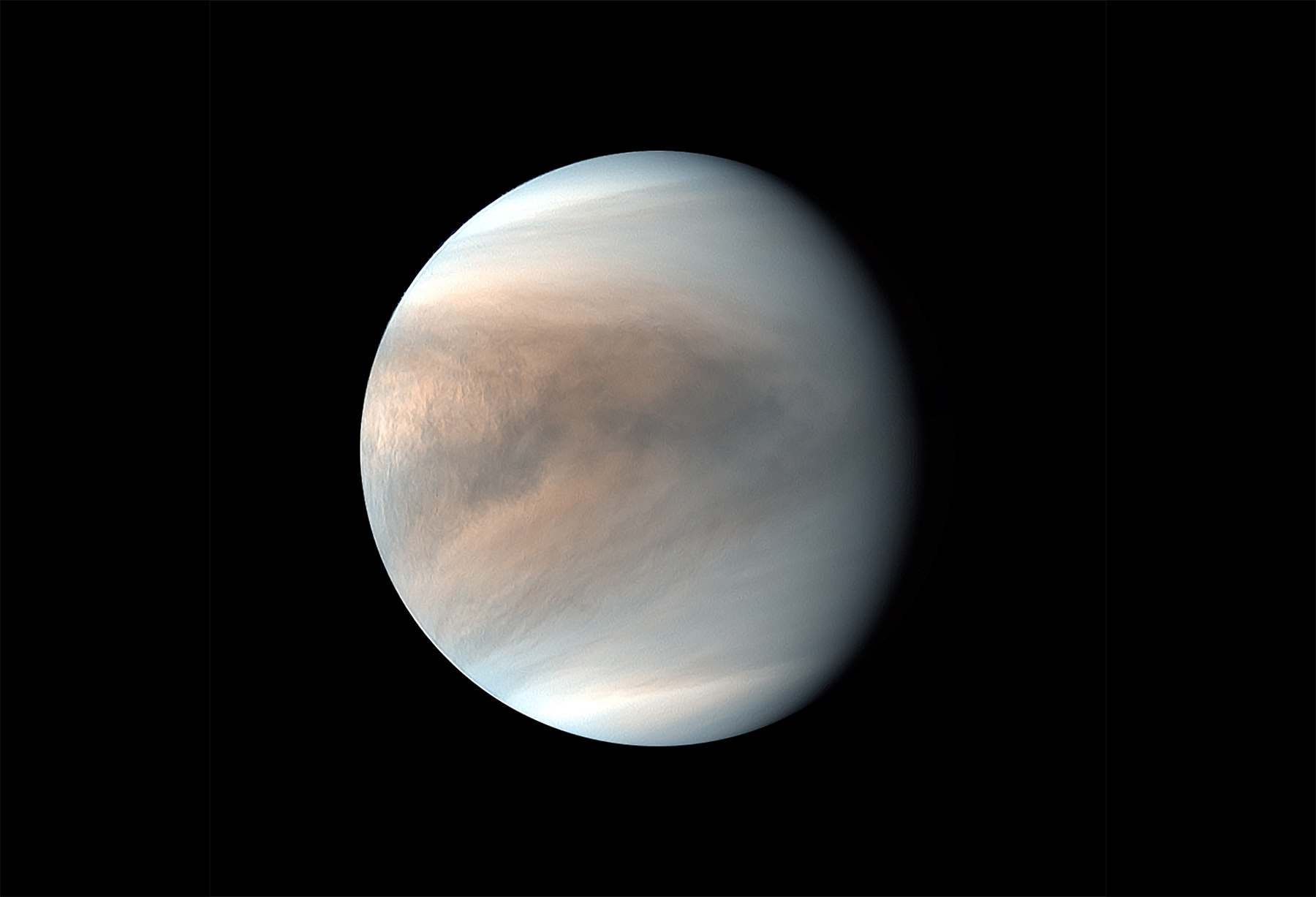
The focus on Venus’s cloud deck stems from the comparatively mild conditions 50–65km (30–40 miles) above the surface, despite the clouds’ extreme acidity.
The study builds on decades of research into panspermia, but many unknowns remain.
The model relies on extrapolations for its estimates of impact frequencies, microbial survival in space, atmospheric entry and the hostile chemistry of Venus’s clouds.
The authors acknowledge these uncertainties, describing their calculations as a framework for assessing what is physically possible rather than evidence that the process actually occurs.
The research arrives as interest in Venus continues to grow ahead of a new generation of missions that plan to visit, including NASA’s DAVINCI and VERITAS spacecraft and ESA’s Envision orbiter, all of which aim to shed new light on our enigmatic neighbour.

