
Planetary scientists say they've taken a step closer to solving the mystery of where the material that formed Earth comes from.
While Earth resides in the inner Solar System with Mercury, Venus and Mars, it's been proposed that up to 40% of the material that formed our planet came from the outer reaches, beyond the orbit of Jupiter.
More on planet Earth

But a new study looking at the chemistry of meteorites has found that Earth is likely made entirely from the inner Solar System.
In particular, Earth's make-up is strikingly similar to that of Mars and Vesta, one of the biggest objects in the asteroid belt.

Meteorites – time capsules from space
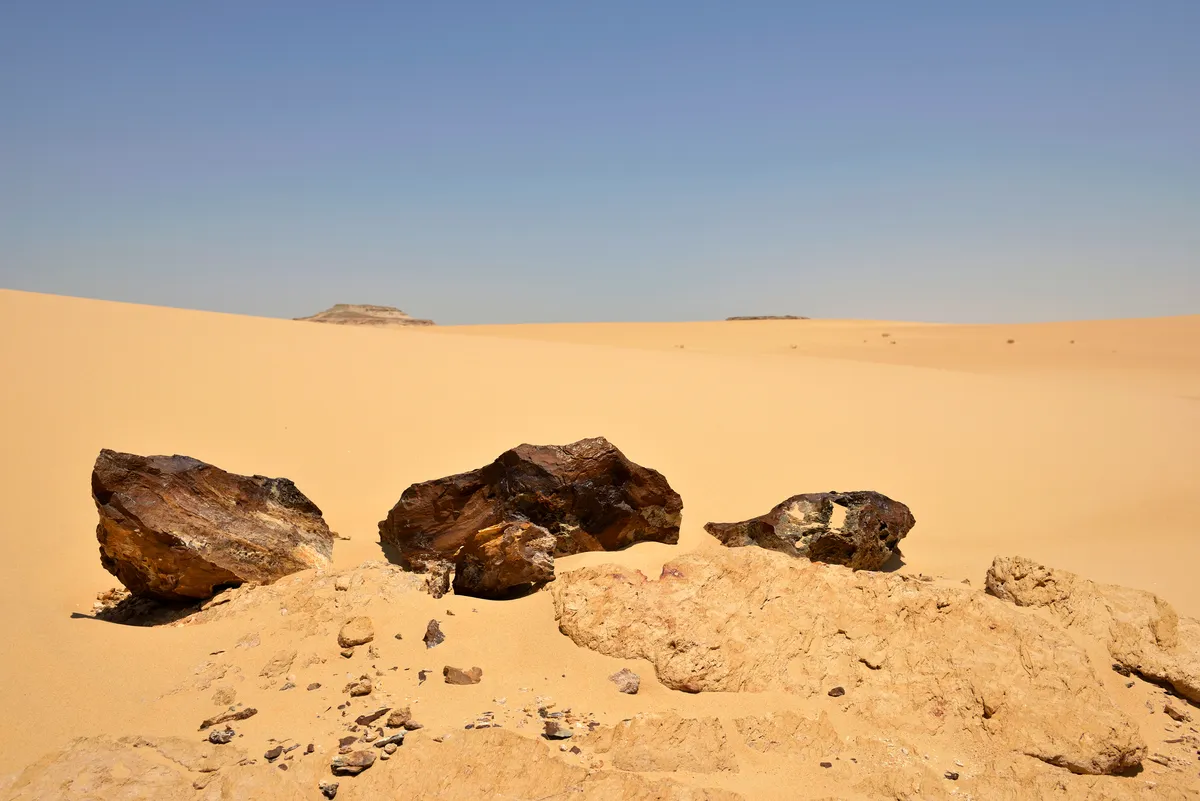
Meteorites are rocks from space that have fallen to Earth.
They're pieces of material left over from the formation of the Solar System and, as a result, act as vital clues telling scientists both how the Solar System formed and what it was like in its early days.
In order to solve the mystery of the material that formed Earth, scientists from the Swiss university ETH Zürich looked at the chemistry of a range of meteorites, including those form Mars and Vesta, with those of Earth.
Planetary scientists Paolo Sossi and Dan Bower compared data on the isotopic ratios of the meteorites.
Isotopes are atoms of the same element that have a different number of neutrons. They can be used by scientists to work out where in the Solar System different celestial bodies originated.
In this new study, the researchers analysed the data and found the material that makes up Earth comes entirely from the inner region of the Solar System.
They found material from the outer Solar System makes up less than 2% of Earth's mass, or perhaps even nothing at all.
"Our calculations make it clear: the building material of the Earth originates from a single material reservoir," says Sossi.
"We were truly astonished to find that the Earth is composed entirely of material from the inner Solar System distinct from any combination of existing meteorites," says Bower.
"Our studies are actually data science experiments," says Sossi. "We carried out statistical calculations that are rarely used in geochemistry, even though they are a powerful tool."
The study found Earth is composed entirely of non-carbonaceous material, and that there's no evidence that our planet is a combination of materials from the outer and inner Solar System.
That means, according to the study, Earth grew within a relatively static system within the dusty disc of debris around our young Sun.
What's more, it could mean volatile elements water were already been present in the inner Solar System.
Jupiter – gatekeeper of the Solar System
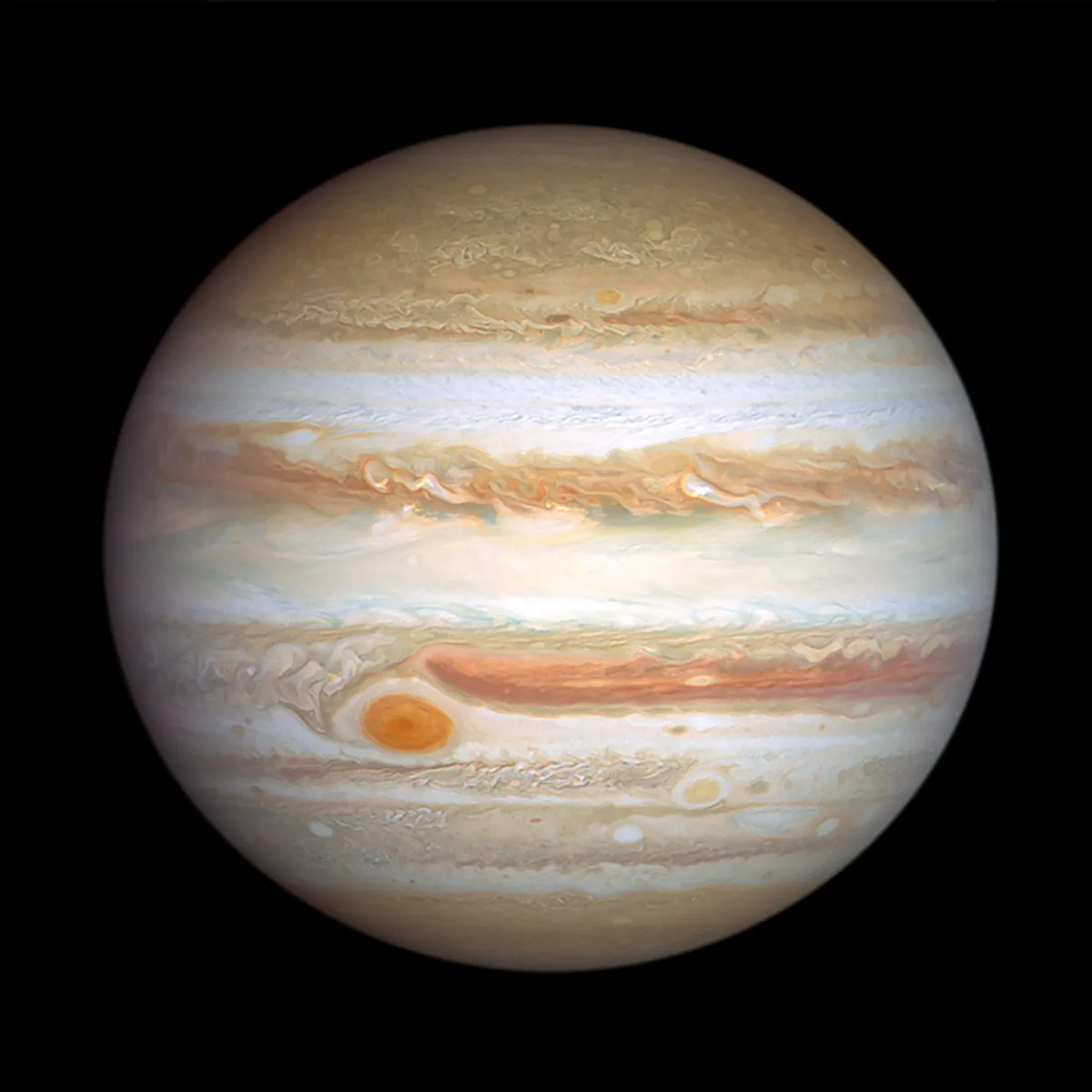
Jupiter's influence on shaping our Solar System is well known.
As the biggest planet orbiting the Sun, it's thought Jupiter's gravity sculpted and shaped the Solar System in the early days, including limiting the size of Mars and helping form the asteroid belt.
It's also thought that Jupiter helped split the young Solar System into two reservoirs of material.
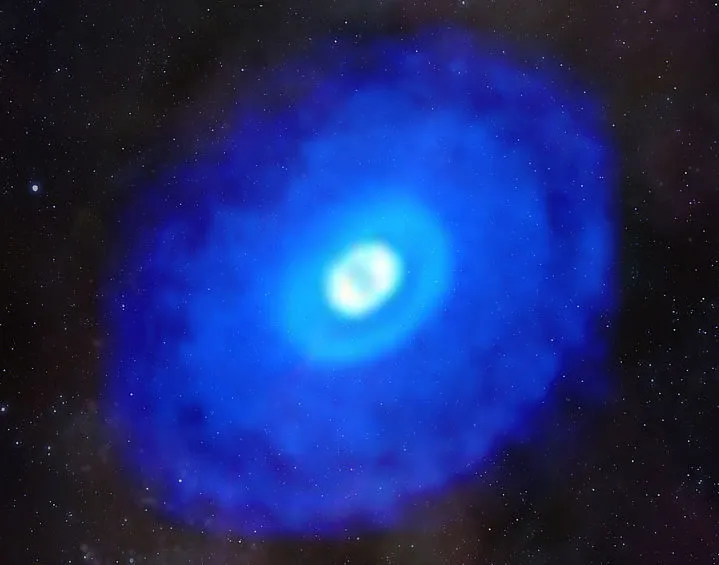
Jupiter tore a gap in the dusty disc surrounding the young Sun – out of which the planets formed – preventing a mixture of outer Solar System material with that of the inner Solar System.
This new study shows, according to the authors, that almost no material from beyond Jupiter flowed towards Earth.
"Our calculations are very robust and rely solely on the data itself, not on physical assumptions, as these are not yet fully understood," Bower says.
The study says Earth's material composition is similar to that of Vesta and Mars, and that Venus and Mercury lie on the same line.
"Based on our analysis, we can theoretically predict the composition of these two planets," says Paolo Sossi. "Our results shed new light on the formation history of our Earth and the other rocky planets."
Now the team intend to investigate how there could have been enough water in the hot, inner Solar System to form Earth’s oceans, and what their results might tell us about the formation of planetary systems around distant stars.
"Dan and I will have to engage in many heated debates about the material composition of Earth and its neighbouring planets," says Sossi, "because the scientific discourse over the building blocks of Earth is far from over."
Read the full paper via Nature Astronomy

