The Sun has a greater influence on the planets and bodies of our Solar System than you might think.
A constant stream of charged particles flows off the Sun, known as the solar wind, that hits and deforms Earth’s magnetic field into a region called the magnetosphere.
SMILE (Solar wind Magnetosphere Ionosphere Link Explorer) is a joint mission between the European Space Agency and the Chinese Academy of Sciences, aiming to study the interaction between Earth’s magnetosphere and the Sun.
Scientists say the mission will aim to give us the first image of the magnetosphere using X-rays generated when the solar wind gets stopped by Earth’s magnetic field.
More on space weather

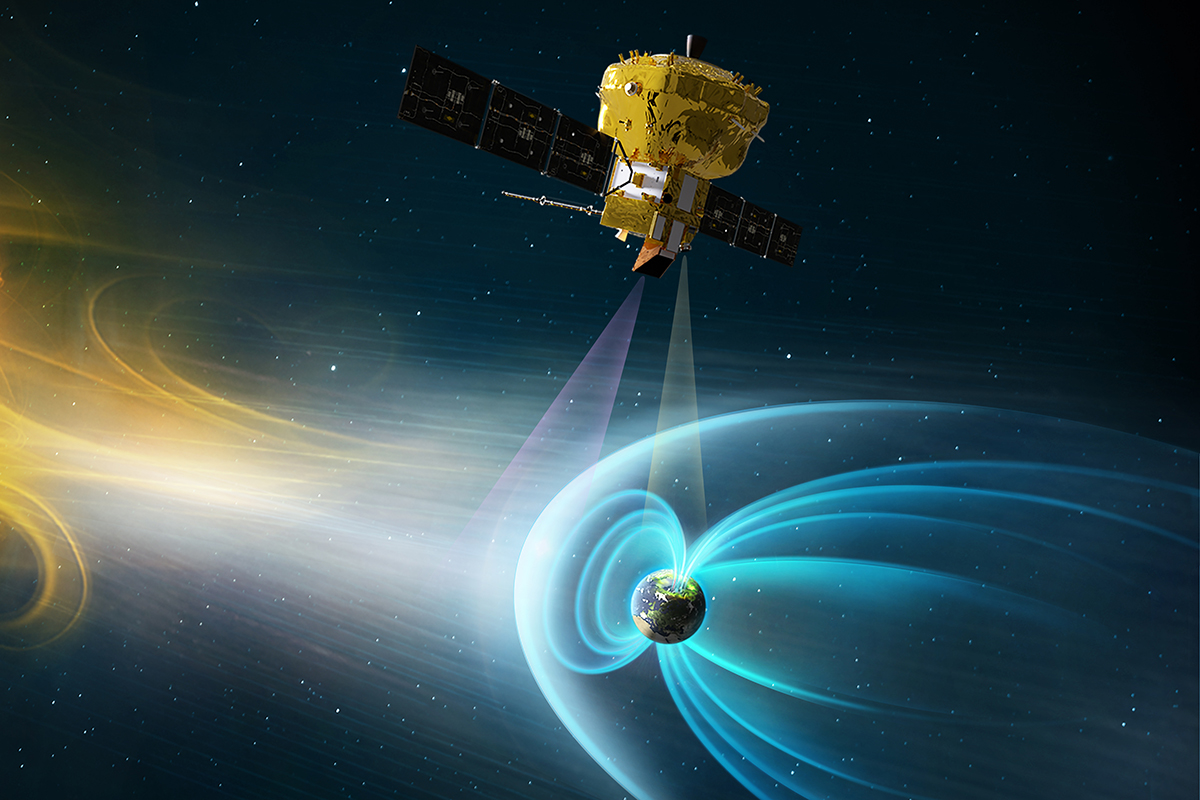
Until now, we’ve been able to ‘feel’ the magnetosphere, but we’ve never seen it.
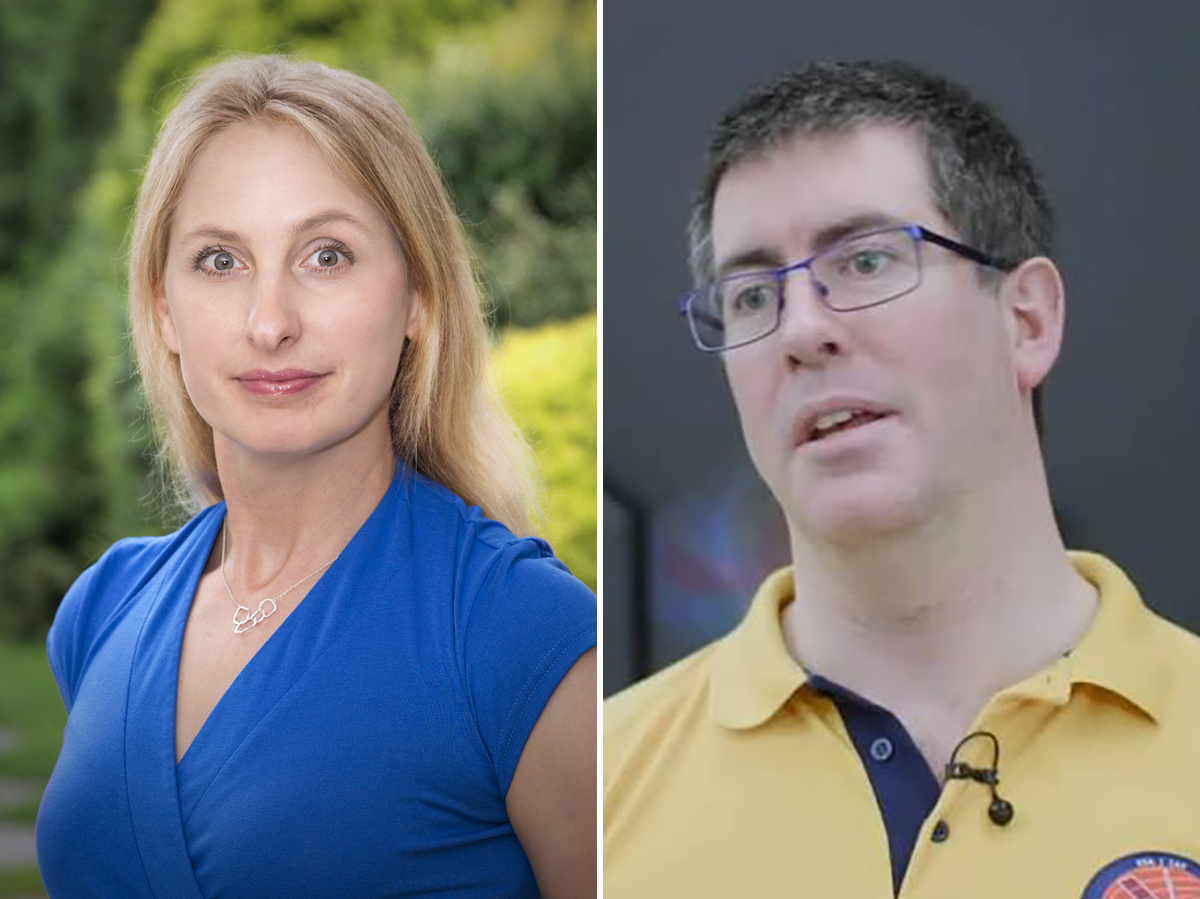
Jennifer Carter is the co-principal investigator for SMILE’s soft X-ray imager, based at Leicester University in the UK.
Colin Forsyth is co-principal investigator for the SMILE mission, based at University College London’s Mullard Space Science Laboratory, also in the UK.
We spoke to Jennifer and Colin to find out more about the mission and what discoveries it may make.
What are the main goals of SMILE?
Colin: Firstly, to understand how the solar wind and magnetosphere interact.
Secondly, to understand what we call substorms, explosive releases of energy in the magnetosphere that cause the aurorae to brighten.
Lastly, we want to understand what happens when Earth gets hit by coronal mass ejections.
These enormous eruptions on the Sun send matter through the solar wind in a sort of cohesive cloud.
When they hit Earth, they compress the magnetosphere, changing the space environment around us.
We want to understand how these go on to impact things on the ground or in space.

How does space weather affect Earth?
Colin: The range of effects is enormous.
Currents flowing in the upper atmosphere can induce currents in the ground that can then transfer energy into infrastructure like powerlines, railways and pipelines, and damage them.
In the 1980s, these currents caused a widespread blackout in Canada. You also get disruptions to communications and to spacecraft.
How long did SMILE take to build?
Jennifer: SMILE was selected by the agencies in 2015 and delivered in 2024.
The development cycle was compressed, with a planned turnaround of about six years. That’s really fast.
We then had to change some of the components, which took at least a year.
Covid was a big challenge. It hit just at the point where the instruments were starting to be built. It caused about a one-year delay.
What are the instruments on SMILE?
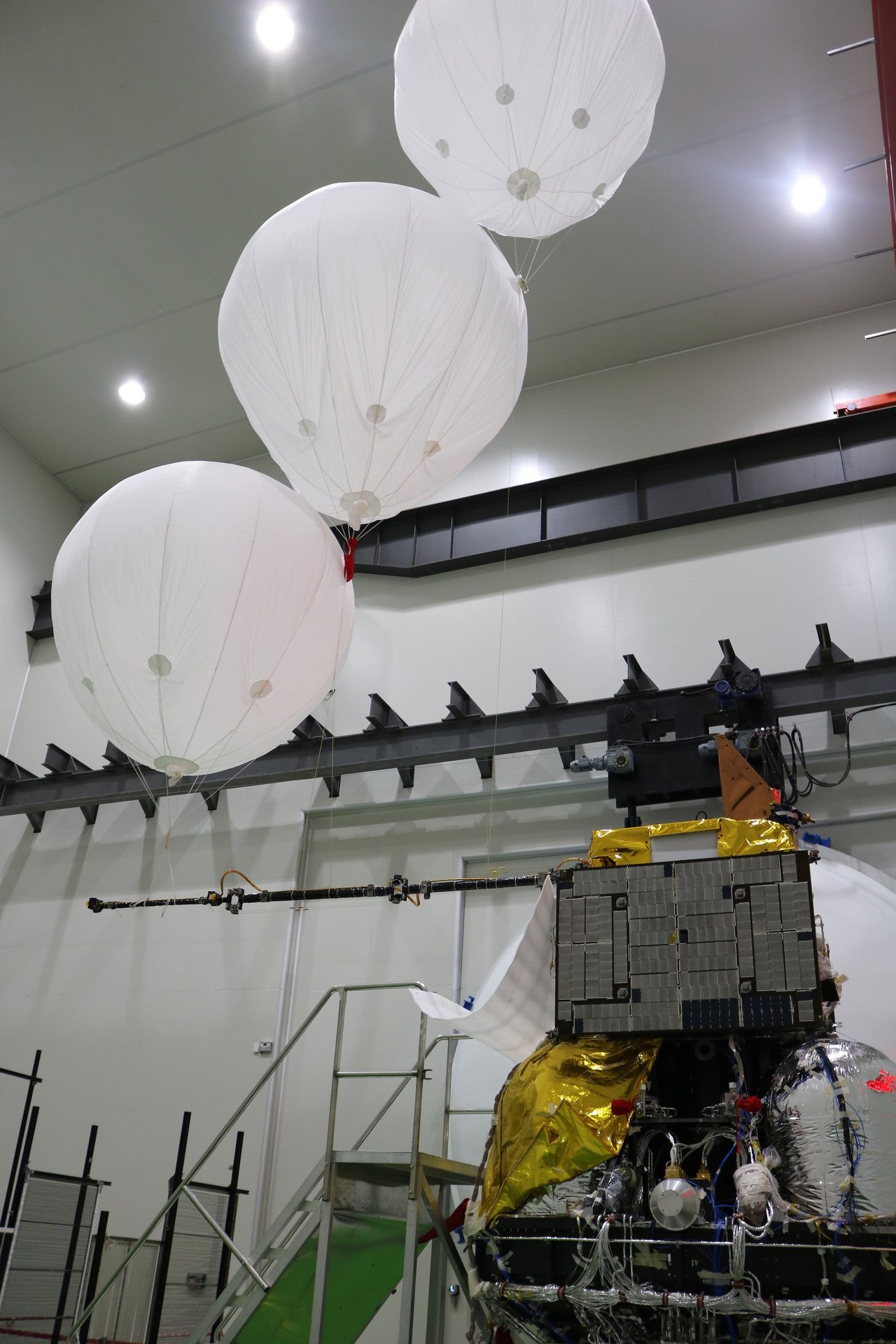
Jennifer: There’s the soft X-ray imager (SXI), an X-ray telescope which was UK-built and whose components come from across Europe.
There is an ultraviolet imager, which is going to be pointed back at aurorae in the Northern Hemisphere.
We also have two in-situ instruments. They’re going to measure the plasma and the magnetic field around the spacecraft. One is a magnetometer that’s on a 3-metre (10ft) boom.
What was the launch process like?
Jennifer: The launch was on 19 May 2026 in French Guiana. The launchpad was 15km (9 miles) away and we had a view of the rocket sticking up above the rainforest canopy.
As T-minus hit, the nerves came back. Then the whole sky lit up.
At first, we saw the glow and then it got bigger and started moving. It took time for the sound to travel to us; before that, it was effectively silent.
Then 45 seconds later, we heard and felt it, like a growl coming towards us.
Colin: At 57 minutes after launch, the upper stage separated from the spacecraft. Then we got the first signal back confirming that the solar panels had deployed.
The two mission managers in mission control put their arms up in the air. That was our moment. After a decade of work, we had a mission.
What’s next for your team?
Colin: We’ve got about a month of planning what we’re going to do with the data when we eventually get it. Then we have to take our time with it to do everything right.
SXI is a very new instrument. It comes from an X-ray astronomy heritage but it’s serving a different scientific community, so there’s a lot to learn.
People really want this mission to succeed and are excited about it.
A real measure of success for us would be hearing from a scientist somewhere else in the world that they’ve done something we didn’t expect with the SMILE data.