
Scientists have detected and observed one of the brightest, most powerful explosions in the Universe, within minutes of the explosion occurring.
The phenomenon in question was a gamma-ray burst, which are the brightest explosions in the cosmos.
The discovery marks a record in the speed of detection and observation of these powerful events at specific wavelengths, presenting astronomers with a unique way of catching them in action.
More amazing science

Gamma-ray bursts
The Universe is a chaotic place – and gamma-ray bursts are a perfect example of this.
They're the brightest explosions in the Universe, but they don't last long.
These immense flashes are generated by jets firing across space, launched by the collapse of massive stars or collisions between highly-dense objects like neutron stars.
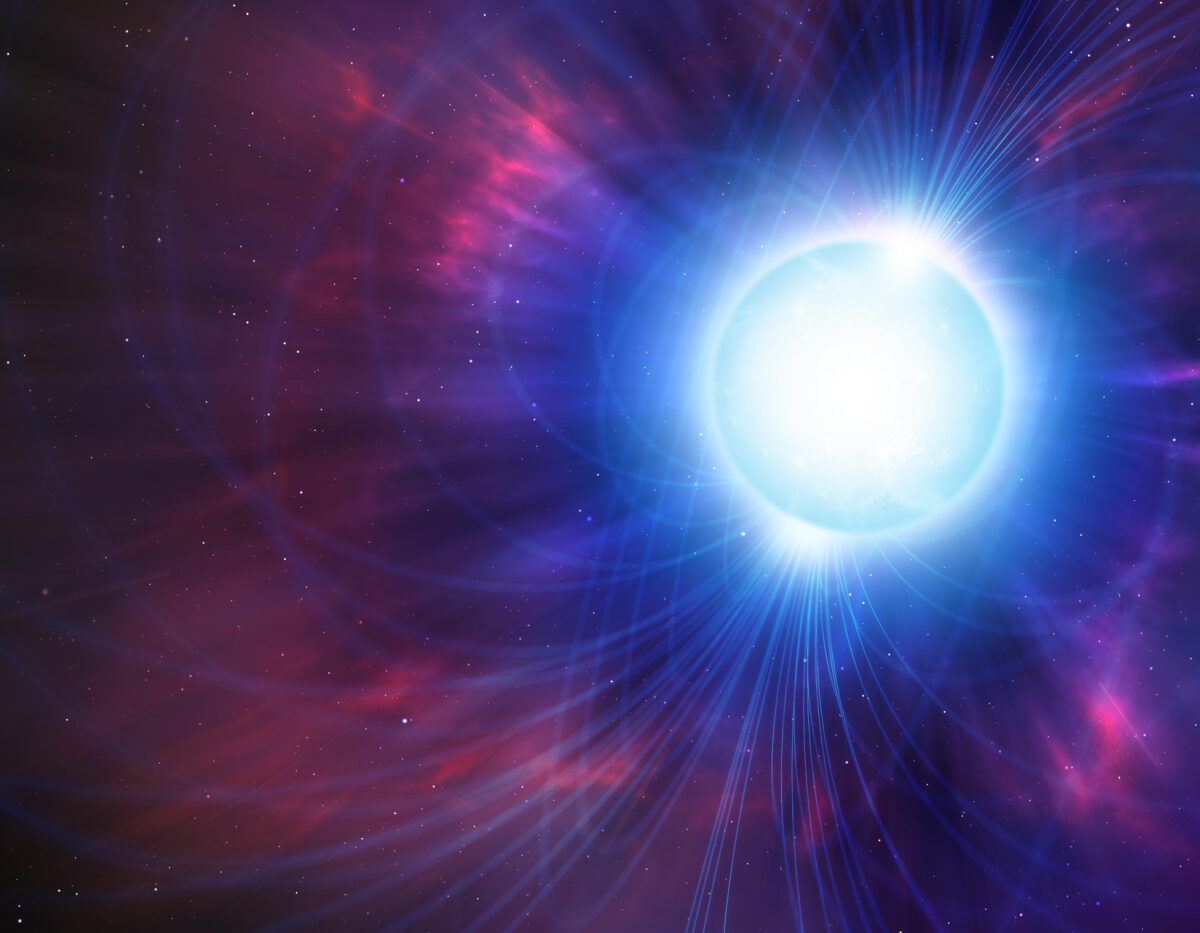
Neutron stars are the dense cores of dead stars. They're are so tightly packed, a single teaspoon of their stuff would weigh more than Mount Everest.
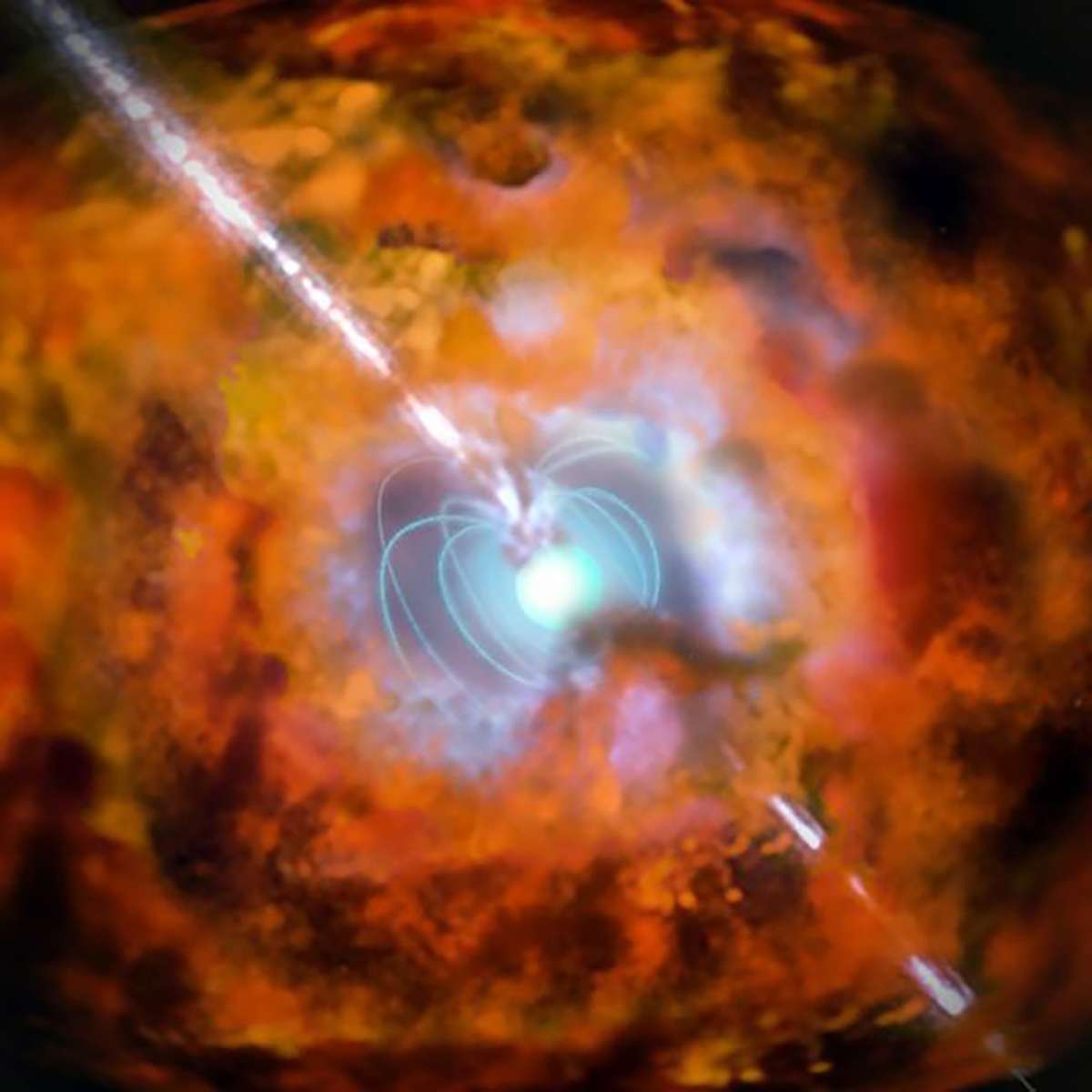
In the case of gamma-ray bursts, an initial powerful burst is followed by a glow that's visible in X-ray and optical light.
Telescopes attuned to these wavelengths have previously been able to capture gamma-ray burst events within seconds or minutes of them occurring
But, say astronomers, millimetre-wave telescopes have previously not been able to capture them so quickly.
A quick burst and a quick reaction
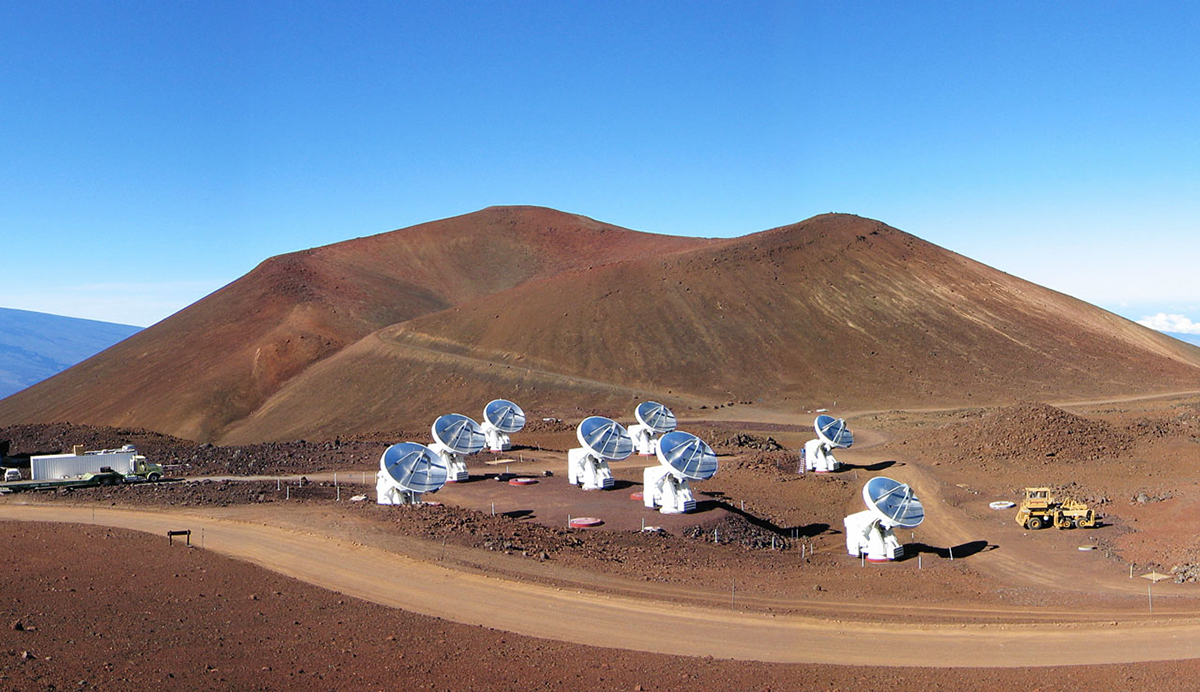
On 26 January 2026, the Submillimeter Array observatory on Maunakea, Hawaii, made a breakthrough.
Scientists from the Center for Astrophysics | Harvard & Smithsonian zoomed in on a gamma‑ray burst within minutes of its discovery.
They were able to capture the earliest observations of a burst ever made at these frequencies.
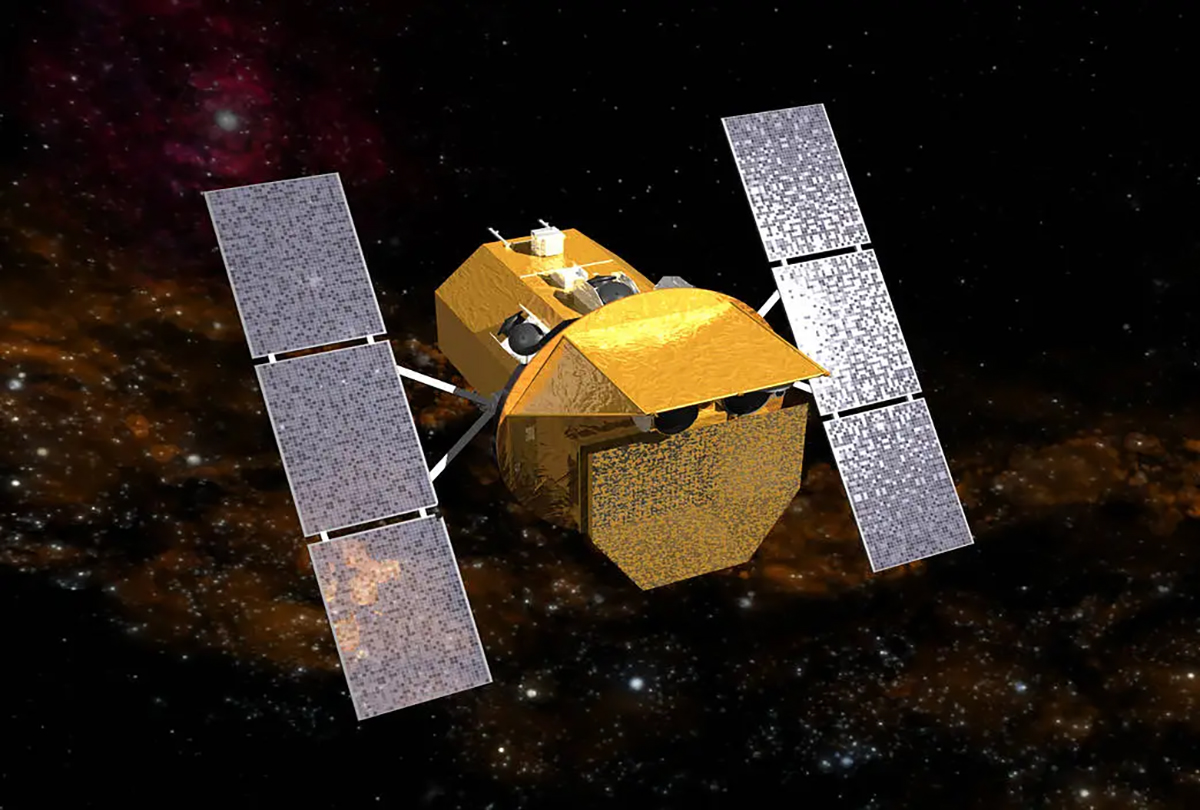
The observation began with an automated alert triggered by NASA’s Neil Gehrels Swift Observatory, which detected a flash of gamma rays.
Within 90 seconds, the on-duty operator picked up the signal and within 4 minutes, the Submillimeter Array was observing.
"It was an incredible thing to watch in real time," says Garrett Keating, an astrophysicist at CfA and Deputy Director of the SMA, who led the observations.
"Being able to react and process data this quickly is a big departure from how SMA usually operates, but it was absolutely critical for capturing an event where minutes matter.
"This was the first time we had the full system online. We learned a lot from the experience, and think we can get the response time down to as little as two to three minutes."
The team say that with 13 minutes, the observatory had the target locked, while a separate automated analysis was already producing images of the explosion in near real-time.
"With interferometry, we don’t get direct images from the telescope," says Ranjani Srinavasan, interim director of the SMA. "Usually that process takes a long time."
A game-changer
Two days later, the team carried out follow‑up observations and discovered the source had faded which, they say, is further evidence that the observatory had captured the afterglow of a gamma-ray burst.
"The SMA’s new capability is a game-changer for the field," says Edo Berger, professor of astronomy at Harvard and a co-author of the study.
"This new capability opens a unique window into the physics behind some of the most powerful stellar explosions," says Tanmoy Laskar, Assistant Professor of Physics and Astronomy at the University of Utah and a co-author of the study.
"With the SMA, we can now probe the structure and composition of the ejecta in unprecedented detail, bringing us closer to understanding how these explosions launch their powerful jets."

