'Tis the season for the Halloween Fireballs and in this guide, we'll reveal how to see them this weekend.
Halloween arrives in the depths of autumn amid the increasing darkening of the night sky and the drawing in of longer, colder evenings.
It also brings with it a plethora of amazing things to see in the night sky, from star clusters to autumn planets and the Halloween Fireballs.
This seasonal nickname for the Northern and Southern Taurid meteor showers is apt because both give observers the chance to spot a fireball in the night sky.
By Halloween weekend 2026 the Moon will only be half-lit and away from the constellation Taurus, meaning meteor-watching conditions will be good.
So whether you're planning a night of trick-or-treating, heading to a dark-sky site for half term or coming home from a Halloween party, take time to look up at the night sky this weekend and see if you can spot a fireball – or two...
More Halloween stargazing
Meteor showers and what causes them
First, a little science. If you want to skip this part and go straight to how to see the Halloween Fireballs, keep scrolling!
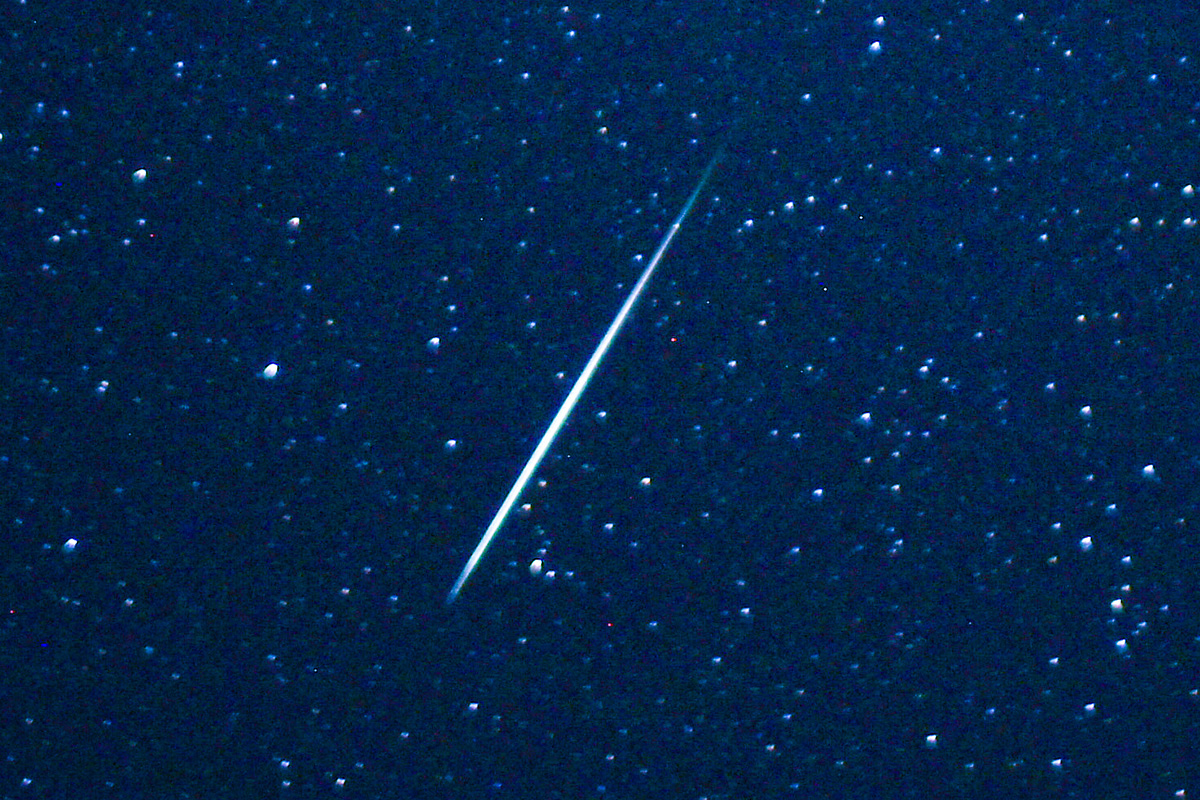
Meteor showers occur when Earth passes through orbital debris left behind by a comet (or occasionally an asteroid) on its journey around the Sun.
As these icy space rocks travel through the Solar System, comets leave behind a trail of tiny dust grains, pebbles and rock fragments.
And when Earth passes through the debris clouds, dusty particles slam into our planet's upper atmosphere at high speeds.
They heat up, causing the particle to vaporise and creating a brilliant flash of light across the sky that we call a meteor or shooting star.
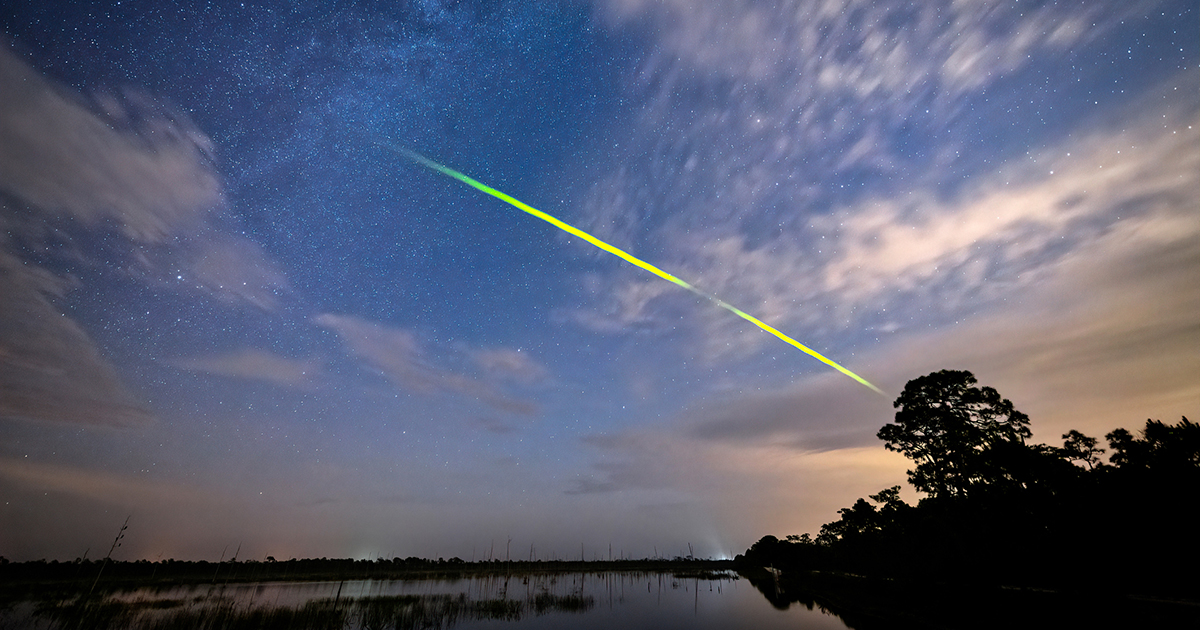
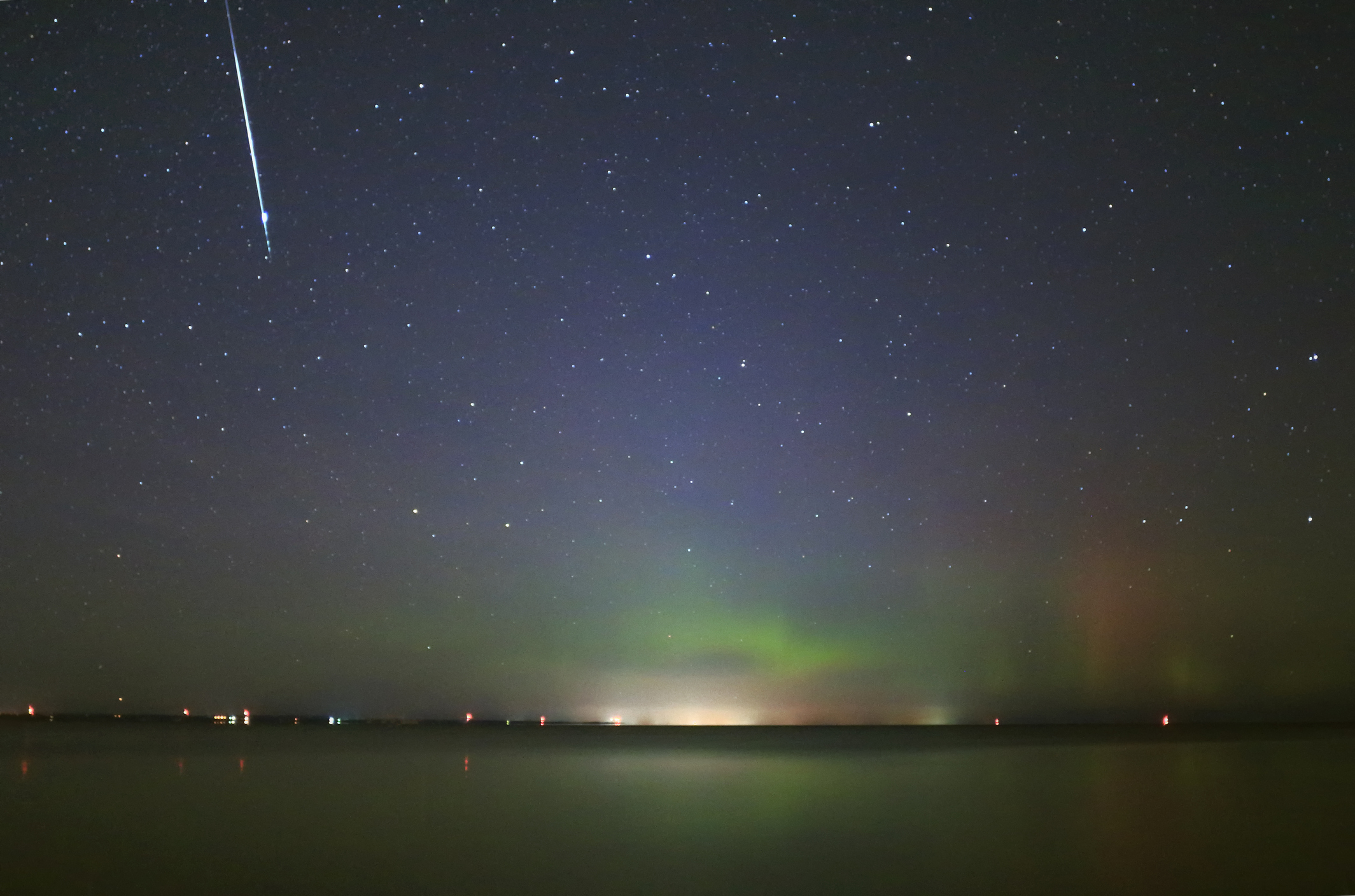
When an unusually large piece of debris hits our atmosphere, it causes a much brighter flash that lingers in the sky. This is known as a fireball.
The Taurids – the Halloween Fireballs
The Taurid meteor showers are so called because the radiant – the point in the sky from which the meteors appear to originate – is in the constellation Taurus.
Taurids are unique because they aren’t just one stream of debris, but are two overlapping meteor showers: the Southern Taurids and the Northern Taurids.
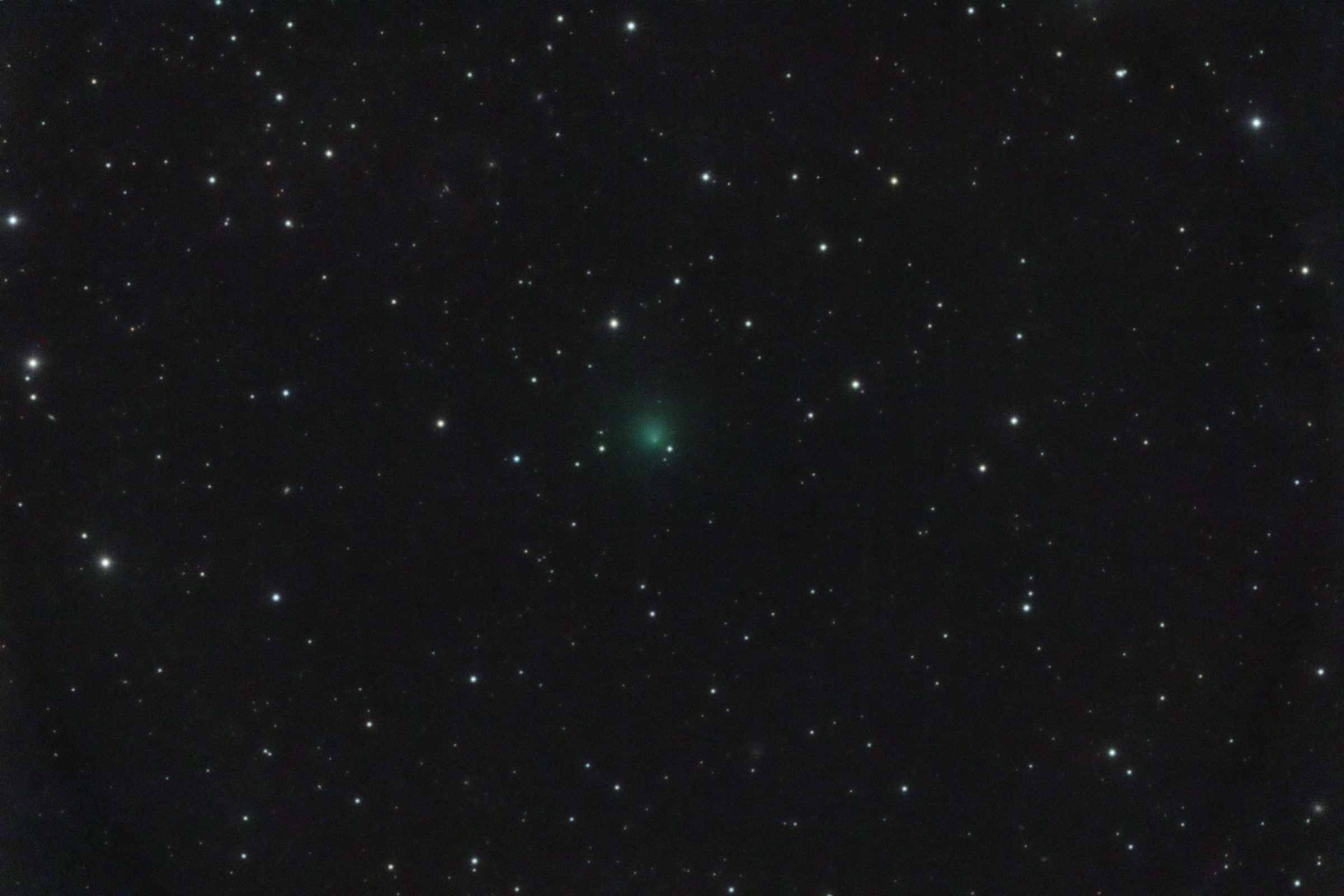
Both streams originate from the debris of comet 2P/Encke, a periodic comet that takes about 3.3 years to orbit the Sun.
Because the debris cloud is extremely old, wide and spread out, Earth takes months to pass through it.
This creates a long, stretched-out season of fireball activity rather than a sharp, one-night peak.
And while the Taurid meteor showers may not be as prolific as more famous meteor showers like the Perseids in August or the Geminids in December – the best meteor showers of the year – they're famous for producing fireballs.
That's because the debris particles from comet 2P/Encke tend to be quite large, meaning they frequently produce exceptionally bright, slow-moving meteors.
Taurid meteors are also colourful. They've been known to produce yellow, orange, green, red and blue fireballs, according to records.
Here's our quick guide to the two Halloween Fireball meteor showers, including their zenithal hourly rate, or ZHR.
ZHR values get thrown around a lot and there is a bit of a misunderstanding as to what they mean.
A ZHR value is the number of visible meteors you would expect a meteor shower to produce under perfect conditions, i.e. with clear, dark skies and with the radiant overhead.
These 'perfect' conditions would only very rarely happen, and so the ZHR value is really a hypothetical number used to compare different meteor showers.
In reality, the number of meteors you'll see should be lower than the quoted ZHR.
But in the case of the Taurids, it's all about catching that single fireball meteor...
Southern Taurids
When they're visible: From mid-September through late November, with overlapping peaks stretching from mid-October into early November.
ZHR (see above): Around 5 meteors per hour under ideal conditions.
Best times to watch: The 2026 Halloween weekend and early November observing windows benefit from fairly favourable Moon phases. The Moon has passed its full phase and is now waning, meaning there's less lunar glare to drown out fainter fireballs.
The best time to watch is around midnight, when the constellation Taurus climbs high into the southern sky. You won't see dozens of streaks, but keep an eye out for a single Taurid fireball, which will be worth the wait.
Northern Taurids
When they're visible: From October 20 through December 10, with a peak activity window around November 12.
ZHR: Around 5 meteors per hour.
Best times to watch: Northern Taurids won't flood the sky with shooting stars, but they are renowned for producing slow-moving fireballs.
Because the two showers overlap throughout late October and November, any clear night around Halloween weekend gives you a chance of catching meteors from both streams simultaneously.
Aim for late evening and midnight hours for the best view. If observing with kids, any time after sunset is fine.
Find Taurus, find the fireballs
When observing meteor showers, you don't want to look directly at the radiant, but rather away from it.
Away from the radiant, our perspective is such that the meteor trails will appear longer.
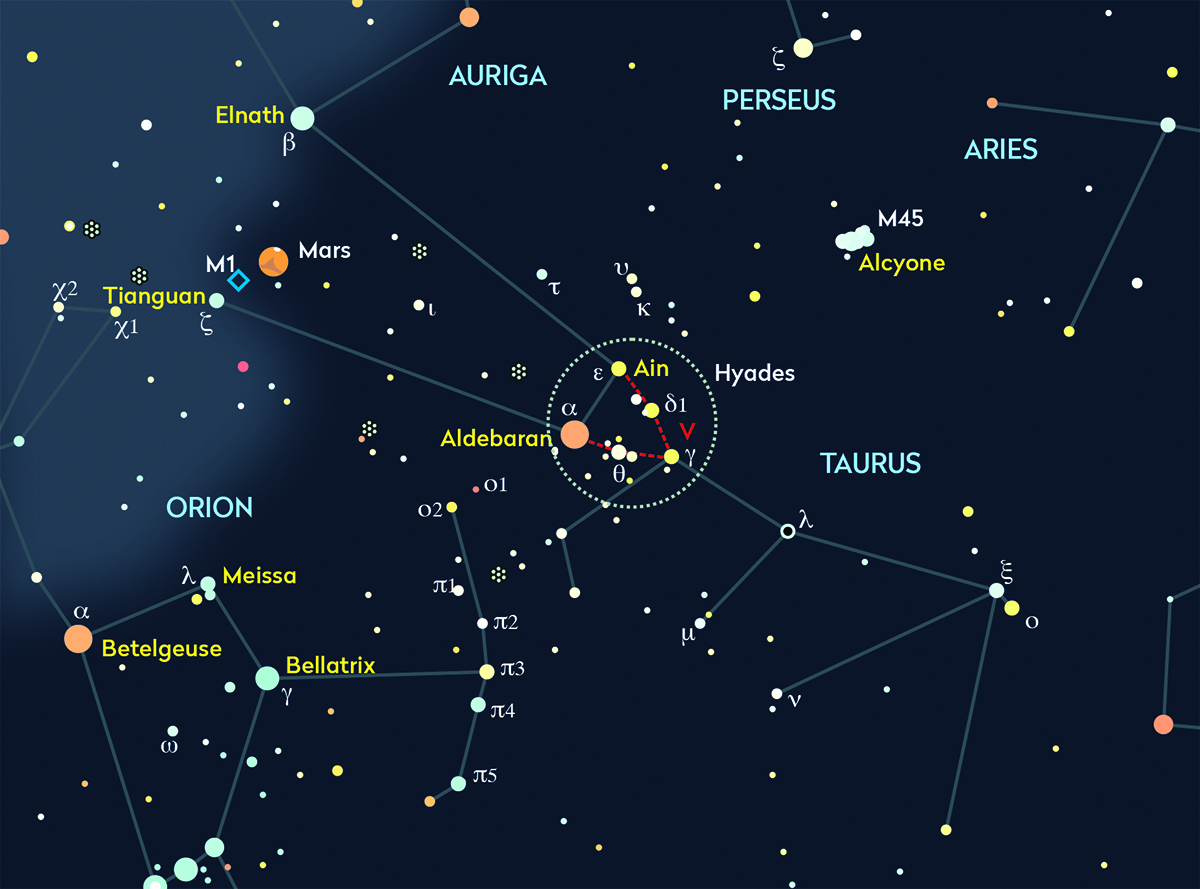
That being said, finding the Taurids' radiant – the constellation Taurus – will be of benefit.
That's because, if you do see a fireball and can trace its movement backwards in the direction of the constellation Taurus, you'll know you've seen a Taurid meteor – a Halloween Fireball.
Here's how to find Taurus.
Taurus contains two of the brightest and most recognisable star clusters in the night sky, which will help you pinpoint it.
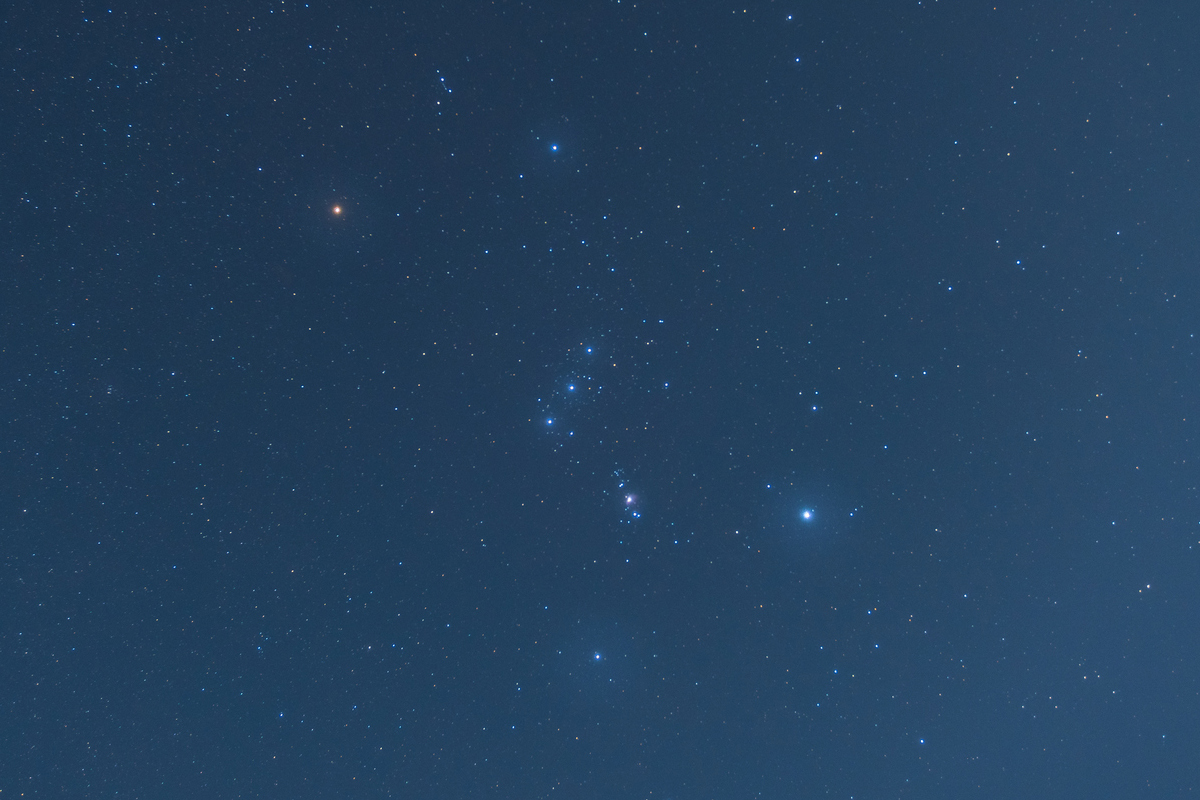
The easiest way to locate Taurus is to start with Orion the Hunter, one of the most famous constellations in the sky.
Look toward the eastern or south-eastern horizon during mid-to-late evening to find Orion.
Located the three bright stars lined up in a neat, straight row that form Orion’s Belt.
Draw an imaginary straight line extending left to right, up through the belt stars.
You'll come quite quickly to a bright, reddish star known as Aldebaran, which is the brightest star in the constellation Taurus.
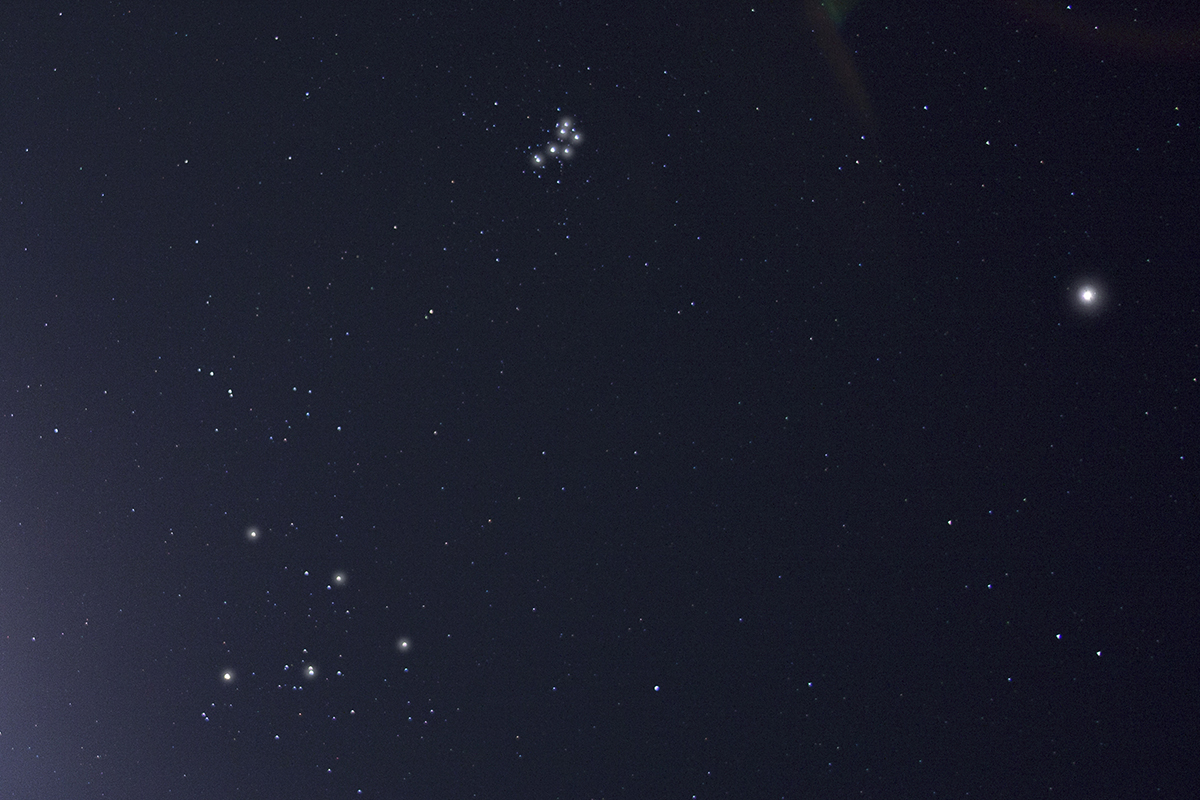
Observe Aldebaran through binoculars and you'll see it appears to be surrounded by a group of stars forming a sideways V shape. That's a star cluster known as the Hyades (which is actually much more distant than Aldebaran).
Keep following your imaginary line with the naked eye and you'll come to a faint blue smudge, which is the Pleiades star cluster.
Again, it's worth having a look through binoculars at the Pleiades, as this star cluster looks absolutely spectacular close-up.
The radiants for the Taurid Meteor Showers sit below and to the right of the Pleiades.
Top tips for Halloween Fireballs
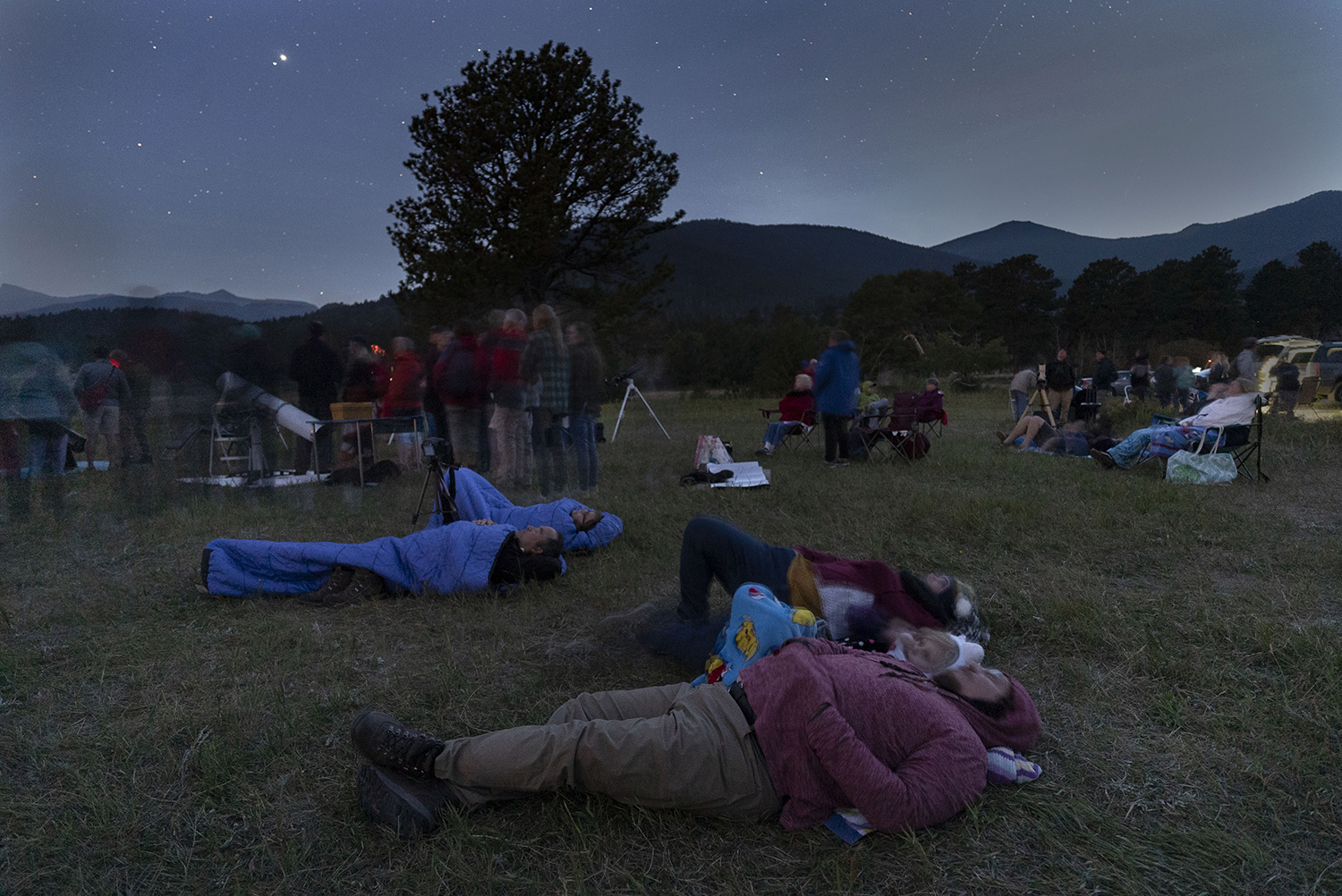
Meteor watching is one of the most accessible forms of astronomy, but a few simple tricks will help beginners.
Leave telescope and binoculars behind: Binoculars and telescopes narrow your field of view too much. Meteor showers are best enjoyed with the naked eye so you can take in the widest possible expanse of sky.
Find a dark sky: Step away from streetlights, porch lights and other artificial light. Getting to a dark-sky site is ideal. If observing from your back garden, turn out all the lights. And don't look at your phone.
The darker your environment, the easier it is to spot faint, beautiful meteors. Give your eyes time to adjust. It takes roughly 20 to 30 minutes for human eyes to fully adapt to the dark.
Get comfortable: Bring a reclining lawn chair, a sleeping bag or a blanket to lie flat on the ground. Stargazing standing up for long periods can strain your neck.
Dress warmer than you think you need to: Halloween nights turn brisk quickly and meteor-watching involves standing still for long periods. Think head, hands and feet – if these bits are warm, you'll feel warm.
Wrap up in heavy layers, gloves and a hat and consider bringing a hot drink in a thermos.
Look two thirds of the way up in the sky: A clear horizon is beneficial, to give yourself as good a chance as possible of spotting a fireball. If you can trace it back to Taurus, you've seen a Taurid meteor!
If you photograph or spot a Halloween Fireball this year, get in touch and let us know by emailing contactus@skyatnightmagazine.com