
The Harvest Moon rises this weekend, marking the return of autumn, darker nights and the onward march towards winter.
But why is the Harvest Moon so well-known, why does it jump between September and October and why was it once so vital to life in ancient cultures and societies?
Read on for our beginner's guide to the 2026 Harvest Moon and how to see it this weekend.
More on the Harvest Moon
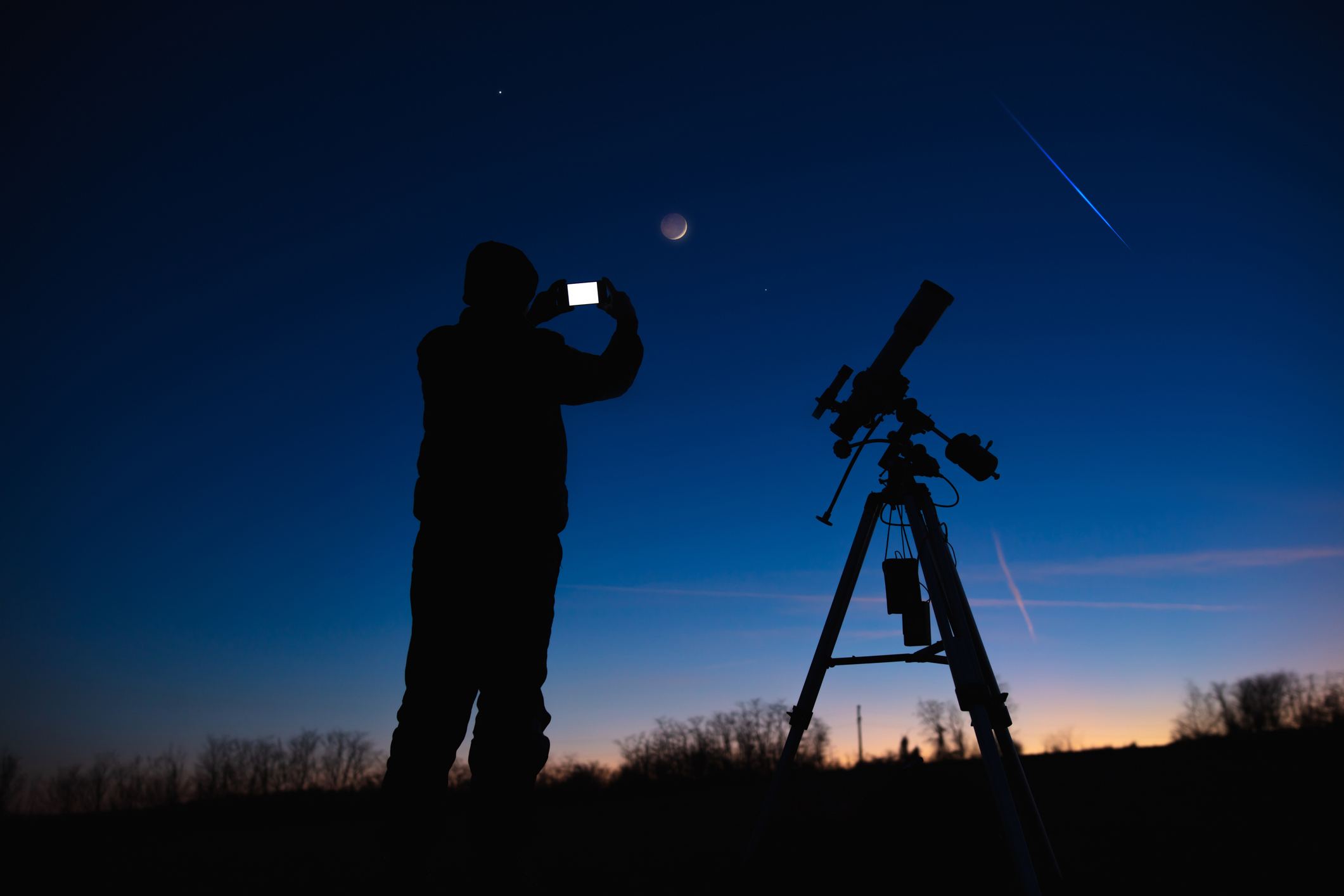
What is the Harvest Moon?
First off, let's dispel the myth and hype around the Harvest Moon.
It's simply a full Moon, but it's the one that falls closest in date to the autumn or September equinox, which marks the first day of autumn in the Northern Hemisphere.
When is the Harvest Moon 2026?
This year's Harvest Moon rises on 26 September around sunset, ushering in the return of autumn, darker nights and a new stargazing season.
But the Moon will still look big and bright after sunset a day or two either side of 26 September.
In fact you can start observing the Moon this week. It's already looking spectacular after sunset.
Why it's called the Harvest Moon
The full Moon's proximity to the September equinox means the difference in moonrise times from one evening to the next is the smallest for the year (as little as 10 minutes compared to the annual average of 50 minutes).
Traditionally, this provided consecutive evenings of bright early-evening moonlight to help farmers bring in their crops.
It was the full Moon that helped bring in the harvest – hence the name Harvest moon.
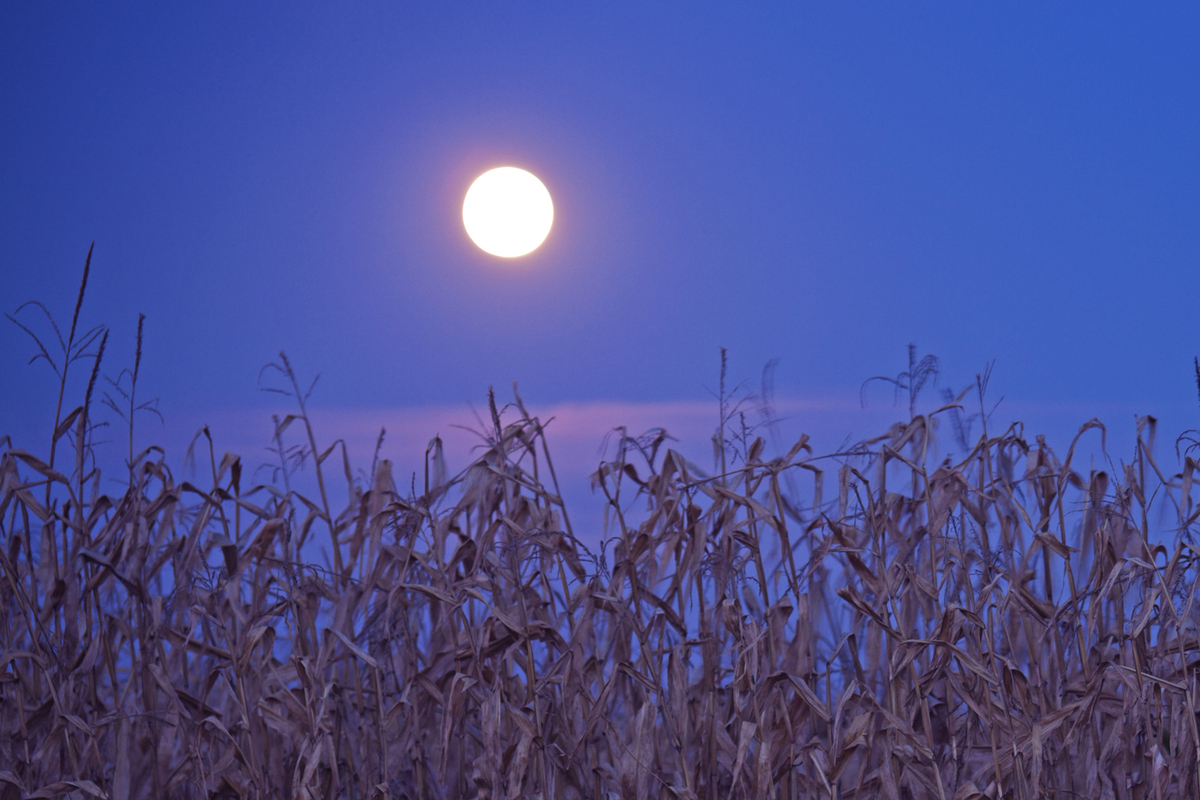
It's also the Corn Moon
Each of the monthly full Moons has acquired numerous nicknames over the centuries, as cultures and societies named the full Moons in reference to key events in nature during the month in question.
The Harvest Moon can either be the full Moon in September or the full Moon in October, but the September and October full Moons have their own separate nicknames, too.
The September full Moon is known as the Corn Moon in reference to the harvesting of corn at the end of summer.
And the October full Moon is known as the Hunter's Moon because that was the month when hunters would be gathering food for the cold, dark months ahead.
That means this weekend's full Moon is both the Corn Moon and the Harvest Moon.
How to get the best view of the 2026 Harvest Moon
To see the Harvest Moon rising in all its glory, you'll need as clear an eastern horizon as possible.
Look to the east around sunset and you'll see the full Moon rising above the horizon.
It will then climb higher and higher in the sky, moving across the southern portion of the sky before setting in the west around dawn.
The Harvest Moon marks the return of the high full Moons
The full Moon mirrors what the Sun is doing in the sky. That's because during full Moon, the Sun and Moon are opposite each other, with Earth in the middle.
As a result, during the summer months the Sun is high in the sky and the full Moon remains low in the sky.
And similarly, during the colder months the Sun is low in the sky and the full Moon rises much higher.
If you bemoaned the low-down summer full Moons that scraped along the southern horizon,
It comes with a special planetary companion
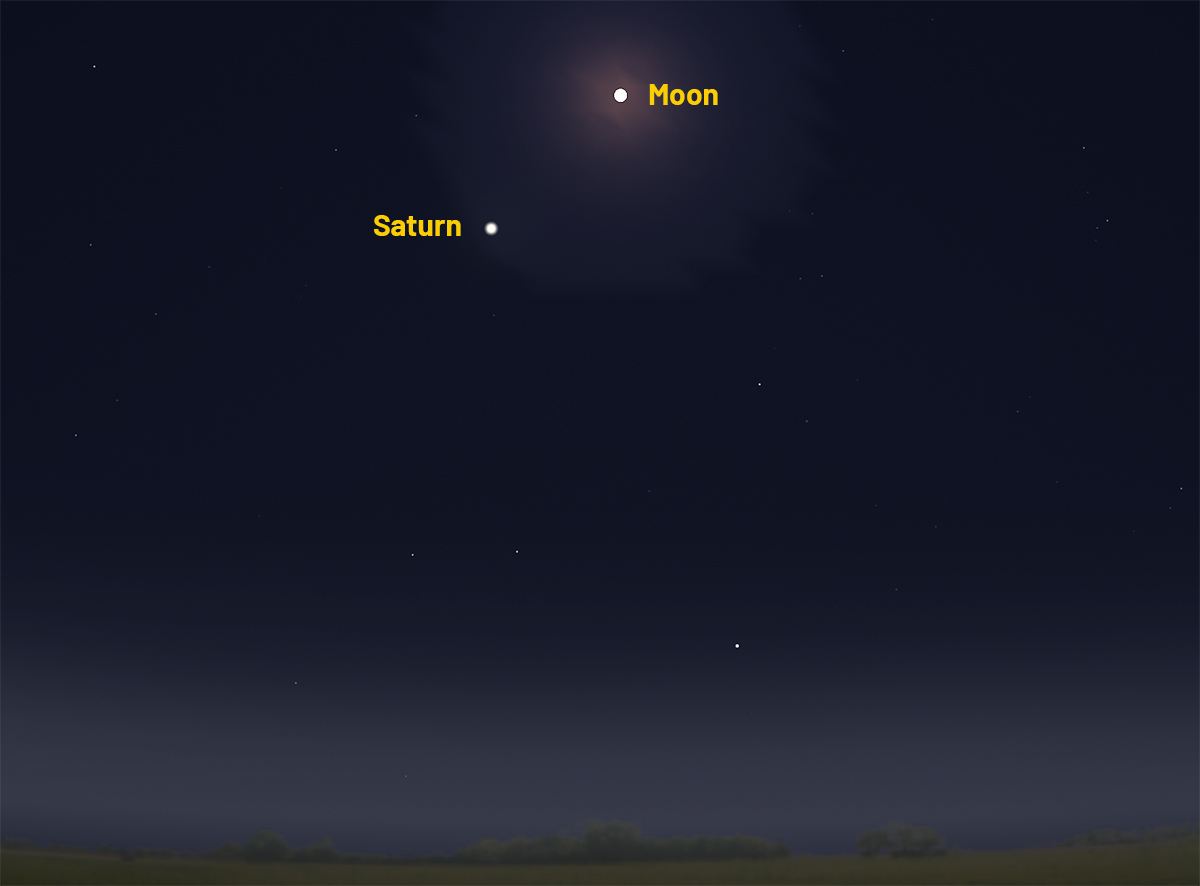
On 26 September 2026, the Harvest Moon will be joined by Saturn.
Look to the east around sunset to see the Moon rise and about an hour later, Saturn will have risen too, appearing as a bright 'star' below and to the left of it.
On 27 September, the pair rise together again, with the Moon now positioned to the left of Saturn.
So if you are observing the Harvest Moon and notice a bright star close to it, you're likely looking at Saturn.
It's not bigger or brighter than other full Moons
That's a misconception. Some Harvest Moons do coincide with a 'supermoon' (when the Moon is closest to Earth in its orbit), like for example the Harvest Supermoon of October 2025.
But not every Harvest Moon is a supermoon and they're not inherently bigger or brighter than other full Moons.
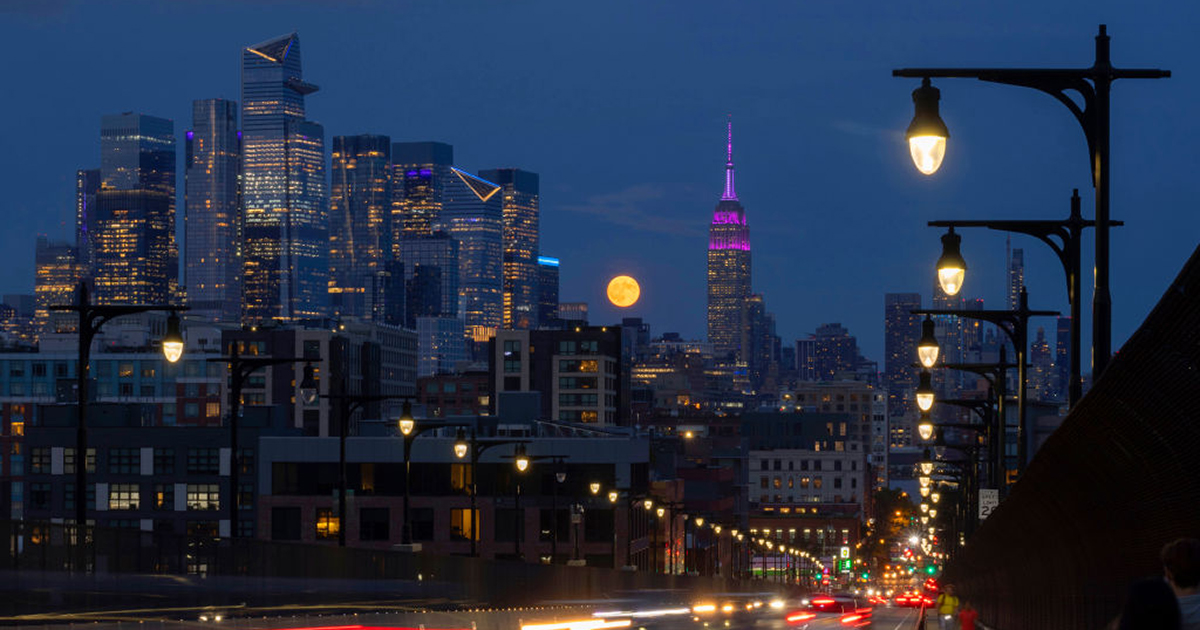
However, if you have a flat eastern horizon you may think it looks bigger...
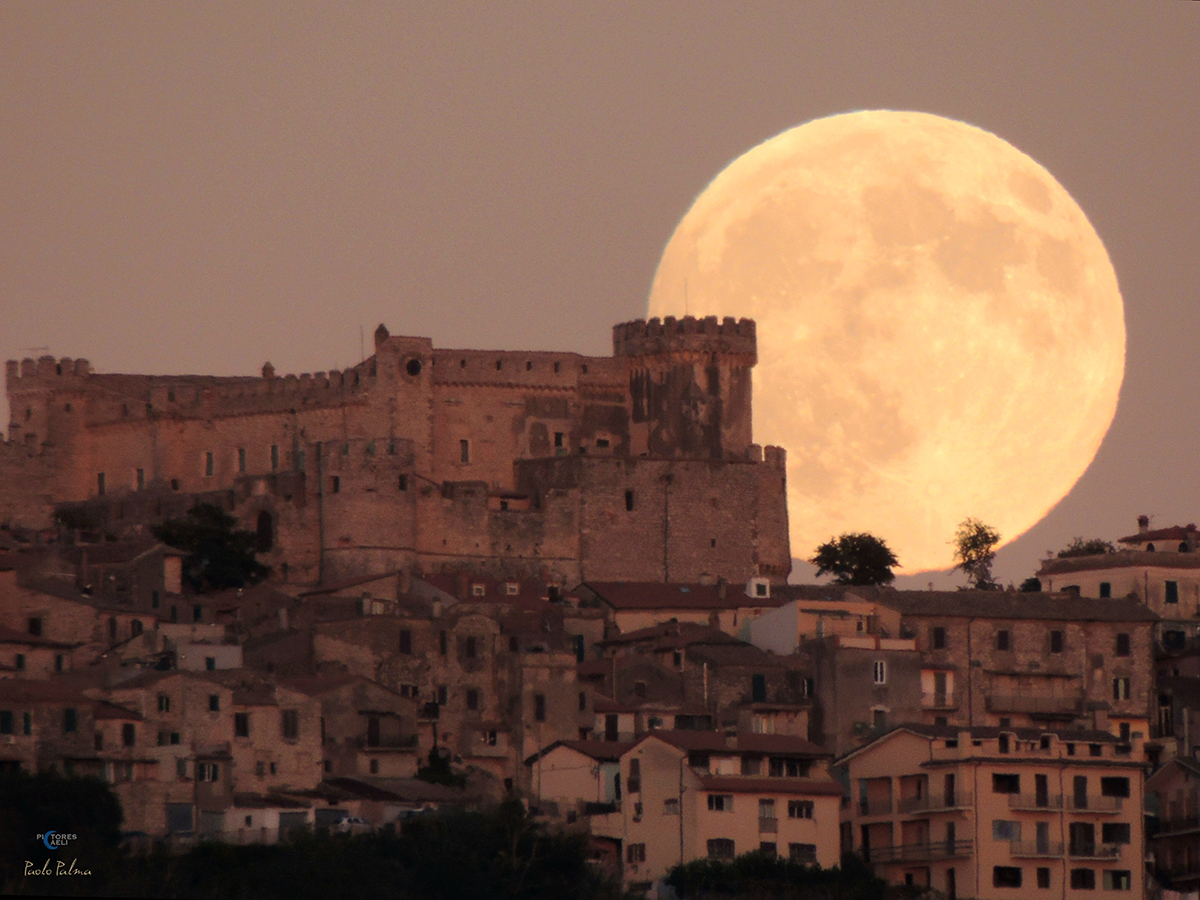
It's a chance to see the Moon illusion
When you see the Moon rise above the horizon during its fuller phases, you might notice it looks enormous.
This is an optical effect known as the Moon illusion.
No one's exactly sure why the Moon illusion occurs, but the prevailing theory is this: because it's lower-down and therefore closer to foreground objects like trees and tall buildings, that tricks our brain into thinking the Moon is much bigger than normal.
The Harvest Moon might look orangey-red
The full Moon often takes on a wonderful ochre-red colour when low on the horizon.
This happens because lunar light is filtered through more of the Earth's atmosphere, and blue light is scattered more while red light is scattered the least.
That makes a low-down full Moon look orangey-red, but you'll notice its colour becomes a lot paler as it rises higher in the sky.

