
The USA and Canada may have largely missed out on the August 12, 2026 solar eclipse (compared to their European neighbours), but are going to be treated instead to a pretty remarkable lunar eclipse on August 27/28 that will see the full Moon turn red.
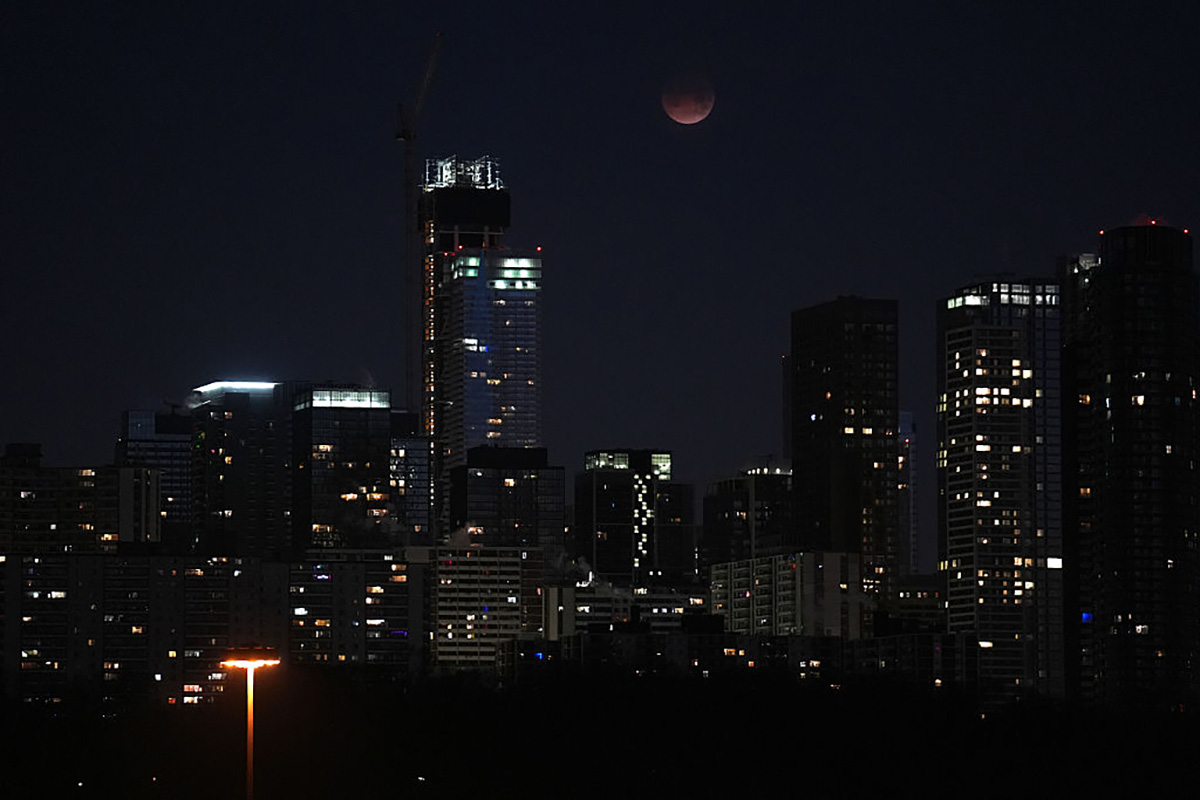
On the evening of August 27/28, 2026, a deep partial lunar eclipse will be visible over North America, with about 96% of the full Moon's surface plunging into Earth's shadow.
Read more
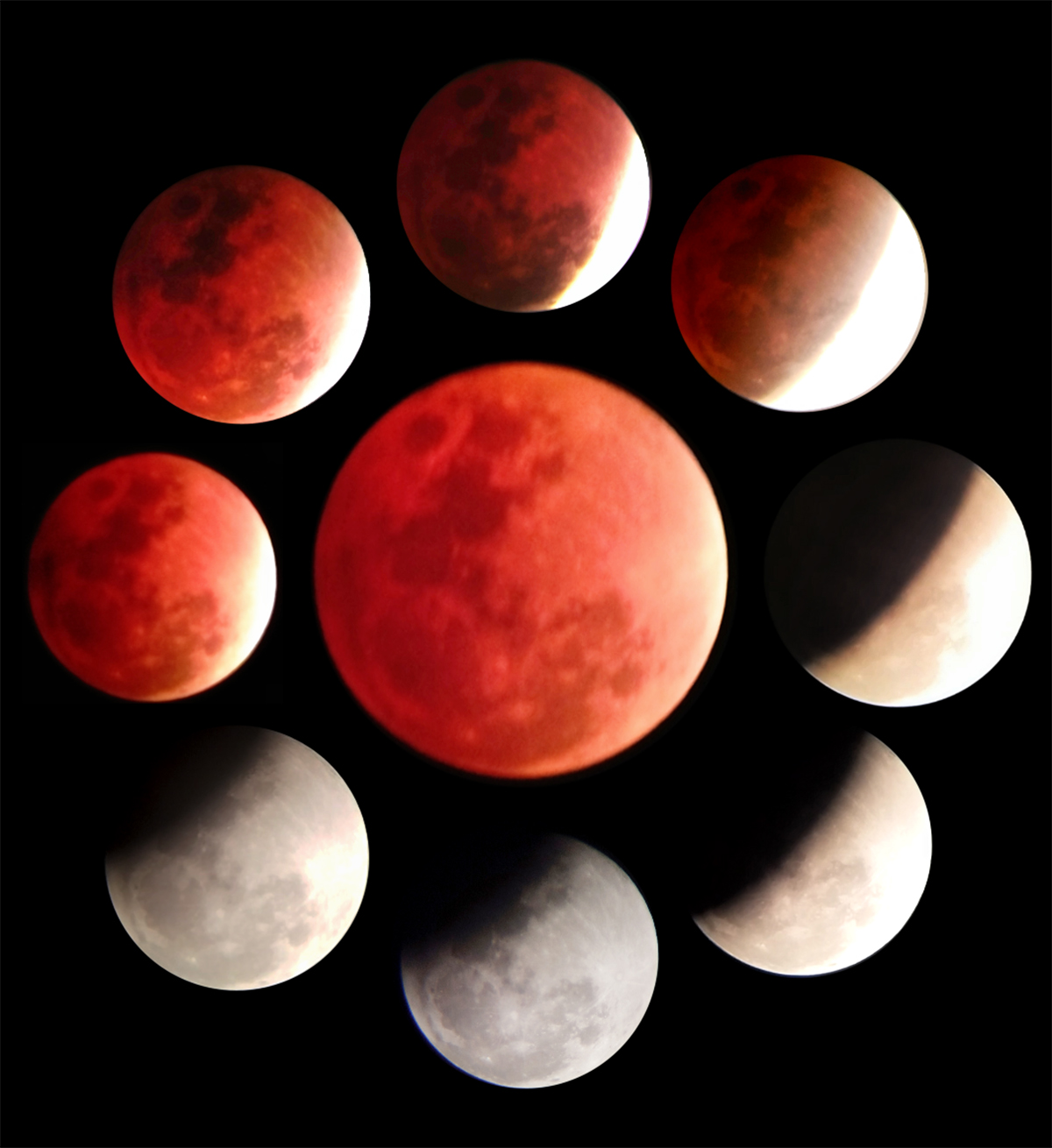
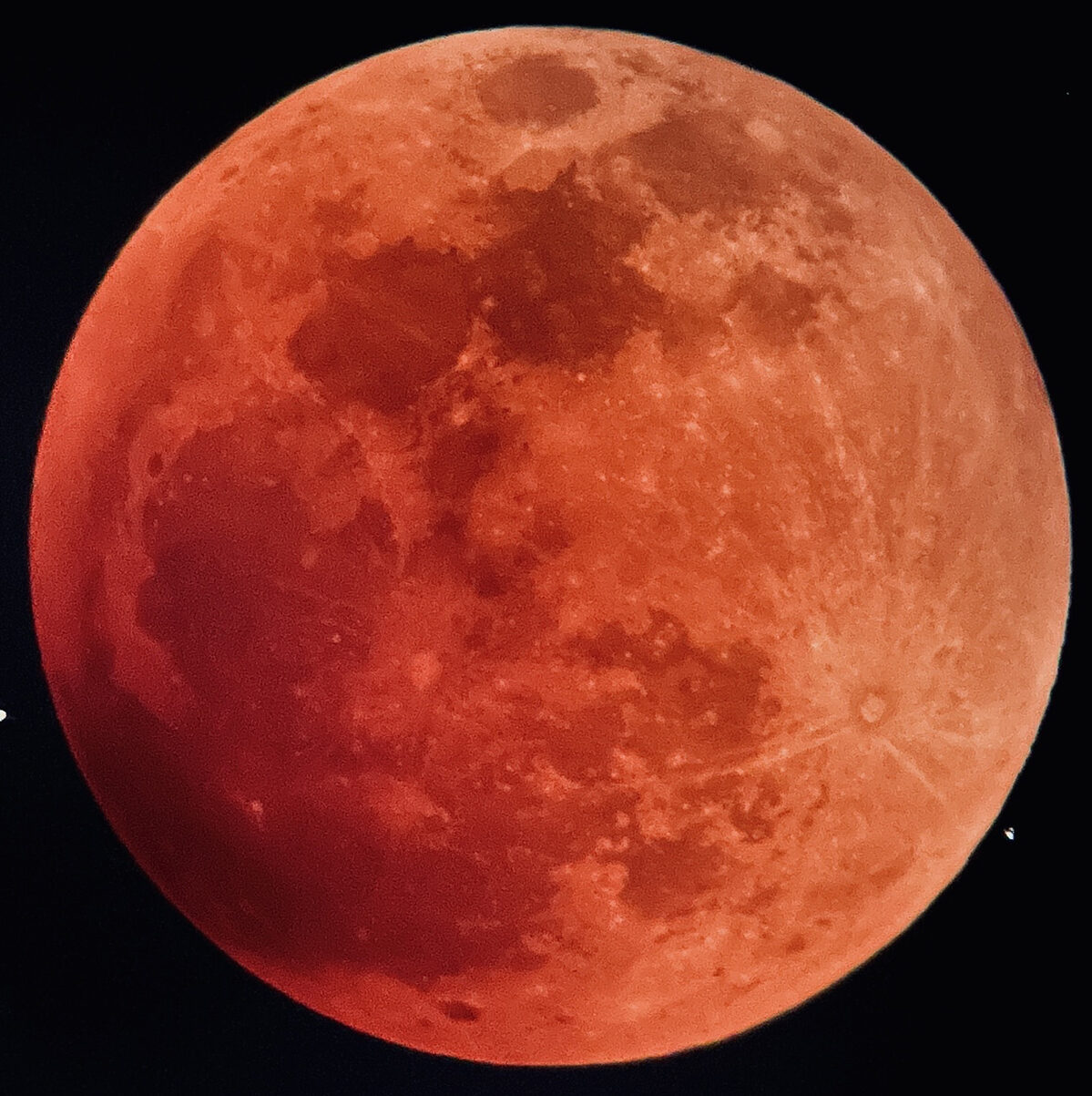
This will give most of the Earth-facing side of the Moon a dramatic copper red or deep orange hue.
And because it will cover nearly the whole of the lunar disc, it will be very nearly a Blood Moon lunar eclipse.
If you're based in the USA or Canada, here's all you need to know to see the August 2026 lunar eclipse.
What causes a lunar eclipse
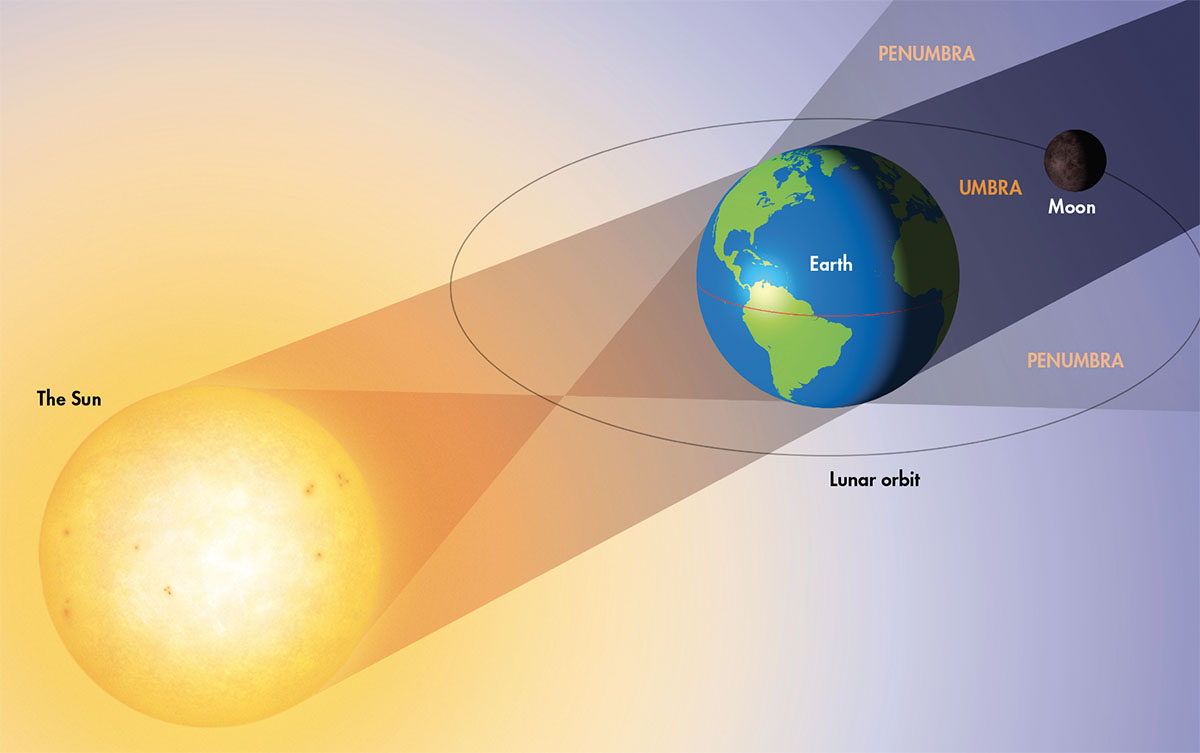
A lunar eclipse happens when Earth passes between the Moon and the Sun. When this occurs, the Moon and the Sun are opposite each other in the sky, from our perspective.
You may have noticed that this is the same as the description of a full Moon. That's correct; lunar eclipses occur at full Moon.
However, most of the time during a full Moon, the Sun-Earth-Moon alignment isn't quite lined up so as to cause a lunar eclipse. Most of the time, the Moon passes below or above Earth's shadow.
But when the alignment is just right, the Moon does pass through Earth's shadow and we see a dark 'bite' taken out of the full Moon.
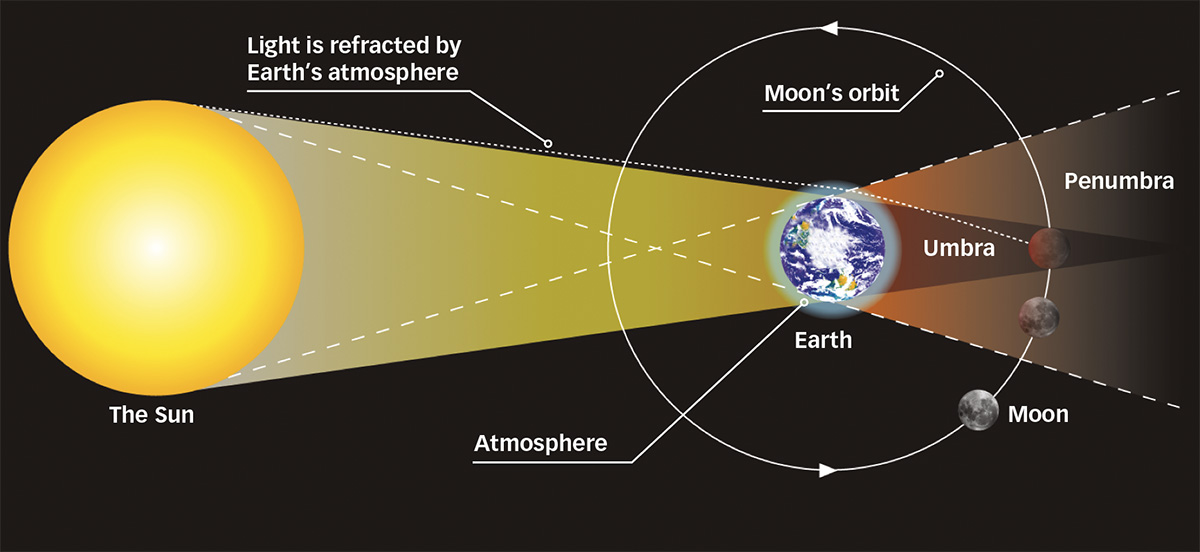
Sometimes the Moon is completely covered by Earth's shadow. This is known as a total lunar eclipse.
Sometimes only part of the Moon is covered by Earth's shadow. This is a partial lunar eclipse.
However, Earth doesn't completely block sunlight from hitting the Moon. Some sunlight passes through Earth's atmosphere and is bent and refracted towards the lunar surface.
Our planet's thick atmosphere is good at scattering blue wavelengths of light, so the light that does reach the surface of the Moon during a lunar eclipse is slightly reddish, which is what gives a lunar eclipse that 'Blood Moon' colour.
Phases of a lunar eclipse
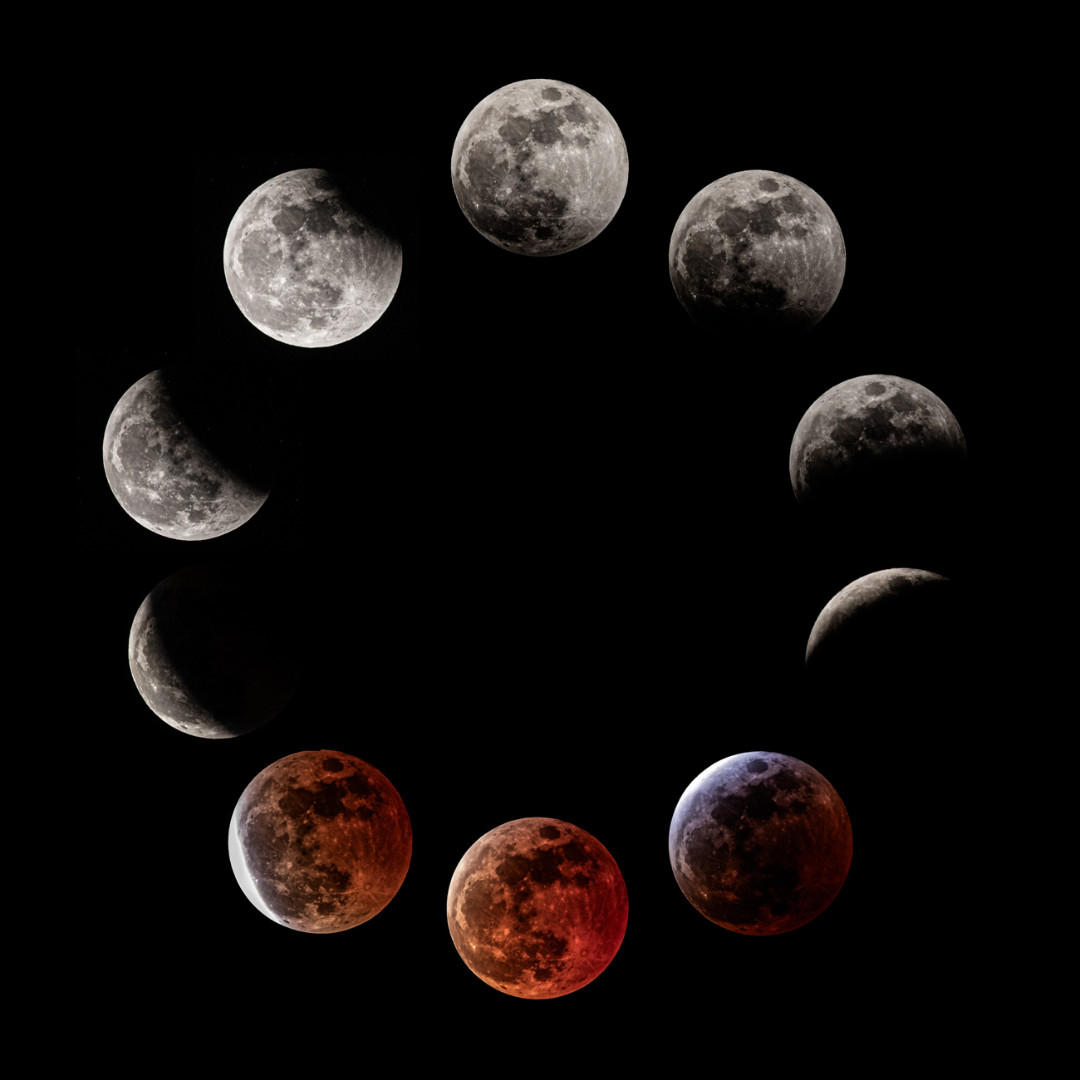
A lunar eclipse progresses through three main visual stages.
- Penumbral phase: The Moon enters the faint outer edge of Earth’s shadow. The dimming is subtle at first.
- Partial (umbral) phase: A dark 'bite' appears on the Earth-facing side of the Moon as the Moon slides deeper into the core shadow. This is when the colour changes truly begin.
- Greatest (maximum) eclipse: This is the peak moment of coverage where – in the case of the August 2026 lunar eclipse – 96% of the Moon is shrouded in Earth’s shadow.
- Umbral contact ends: The Moon exits the umbral shadow
- Penumbral contact ends: The lunar eclipse is over
Observing the Sturgeon Moon and lunar eclipse
A lunar eclipse occurs at full Moon – and each of the monthly full Moons has a nickname.
August's full Moon is known as the Sturgeon Moon because sturgeon fish were historically abundant in August.
And because a full Moon is opposite the Sun in the sky, it mirrors what the Sun is doing.
That's why, when the Sun is sinking in the west, the full Moon is rising in the east. Then when the full Moon is sinking in the west the following morning, the Sun is rising in the east.
So too, because the Sun is high in summer, summer full Moons remain relatively low in the sky.
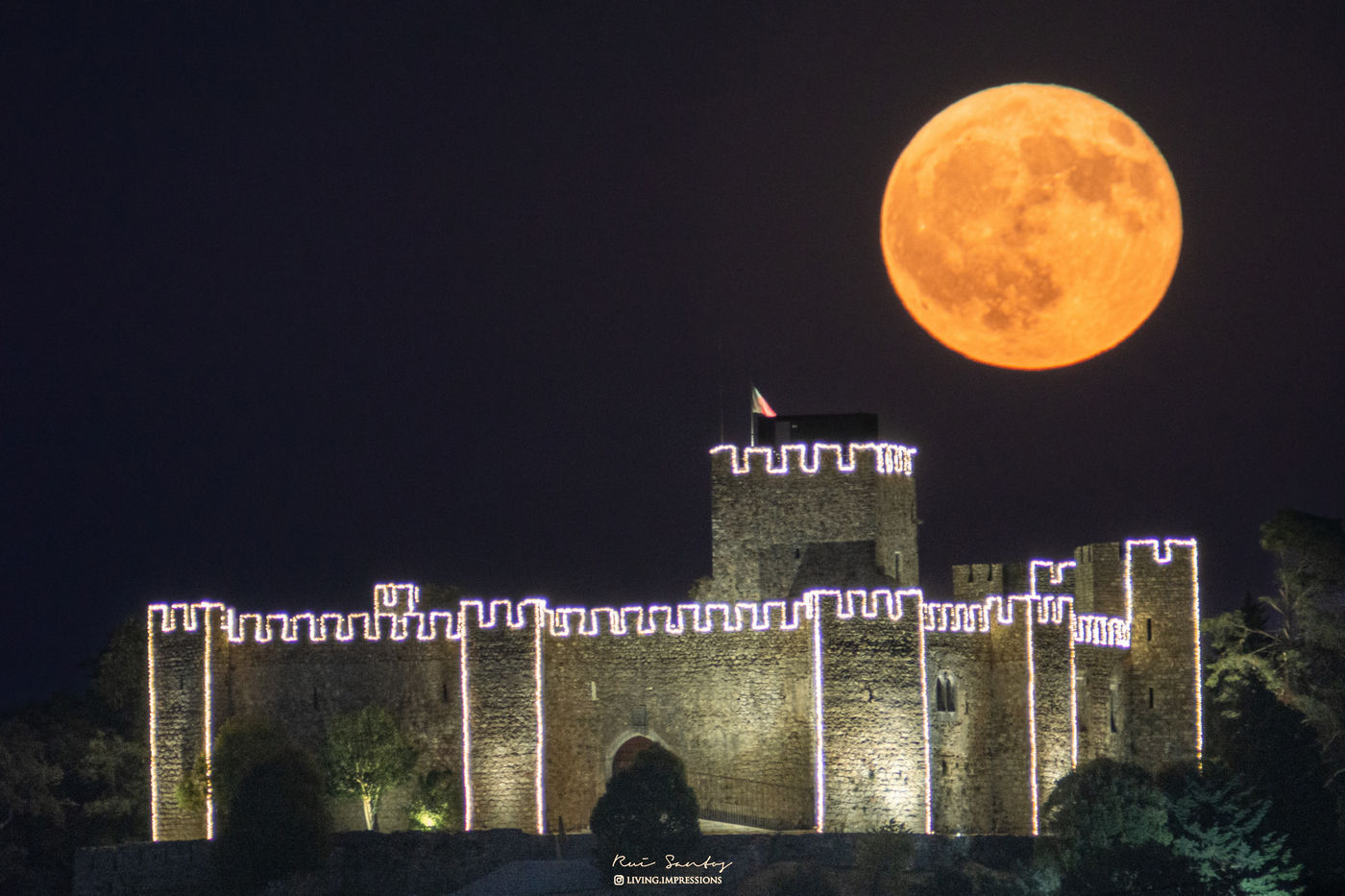
That means the Sturgeon full Moon will rise on August 27, 2026 in the eastern part of the sky, track low across the south, then set in the western region of the sky in the early hours of August 28.
Between its rising and setting, observers in the USA and Canada will get to see a partial lunar eclipse.
The moment of 'greatest eclipse' – when the Moon is 96% covered by Earth's shadow – occurs at 04:13 UTC (00:13 EDT), with the eclipse beginning in earnest around 02:34 UTC (22:34 EDT).
Depending on where you're located in the USA and Canada, this may mean the moment of greatest eclipse occurs before midnight on August 27 or after midnight on August 28, 2026.
Key timings for top North American cities to see the eclipse
The moment of greatest eclipse is peak viewing: the time to see it at its best. But the main stage of the lunar eclipse begins around 1h 45 mins before that.
| Region | City | Time zone | Greatest eclipse |
|---|---|---|---|
| USA | New York, NY | EDT | 00:12 (Aug 28) |
| Chicago, IL | CDT | 23:12 (Aug 27) | |
| Houston, TX | CDT | 23:12 (Aug 27) | |
| Denver, CO | MDT | 22:12 (Aug 27) | |
| Los Angeles, CA | PDT | 21:12 (Aug 27) | |
| Canada | Halifax, NS | ADT | 01:12 (Aug 28) |
| Montreal, QC | EDT | 00:12 (Aug 28) | |
| Toronto, ON | EDT | 00:12 (Aug 28) | |
| Winnipeg, MB | CDT | 23:12 (Aug 27) | |
| Calgary, AB | MDT | 22:12 (Aug 27) |
Viewing and equipment tips
Unlike solar eclipses, lunar eclipses are 100% safe to watch with the naked eye.
That means you don't need eclipse glasses for your eyes or protective filters for photographic equipment.
While you can easily enjoy the entire event with the naked eye, a pair of standard binoculars or a small backyard telescope will reveal sharp details of crater rims slipping in and out of Earth's shadow.
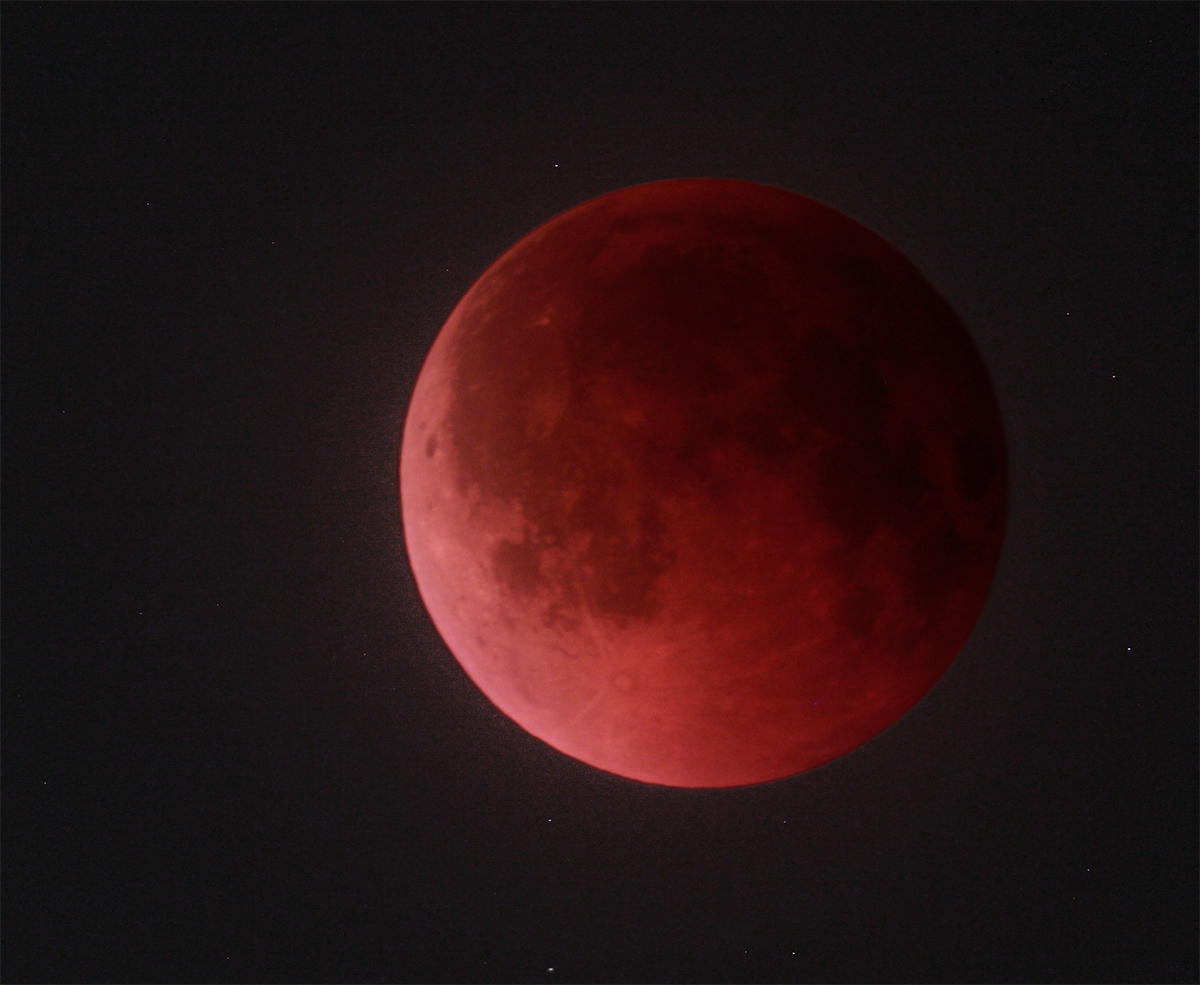
A good tip is to find a dark spot away from light pollution. While light pollution isn't really going to dampen your view of something as bright as a full Moon, it could make all the difference once Earth's shadow begins to creep across the lunar surface.
The further west you are, the more you'll need a clear eastern horizon because the Moon will be rising either already eclipsed, or just before the eclipse begins.
A flat, clear eastern horizon will give you a better chance of enjoying the whole show.
Viewing from the USA or Canada? Send us your lunar eclipse stories and images by emailing contactus@skyatnightmagazine.com

