
The 12 August 2026 solar eclipse was a spectacular event and, if you enjoyed it, you may have heard news of another eclipse coming up before the end of August.
However, this time it's going to be a lunar eclipse, visible on 28 August 2026.
So what's going on? Is it a complete coincidence that we're getting a lunar eclipse so close to a solar eclipse?
Not exactly. Solar and lunar eclipses often come in pairs. And here's why.
More on eclipses
Solar eclipse vs lunar eclipse
As most of us know from our first lessons in school physics, the Moon orbits Earth and Earth orbits the Sun.
These three bodies have a pretty interesting relationship with one another, and that's particularly noticeable from our perspective on planet Earth.
The Sun is 400 times farther away from Earth than the Moon is. And the Sun is also 400 times bigger than the Moon.
By sheer chance, that means that, from Earth, the Moon and the Sun look about the same size in the sky.
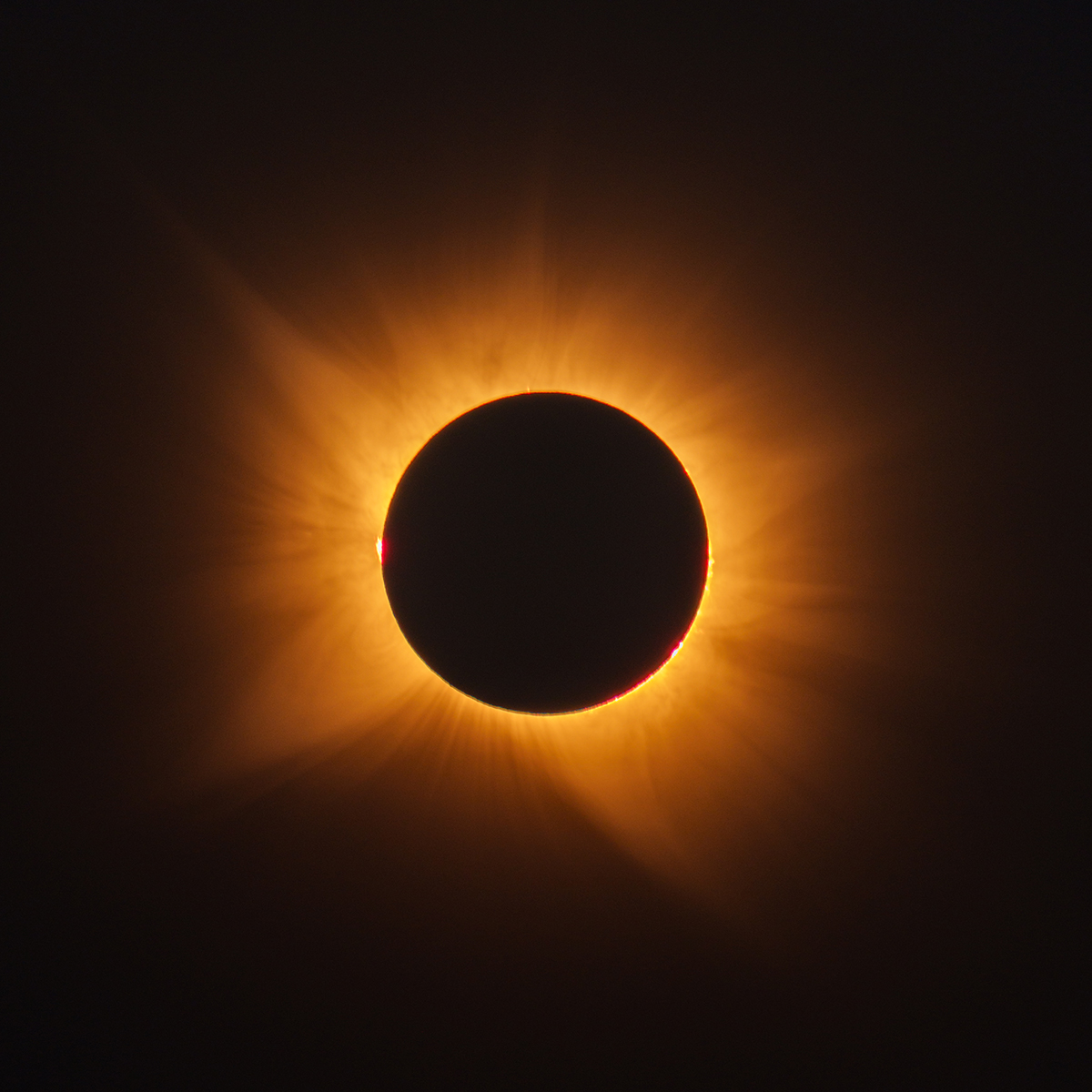
When the Moon passes in front of the Sun from our perspective on Earth, we see a solar eclipse.
And the Moon being roughly the same apparent size as the Sun means we often get to see the Moon just about fit snugly within the exact area taken up by the Sun – this is a total solar eclipse.
Solar eclipses occur at the new Moon phase, when the Moon is between Earth and the Sun (so the Earth-facing side of the Moon is in complete darkness).
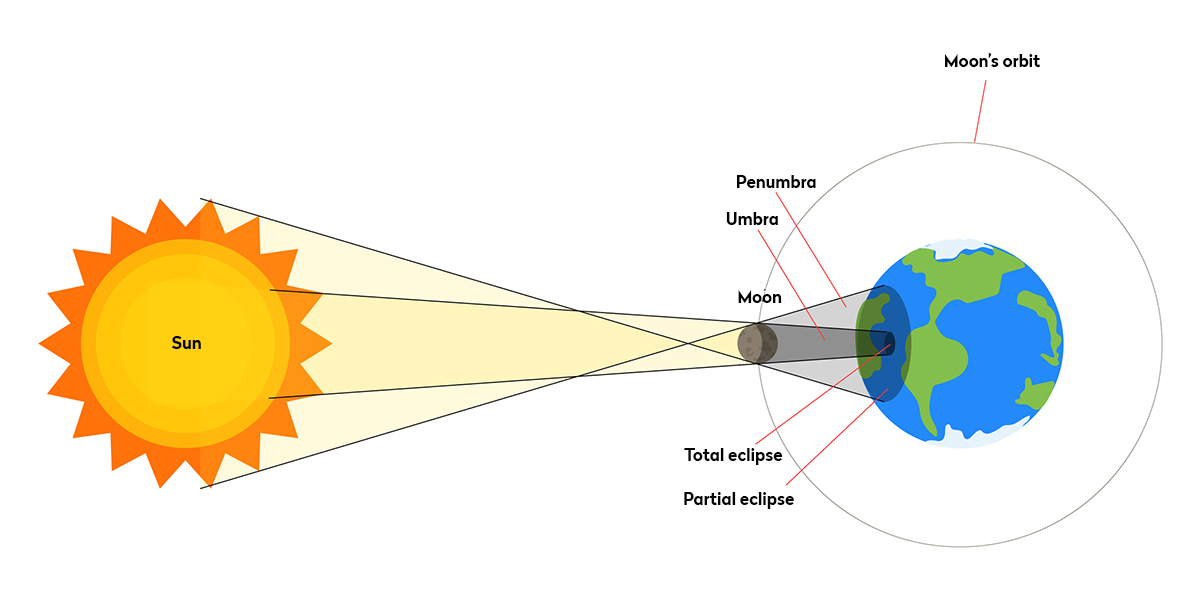
On the other hand, when the Moon is on the other side of Earth from the Sun, we sometimes see a lunar eclipse.
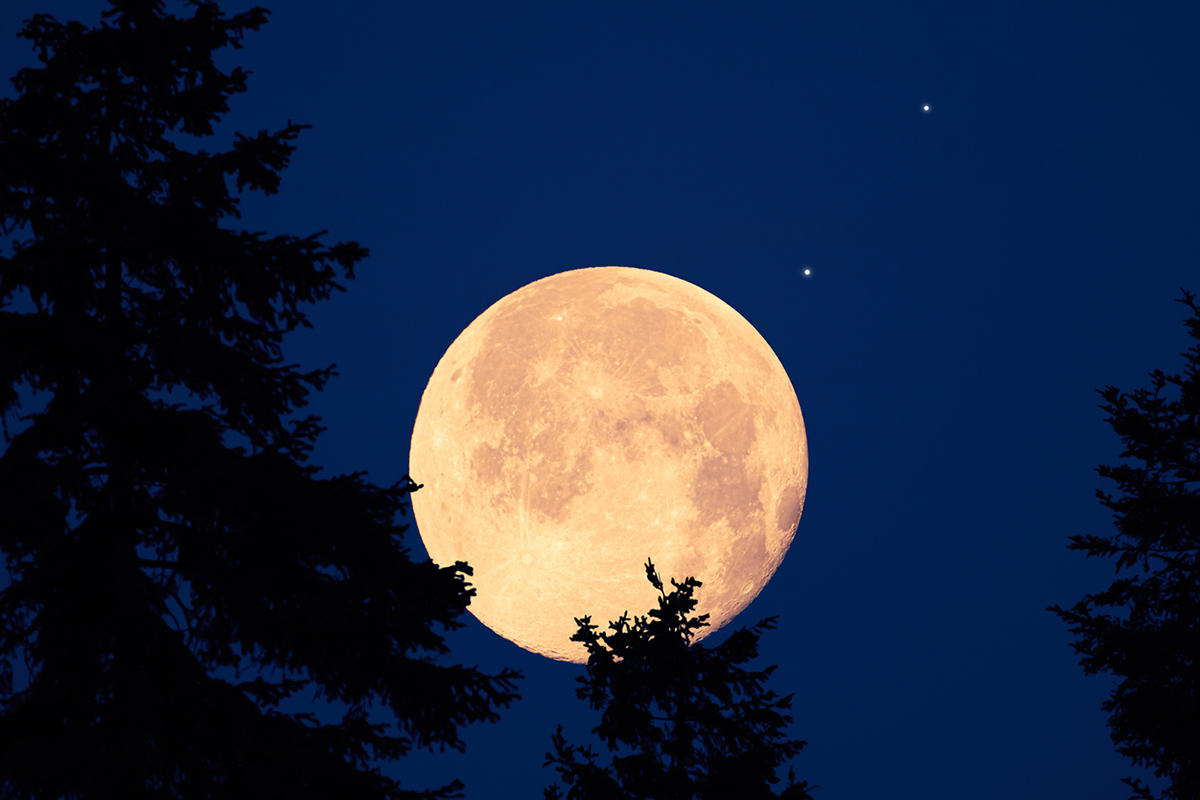
Lunar eclipses occur at the full Moon phase, when the Moon is on the other side of Earth from the Sun (so the Earth-facing side of the Moon is fully illuminated).
During a lunar eclipse, if you were standing on the Moon, you'd see Earth passing in front of the Sun.
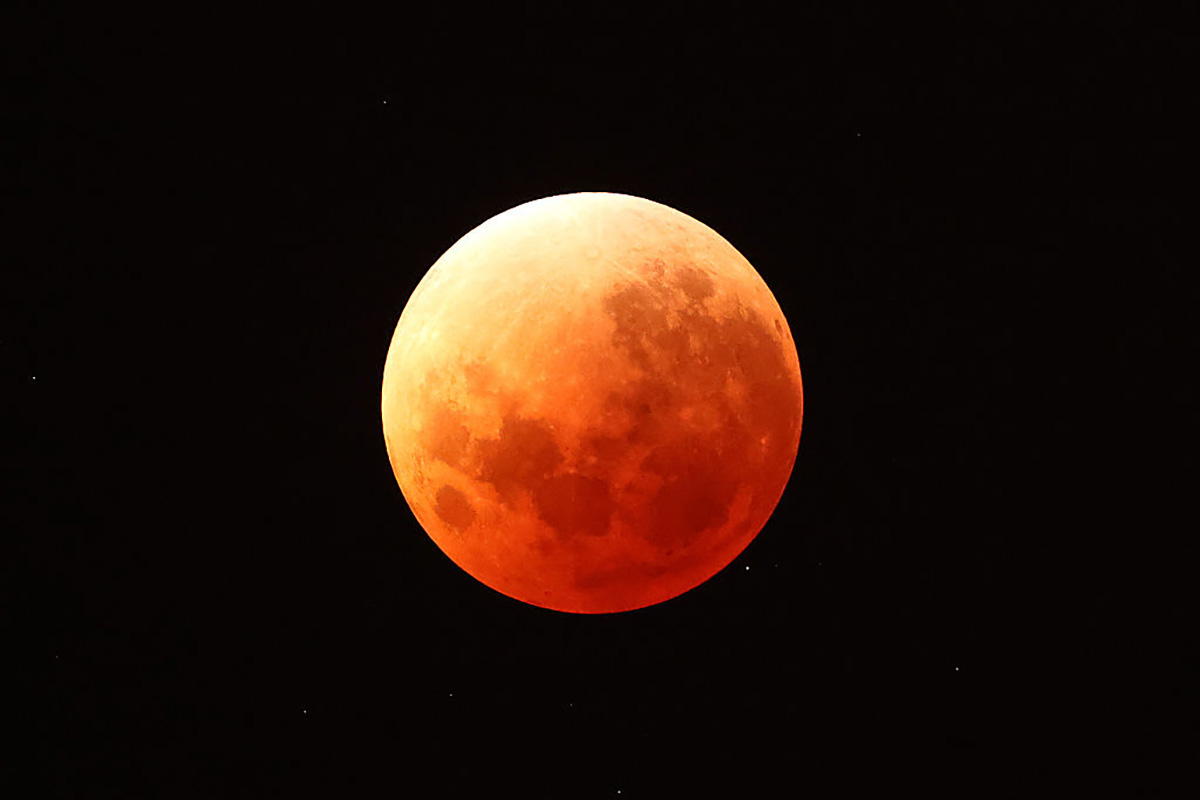
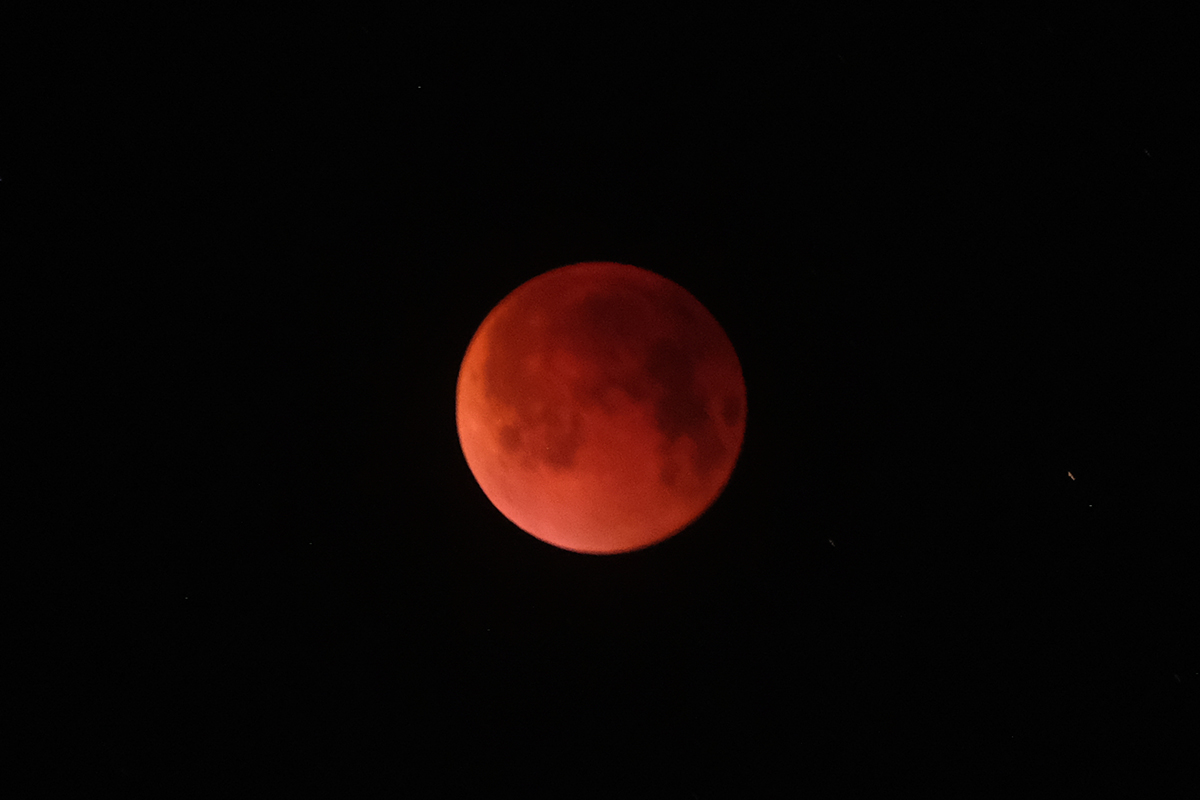
But from Earth, the effect of a lunar eclipse is that we see the shadow of our planet passing over the lunar surface.
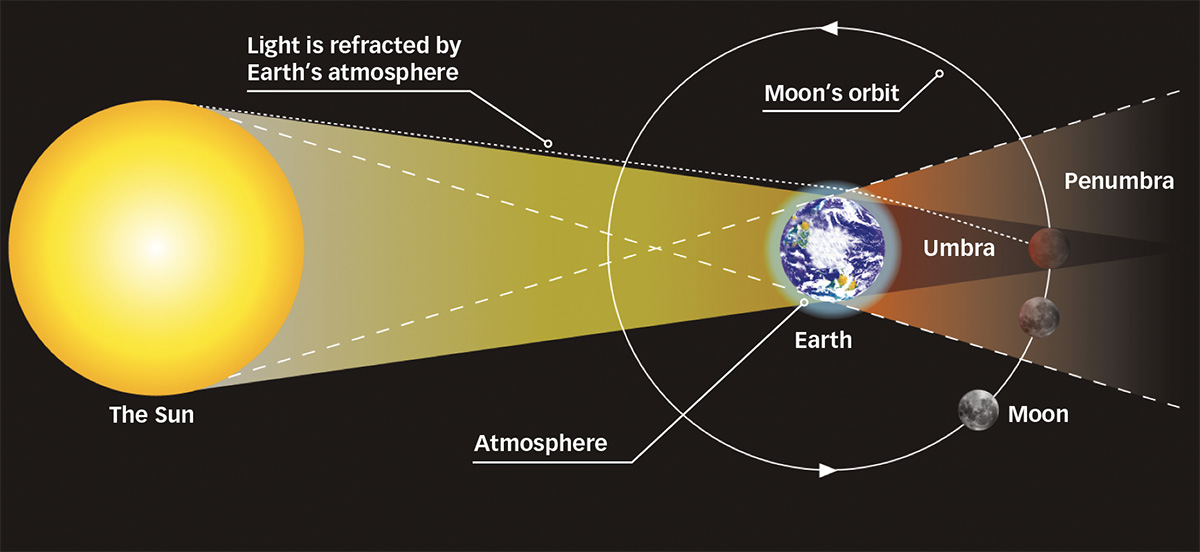
Sometimes Earth's shadow passes over just part of the Earth-facing side of the Moon – a partial lunar eclipse – and sometimes it passes over the whole of the Earth-facing side of the Moon – a total lunar eclipse.
But Earth doesn't block all of the sunlight from reaching the Moon. Some sunlight is bent – or refracted – towards the surface of the Moon as it passes through Earth's thick atmosphere.
And Earth's atmosphere is really good at scattering blue wavelengths of light, which means the light that does hit the lunar surface is red-coloured, which is why a lunar eclipse often turns the Moon a deep red, hence the name 'Blood Moon'.
The Moon's orbit denies us an eclipse most months
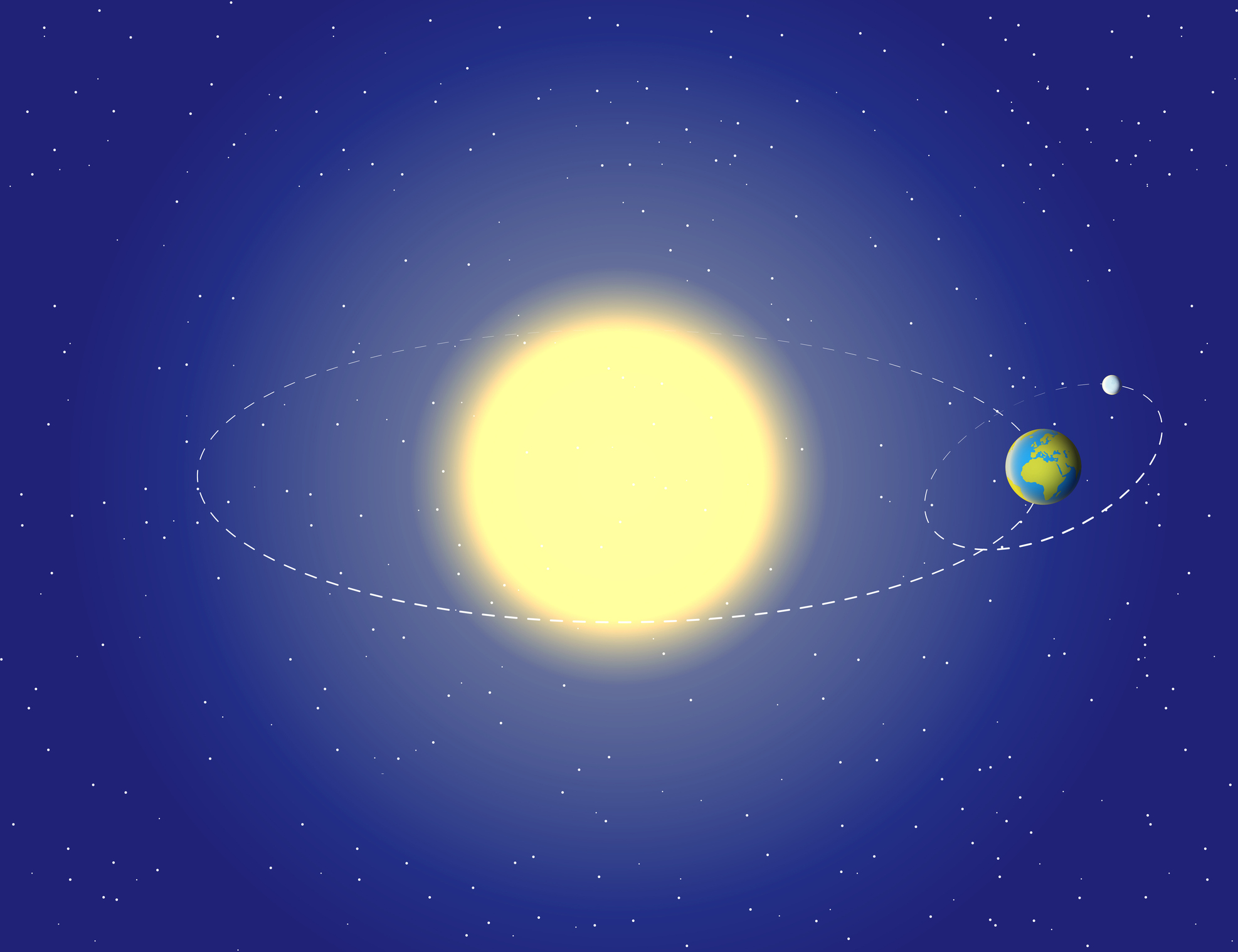
Earth orbits the Sun on a flat plane, which we call the 'ecliptic plane'.
If the Moon orbited Earth in a circle aligned with this exact same plane, we would see a solar eclipse at every new Moon and a lunar eclipse at every full Moon.
That would mean a solar eclipse and a lunar eclipse every month!
However, the Moon’s orbital path is tilted by about 5.1° degrees relative to Earth’s ecliptic plane.
So because of this tilt, most months at new Moon, the Moon passes slightly above or slightly below the Sun from our perspective.
Similarly, most months at full Moon, the Moon passes above or below Earth's shadow.
Lunar nodes and syzygy
Don't be put off by these two definitions!
Imagine we drew a circle marking out the Moon's orbit around Earth. That circle would be tilted 5.1° from a similar circle marking out Earth's orbit around the Sun.
But there would be two points where the Moon's orbit and Earth's orbit would meet. These are lunar nodes.
Syzygy (SIZZ-eh-jee) is the astronomical term for three objects – like the Moon, Earth and the Sun – forming a straight line.
For a solar or lunar eclipse to occur, syzygy between the Moon, Earth and the Sun must occur when the Moon is positioned on or close to a lunar node.
The line connecting these two intersection points is called the line of nodes.
As Earth orbits the Sun, the line of nodes changes direction slowly in space over time.
But twice a year, the Sun is in alignment with the line of nodes, creating a period during which the alignment of the Sun, Earth and Moon can produce eclipses.
This period is known as an eclipse season.
Why eclipses come in pairs
Put simply, a lunar and a solar eclipse are likely to follow each other within a short period of time because the conditions that allowed, say, a solar eclipse to occur at new Moon are largely still in place by the time full Moon rolls around two weeks later, enabling a lunar eclipse to occur.
It takes the Moon about 29.5 days to progress through its cycle of phases, from new Moon to full Moon and back again. And an eclipse season lasts about 34 days.
So, if the Moon reaches a node at new Moon, it passes directly between Earth and the Sun, casting its shadow on Earth and producing a solar eclipse.
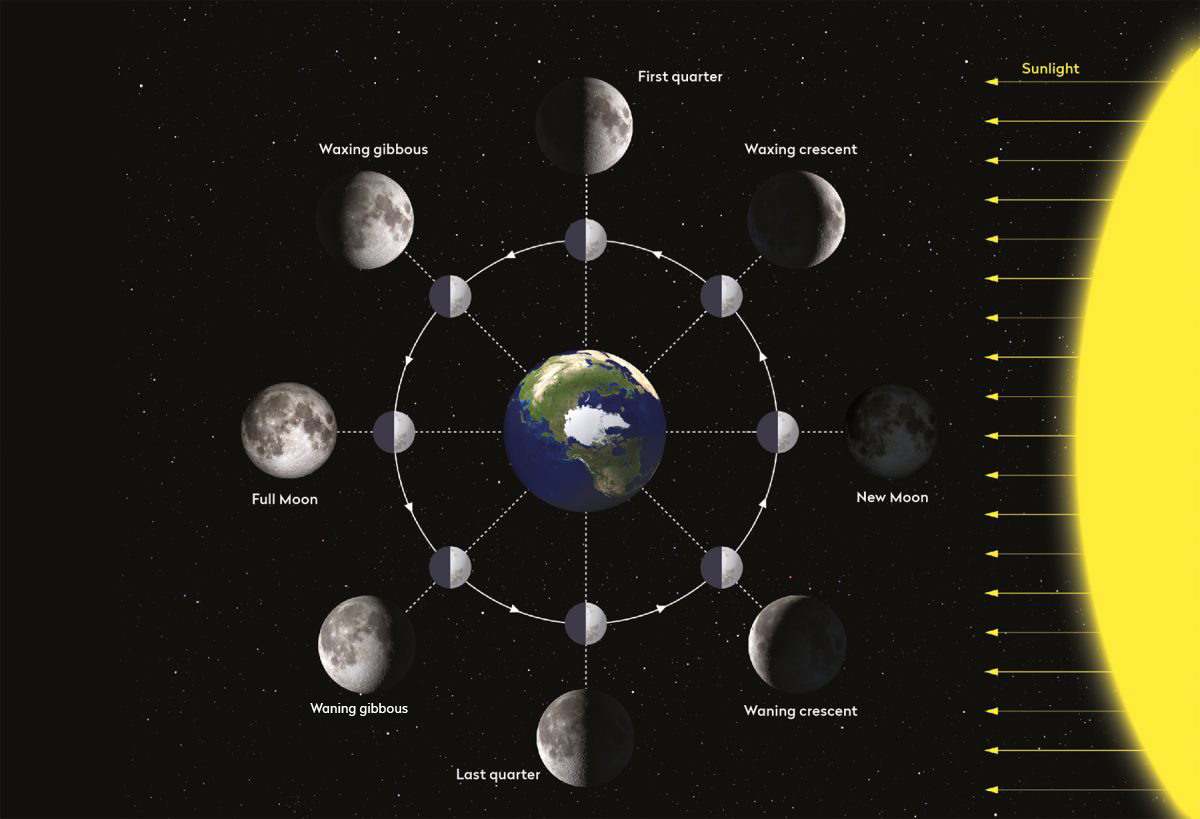
About 14.7 days later, the Moon has made its way to the opposite side of Earth and is at full Moon.
Because the eclipse season is still active and the line of nodes remains aligned with the Sun, the Moon crosses the other node.
But this time it passes through Earth’s shadow, creating a lunar eclipse.
So while it may seem like a nice coincidence that we get a lunar eclipse two weeks after a solar eclipse – or vice versa – it's actually a beautiful reminder of the clockwork nature of our incredible Solar System.

