
What would it be like to walk on Mars and look across its frozen landscape to distant, wind-carved cliffs?
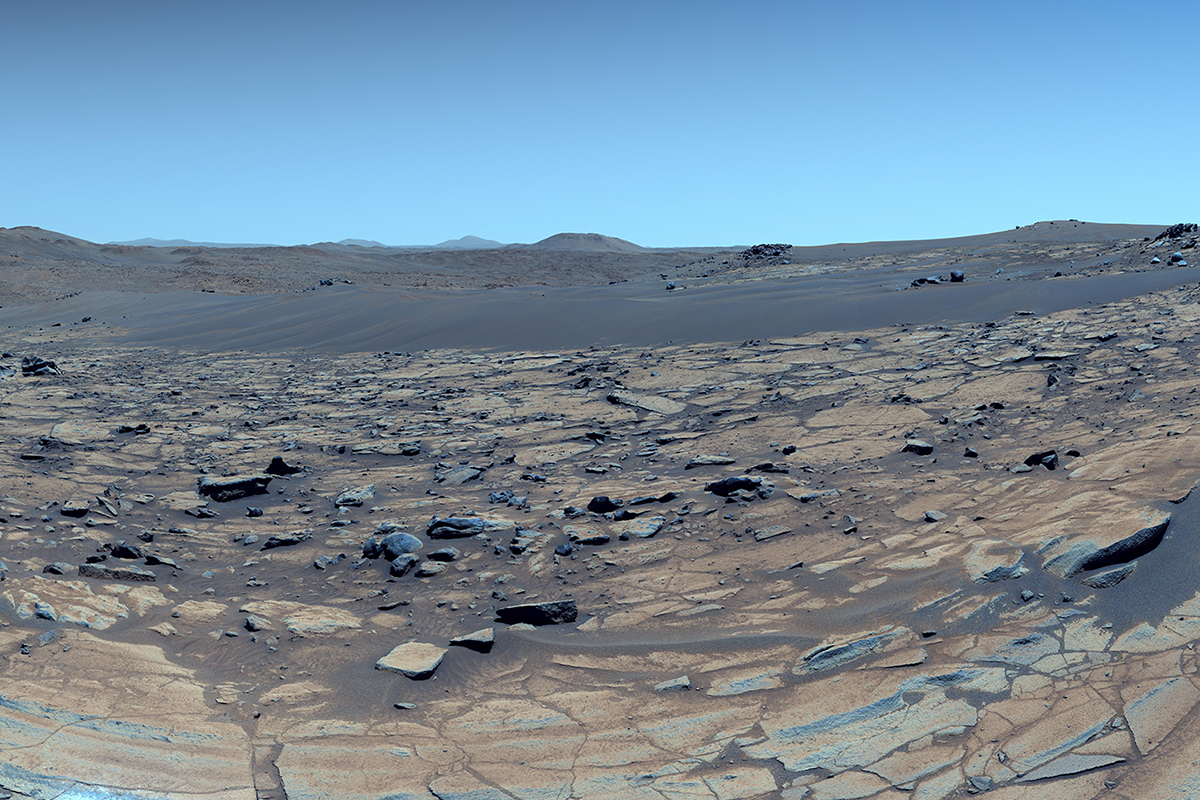
This panorama captured by NASA's Curiosity rover is an astoundingly clear view of the Martian surface that mission scientists are saying is the most detailed view yet of distant cliffs on the Red Planet.
What's more, the scientists also say Curiosity has captured views of features they've been waiting to see up-close for a long time.
More on Mars
What the panorama shows
NASA's Curiosity rover captured the below image on 11 August 2026 at 08:30 Mars time.
It's a scene stitched together using six individual images that were sent back to Earth by the robotic rover.
The science team say the images were specifically processed to preserve the appearance of early morning on Mars.
The bright, early morning Martian light is illuminating crags on the horizon known as yardangs.
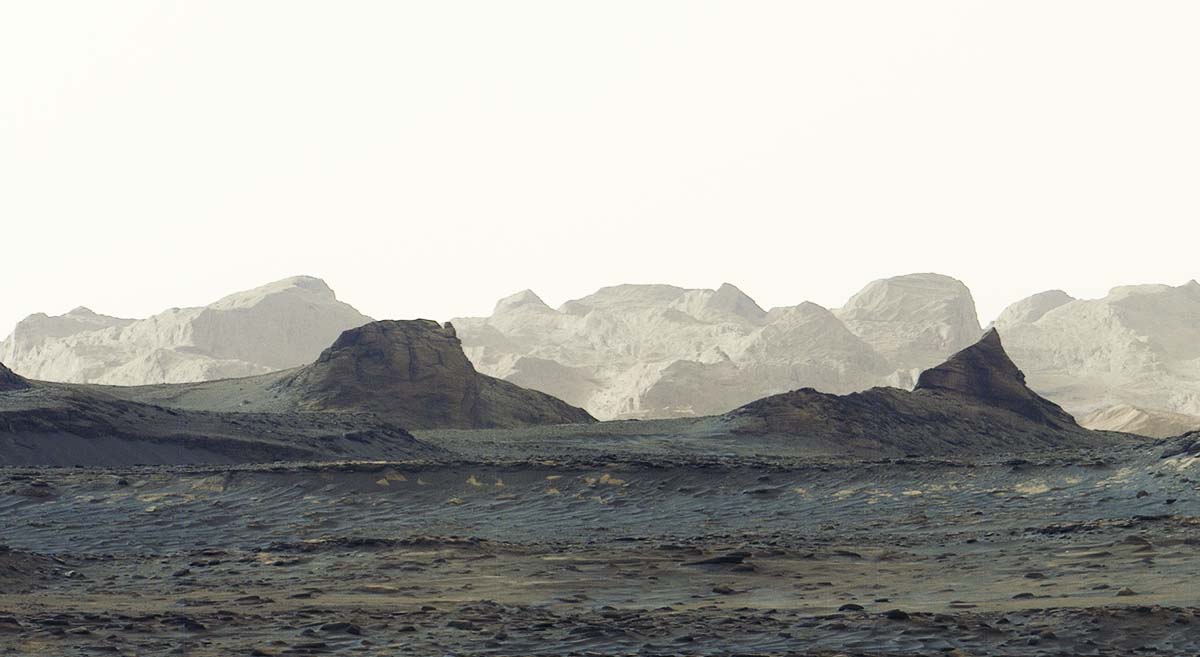
This yardang layer stretches about 16km (10 miles) across the northwestern edges of a 5km (3-mile) tall mountain known as Mount Sharp.
Curiosity has been ascending Mount Sharp since 2014 and recently passed a milestone of 1km (0.6 miles) elevation, the most ever climbed on Mars.
Scientists say that as the rover gets closer and closer to the yardangs, they expect it to capture even more spectacular images.
It could even provide the science they'll need to work out how the cliffs were created.

A history of water on Mars
Mars used to be much warmer and wetter than it was today – and that's why planetary scientists are pinpointing it as an important world in our Solar System in the search for signs of life.
Mars rovers and orbiters have seen ancient river beds and dried-up lakes across the Red Planet.
Scientists say that, by studying Mount Sharp's individual layers, they've been able to learn even more about the lakes and streams that once covered this part of Mars billions of years ago.
Once the water dried up, salty deposits were left behind and, after new material stopped settling on the mountain, some of it could have been stripped away by Mars's powerful winds, causing the formation of the yardangs.
"The yardang layer looks out of place. It’s the wrong colour, the layers tilt at an odd angle and it almost appears plastered on," says Ashwin Vasavada, Curiosity project scientist at NASA’s Jet Propulsion Laboratory.
"But that’s what makes it exciting to reach. No one is sure exactly what created this layer, but one idea is it may be ash deposited by ancient volcanic eruptions."
Scientists hope Curiosity will reach the base of the yardangs at some point in 2027, when it will be able to use its science instruments to gather data on these strange features.
What are your favourite images of Mars? Let us know by emailing contactus@skyatnightmagazine.com

