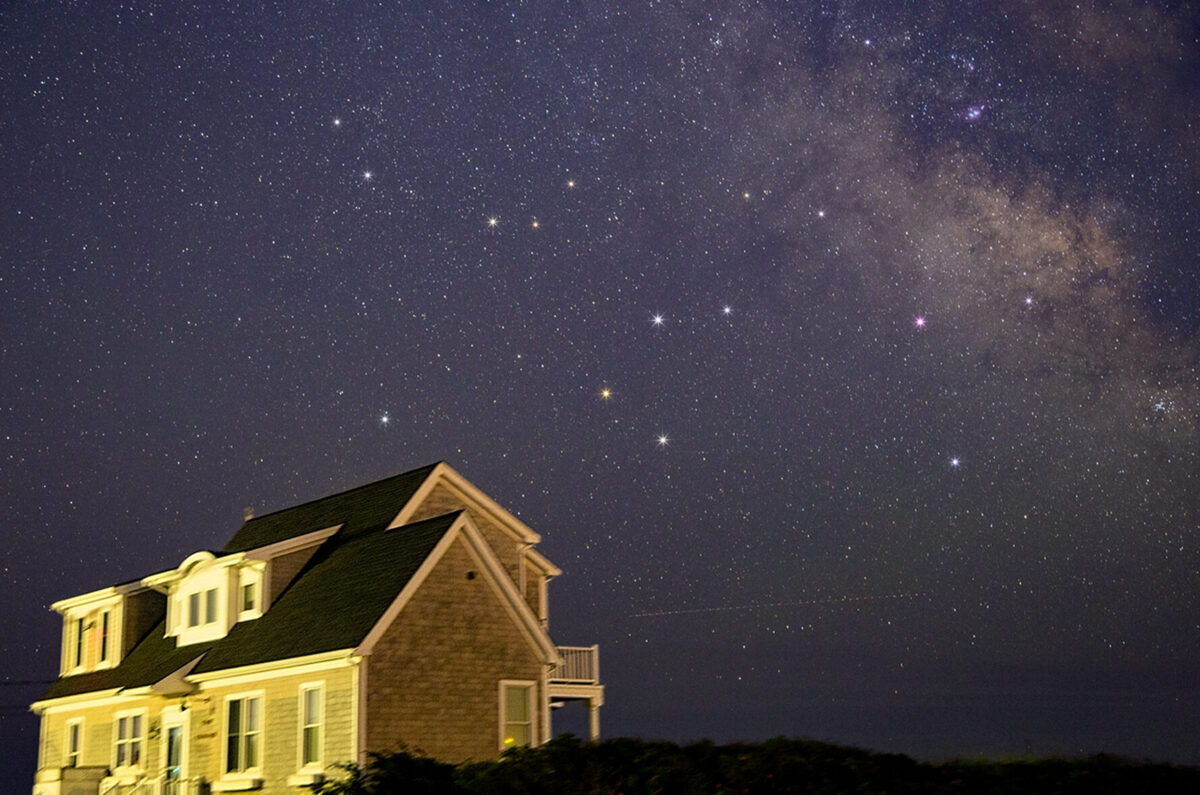
Stare to the south in the summer months and the constellation Sagittarius sits resplendent.
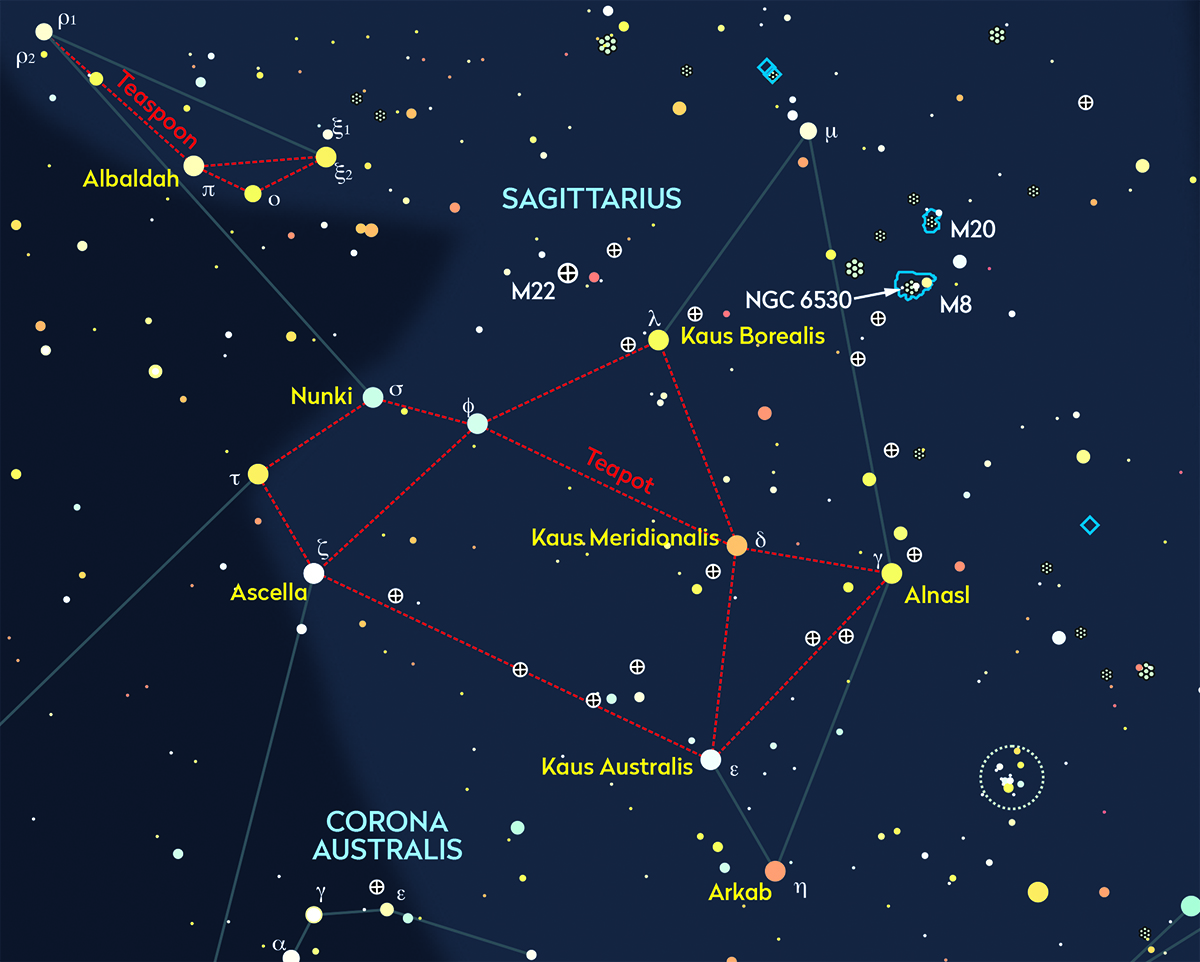
Its meandering stars take on various shapes, including a teapot and spoon.
Just next to the teapot, close to where steam would rise from its spout, is the Galactic centre – the heart of the Milky Way.
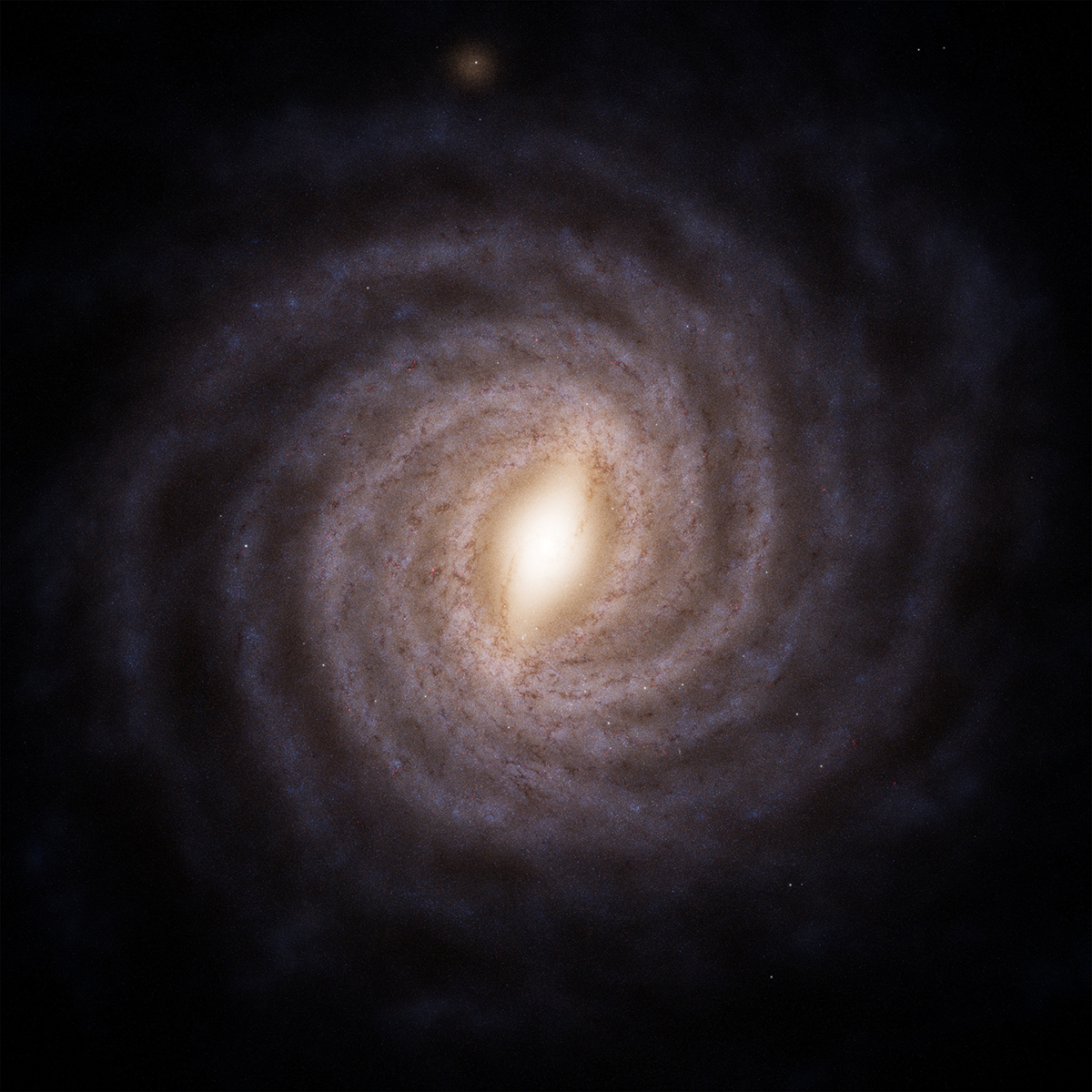
The Sun and every star you can see in the night sky belongs to this sprawling stellar metropolis.
More amazing science
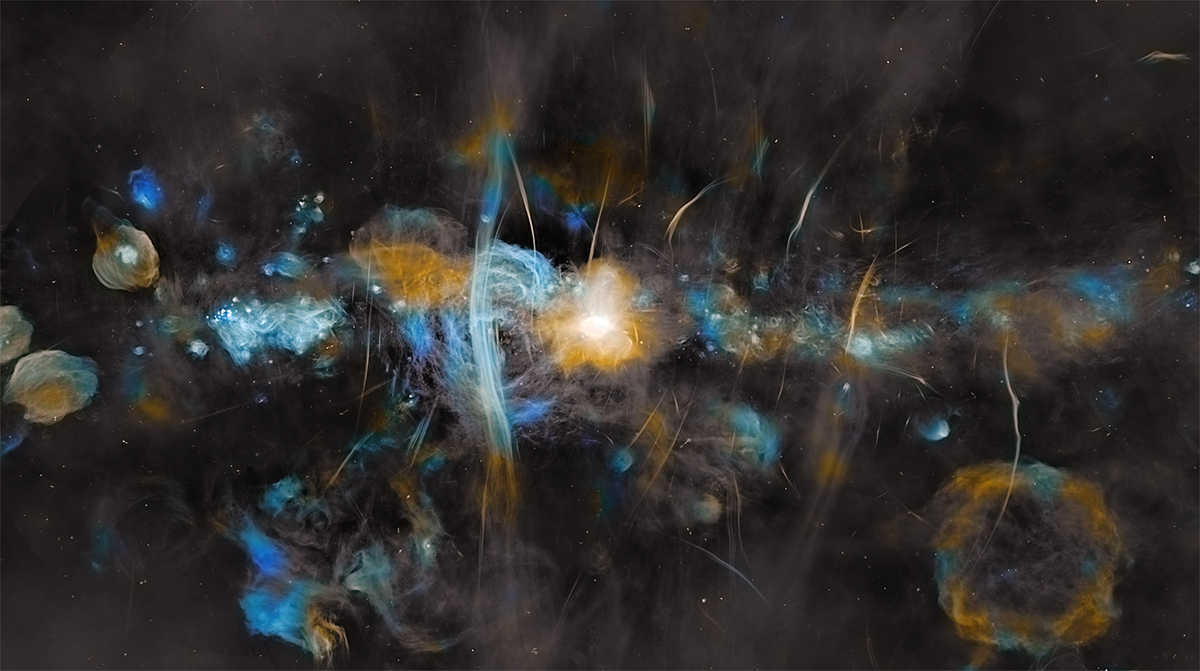
A population of hundreds of billions of stars swirl around this central mass, like planets circle the Sun.
For decades, astronomers felt confident they knew what it was that all these bodies were orbiting. A Nobel Prize has even been awarded for the discovery.
But now, new research is calling the idea into question – and with it could come a deeper understanding of the Galaxy we call home.
Looking to the centre of our Galaxy
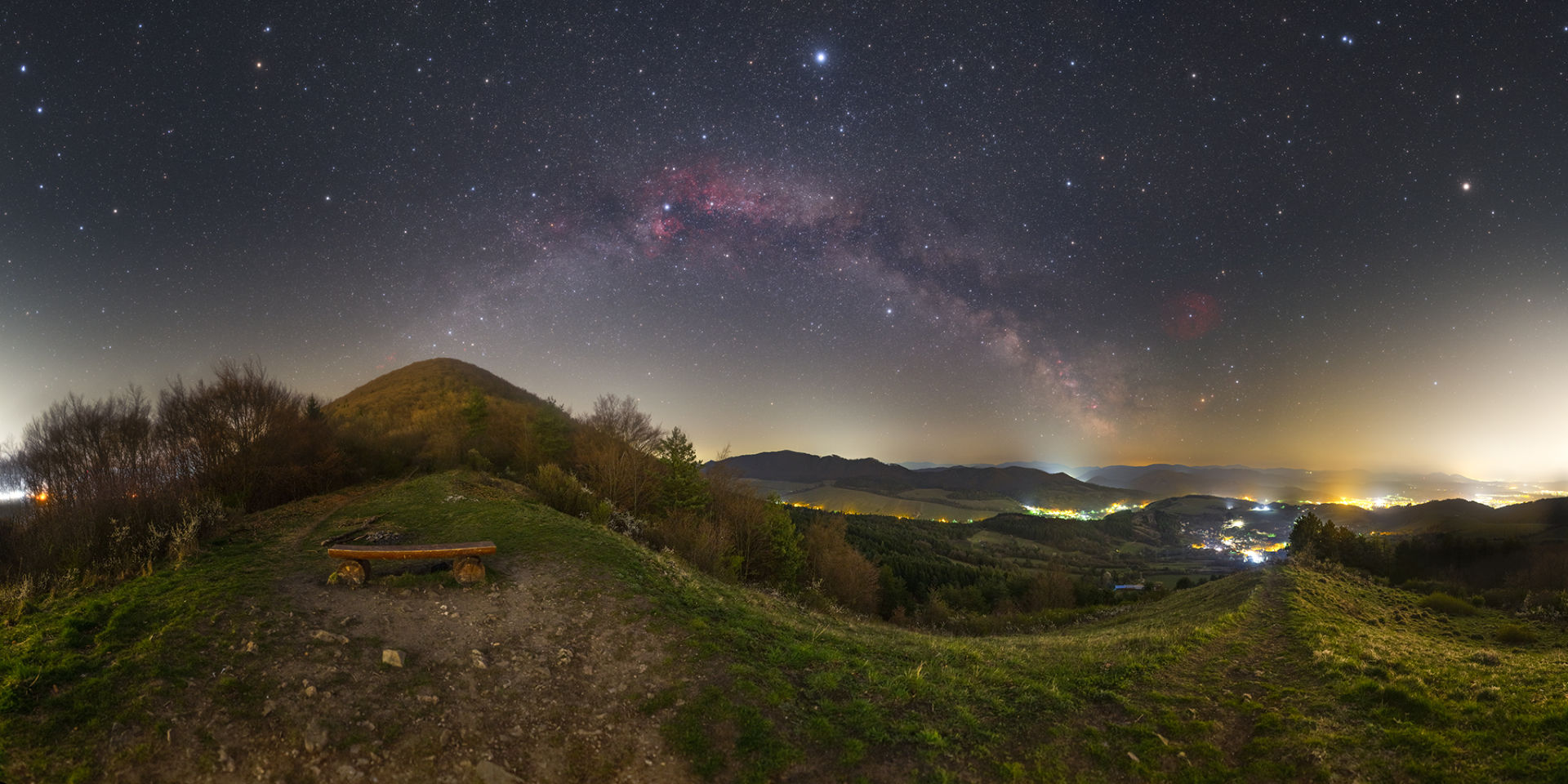
The Milky Way stretches out like a dusty river either side of Sagittarius. This dust is so plentiful that it blocks our view of the Galactic core in visible light.
If astronomers want to see what’s going on there, they need to use longer wavelengths of light that can penetrate the dust.
As far back as the 1950s, radio astronomers were picking up signals that suggested something interesting was happening in the heart of our Galaxy, but it took until the 1990s for them to begin peering through the dust with infrared telescopes built atop Hawaii’s towering volcanoes.
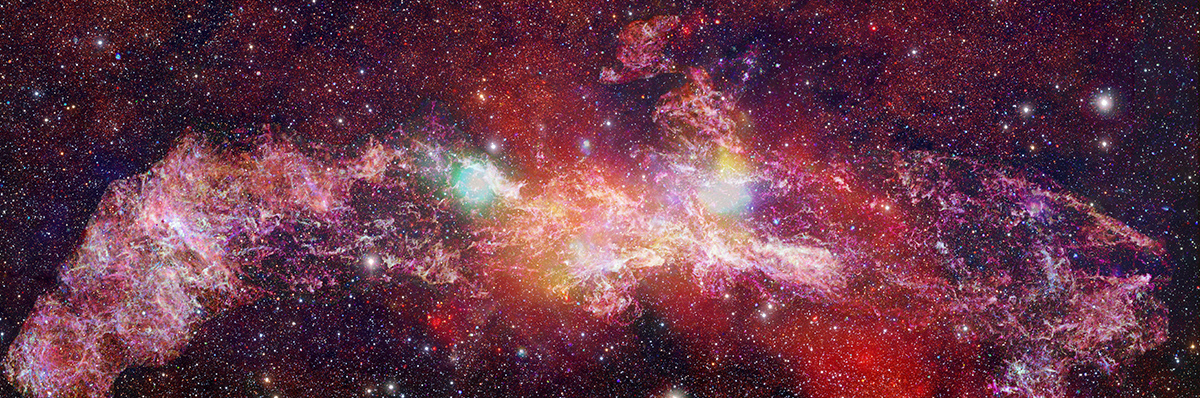
"There are observations of stars orbiting around the centre of our Galaxy – the so-called S-stars – and from their motion we can infer there is a very massive and compact object there," says Valentina Crespi from the Institute of Astrophysics La Plata in Argentina.
From the orbital time and distance of these S-stars, astronomers could calculate the mass of this mysterious central object. It tipped the scales at a staggering four million Suns.
And yet, for the stars to maintain their stable orbits and not be consumed, their gravitational master had to span less than a third the size of the Solar System.
The supermassive-black-hole hypothesis
At the time, the only explanation that fitted the bill was a supermassive black hole. Black holes are usually formed by the deaths of massive stars, but no single star could fashion a monster as big as this.
Instead, this black hole – dubbed Sagittarius A* – was likely a fossil from the formation of our Galaxy.
Merger upon merger stacked up smaller galaxies to build our grand spiral home, and each of these dwarf galaxies may have had their own, smaller black hole.
Eventually, all these behemoths combined to create one central giant.
But while all this was going on, another mystery had been smouldering for nearly a century.
Ever since the 1930s, there was an inconsistency in the orbits of the stars much farther out into the Galaxy.
Stars in the outer regions are moving too fast for the visible matter alone to hold them," explains Carlos Argüelles, also from the Institute of Astrophysics La Plata.
Initially, the Milky Way seemed like a giant version of the Solar System. Sagittarius A* was like the Sun, the stars akin to planets spinning around it.
Except the stars didn’t appear to obey the same rules as the planets. In our Solar System, the farther a planet is from the Sun, the slower it orbits.
Mercury, the closest planet, takes a fleet-footed 88 days to complete a lap of the Sun. Neptune, on the other hand, takes a tortoise-like 165 years.
When astronomers began measuring the speed of stars in the vicinity of the Sun and farther out towards the edge of the Galaxy, they appeared to be moving at similar speeds to the stars much closer in.
In fact, they were moving so fast that they should be able to escape from the Galaxy entirely and journey off into intergalactic space. Except they clearly weren’t.
Enter dark matter
This ‘rotation problem’ is usually explained by a mysterious substance called dark matter.
"Dark matter acts like an additional gravitational component," says Argüelles. "It’s what keeps the stars in the outer regions bound to the Galaxy."
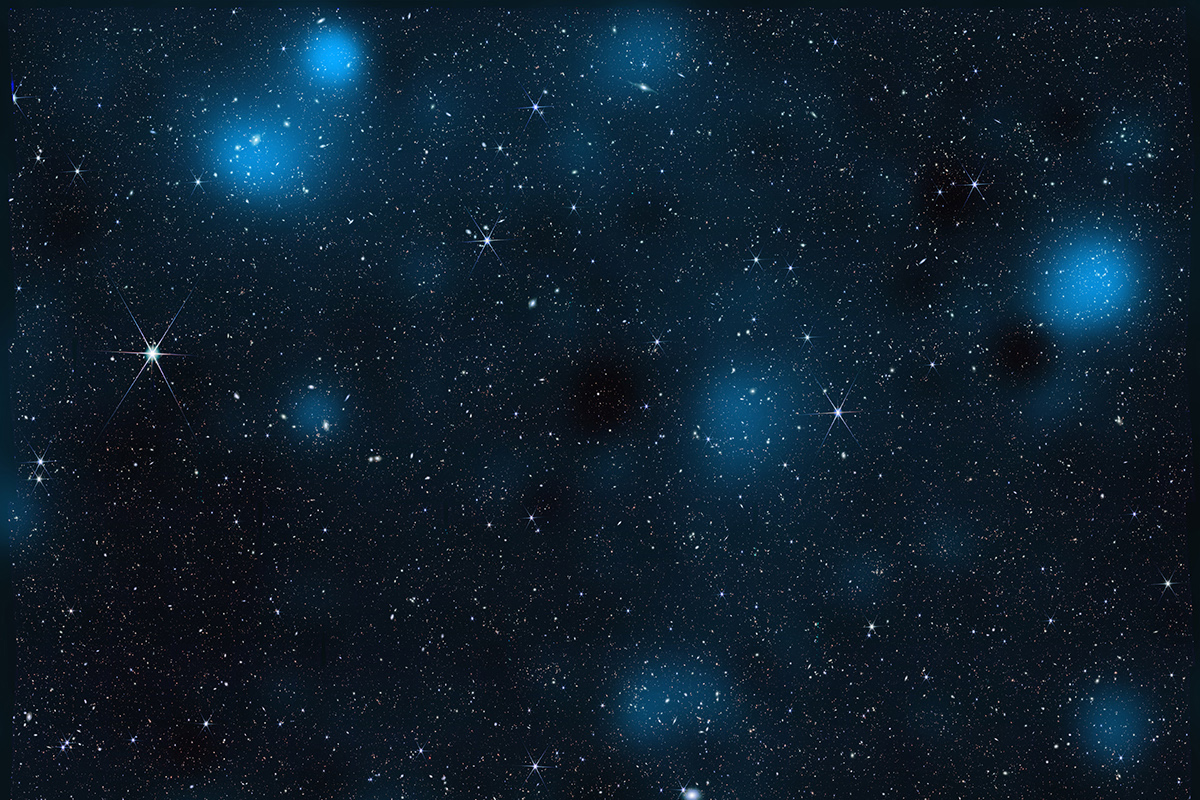
While most of the Galaxy’s visible mass lies in its stars and gas, there’s a swathe of invisible material scattered throughout the Galaxy, providing an additional gravitational glue.
It was while thinking about this dark matter that a team led by Crespi and Argüelles hit upon a radical new idea: what if Sagittarius A* is not a supermassive black hole at all, but instead another manifestation
of dark matter?
"You don’t need to put a black hole at the centre," says Argüelles. "Everything is part of the same substance."
This explanation rests on a particular type of dark matter known as ‘fermionic’ dark matter.
Testing the theory
For nearly 100 years, astronomers have searched for dark matter particles, but every effort has left them empty handed.
That could be because dark matter particles are considerably lighter than they’d bargained for.
It’s these lighter particles that Crespi and Argüelles suggest could not only form a compact object at
the centre of our Galaxy, but also spread out into a more diffuse halo that would explain the rotation
of the rest of the stars in the Milky Way.
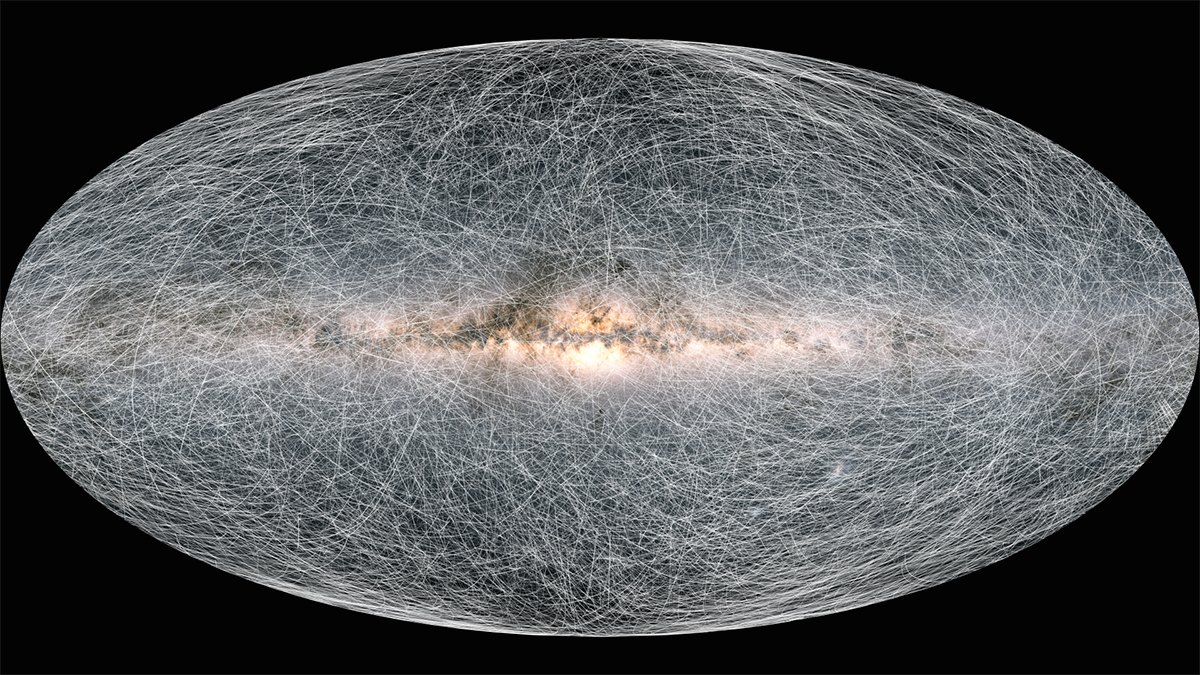
Their model can match measurements of star speeds taken by the European Space Agency’s highly precise Gaia spacecraft.
Crucially, the dark matter idea is even consistent with the first-ever direct image of Sagittarius A*,
taken by the Event Horizon Telescope in 2022.
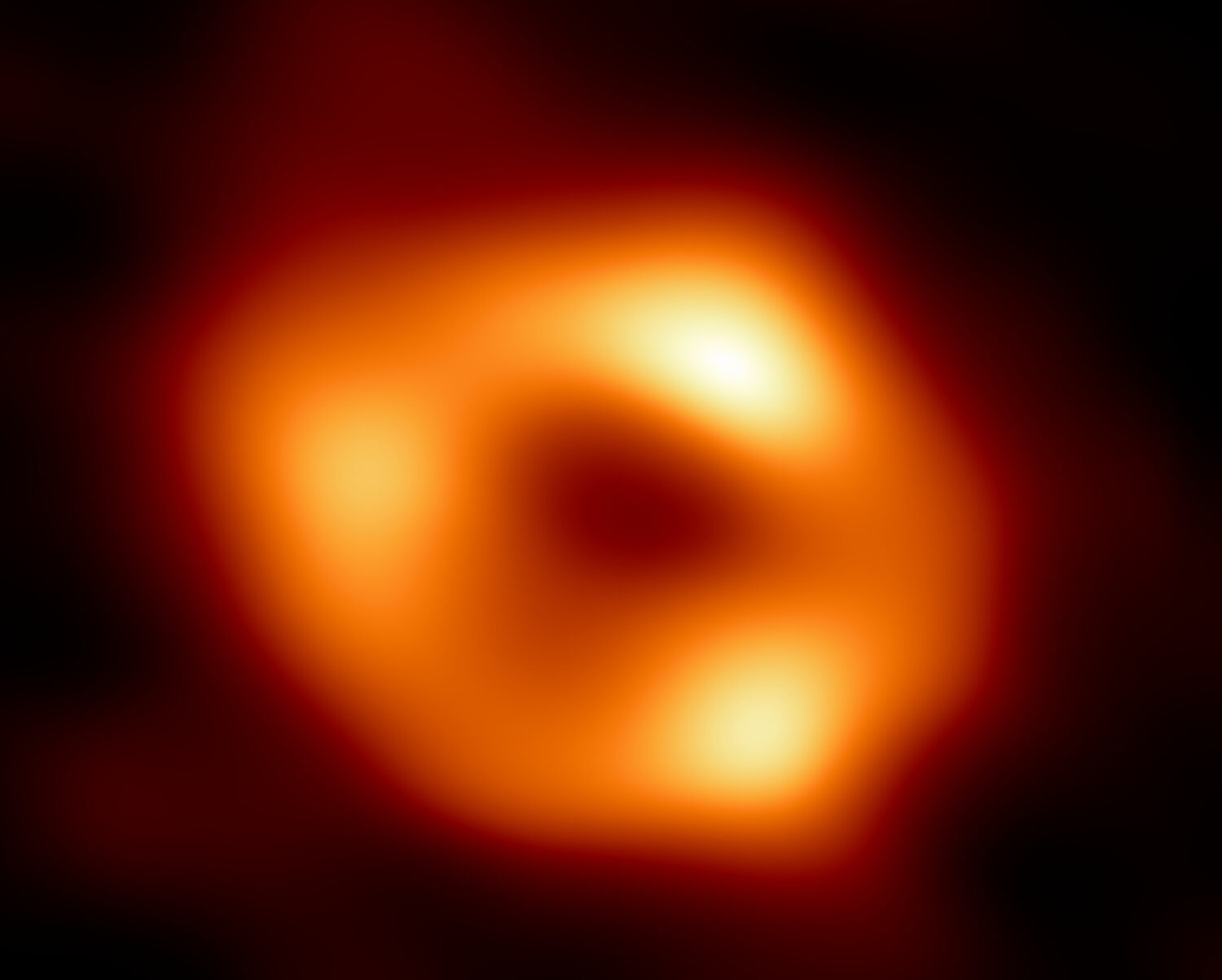
In reality, the image is not a direct photograph of the central object, but of the light around it.
Hot gas spiralling toward the centre is heated to millions of degrees, causing it to glow.
As this light passes close to the central mass, its path is bent by gravity, tracing out a ring-like structure.
The dark centre – the so-called ‘shadow’ – marks a region where light is either captured or deflected away from us.
It is this interplay of glowing gas and warped light that gives photographs of black holes their characteristic appearance. But it’s something that Crespi and Argüelles can also explain.
"The dark matter core produces an image with a central dark region and a surrounding ring of emission, very similar to what is expected from a black hole," says Argüelles.
"Both scenarios can produce very similar observational signatures at the level we can currently measure," adds Crespi.
Orbits will give the answer
There are ways that astronomers could untangle the two possibilities, although they all require souped-up observations that we can’t yet make.
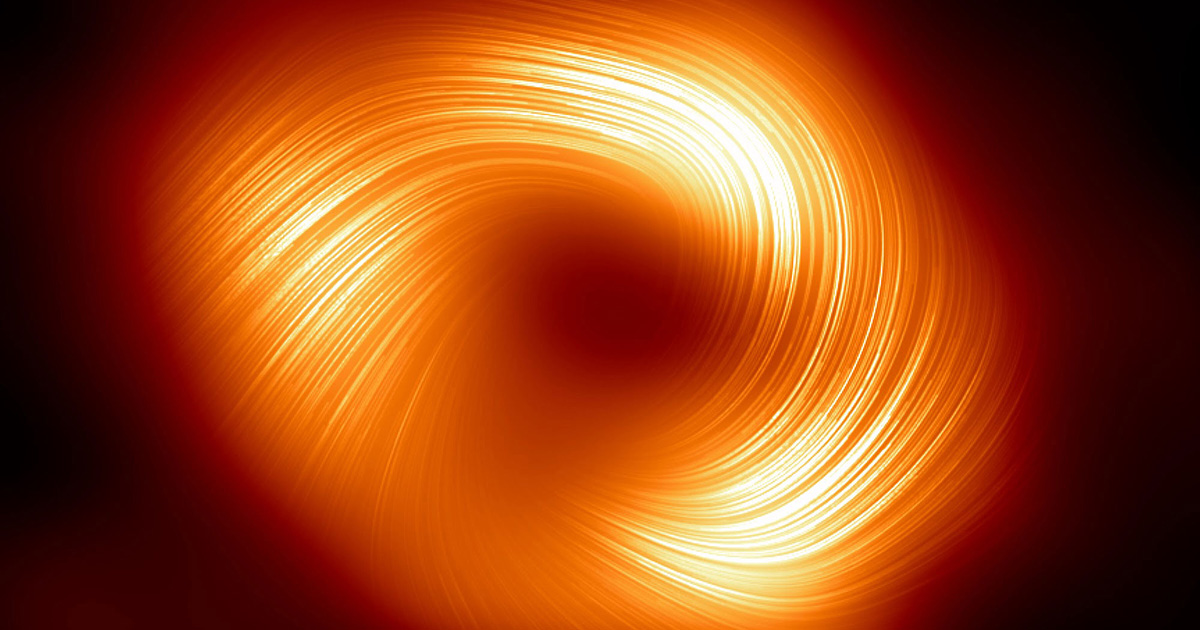
"The key difference appears in the orbital precession," says Crespi. "In a dark matter core, the stars would precess differently than around a black hole."
Precession is the gradual rotation of an orbit’s orientation due to gravitational effects.
Using it to test the 'black hole versus dark matter' debate is a poetic echo of another dispute over a century ago, when the measured precession of Mercury’s orbit around the Sun favoured Einstein’s general theory of relativity over Isaac Newton’s original theory of gravity.
Unfortunately, we don’t yet have instruments capable of making precise enough observations of the orbits of S-stars, but there are facilities in progress that could do the trick.
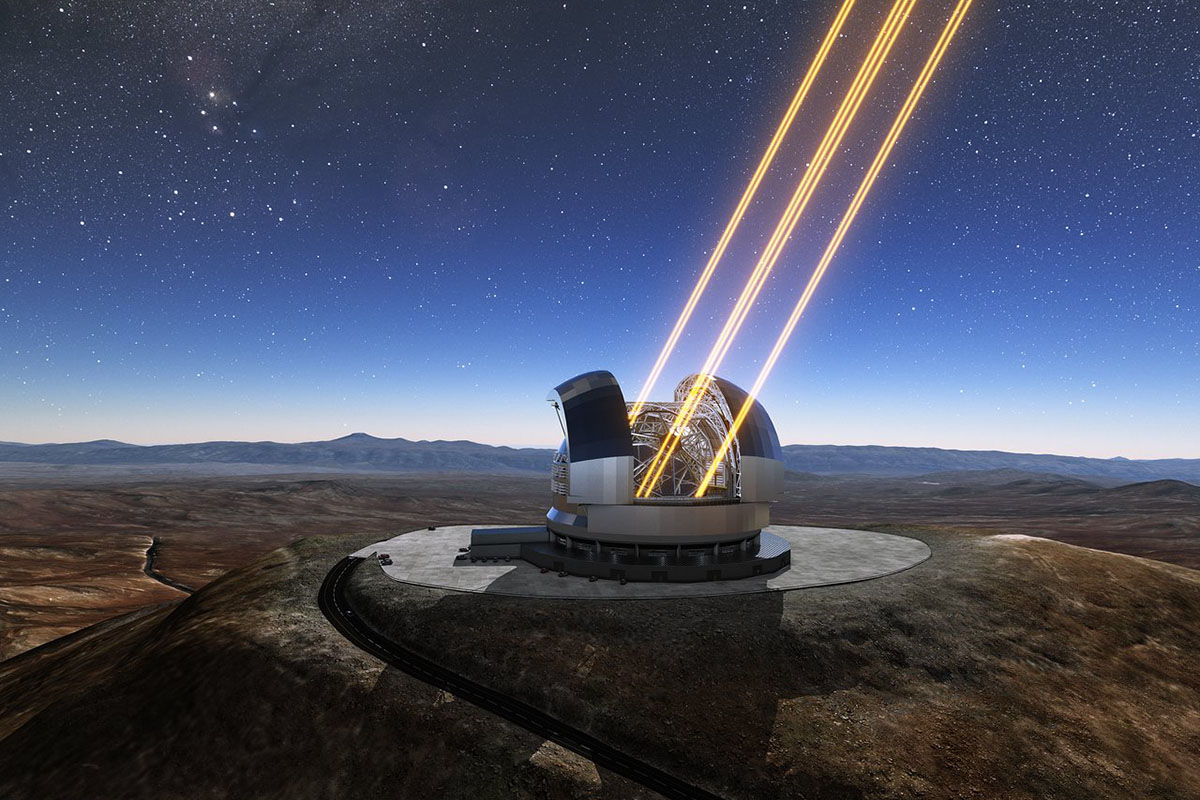
These include the GRAVITY+ upgrade already under way on the European Southern Observatory’s Very Large Telescope Interferometer, and the Extremely Large Telescope, due to start operations in 2030.
Argüelles has also spoken to the team behind the Event Horizon Telescope about future upgrades there.
"As the Event Horizon Telescope improves, with higher resolution and more observations, we expect to be able to distinguish between these scenarios," he says.
What if they’re right?
While we wait for these tools to come online, what do other astronomers make of Crespi and Argüelles’ proposal?
"It’s an interesting idea," says Harry Desmond, a senior research fellow in cosmology from the University of Portsmouth. "It would really pin down the microphysics of dark matter, which would be huge."
If the Milky Way isn’t unique and other galaxies also lack supermassive black holes, the discovery would also force a major rethink on how galaxies work.
"It would have a big knock-on effect on the energy budgets of galaxies, which are dominated by black hole feedback in the standard picture," he adds.
"Black holes could no longer quench star formation or regulate gas inflow across the Galaxy – some other mechanism would need to be found for that."
As always in science, extraordinary claims require extraordinary evidence.
But if Crespi, Argüelles and their team turn out to be right, we may need to dismantle some of the most fundamental assumptions in modern astrophysics.