A new holistic model of Earth’s core, mantle, crust, surface and atmosphere could one day be used to detect signs of life on other planets.
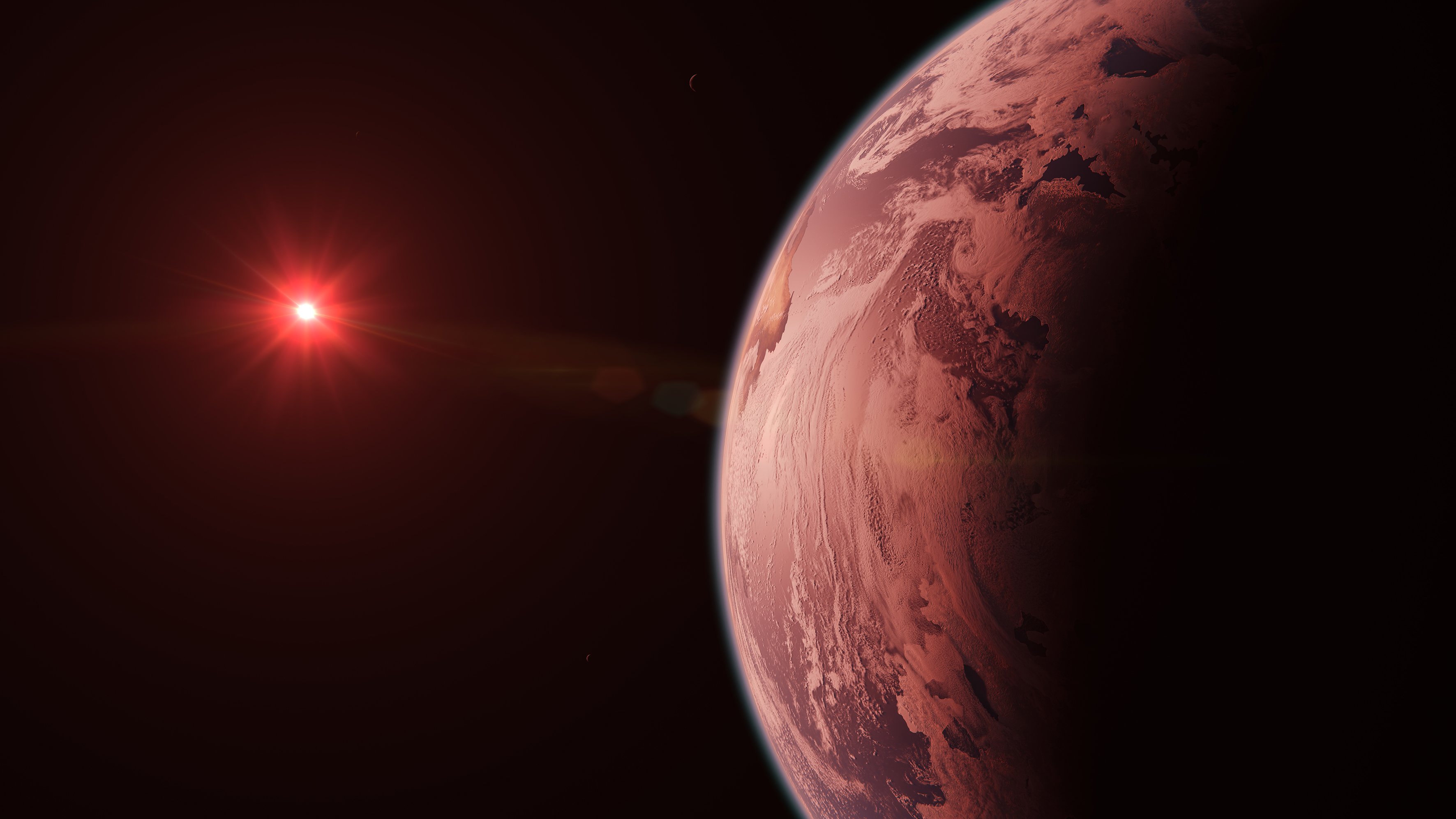
To date, over 6,000 exoplanets have been discovered in orbit around stars other than our own Sun.
Astrobiologists study these planets in the hope of detecting alien life.
And since life as we know it requires liquid water, they’re only really interested in planets that have atmospheres around them, because an atmosphere is required for liquid water to be present.
More on alien life
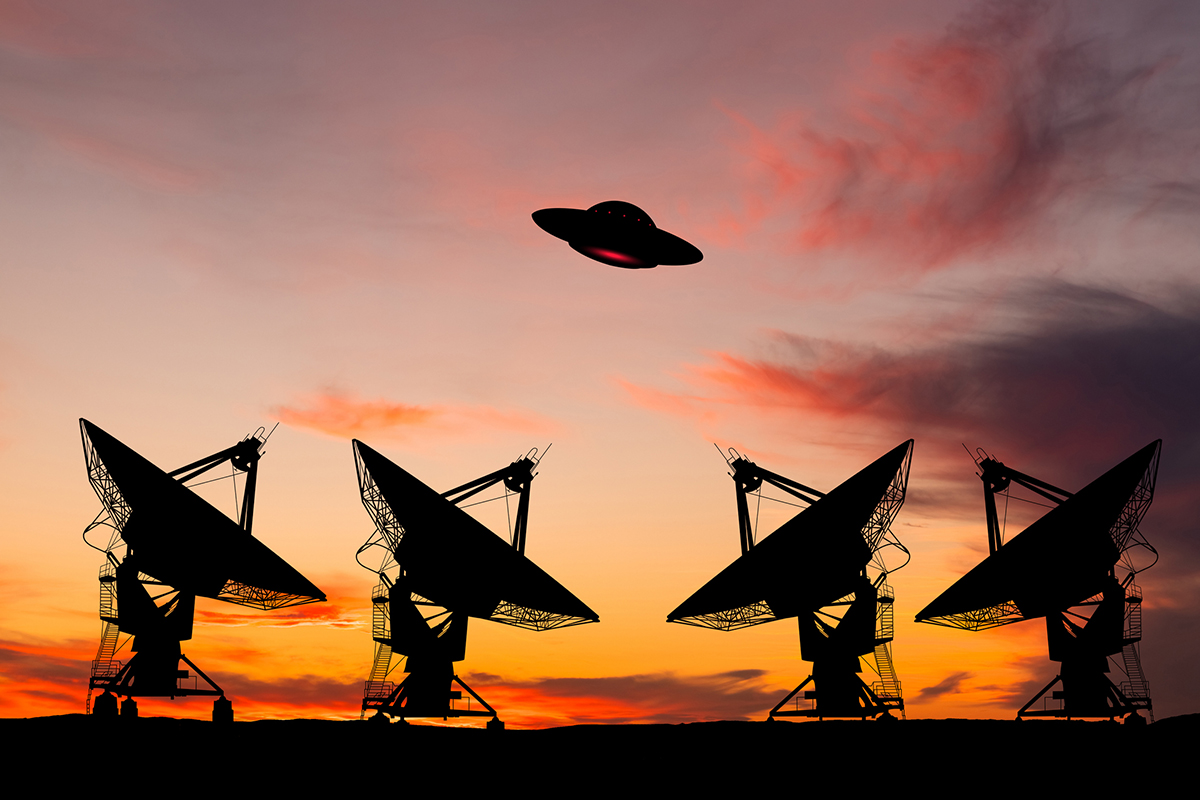
Biosignatures and the search for alien life
Atmospheres do not necessarily require life to present in order to form – but if there is life present, that life will undoubtedly help to shape the atmosphere in which it lives.
For instance, here on Earth, animals pump CO2 into the atmosphere (by breathing) and consume oxygen, while plants do the reverse.
The levels of CO2 and oxygen found in Earth’s atmosphere are, ergo, a direct result of life on Earth – and one indicator of its presence, should any extraterrestrial astronomers be peering towards us.
These chemical indicators are known as 'biosignatures'.
No life on Earth?
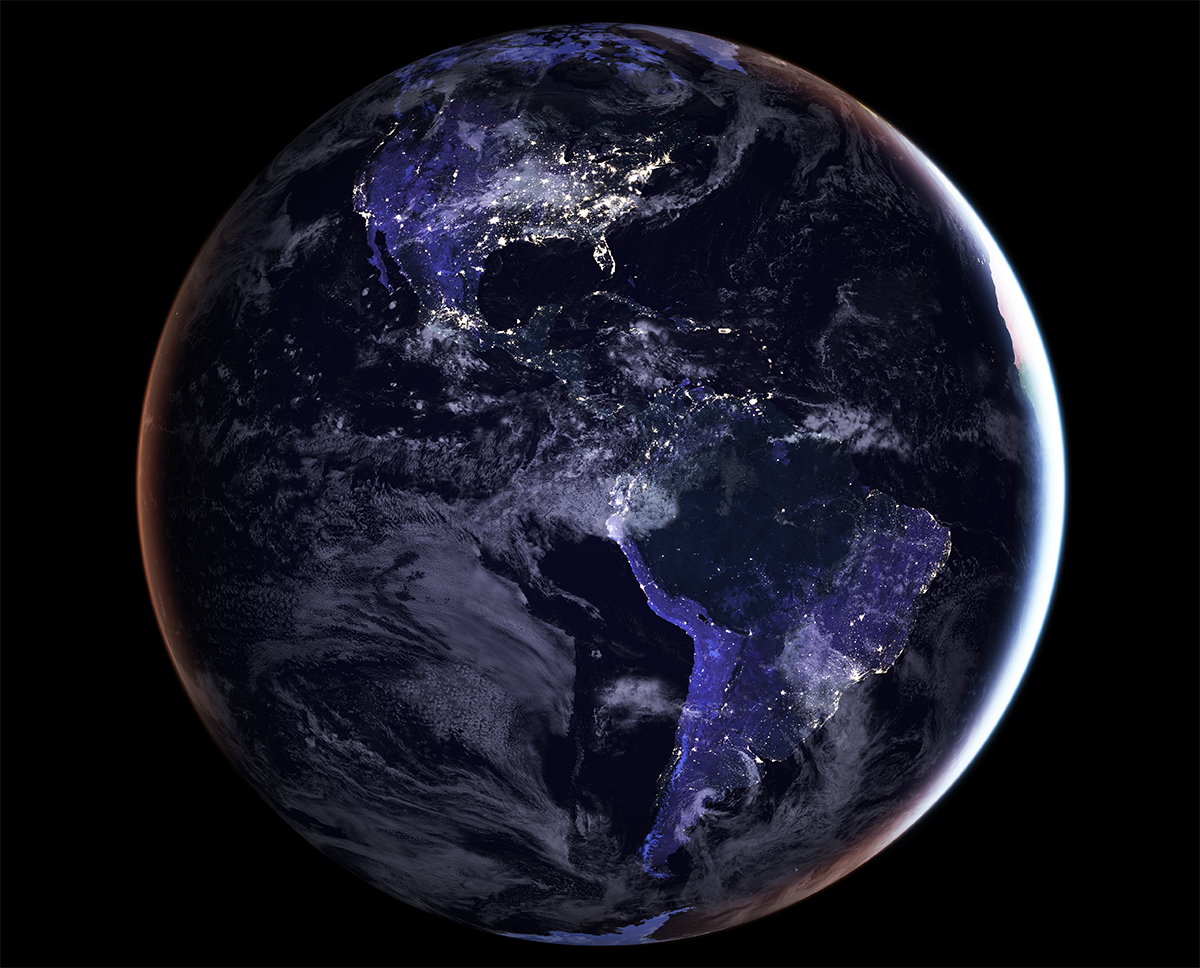
But what would our atmosphere look like if there were no life on Earth?
To answer this question, astronomer Samantha Gilbert-Janizek and her team at the University of Washington in Seattle, USA looked to a computer model built previously by Rory Barnes, an associate professor of astronomy at the university.
Barnes’s model simulated the evolution of Earth’s core, mantle and crust over billions of years.
Gilbert-Janizek and her team tweaked it in such a way that the model now also includes Earth’s surface and atmosphere, but will ignore the impact of the emergence of life.
In this way, they were able to develop a picture of what the atmosphere around a ‘dead’ Earth might look like.
More importantly, now that the model has been built, it can be fine-tuned to study other rocky planets.
So if a new exoplanet is discovered and is found to have an atmosphere, scientists should be able to enter that planet’s characteristics into Gilbert-Janizek’s model, and see whether the atmosphere produced by the model matches that observed in real life.
If it does, then it’s safe to assume there’s no life there, and astrobiologists can move on.
If the observed atmosphere is quite different from the one produced by the model, however, that would be a sign that the atmosphere may be interacting with, and being shaped by, life of some sort.
"This model can help us see how habitable but non-living planets might mimic living planets," says Gilbert-Janizek.
"When we interpret observations of an exoplanet’s atmosphere, this tool will help us determine the probability that what we observe indicates life on the surface."