
A rare meteorite discovered in the Sahara Desert has provided the first definitive evidence for a giant protoplanet that formed early in the Solar System’s history before being destroyed in a catastrophic collision.
Researchers from the University of Colorado Boulder analysed the meteorite, known as Northwest Africa (NWA) 12774, and found it likely originated from a protoplanet at least 1,000km (621 miles) in radius and possibly as large as the Moon or even Mars.
Their findings appear in the journal Earth and Planetary Science Letters.
More on meteorites
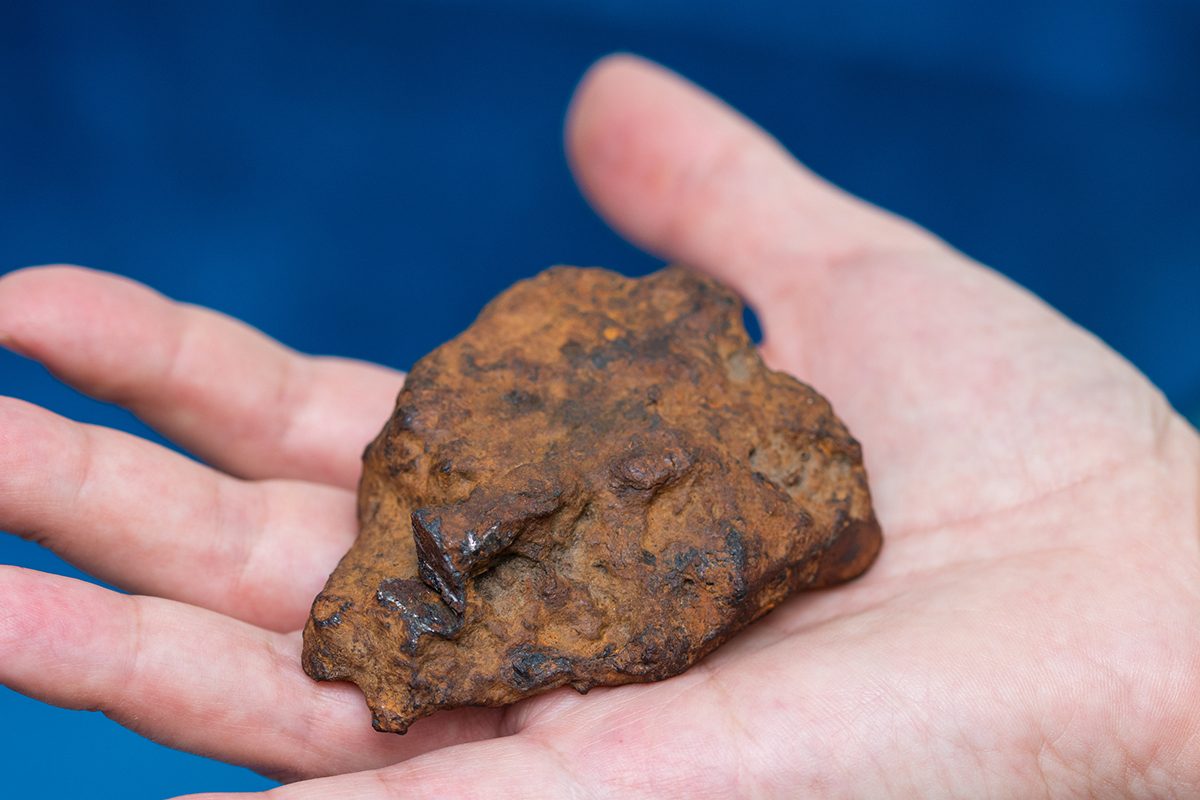
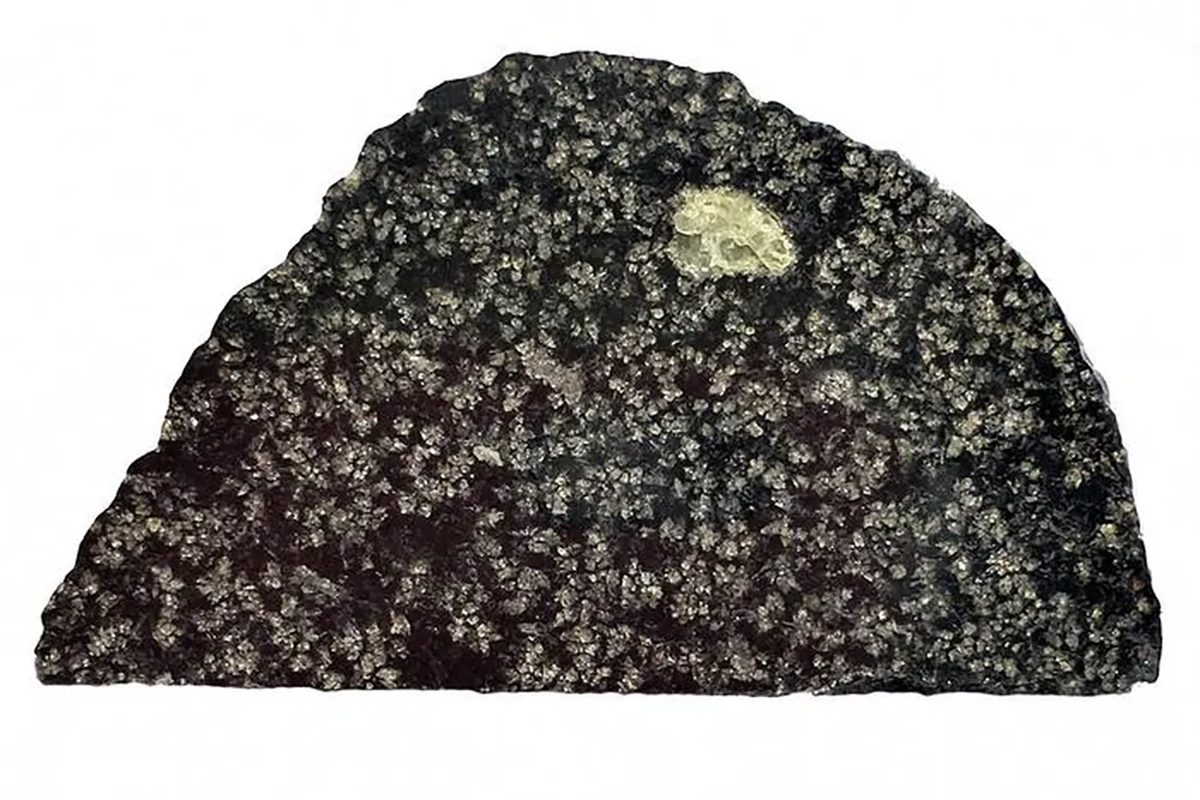
The meteorite belongs to a rare class of rocks known as angrites, among the oldest volcanic materials in the Solar System, dating to just a few million years after its formation 4.5 billion years ago.
Of more than 80,000 meteorites identified on Earth, only 68 are angrites.
Scientists had previously assumed these rocks formed on relatively small asteroids because of their unusual chemical composition.
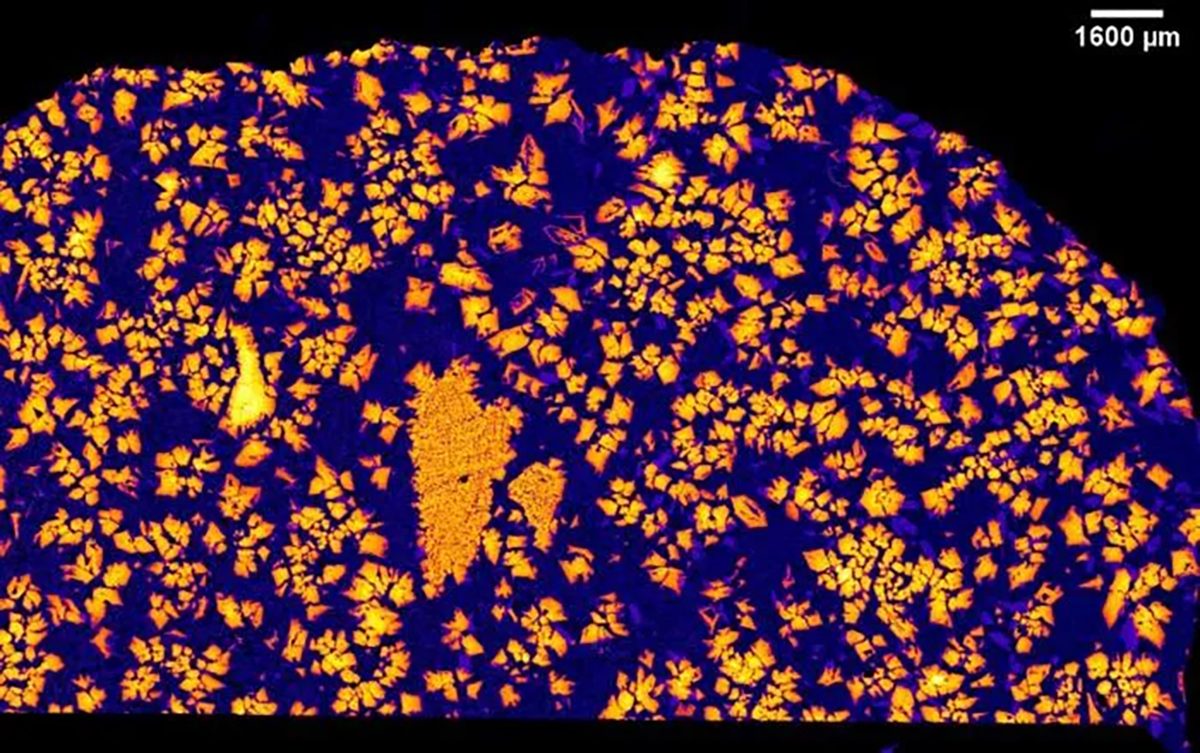
However, the team found clinopyroxene crystals in NWA 12774 that were exceptionally rich in aluminium, a clear indication that they formed under immense pressure underground.
By reconstructing those conditions, the researchers concluded that the parent body must have been far larger than any asteroid.
“It’s incredible to think there was once a world this large,” says Aaron Bell, assistant research professor in Earth science.
“We only know it existed because a few fragments of it happened to land on Earth.”

